featherStrength (Feather Strength)(2026)
Screened as part of Doc Edge 2026
What began as a way of making sense of his family's extraordinary journey has become an extremely moving new documentary. featherStrength follows Kiwi filmmaker Jon Earle over a decade as he documents life caring for his daughter, who has extremely rare and complex disabilities. It's an intimate, honest and uplifting story about resilience, love, and learning to embrace the life you never expected.
Life does not always follow the path we imagine. featherStrength begins by sitting inside that truth, exploring what happens when a family’s future bends in ways they never planned for and refuses to bend back. Over more than a decade, filmmaker Jon Earle turns a camera toward the quiet, relentless reality of raising a child with profound developmental challenges, creating a documentary that feels less like a film and more like a lived experience unfolding in real time.
Shot entirely without a crew, the documentary is built from fragments captured on phones, GoPros and consumer cameras. Natural light fills the frame. Rooms feel close and unfiltered. The soundscape is shaped by ambient noise, breathing, footsteps, feeding routines and the original score Earle composed himself. This approach gives the film an intimacy that traditional documentaries rarely achieve. Nothing is staged. Nothing is repeated. The camera is simply present, observing a life reshaped by caregiving.
The premise is straightforward. A child is born who requires intensive, round-the-clock support. The parents take on that responsibility, and the film follows how their world contracts, shifts, and rebuilds itself under the weight of constant care. What emerges is not a story of overcoming. It is a story of continuing. It is about learning to bend without breaking, and about discovering meaning in the act of showing up every day for someone who depends on you completely.
The footage spans more than ten years, capturing medical uncertainty, long nights, feeding challenges, hours spent soothing distress and the emotional toll of living inside a four-wall reality. Yet the film does not linger only on hardship. It also captures moments of joy, humour and connection. The daughter’s happiness, however brief, becomes a reminder that disability is not a single narrative. It is a spectrum of experiences, and the film honours that complexity without turning it into inspiration or tragedy.
One of the documentary’s strongest elements is its focus on how caregiving reshapes identity. Earle describes how the experience slowly erodes your sense of self, then rebuilds it in unexpected ways. The film shows this transformation through small details: the way routines become rituals, the way creativity becomes a survival tool, the way nature becomes a refuge. Music, art, renovations and time outdoors are not hobbies. They are lifelines. They provide moments of escape, grounding and recalibration. The film focuses on the importance of self-care for carers. Earle and his wife make conscious choices to protect their wellbeing through fitness, time in nature and moments of fun. This message is quietly powerful. Carers often put themselves last, and the film shows how essential it is to maintain physical and emotional health when supporting someone who requires constant attention.
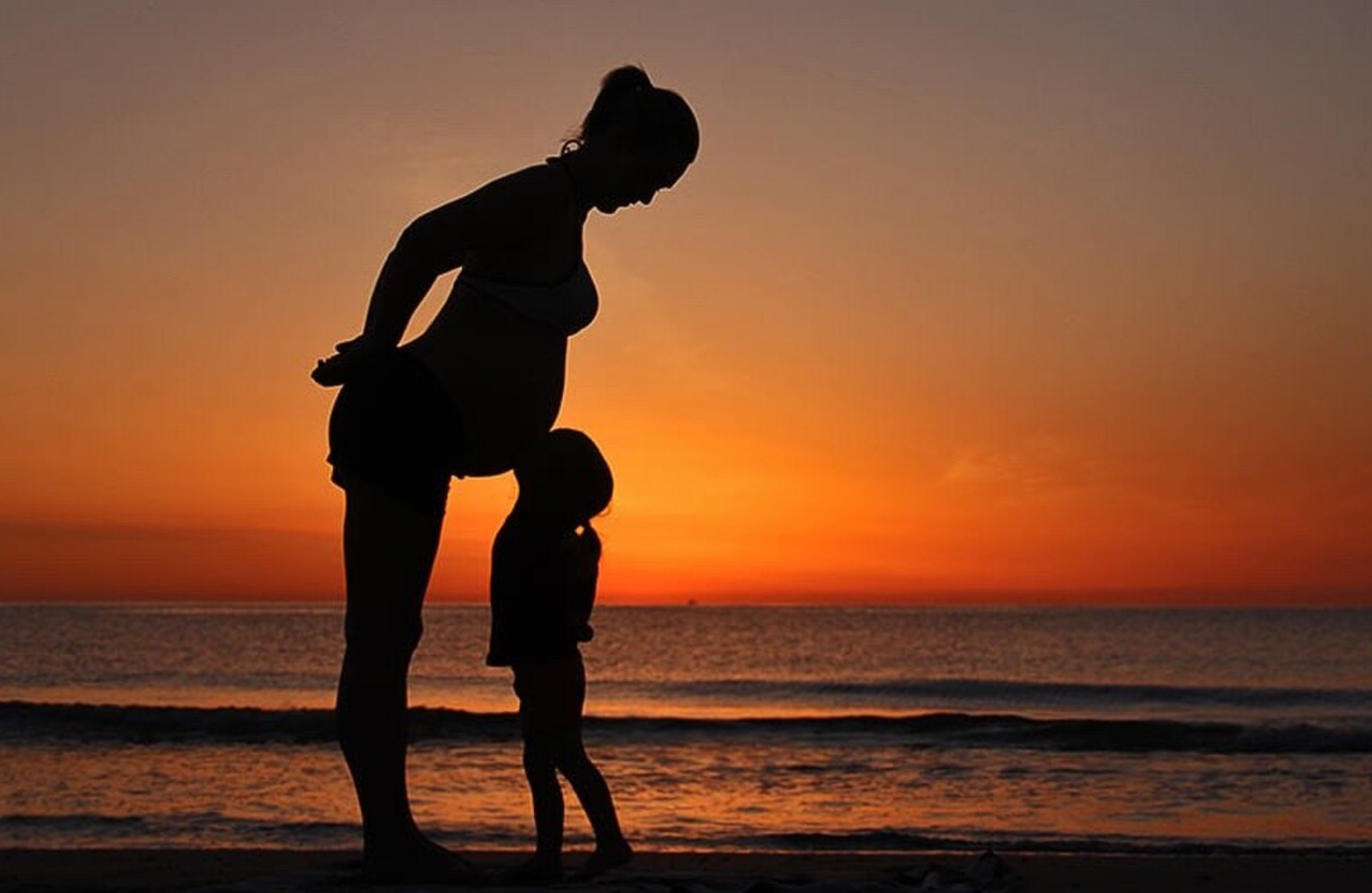
Another notable strength is the documentary’s attention to siblings. The film acknowledges how disability shapes the lives of brothers and sisters, who grow up navigating a world defined by medical routines, emotional intensity and constant vigilance. Their presence adds depth to the portrait, reminding viewers that caregiving is a family experience, not an individual one.
The pacing is deliberate. Scenes linger. Time stretches. The film mirrors the slow, repetitive rhythm of caregiving itself. This can be challenging to watch, but it is intentional. The documentary is not designed for comfort. It is designed for truth. It shows how endurance is built not through dramatic achievements, but through quiet persistence, through showing up every day for someone you love.
The emotional impact is significant. The film raises difficult questions about quality of life, long-term care and the ethics of caregiving. It does not answer them. Instead, it invites viewers to sit with the discomfort, to consider perspectives they may never have encountered, and to recognise the importance of awareness and support for families living with disability. It is a film that encourages conversation, even when the topics are hard to face.
The cinematography is unexpectedly beautiful. Despite mostly being shot with everyday devices, the visuals have a poetic quality. Natural light, close framing and unfiltered moments create a sense of intimacy that professional setups often struggle to achieve. The original score, composed by Earle, matches the emotional phases of the family’s journey, shifting from tension to stillness to resilience.
The documentary is accompanied by an installation of five art panels created by Earle. Each panel represents a thematic stage of the caregiving journey. The first captures the initial panic and isolation. The second reflects vigilance and protective survival mode. The third explores internal confrontation and grief. The fourth represents transition and acceptance. The fifth celebrates communal resilience and the unexpected grace found in connection with other caregivers. These panels deepen the film’s thematic resonance, offering a visual counterpart to the emotional narrative.
What makes featherStrength remarkable is its refusal to frame caregiving as a story of overcoming. It does not chase resolution. It does not promise transformation. Instead, it observes what happens when someone remains inside unplanned circumstances and learns to bend without breaking. Meaning appears not in triumph, but in persistence. Strength appears not in dramatic gestures, but in the act of continuing.
The documentary is difficult to watch at times. It is emotionally heavy, and it does not shy away from showing the toll caregiving takes on relationships, work and mental health. But it is also deeply compassionate. It shows the beauty of small victories, the warmth of family connection and the resilience that emerges from love and commitment.
featherStrength is a vital film. It builds a bridge to those who feel isolated, and it expands public understanding of what endurance truly looks like. It is not the endurance of athletes or adventurers. It is the endurance of people who show up every day for someone who needs them. A feather alone is fragile. Together, feathers can soar.
Review written by Alex Moulton
