Lois enters Belrose University with her love, Max, but heartbreak leads her to Lane, creator of the campus's hottest app. Forced into an unexpected cohabitation, their worlds collide, sparking an impossible-to-ignore attraction.
Campus Drivers arrives with all the ingredients of a classic campus romance: heartbreak, accidental cohabitation, emotional baggage, and two people who are clearly going to make life more complicated for each other. Based on C.S. Quill's popular novel series, this six-episode French adaptation embraces familiar New Adult romance conventions while wrapping them in an effortlessly watchable package full of attractive people, sharp banter, escalating tension, and the sort of emotional miscommunication that keeps audiences simultaneously invested and exasperated. It is not a series trying to reinvent the genre, but it understands exactly why these stories continue to resonate and delivers an entertaining, highly bingeable season as a result.
The series follows Loïs, a university student who arrives at Belrose expecting her future to unfold exactly as planned. Instead, a devastating personal setback leaves her scrambling to rebuild her life from scratch, leading her into an unexpected living arrangement with Lane, the charismatic founder of the student ride-share app that has made him something of a campus celebrity. Their personalities clash immediately. Loïs is trying to regain control of a life that has suddenly fallen apart, while Lane has spent years carefully avoiding the kind of emotional commitments that might require genuine vulnerability. Predictably, forcing these two under the same roof creates complications neither of them seems remotely equipped to handle.

What makes the premise work is the chemistry between Carmen Kassovitz and Baptiste Masseline. Romantic dramas built around forced proximity live or die on whether audiences enjoy spending time with the central pairing, and fortunately these two have a natural rhythm together from the beginning. Their arguments are entertaining, their flirtation feels effortless, and there is a believable sense that both characters are challenging assumptions the other has long held about themselves. The show understands that anticipation is often more compelling than fulfilment, allowing their relationship to develop through banter, frustration, awkward encounters, and growing emotional dependence rather than racing toward obvious outcomes.
Masseline makes Lane an appealingly complicated romantic lead. Characters like this can quickly become exhausting, particularly when their fear of commitment repeatedly sabotages situations that could easily be resolved through a little honesty. Yet he brings enough vulnerability to the role that Lane rarely feels frustrating for the wrong reasons. Underneath the confidence, charm, and carefully cultivated reputation is someone who seems terrified that genuine emotional intimacy will eventually lead to disappointment. Masseline handles those contradictions well, ensuring the character remains sympathetic even when making decisions that leave viewers wanting to shake some sense into him.
Kassovitz is equally effective as Loïs. Rather than presenting her as merely a heartbroken protagonist waiting for the next relationship to define her, the series spends time exploring her resilience and determination. Her journey is not simply about romance. It is also about rediscovering confidence after a betrayal has fundamentally altered the future she thought she was building toward. The stronger moments of the season tend to emerge when the show remembers that Loïs has her own goals, frustrations, and personal growth outside of the central relationship.
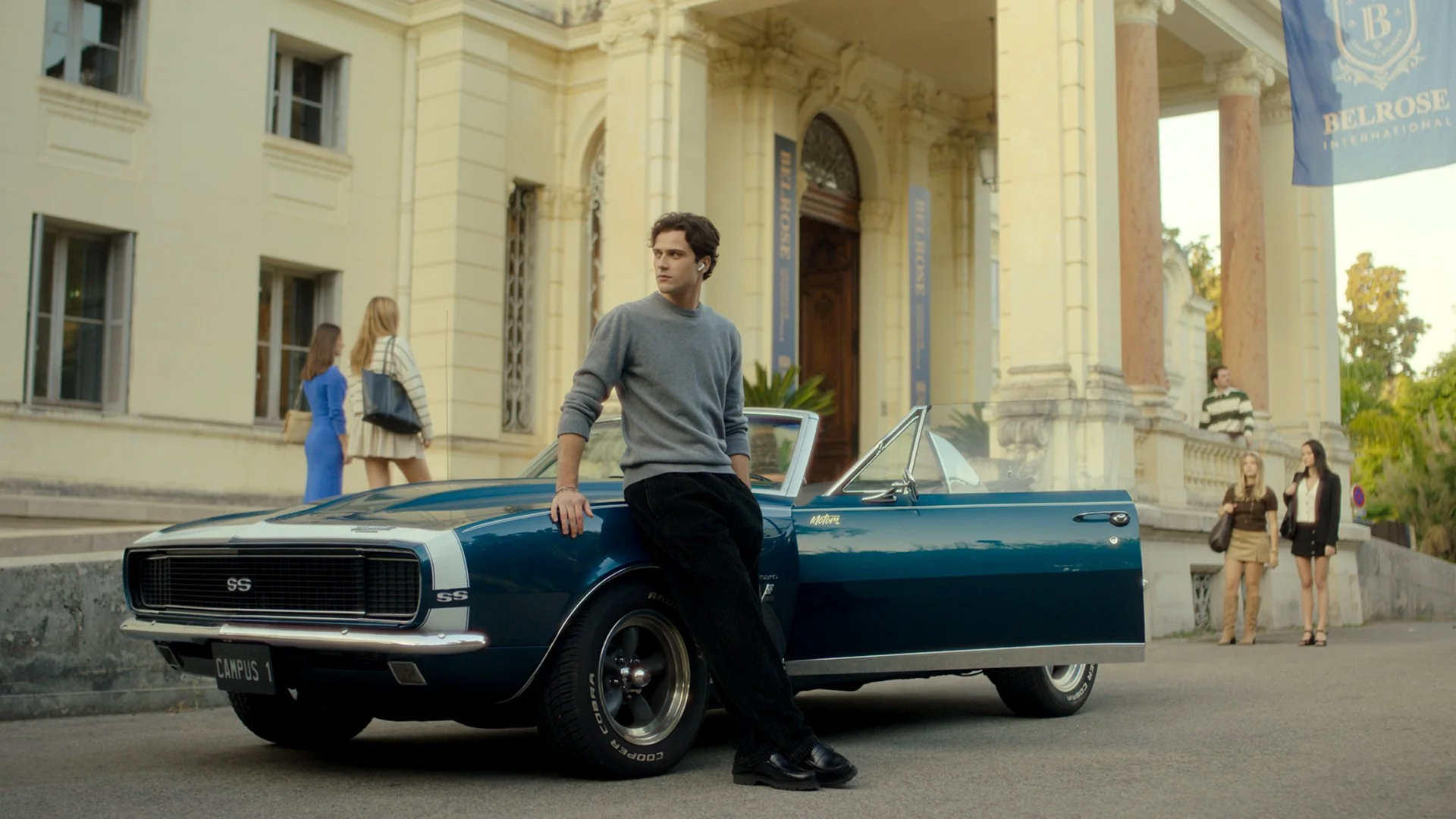
One of the more effective choices made by the adaptation is how it handles the wider friendship circle. While the season remains focused on Loïs and Lane, significant effort is made to establish the people around them as more than background decoration. Friends are given enough personality, screen time, and interpersonal dynamics to make the university feel inhabited by actual people rather than existing solely to support the central romance. This broader focus helps create a richer world and lays the groundwork for future stories without distracting from the season's primary narrative.
The setting also does a considerable amount of heavy lifting. Although the story revolves around university students, there is very little of the drab, fluorescent-lit campus environment often associated with college dramas. Instead, the French Riviera provides a stunning backdrop. Sunlight floods almost every scene. The locations feel warm, aspirational, and constantly inviting. The result is a series that often feels luxurious despite telling a relatively straightforward story. There is an undeniable fantasy element to the setting, but one that complements the heightened romantic atmosphere rather than undermining it.
The cinematography leans heavily into that visual appeal. Bright colours, sharp imagery, and sweeping location shots give the series a polished appearance throughout. Even routine scenes benefit from the production's commitment to making the world feel vibrant and attractive. The directors make particularly good use of movement during sequences involving the Campus Drivers app itself, creating a youthful energy that reflects the fast-paced social environment the characters inhabit. While the ride-share concept gradually becomes less important than the relationship drama unfolding around it, it provides a unique enough foundation to help distinguish the series from similar romances.
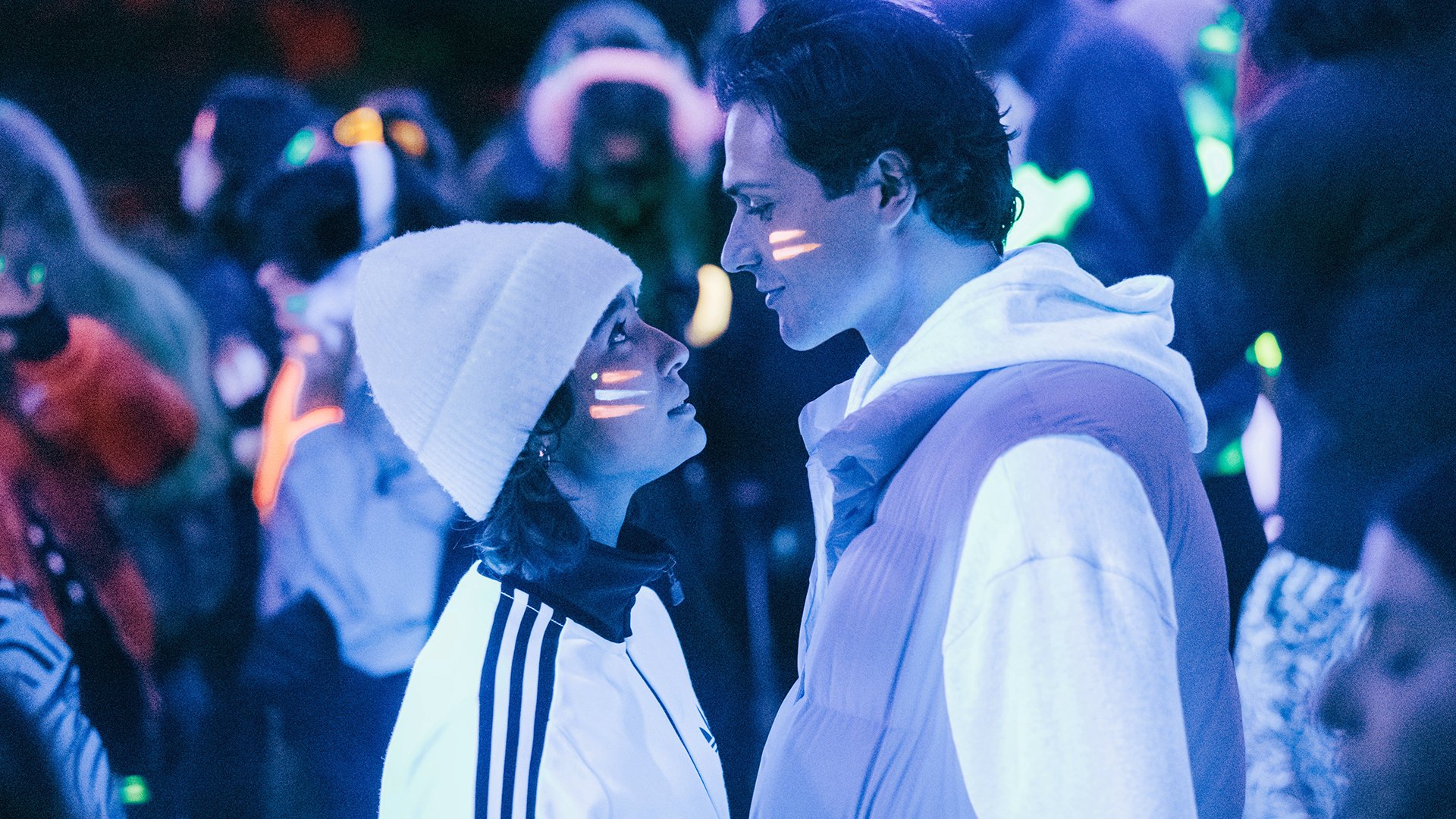
Not surprisingly, the relationship eventually becomes the primary focus. The mechanics of the app fade into the background, replaced by increasingly personal conflicts, emotional baggage, and romantic tension. For some viewers, this may feel like a missed opportunity. The title suggests a stronger focus on the business and community surrounding Campus Drivers itself, but the show is ultimately far more interested in relationships than entrepreneurship. Fortunately, that shift works because the central romance remains engaging enough to sustain attention.
That does not mean every dramatic development lands perfectly. Like many stories built around a slow-burning relationship, Campus Drivers occasionally relies on misunderstandings and poor communication to generate conflict. There are moments where problems could be solved within minutes if the characters simply sat down and talked openly. Yet this frustration largely comes from investment rather than poor writing. The audience becomes attached enough to the characters that every setback feels significant, even when those setbacks are self-inflicted.
The romance itself is handled confidently. The series is clearly aimed at an older young adult audience, and it is unafraid to lean into the attraction between its leads. What works best is not necessarily the intimacy itself, but the build-up. Lingering glances, awkward silences, playful arguments, and steadily escalating tension create a sense of anticipation that often proves more effective than the moments of resolution. Kassovitz and Masseline appear entirely comfortable sharing the screen, which allows the relationship to feel natural even when the surrounding drama occasionally feels heightened.

The concise episode count also works in the show's favour. At six episodes, Campus Drivers avoids many of the pacing issues that plague longer romance series. The story moves quickly enough to remain engaging without feeling rushed. There is very little filler, and most scenes contribute either to character development or relationship progression. The only notable misstep comes right at the end. The season reaches a satisfying conclusion, only to immediately introduce material clearly designed to set up future episodes. Rather than enhancing anticipation, it slightly diminishes the sense of closure the preceding scenes had earned. The story had already landed its emotional payoff. The tease for what comes next would likely have been more effective as the opening chapter of a second season rather than an unnecessary epilogue.
Despite that minor frustration, Campus Drivers succeeds at exactly what it sets out to do. It is charming, romantic, visually appealing, and highly addictive. The story leans heavily into familiar genre conventions, but strong chemistry, a gorgeous setting, and a cast that is easy to invest in ensure those conventions rarely feel tired. It may not change anyone's mind about New Adult romance, but for audiences who already enjoy stories built around emotional tension, forced proximity, and romantic frustration, Campus Drivers delivers an enjoyable escape that is very easy to watch in a single sitting.
Campus Drivers is streaming globally from Friday, November 6 on Prime Video.
Review written by Alex Moulton
