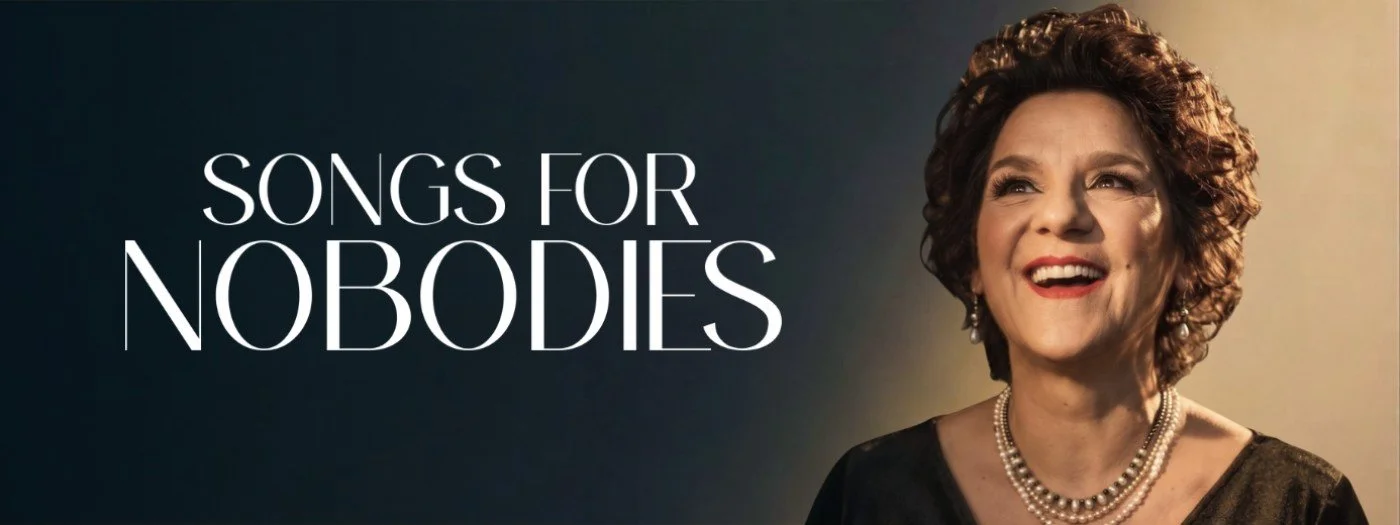
Photo credit: Andi Crown
Songs For Nobodies is presented by Figment Productions with Q Season Support
Performed by the award-winning Jackie Clarke, accompanied by Penny Dodd and Directed by Jennifer Ward-Lealand: this multi-rolling tour de force features the most legendary singers of all time.
Songs for Nobodies is the kind of theatrical challenge that looks deceptively simple on paper. One performer, one musician, a modest set, and a collection of imagined encounters between ordinary women and some of the most celebrated singers of the twentieth century. Yet Joanna Murray-Smith’s play asks far more of its performers than many larger productions ever would. In this production, Jackie Clarke rises to that challenge magnificently, delivering a performance that is equal parts concert, character study, and emotional exploration of what connects people across vastly different lives.
The premise centres on five everyday women whose paths briefly cross with musical legends Judy Garland, Patsy Cline, Edith Piaf, Billie Holiday, and Maria Callas. These encounters are fictional, but they are built around the very real cultural footprints left by these artists. Rather than presenting straightforward biographical snapshots, the work examines the ways extraordinary people can unexpectedly shape the lives of those who consider themselves entirely unremarkable. In doing so, it blurs the line between celebrity and anonymity, asking whether fame truly delivers the fulfilment so many imagine it does.
The structure takes a little time to settle into. The production unfolds as a series of separate stories rather than one continuous narrative, and initially the transitions between characters can feel somewhat ambiguous. With no costume changes and minimal visual signposting, the audience must rely heavily on shifts in voice, posture, language, and lighting to understand that a new chapter has begun. Early on, it is easy to assume one character's story will carry through the entire performance. Once the format becomes clear, however, everything clicks into place. The episodic nature of the work begins to feel less like a hurdle and more like a deliberate storytelling choice, allowing each woman and each musical icon room to breathe.
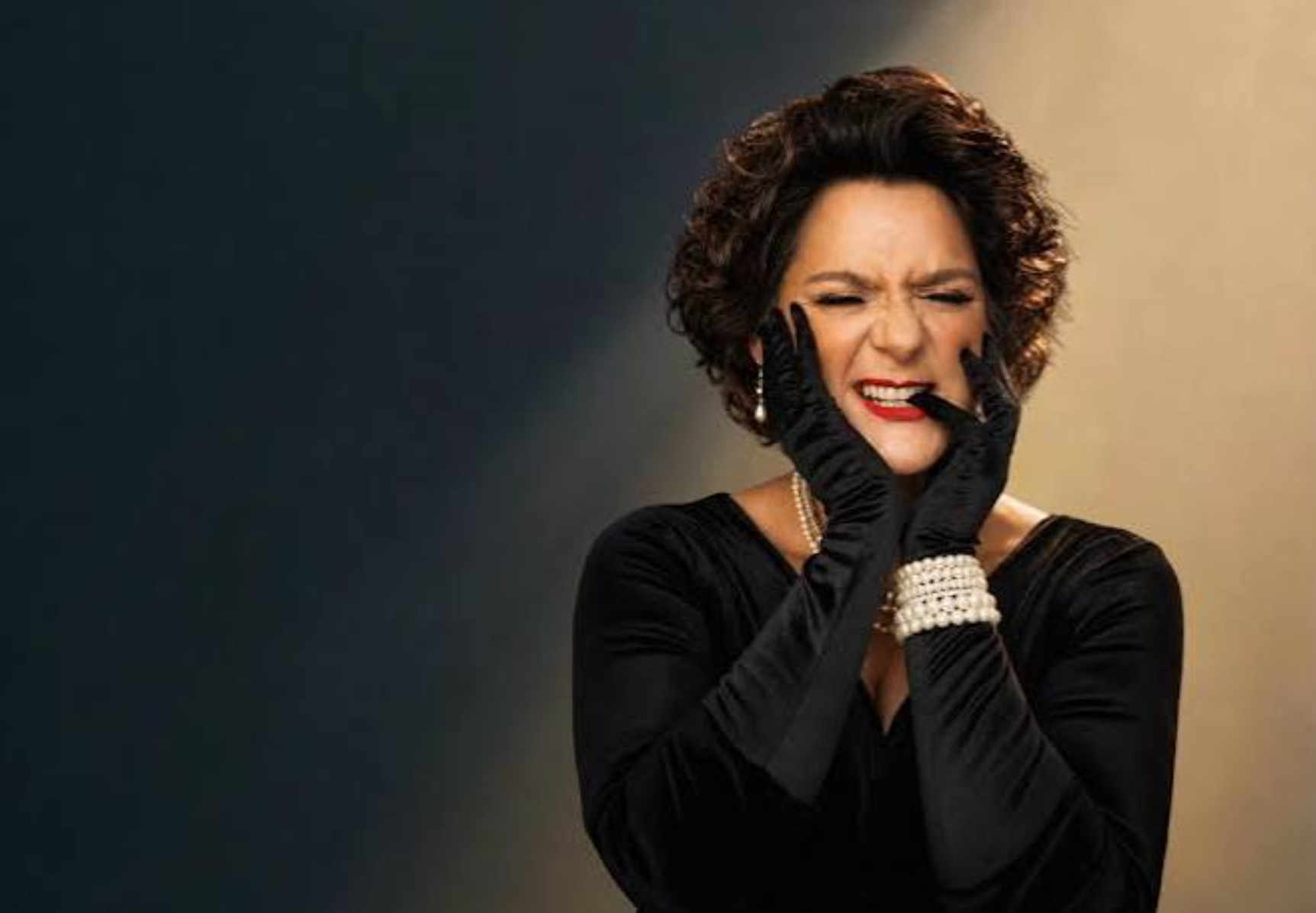
That clarity relies almost entirely on Jackie Clarke's ability to distinguish ten different personalities, and her work here is nothing short of remarkable. Playing both the five ordinary women and the five legendary singers, she creates fully realised individuals who never blur together. A slight adjustment in stance, a change in rhythm, a subtle shift in expression, and suddenly an entirely different person stands before the audience. It is a masterclass in characterisation that extends far beyond accents alone.
What makes Clarke's performance particularly impressive is that she never allows the famous figures to become caricatures. There is a temptation in material like this to lean heavily into impersonation, inviting audiences to admire how accurately a performer can copy a well-known voice or mannerism. Clarke wisely avoids that trap. While the essence of each singer is recognisable, these portrayals feel rooted in emotional truth rather than imitation. The result is that the women emerge as people first and icons second.
Vocally, the production provides an enormous test. The musical styles represented here span country, jazz, opera, French chanson, and classic popular standards. Finding a performer capable of navigating such dramatically different genres with credibility is no small feat. Clarke meets the challenge with confidence, moving between styles while maintaining a strong sense of authenticity. Each song feels shaped by the performer whose music inspired it, yet filtered through Clarke's own artistry.
Several musical moments leave a lasting impression. Her interpretation of the material associated with Patsy Cline captures both warmth and vulnerability, while the selections connected to Edith Piaf possess a stirring emotional intensity. The production reaches some of its most powerful moments during the darker chapters, particularly when exploring the loneliness, pain, and personal struggles hidden beneath public acclaim. These songs are delivered with sensitivity and restraint, allowing their emotional weight to land naturally rather than feeling manipulated.
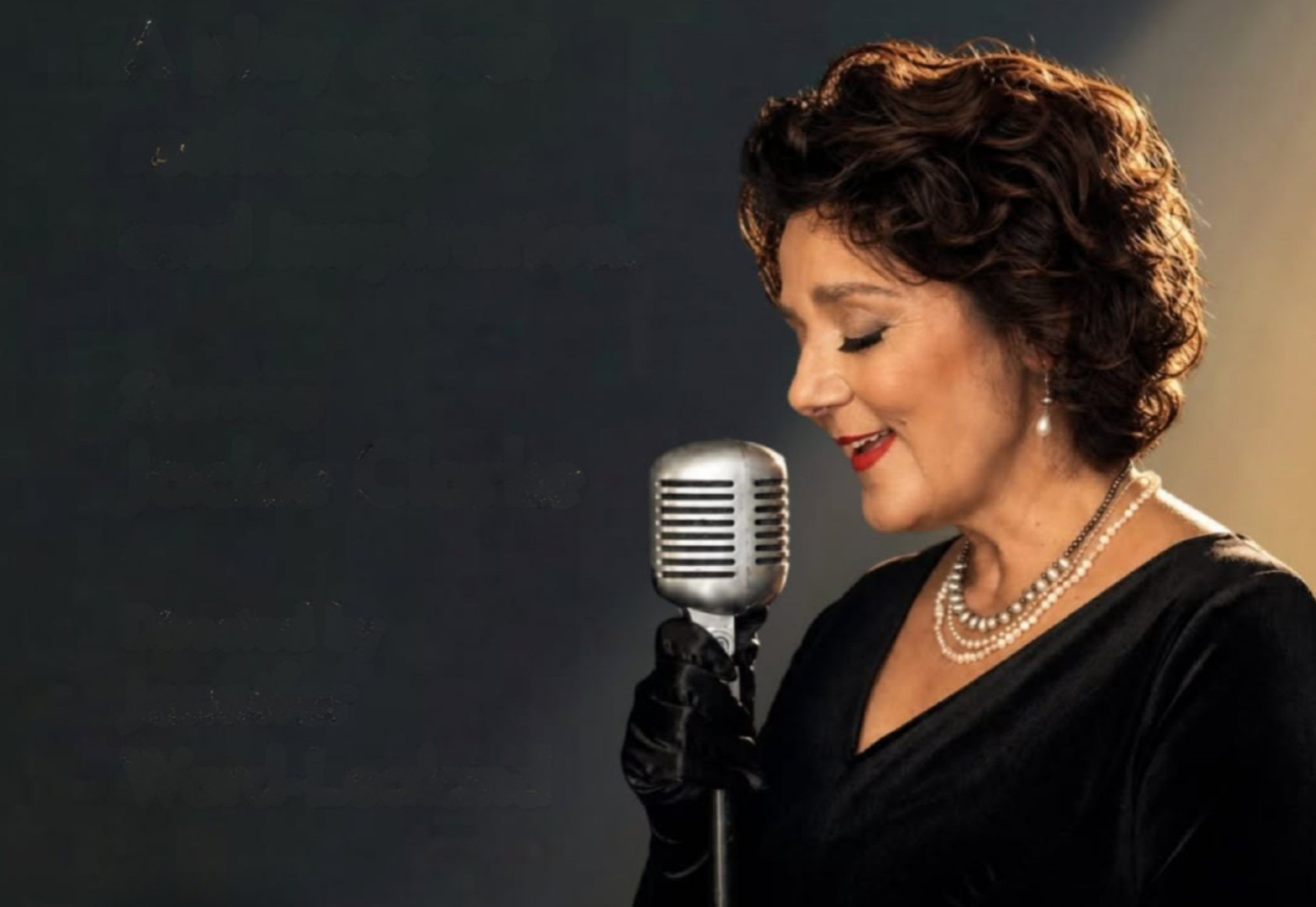
Particularly striking is the way the production balances humour alongside those heavier themes. Many of the ordinary women tell their stories with a sharp wit that frequently draws laughter from the audience. Clarke demonstrates excellent comic timing throughout, finding levity in everyday frustrations and awkward situations without undermining the emotional core of the material. The humour becomes an important reminder that these characters are not simply vehicles for larger themes. They feel like complete people whose joys, regrets, insecurities, and aspirations are instantly recognisable.
Underlying all five stories is a recurring examination of happiness and human connection. The women who encounter these legendary performers often view them with reverence, imagining lives of glamour, success, and fulfilment. Yet the closer these stories get to the icons themselves, the more complicated that image becomes. Despite their talent and renown, each famous figure carries her own burdens, disappointments, and loneliness. The contrast between those who seemingly have everything and those who feel they have very little becomes one of the production's most compelling ideas.
That thematic thread gives the work a surprising emotional depth. At first glance, Songs for Nobodies could easily be mistaken for a light musical celebration of famous singers. Instead, it becomes a reflection on shared humanity. Whether someone is performing for thousands or quietly navigating an ordinary life, the same needs remain present: connection, purpose, recognition, and love. The play repeatedly suggests that fame may amplify a person's visibility, but it does not necessarily ease the struggles that come with being human.
The production's design embraces simplicity. A grand piano, a microphone stand, several chairs, and a warmly lit performance space provide all that is required. Surrounded by a ring of glowing bulbs and framed by elegant drapery, the stage evokes the atmosphere of a cabaret while remaining flexible enough to accommodate each story's changing locations. The minimalist approach proves effective because it never competes with the performers. Instead, it creates an inviting canvas upon which the characters can emerge.
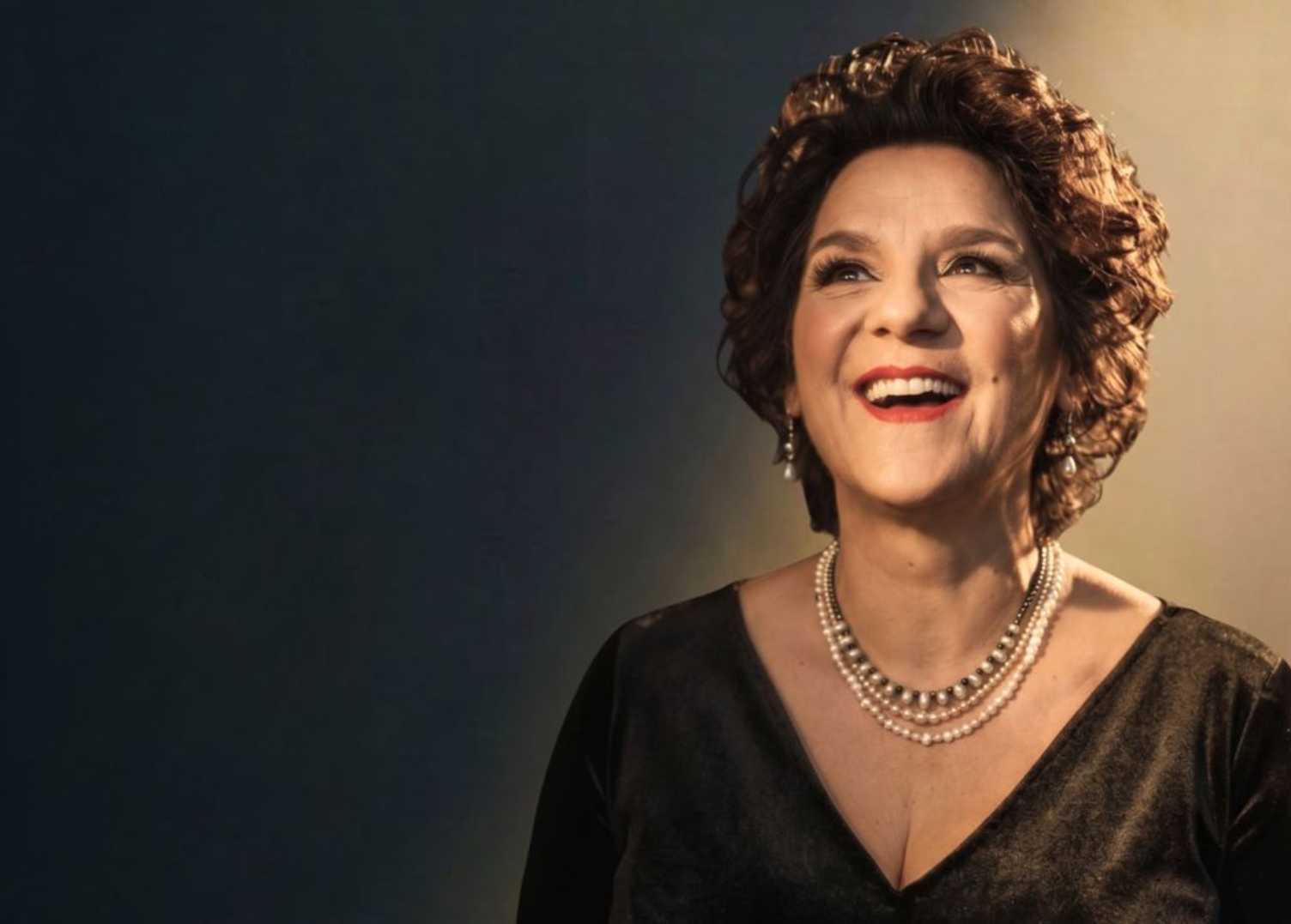
Penny Dodd's live accompaniment is equally important to the show's success. Her piano work provides both musical richness and dramatic support, helping bridge transitions and adding texture to the storytelling. The partnership between performer and musician feels effortless throughout, with Dodd providing a constant presence that elevates every musical number.
If the production has one notable limitation, it lies in the audience's familiarity with the artists being portrayed. These singers reached the height of their fame decades ago, and younger theatre-goers may not arrive with the same cultural connection to their music or histories. Fortunately, the strength of the storytelling ensures that prior knowledge is not essential. The emotional journeys remain engaging regardless of how well one knows the catalogue of Judy Garland or Maria Callas.
Ultimately, Songs for Nobodies succeeds because it never forgets that its title works both ways. While the famous names may draw audiences in, the heart of the piece belongs to the ordinary women whose lives briefly intersect with greatness. Through superb acting, exceptional vocal work, and a keen understanding of the humanity shared by both celebrities and everyday people, Jackie Clarke carries the production with warmth, humour, and remarkable skill. It is an ambitious theatrical balancing act executed with precision, proving that sometimes a single performer and a piano are all that is needed to hold an audience completely captivated.
Songs for Nobodies is being performed at Q Theatre from 28 Oct - 1 Nov 2026. Purchase tickets here.
Review written by Alex Moulton
