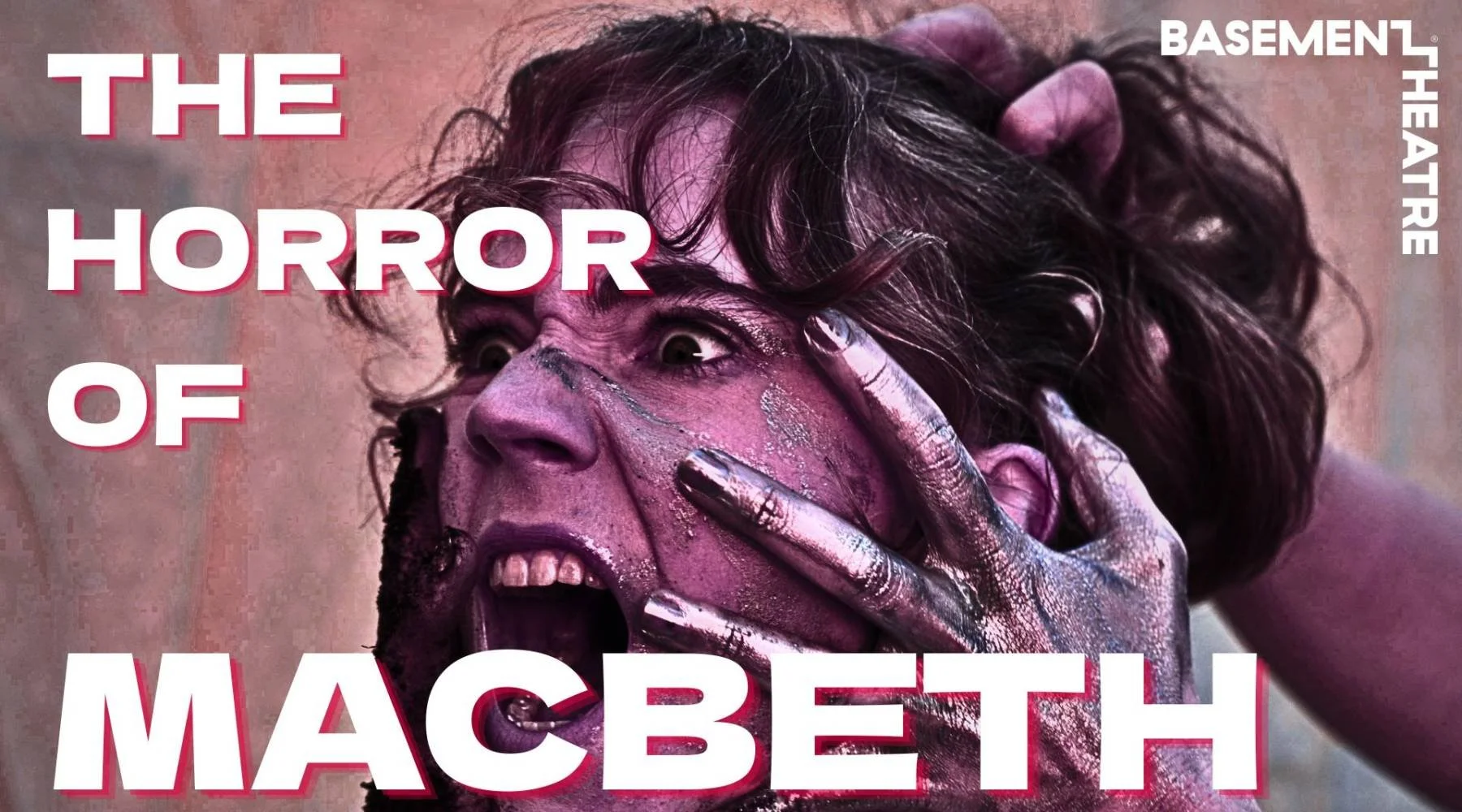
Scotland, 1052. Flames lick high into the pitch-black night while thunder and lightning crashes bright. Witches cackle, dance, and call as ravens cry a carrion song. The cauldron bubbles and a plan is brewed to seek revenge on those who rule. All around the broken land, weird sisters dance hand in hand. To see the one they call to heed and follow through the blasphemous deed. The curtains part and lift the veil.
The Horror of Macbeth strips away the familiar grandeur often attached to Shakespeare's tragedy and replaces it with something far more unsettling. In this lean and fiercely focused reimagining from The Sundown Players, the story is no longer primarily concerned with the rise and fall of an ambitious ruler. Instead, it becomes a work steeped in supernatural influence, collective resistance, and the corrosive nature of power itself. Clocking in at a brisk 75 minutes without interval, the production pares Macbeth back to its bones and rebuilds it as an atmospheric piece of psychological and folk horror.
From the moment the audience enters Basement Theatre, it is clear that traditional staging is not the goal. Seating wraps around three sides of the performance space, creating an intimate environment where there is no single ideal vantage point. The configuration evokes the spirit of older theatrical traditions while ensuring the action remains fluid and immediate. Cast members move through every corner of the space, drawing the audience into the unfolding nightmare rather than presenting it at a comfortable distance.

Photo credit: @thesundownplayersnz
The production's minimalist approach proves one of its greatest strengths. Luka Hayward's set design is remarkably sparse, relying on little more than scattered branches, a central cauldron, and a collection of ritualistic props fashioned from natural materials. Crowns, weapons, and sceptres appear to have been assembled from sticks, bones, and remnants gathered from the forest floor. Combined with the extensive use of tartan throughout the costumes, the design grounds the production firmly within a distinctly Scottish identity while giving the world an almost pagan quality. Nothing feels decorative for its own sake. Every object appears purposeful, as though imbued with history, magic, or menace.
What truly distinguishes this adaptation, however, is its treatment of the witches. Rather than existing on the margins as prophetic figures who briefly set events in motion, the Weird Sisters become the beating heart of the production. Throughout the performance, Dani Nicholson, Jeri Langton, and Lucy Parsonson maintain an almost constant presence. Whether appearing openly as witches, slipping into the roles of servants and soldiers, or lurking unseen at the edges of scenes, the trio create a pervasive sense that unseen forces are manipulating every turn of events.
This choice occasionally creates moments where audiences must work to distinguish between characters, particularly when the witches rapidly transition between supernatural figures and supporting roles. Yet the ambiguity ultimately serves the production's central idea. By blurring these boundaries, the adaptation suggests that the witches are not simply individuals but manifestations of something much larger, woven into the very fabric of the world. Their influence hangs over every scene, creating a persistent sense of unease and transforming even familiar moments into something more sinister.
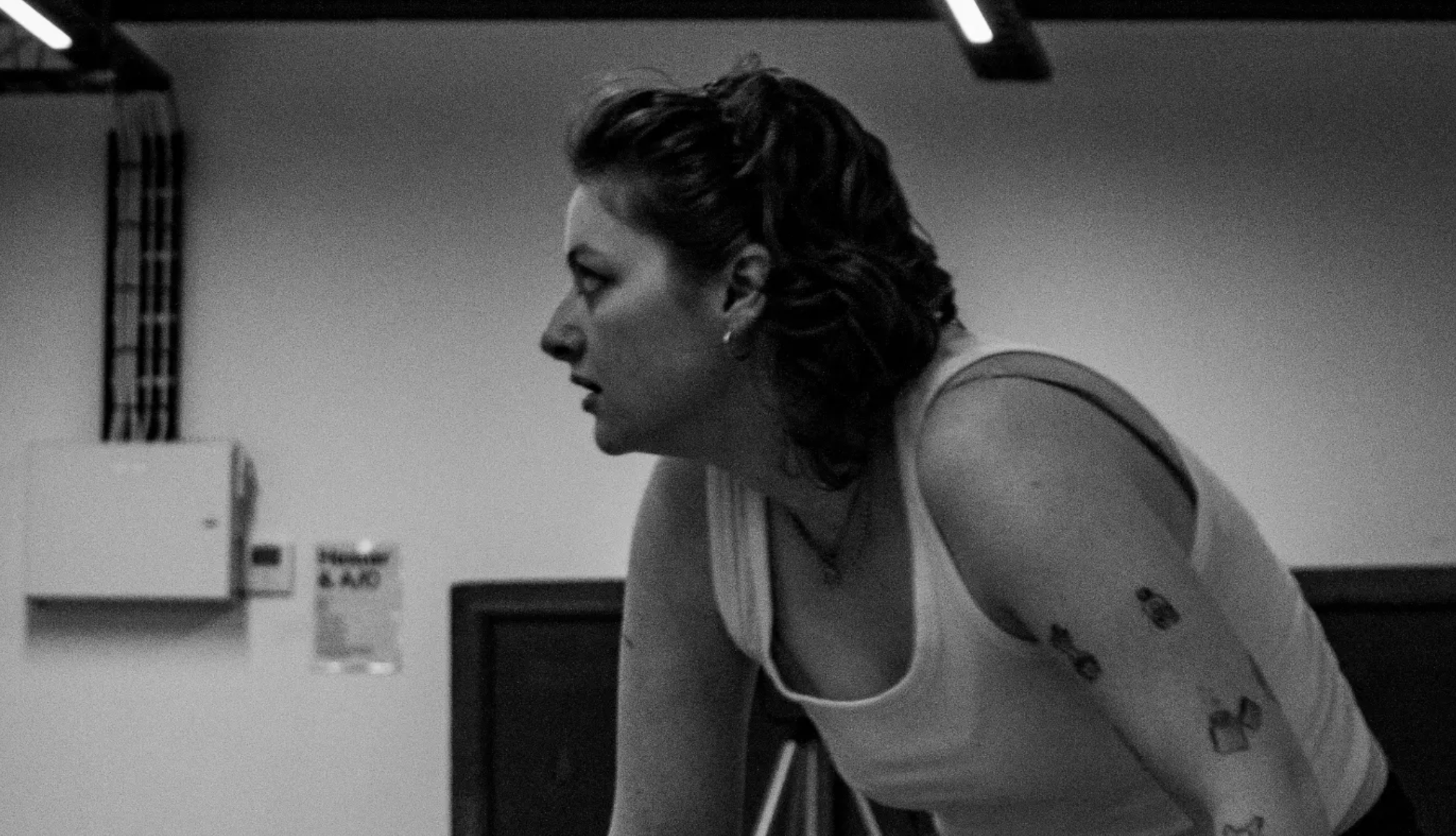
Photo credit: @thesundownplayersnz
The condensed script contributes significantly to this effect. With subplots removed and the narrative streamlined, the action unfolds with relentless momentum. There is little opportunity to pause and reflect before another catastrophe arrives. The result is a version of Macbeth that feels increasingly claustrophobic, trapping both audience and characters within an escalating cycle of prophecy, fear, and violence. Decisions that might otherwise seem rash become easier to accept because the production never allows the pressure to dissipate. The constant presence of the witches reinforces the feeling that every action, no matter how ill-advised, exists within a larger web of manipulation.
Jessica Bennett delivers a compelling central performance as Macbeth, charting the character's journey with clarity and conviction. Early confidence gradually gives way to paranoia and instability, yet the transition never feels abrupt. Strong vocal delivery ensures Shakespeare's language remains accessible even as events spiral further into darkness. Bennett successfully captures both the authority that initially commands respect and the growing turmoil that follows.
Laika Rountree's Lady Macbeth provides a powerful counterpart. This interpretation embraces the character's intensity and determination, presenting a figure driven by fierce conviction rather than simple ambition. The performance burns with passion from beginning to end and often dominates scenes through sheer force of presence. At times that intensity can overtake individual lines, but the emotional commitment remains undeniable and gives the character a volatile unpredictability.
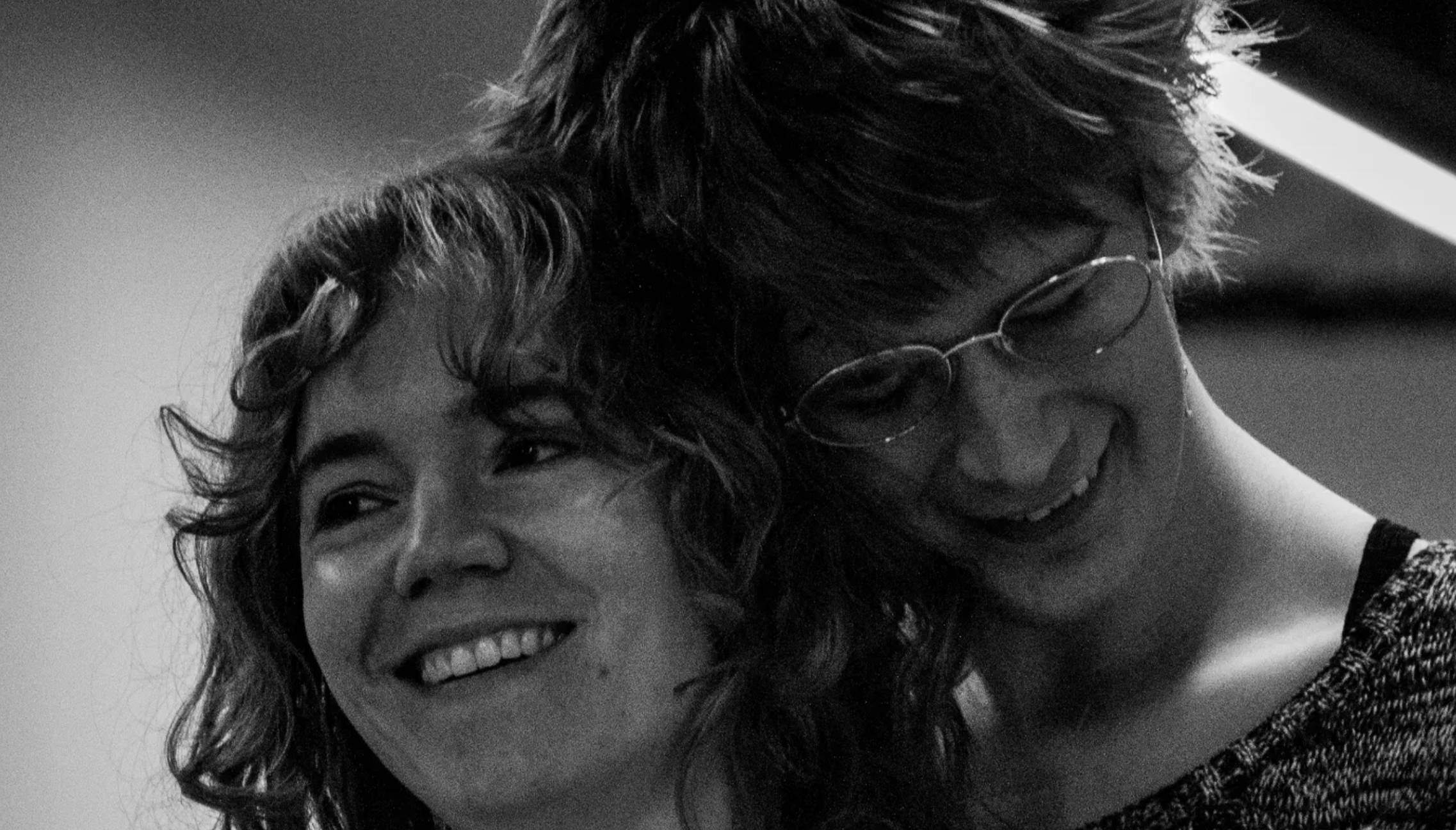
Photo credit: @thesundownplayersnz
Among an impressive ensemble, Jeri Langton emerges as the production's most magnetic performer. Appearing as the Second Witch, Langton demonstrates remarkable physical control and stage presence. Even during silent moments, attention is effortlessly drawn toward every movement and glance. There is a playful cruelty underlying the performance that perfectly complements the production's darker themes. Every appearance feels charged with mischief and threat, creating a character who is simultaneously entertaining and deeply unsettling. Whether participating directly in the action or observing from the periphery, Langton contributes enormously to the atmosphere of controlled chaos that defines the show.
The wider ensemble deserves significant praise for maintaining the production's pace and energy. With only eleven performers covering a large number of roles, clarity is essential, and the cast largely succeeds in ensuring transitions remain comprehensible. Kazim Khan, handling two major characters, navigates the challenge particularly well, aided by thoughtful costume design that helps clearly distinguish identities. Across the board, the company demonstrates impressive commitment, especially given the physical demands of a production that relies so heavily on movement and ensemble storytelling.
Another potential risk that pays off is the decision to employ Scottish accents throughout. It is a choice that could easily have become distracting, yet the cast handles the challenge admirably. Rather than feeling like a gimmick, the accents enhance the production's sense of place and complement the visual design. Combined with the recurring tartan motifs, the result is a version of Macbeth that feels unmistakably rooted in Scotland.
Photo credit: @thesundownplayersnz
Technically, the production punches above its weight. Tuesday Valentine's sound design creates an ever-present sense of tension beneath the action, while Rae Longshaw-Park's lighting work constantly reshapes the space. Particularly noteworthy is the implementation of a Pepper's Ghost illusion, an ambitious technical achievement that introduces genuinely eerie supernatural imagery without relying on modern digital effects. The illusion feels entirely appropriate within the production's aesthetic and adds another layer of wonder to an already atmospheric experience.
Perhaps most impressive is how confidently The Horror of Macbeth establishes its own identity. Rather than attempting to modernise Shakespeare through superficial updates, the production interrogates the play from a fresh angle and follows that interpretation to its logical conclusion. Power, influence, manipulation, and resistance become the driving concerns, while the witches emerge not merely as prophetic observers but as the embodiment of forces that exist beyond kings and crowns.
The result is a respectful yet imaginative adaptation that understands exactly what it wants to say. Tense, visually evocative, and anchored by a committed ensemble, The Horror of Macbeth demonstrates how even one of theatre's most familiar stories can still feel surprising when approached with a distinct vision. In just 75 minutes, The Sundown Players craft an engrossing descent into darkness that lingers long after the final moment fades from view.
The Horror of Macbeth is being performed at Auckland’s Basement Theatre from 27-31 October 2026. Purchase tickets here.
Review written by Alex Moulton.
