Based on the book TRUE BELIEVER, Season Two finds James Reece searching for a new purpose after finishing his list. But when the CIA corners him, Reece must clear his name by stopping a resurgent terrorist group that has turned an ally to their cause. In this globe-trotting espionage thriller, Reece will uncover a conspiracy that reaches from Moscow to Langley, even to his own family's history.
When The Terminal List first arrived, it thrived on a simple but effective premise. James Reece was a man driven by grief, betrayal and revenge, navigating a conspiracy that seemed impossible to comprehend until every piece finally fell into place. Season Two broadens that formula considerably. This is no longer a story about one man settling scores. Instead, it transforms into a sprawling espionage thriller that sends Reece into a world of intelligence agencies, international politics and shadowy figures operating several steps ahead of everyone else.
The result is a season that feels both larger in scale and more ambitious in scope, delivering the kind of globe-trotting intrigue that often brings to mind the biggest spy franchises on television. Conspiracies are once again stacked upon conspiracies, trust remains a rare commodity, and every answer only seems to create a dozen more questions. While the action remains a major selling point, the real surprise is how heavily the series now relies on its expanding mythology.
For anyone thinking they can jump straight into this chapter without watching what came before, that would be a mistake. Season Two does not behave like a fresh starting point. It assumes familiarity with the emotional scars of Season One and, perhaps more importantly, expects viewers to have spent time with the prequel, Dark Wolf. Much like the interconnected approach that helped define the Marvel Cinematic Universe, the growing Terminal List franchise rewards those who have followed every step of the journey. Character relationships, emotional baggage and lingering questions all carry significantly more weight when understood through the lens of the earlier stories.

Credit: Marni Grossman/Prime
That interconnected storytelling becomes one of the season's greatest strengths. Rather than endlessly reintroducing concepts or holding the audience's hand, the writing trusts viewers to remember the people and events that shaped James Reece into the man he has become. The payoff is a richer viewing experience where conversations feel loaded with history and even seemingly minor interactions can carry underlying tension.
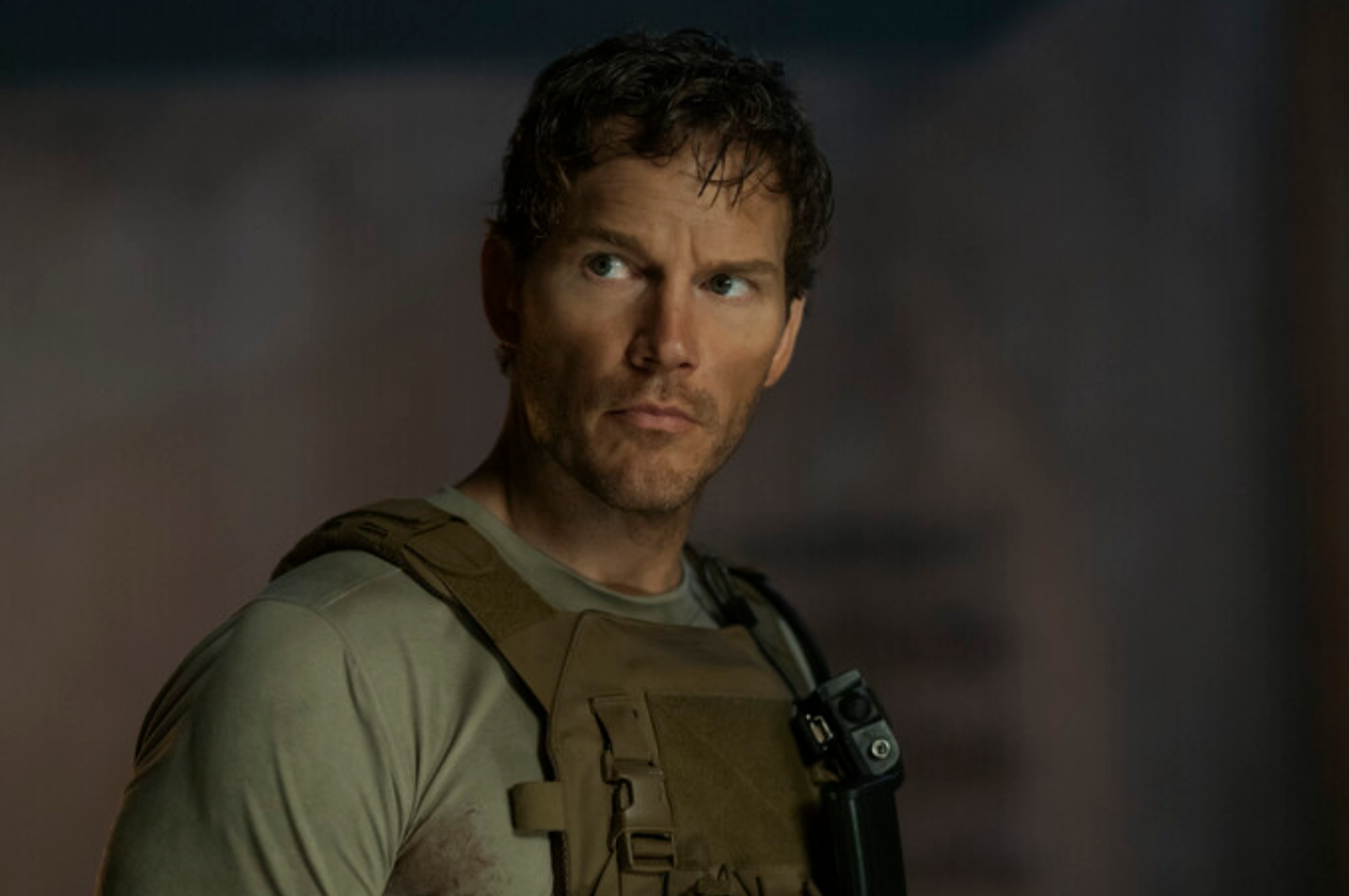
Chris Pratt once again proves that James Reece is one of the strongest performances of his career. While the first season often relied on raw emotion and righteous fury, this latest chapter allows Pratt to explore a more calculated version of the character. Reece remains dangerous, but he is no longer charging headfirst into every situation. He has learned difficult lessons, and that growth is reflected in the way he approaches the increasingly complex challenges placed before him.
Pratt anchors the season effectively, keeping Reece compelling even when the plot becomes extraordinarily dense. He continues to balance the character's military precision with a quiet emotional exhaustion that reminds us of everything he has lost. It is a performance built less on speeches and dramatic declarations than on small moments of observation, restraint and suspicion.

Credit: Marni Grossman/Prime
Returning cast members Constance Wu and Tom Hopper also benefit from the show's expanded scope. Familiar faces feel naturally integrated into the story rather than simply returning for the sake of continuity, while several newcomers add fresh energy to the evolving narrative. The larger ensemble occasionally creates a lot of names and allegiances to keep track of, but the performances do enough heavy lifting to ensure the audience remains invested.
Where Season Two truly excels is in its atmosphere of uncertainty. Nobody feels entirely trustworthy. Even moments of apparent clarity are quickly clouded by new revelations, conflicting agendas or information that refuses to neatly fit together. The series understands that paranoia can be just as effective as gunfire, and it spends considerable time cultivating a sense that danger is lurking far beyond the visible battlefield.
Fortunately, the action remains every bit as sharp as fans would hope. While the first season largely focused on brutal direct confrontation, this chapter embraces more covert and strategic encounters. Reece often finds himself operating in environments where drawing attention is not an option, leading to sequences that prioritise patience, deception and precision. The change keeps the action feeling fresh while remaining consistent with the character's background.

Credit: Marni Grossman/Prime
The commitment to practical filmmaking elevates these moments considerably. In an era where many action productions disappear beneath layers of visual effects, The Terminal List retains a tangible physicality. Whether characters are navigating crowded city streets, isolated wilderness environments or hostile foreign territory, the locations feel authentic and lived in. The production's extensive international filming pays off handsomely, giving the series a cinematic quality that often rivals big-screen thrillers.
That authenticity extends beyond the visuals. The franchise has always prided itself on military realism, and Season Two continues that tradition. Tactics, movement and operational decision-making carry a level of detail that helps separate the show from more generic action fare. The involvement of military veterans behind the scenes remains evident throughout, lending credibility to situations that could easily have felt exaggerated in less capable hands.
The soundtrack also deserves recognition. Rather than relying heavily on modern electronic scoring, the season embraces a blend of orchestral tension, regional musical influences and carefully selected rock tracks. The music frequently enhances both the scale and intensity of the story, helping establish distinct moods as the narrative moves between countries, cultures and missions. It contributes significantly to the sense that Reece's world has expanded far beyond the domestic focus of the original season.
Credit: Marni Grossman/Prime
If there is one area where the season may divide audiences, it is the sheer density of its narrative. This is not a series designed for passive viewing. Names, organisations, alliances and betrayals accumulate quickly, and viewers who are not paying close attention may find themselves struggling to keep up. Some plot threads take time to fully develop, and the show's confidence in its audience occasionally borders on demanding.
Still, that complexity is also what makes the season rewarding. The writers are clearly interested in building something larger than a straightforward action vehicle, and while the mythology occasionally threatens to overshadow the human drama, the balance largely holds. The deeper the conspiracy becomes, the more compelling it is to watch Reece navigate a world where certainty is almost impossible to find.
Season Two successfully evolves The Terminal List from a revenge thriller into a full-blown espionage saga. It delivers impressive action, strong performances and enough twists to keep viewers questioning every alliance and motive. More importantly, it demonstrates that this franchise has ambitions far beyond its original premise.
Those expecting another simple mission-driven action story may be surprised by just how much lore and continuity underpin this latest chapter. For viewers willing to invest in the larger world, however, the payoff is substantial. The conspiracies are bigger, the stakes are higher, and the shadows surrounding James Reece have never felt more dangerous. As the franchise continues to expand, Season Two proves there is still plenty of fuel left in the tank.
The Terminal List Season 2, starring Chris Pratt, comes to Prime Video on October 21.
Review written by Alex Moulton
