Set in 1993, estranged Street Fighters Ryu and Ken Masters are thrown back into combat when the mysterious Chun-Li recruits them for the next World Warrior Tournament: a brutal clash of fists, fate, and fury. But behind this battle royale lies a deadly conspiracy that forces them to face off against each other and the demons of their past. And if they don’t, it’s GAME OVER!
For a franchise built on impossible kicks, fireballs, spinning attacks and larger-than-life rivalries, Street Fighter had one job: entertain. Thankfully, director Kitao Sakurai understands exactly what fans want from this property and delivers a film that fully embraces its arcade roots while functioning as a genuinely enjoyable blockbuster in its own right. Loud, funny, stylish and packed with spectacular martial arts action, this is the rare video game adaptation that feels like it was made by people who genuinely love the source material.
The story follows estranged friends and legendary fighters Ryu and Ken Masters, played by Andrew Koji and Noah Centineo. When Interpol agent Chun-Li recruits them for the World Warrior Tournament, they become entangled in a sinister scheme orchestrated by the ruthless M. Bison. As the conspiracy grows, so does the scale of the conflict, eventually bringing together a roster of fan-favourite fighters from across the Street Fighter universe.
Right from the opening moments, the film signals that it understands its audience. Rather than immediately jumping into live action, it begins with an anime sequence that feels like a love letter to the franchise's history. What could have been a one-off gimmick instead becomes a recurring visual device throughout the film, with animated elements reappearing at key moments. Every time the film shifted back into that style, it brought a smile to my face. It creates a clever connection between the games and the film adaptation, allowing Sakurai to embrace the franchise's roots without sacrificing the scale and spectacle of live-action filmmaking.
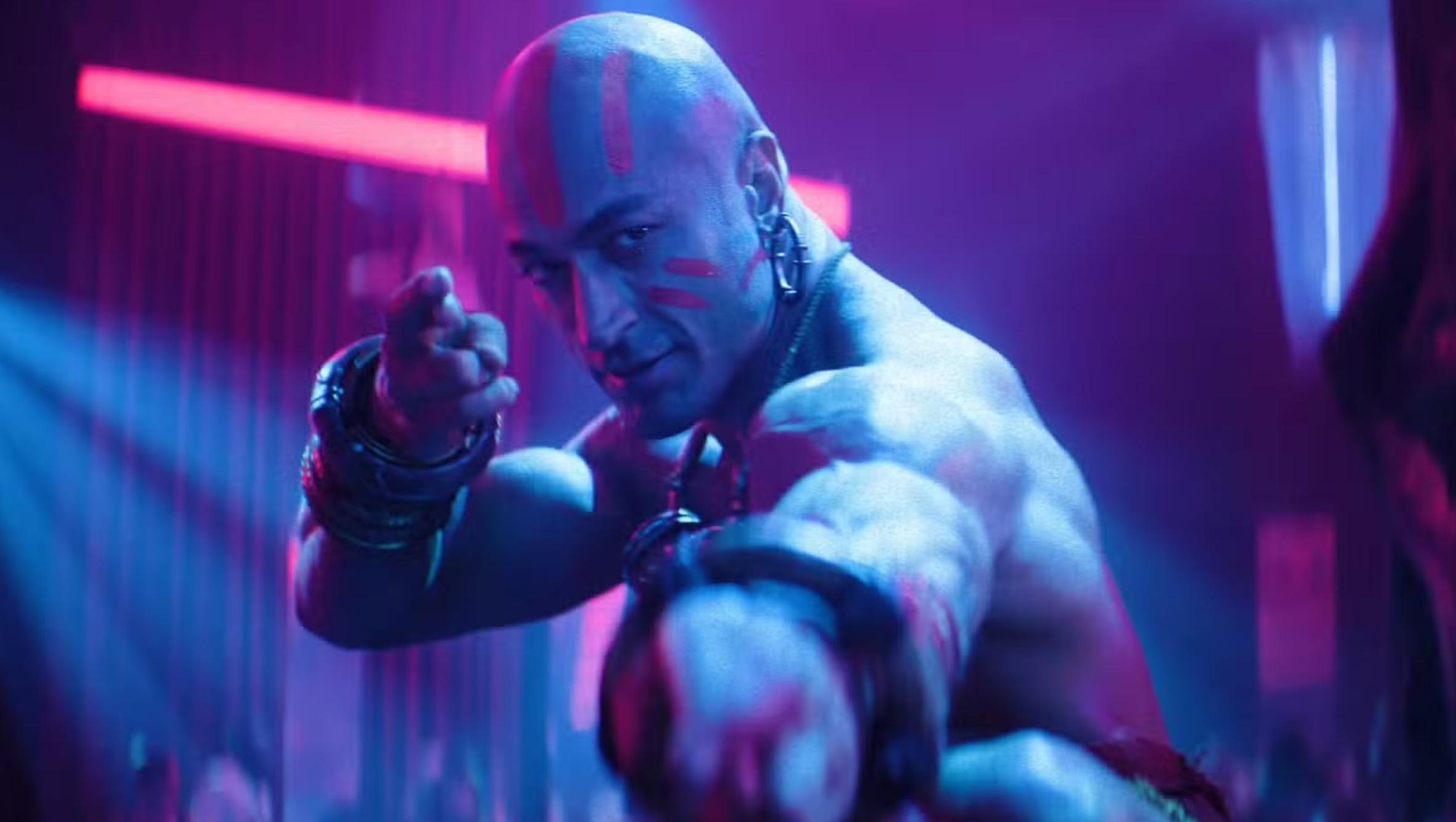
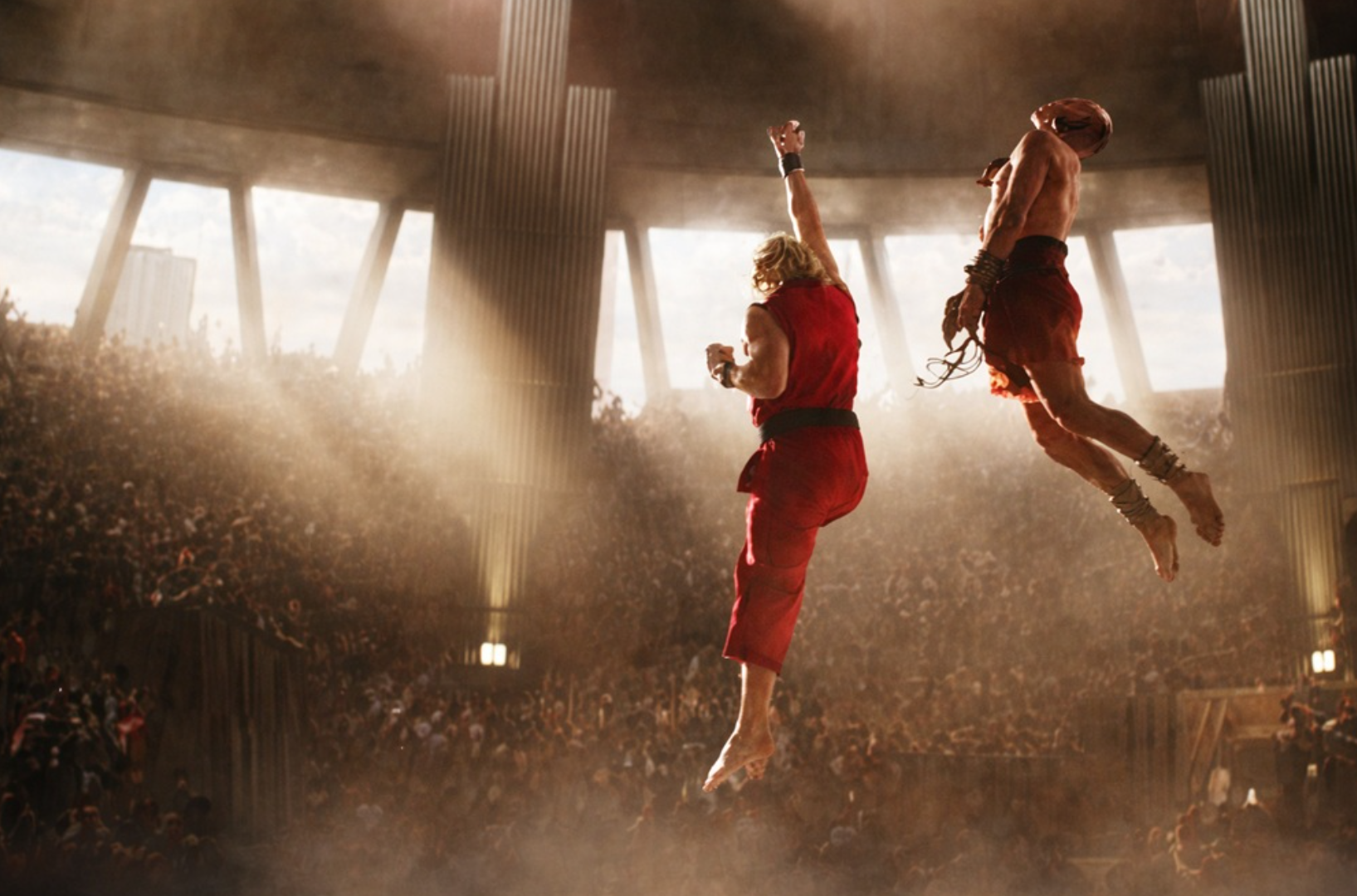
The action is where Street Fighter truly shines. From the opening act onwards, the film rarely goes more than a few minutes without delivering another fight, and remarkably, the quality remains consistently high throughout. The choreography strikes a satisfying balance between grounded martial arts and the exaggerated energy fans expect from these characters. Every punch, kick and special move lands with impact, and the filmmakers make smart use of slow-motion effects during the most significant moments, briefly stretching out time before snapping back to full speed. The result creates an exhilarating rhythm that keeps the audience engaged and makes every major hit feel massive.
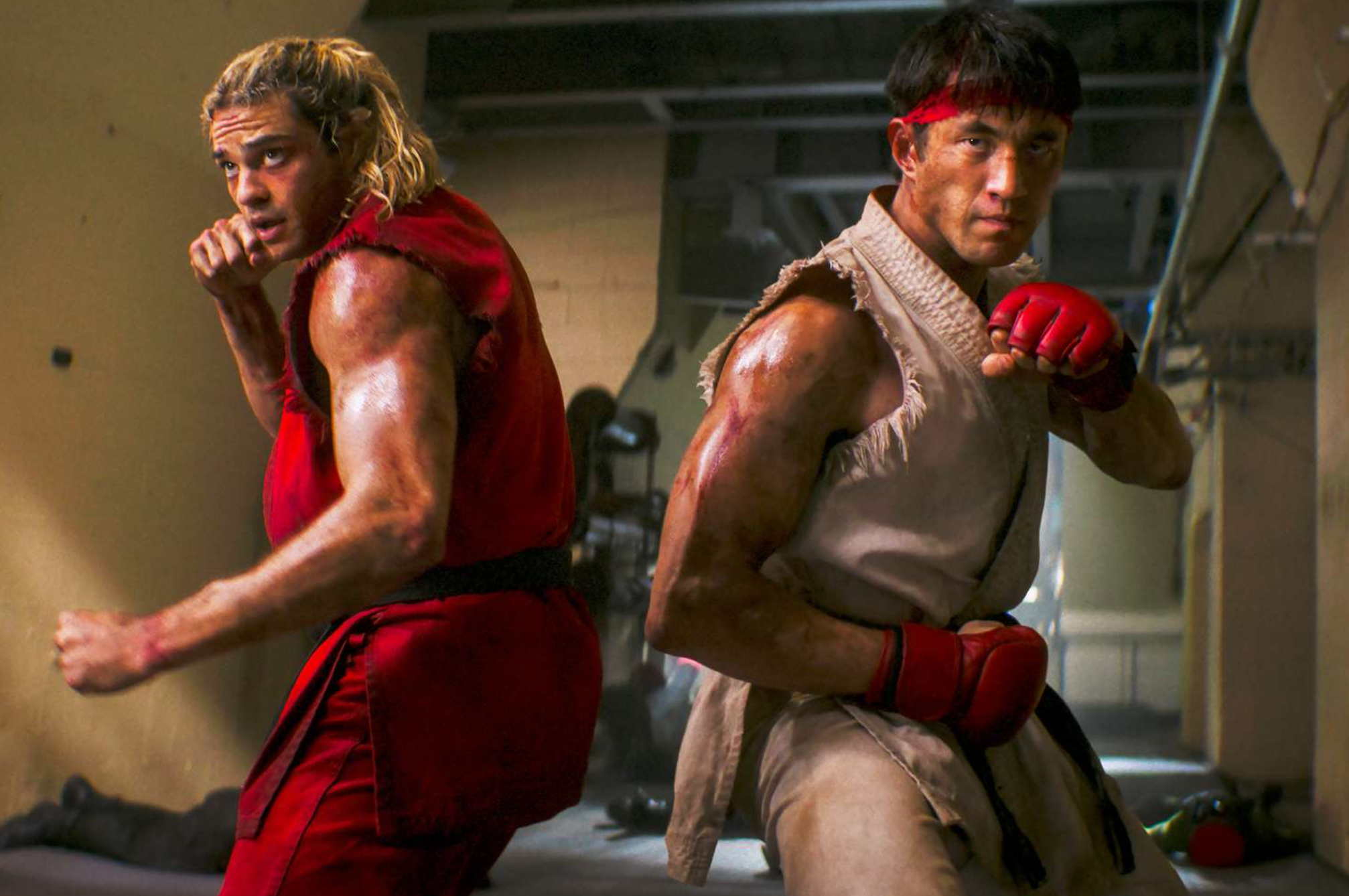
Watching these sequences in IMAX only amplifies their effectiveness. The format gives the action room to breathe while highlighting the physicality of the performers. This is a cast that clearly committed to looking and moving like world-class fighters. Across the board, the characters look as if they have stepped straight out of the games, with impressive physiques, distinctive costumes and recognisable fighting styles helping bring these icons to life.
At the heart of the film are Ryu, Ken and Chun-Li, and all three emerge as compelling leads. Koji gives Ryu a focused, disciplined presence that feels faithful to the character's longtime depiction, while Centineo injects Ken with confidence, charisma and just enough swagger to make him an effective counterpart. Callina Liang also impresses as Chun-Li, balancing determination and strength while remaining one of the film's most engaging characters.
Among the supporting cast, Vidyut Jammwal is a standout as Dhalsim. Making his Hollywood debut, Jammwal immediately proves why martial arts fans have been eager to see him break into a larger international production. His fight scenes are among the film's best, and he brings a quiet authority to the role that elevates every appearance. David Dastmalchian also makes for a memorable M. Bison. Rather than simply playing the character as a cartoon villain, he finds a balance between menace and theatricality that suits the material perfectly.
Elsewhere, the film has plenty of fun introducing its wider roster. Jason Momoa throws himself wholeheartedly into Blanka, Olivier Richters is an imposing Zangief, Mel Jarnson brings intensity to Cammy, Orville Peck delivers plenty of flair as Vega, and Cody Rhodes looks like he was born to play Guile. Joe Anoa'i's appearance as Akuma will undoubtedly excite longtime fans, while 50 Cent's turn as Balrog ends up being one of the film's most unexpectedly enjoyable additions.
In fact, Balrog provides one of my favourite moments in the entire movie. His introduction drew one of the biggest reactions from the audience at my screening, helped enormously by a soundtrack choice that perfectly matches the film's confident energy. It is exactly the sort of crowd-pleasing sequence that Street Fighter excels at throughout its running time.
That sense of fun extends beyond the action. Despite featuring world-threatening stakes and larger-than-life villains, the film never forgets to be entertaining. There's a strong comedic streak running through the entire story, and it lands surprisingly often. The humour doesn't undermine the action or drama, but instead helps maintain the playful spirit that has always been an important part of the franchise. Judging by the laughter throughout my screening, I wasn't the only one enjoying the jokes.

Another area where the film excels is its soundtrack. Quite simply, the music is fantastic. Every major character seems to have their own distinct musical identity, helping them stand out in an already crowded roster. The soundtrack combines licensed tracks with a score that expertly reimagines themes from the games, creating something that feels both nostalgic and fresh.
The licensed selections inject the film with personality and energy, while the score by Leo Birenberg and Zach Robinson elevates many of the action scenes to another level. Longtime fans will appreciate the new interpretations of familiar themes, particularly the cinematic reworking of Guile's iconic music. The score consistently understands when to celebrate nostalgia and when to push the film forward as its own standalone experience.
For all its strengths, there are a few minor shortcomings. Although the story is set in 1993, I never fully felt that period setting onscreen. Outside of some musical choices and occasional references, the world doesn't particularly capture the look or atmosphere of the era. It's hardly a dealbreaker, but it stood out enough to notice.
There were also a couple of matchups I hoped to see that never quite materialised. Given the film's focus on Ryu and Ken, I found myself wishing for a larger showcase of their rivalry. However, the further the story progresses, the clearer it becomes that this film is intended as the opening chapter of something much bigger. By the time the credits roll, the groundwork has been laid for future entries, and the franchise's larger universe feels poised to expand significantly.
Ultimately, Street Fighter succeeds because it understands exactly what made people fall in love with these characters in the first place. It embraces the absurdity, the style, the humour and the spectacle without ever feeling embarrassed by its video game origins. The action is outstanding, the cast is highly committed, the music is infectious, and the affection for the source material shines through in nearly every scene. Most importantly, it captures the feeling of playing Street Fighter: exciting, energetic and impossible not to enjoy.
By the end, I didn't just want a sequel. I wanted to turn around, walk back into the cinema and watch the whole thing again. That's about as strong an endorsement as I can give.
Street Fighter is in NZ cinemas from October 15, 2026. Find your nearest screening here
Review written by Ash Singh
Edited by Alex Moulton
