Presented as part of the Day One Shorts Collection 2026, premiering via Show Me Shorts 2026
A slice-of-life animated documentary following a teenager in Aotearoa living with FASD.
My Journey With FASD is an engaging and heartfelt animated documentary that takes a deeply personal subject and presents it through a lens of creativity, warmth, and optimism. Rather than defining its subject through diagnosis alone, filmmaker Isaac Giles crafts a portrait of a young person navigating the world on their own terms, offering insight into the realities of living with Fetal Alcohol Spectrum Disorder while never losing sight of the individual at the centre of the story.
What immediately sets the film apart is its decision to tell the story through animation rather than a more conventional documentary format. FASD is often discussed through clinical language, educational resources, or medical frameworks, but My Journey With FASD takes a far more human approach. By focusing on the experiences of a teenager in Aotearoa, the documentary shifts attention away from definitions and symptoms and towards everyday life, helping audiences understand how the condition shapes a person's experiences without allowing it to define them entirely.
The film's greatest strength lies in its perspective. Everything is filtered through the narrator's lived experience, creating a documentary that feels personal rather than instructional. Challenges are acknowledged openly, but the storytelling never becomes weighed down by negativity. Instead, the film creates space for humour, curiosity, and self-reflection, allowing viewers to connect with the individual behind the diagnosis. This approach makes the documentary both accessible and emotionally engaging, particularly for audiences who may have little prior understanding of FASD.
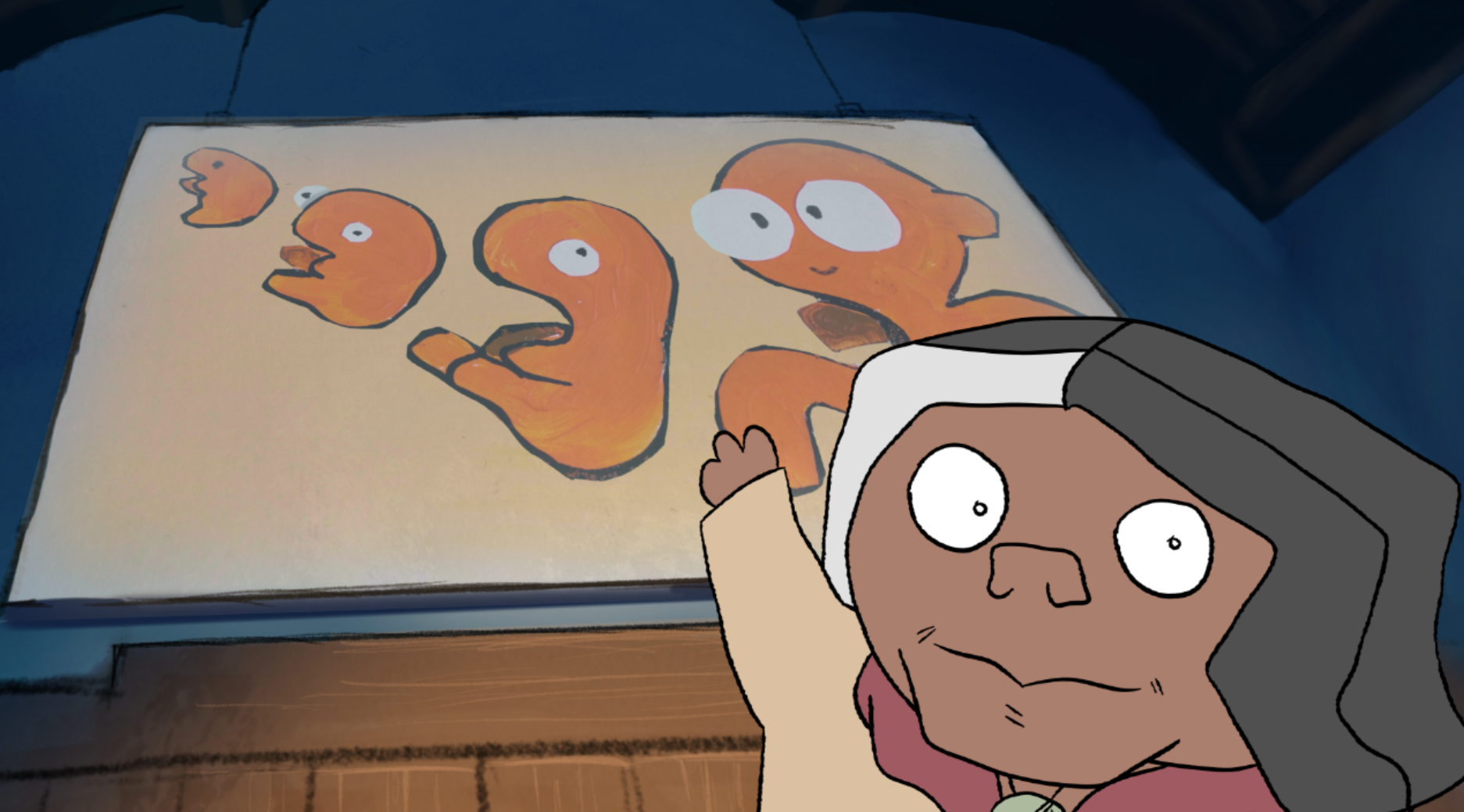
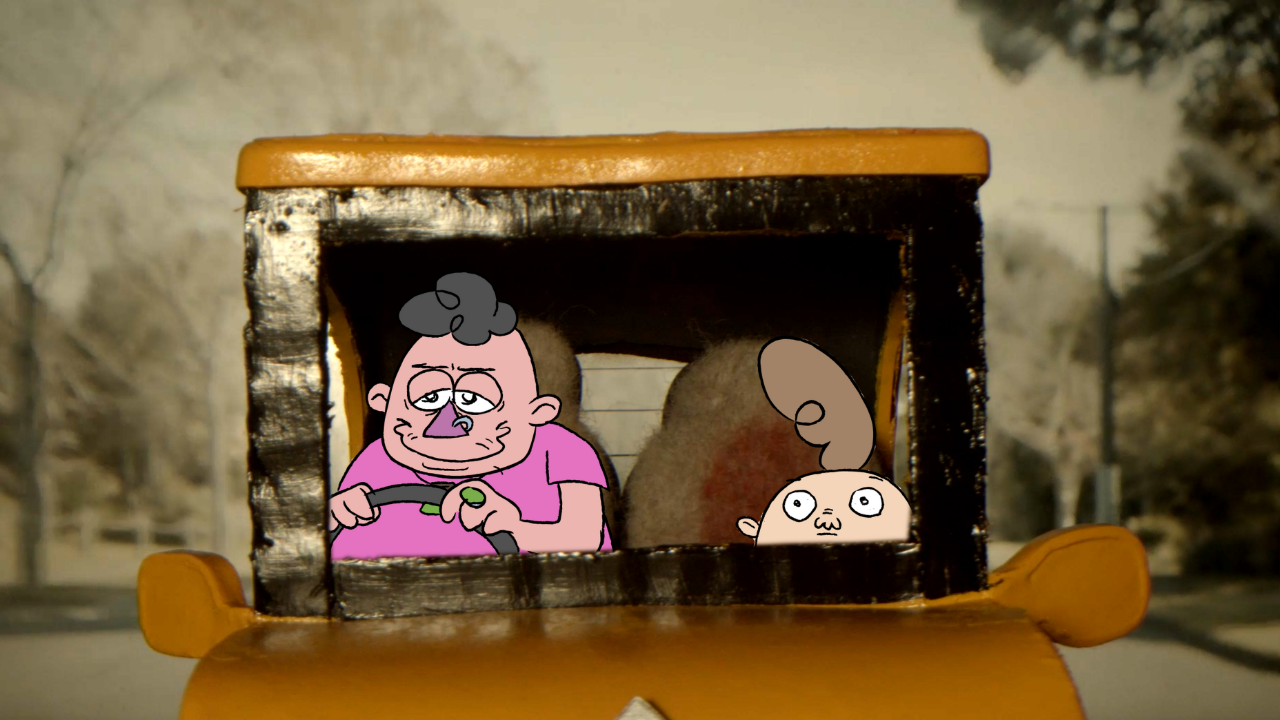
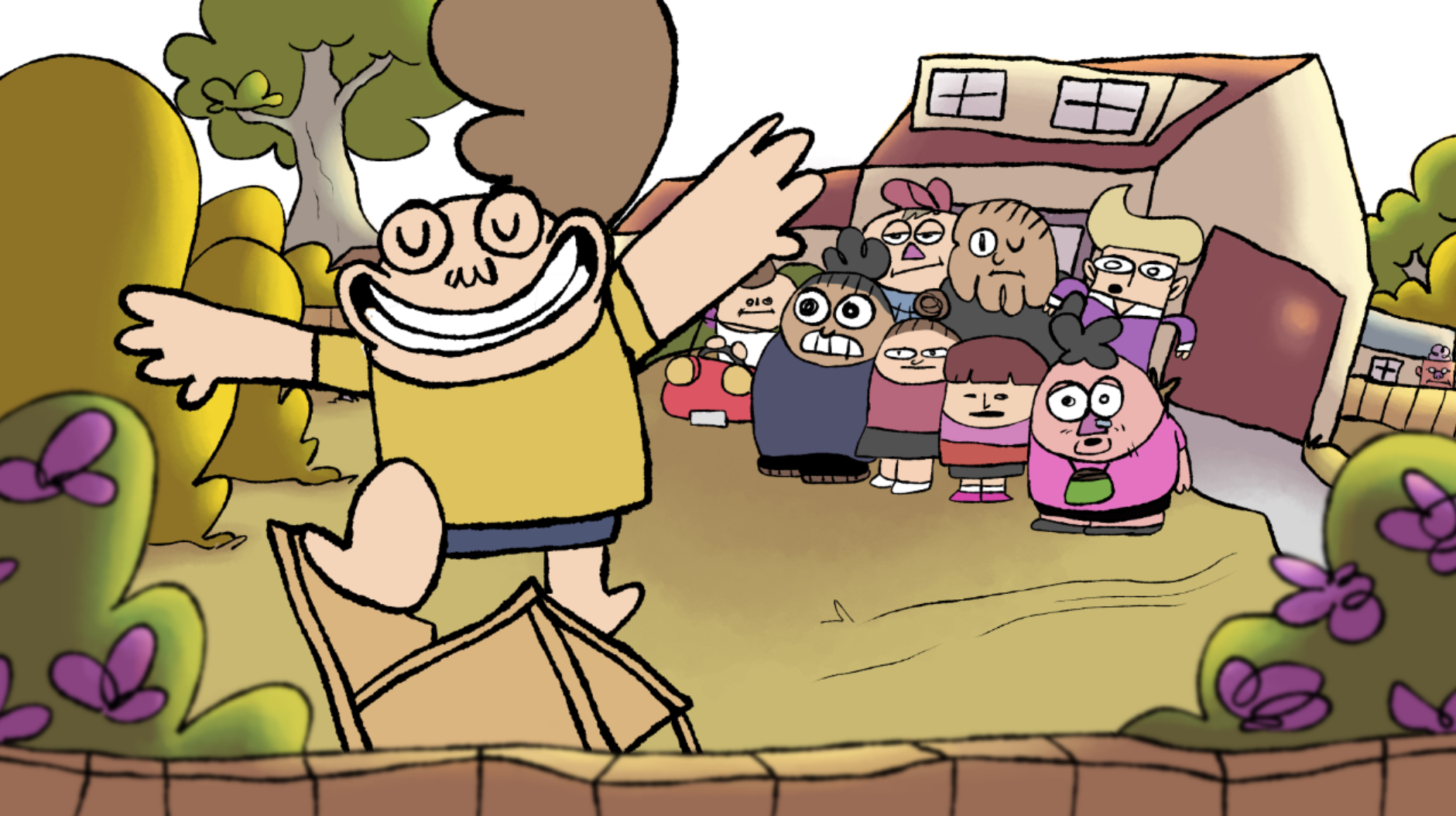
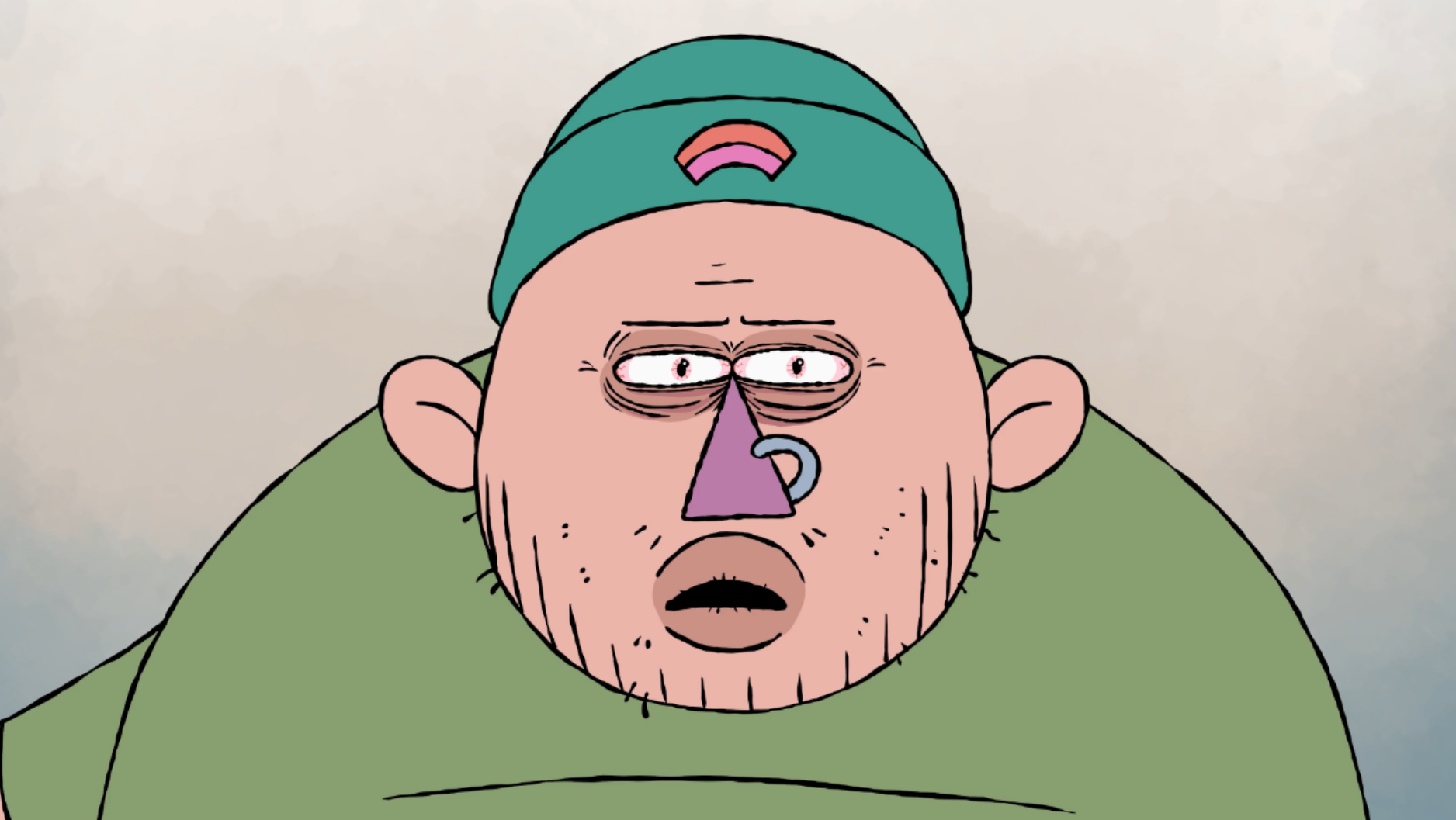
The animation itself is wonderfully imaginative. Rather than attempting to recreate reality in a straightforward manner, the film uses a blend of artistic techniques to visualise thoughts, emotions, and internal experiences that would be difficult to communicate through traditional documentary methods. Miniature sets, stop-motion elements, cutout animation, and painted backgrounds combine to create a textured visual identity that feels handcrafted and distinctive.
This variety of styles serves a meaningful purpose beyond aesthetics. Because FASD affects how information is processed and experienced, the filmmakers use animation as a way of translating internal experiences into visual form. Abstract feelings become understandable through movement, colour, and design. Emotions that might be difficult to articulate verbally are instead expressed through creative visual metaphors, allowing audiences to gain a greater understanding of what life can feel like from the inside.
The watercolour-inspired aesthetic is particularly effective. Soft textures and fluid colours give the film an inviting quality, while shifts in palette help reflect changing emotional states. The visuals feel playful and expressive, creating a world that mirrors the personality of its narrator rather than simply illustrating facts. There is a youthful energy running throughout the documentary that makes the experience feel authentic and approachable.
That sense of personality is crucial to the film's success. Too often, documentaries about medical or developmental conditions focus primarily on challenges and limitations. My Journey With FASD certainly acknowledges difficulties, but it places equal emphasis on adaptability, self-awareness, and resilience. The teenager at the centre of the story is never reduced to a set of symptoms. Instead, viewers are introduced to a person learning how to navigate life, understand themselves, and build confidence in who they are.
This balance allows the documentary to educate without becoming preachy. Information emerges naturally through personal storytelling rather than formal explanation. The audience learns about the condition by sharing in the narrator's experiences, which creates a stronger emotional connection than statistics or expert interviews ever could. As a result, the film succeeds not only as an educational resource but also as a compelling piece of storytelling.
The tone is another major strength. Despite tackling serious subject matter, the documentary remains consistently inviting. There is a sense of playfulness running through much of the presentation, and that lightness helps make the material approachable for viewers of all ages. The film never feels like it is talking down to its audience or asking for sympathy. Instead, it encourages understanding through honesty and openness.
Technically, the production is largely successful. The animation is expressive, the pacing remains engaging, and the visual creativity ensures that the documentary rarely feels static. The various artistic techniques blend together more smoothly than one might expect, creating a cohesive experience despite drawing from multiple mediums. It is clear a considerable amount of care has gone into ensuring that every stylistic choice serves the broader purpose of communicating the narrator's perspective.
The only area where the film occasionally struggles is in its audio mix. At times, dialogue competes with surrounding sound elements, making certain lines more difficult to follow than they should be. Given how important the narrator's voice is to the documentary's effectiveness, clearer separation between dialogue and other audio components would strengthen the viewing experience considerably. Similarly, the inclusion of subtitles would improve accessibility and ensure that every aspect of the story remains easy to engage with.
These issues are relatively minor, however, when viewed against the film's overall achievements. What stays with you after the credits is not a technical observation but the strength of the storytelling and the sincerity of the perspective being shared. The documentary succeeds because it invites audiences into a personal experience that might otherwise remain difficult to understand, doing so with empathy, creativity, and genuine warmth.
By the end, My Journey With FASD feels less like a documentary about a condition and more like a celebration of individuality. It acknowledges obstacles without becoming defined by them and highlights the importance of self-acceptance without drifting into sentimentality. Through its inventive animation, engaging narration, and deeply human perspective, it offers a thoughtful look at life with FASD while reminding viewers that every journey is ultimately about far more than a diagnosis.
Informative, imaginative, and full of heart, My Journey With FASD is an effective example of how documentary filmmaking can educate and inspire at the same time. By bringing an often misunderstood condition to life through creativity and personal storytelling, it creates understanding, encourages empathy, and leaves viewers with a stronger appreciation for the resilience and individuality of the young person at its centre.
The film premiered at Show Me Shorts on Saturday 10 October, and is available to watch on dofilm.co.nz and YouTube from Monday 12 October.
Review written by Alex Moulton
Day One Hāpai te Haeata is a supportive community that provides rangatahi with the tools, guidance and opportunities to share stories on screen. Day One supports a series of funded short films made by young emerging filmmakers that explore cultural, social and political issues. This year, 8 films have been created under Day One’s guidance and programme.
