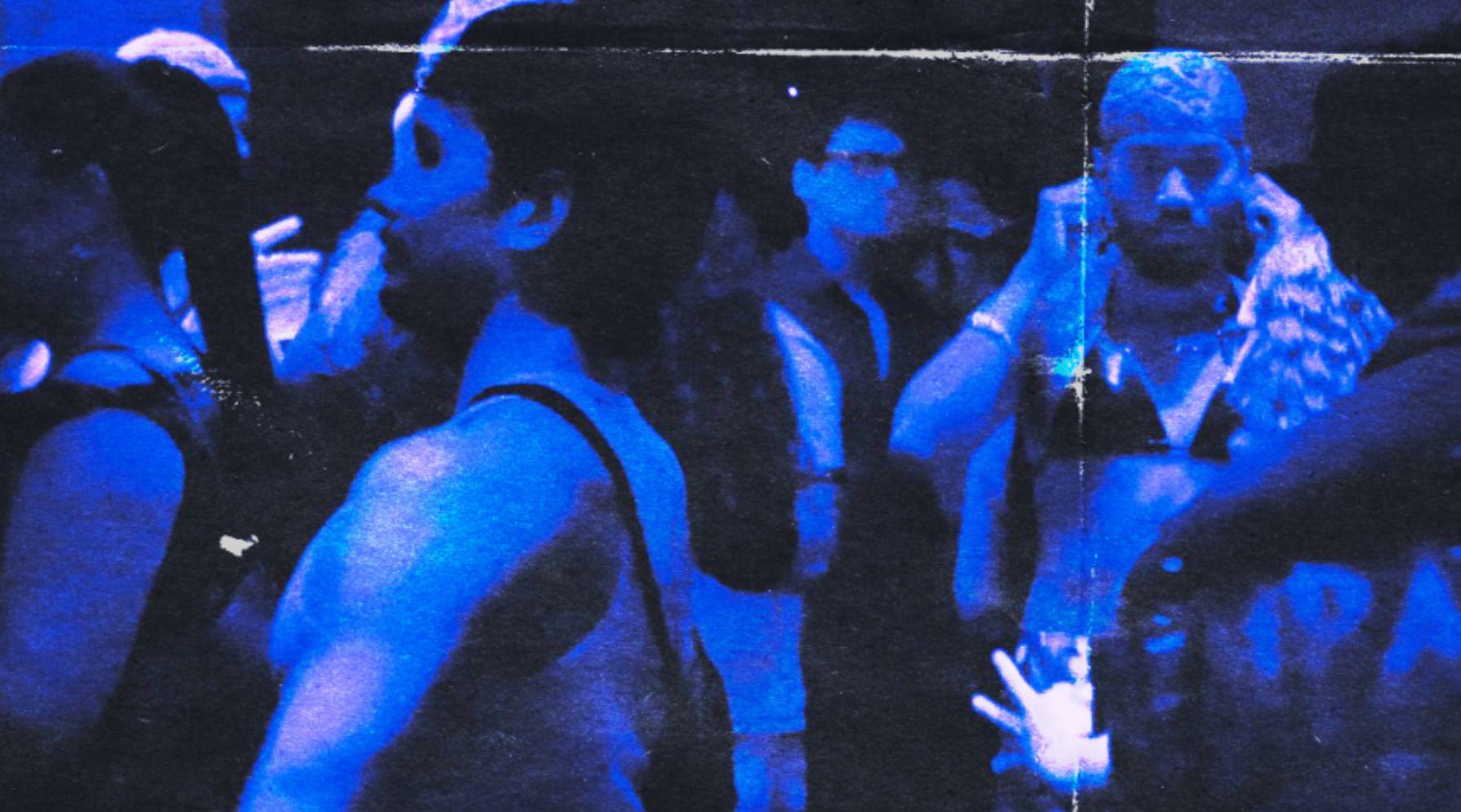
Performed as part of the Tempo Dance Festival
Co-curated by Prowl Productions + Tempo Dance Festival
Time to amalgamate, time to stand out. Time to let go. Time to transform. Time to rebel. Time to find out what is strolling under our skin. Time to dance it all out — ’cos tomorrow ain’t gonna build itself. A party and a provocation, for your brain and your behind. Featuring performances from Prowl Productions, Coven, Kerith Manderson-Galvin and more, plus DJs to sweat the night away.
BODIES: a club night, blurs the line between performance event and nightlife gathering, transforming a regular evening at Cassette Nine into a celebration of movement, self-expression and community. Curated by PROWL Productions, the event brings together DJs, dancers, battle artists and performance makers from across Aotearoa and beyond, creating a space where the dancefloor becomes both stage and audience. More than a showcase, it is an invitation to participate, whether that means watching, dancing, performing or simply existing among a crowd united by rhythm and curiosity.
The concept is deceptively simple. Throughout the night, DJs rotate through sets while performers emerge at different moments, offering everything from high-energy dance showcases to theatrical movement pieces and spontaneous battles. Yet the simplicity is also what makes the experience work. Rather than separating performers and patrons into clearly defined categories, BODIES encourages the boundaries between them to dissolve. The focus is not on presenting a polished sequence of acts, but on creating an evolving atmosphere where performance feels like a natural extension of the party itself.
Like many great club nights, the evening takes time to find its pulse. Early arrivals are welcomed with a soundtrack of familiar rap, hip hop and R&B classics that drift through the venue as people slowly trickle through the doors. At first, the room feels relaxed, almost tentative. Conversations dominate over dancing, and there is a sense that everyone is waiting to discover what kind of night this will become. While those opening hours lack the intensity that arrives later, they also provide the foundation for what follows. There is something satisfying about watching the space gradually awaken rather than launching straight into chaos.
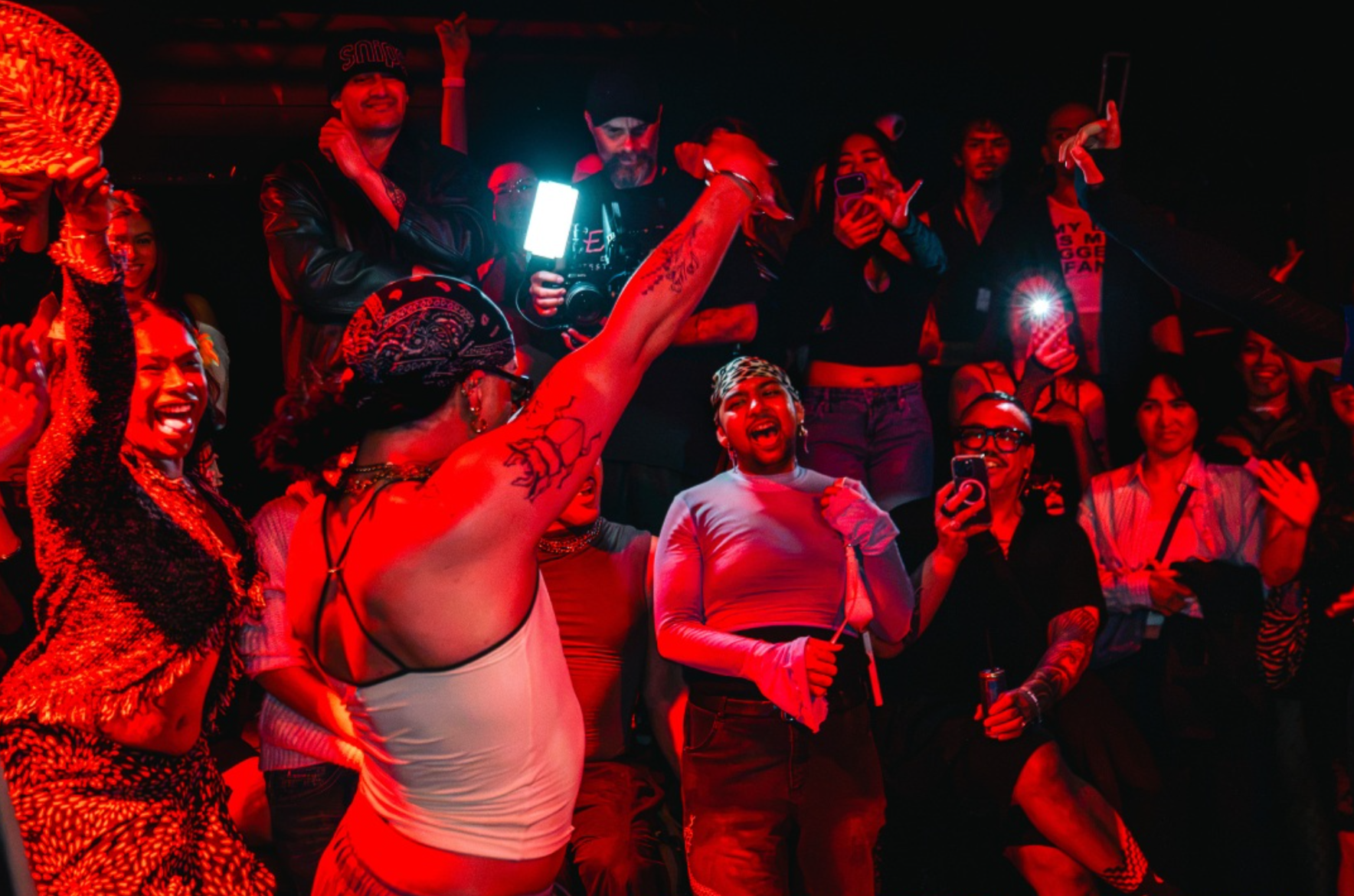
As the crowd grows, so too does the energy. Confidence spreads from person to person, often beginning with a handful of fearless dancers willing to take ownership of the floor. Once the first few audience members begin dancing without hesitation, the mood shifts noticeably. What began as a casual gathering starts to resemble the euphoric club experience promised by the event's creators. The atmosphere becomes increasingly infectious, fuelled by a crowd that seems genuinely invested in supporting each other's expression.
The diversity of the audience is one of the evening's greatest strengths. There is no identifiable dress code, no expectation of fitting into a particular nightlife stereotype. People arrive in whatever makes them feel comfortable, confident or creative, and that freedom contributes significantly to the welcoming nature of the event. In a cultural landscape where club spaces can sometimes feel exclusionary or image-driven, BODIES offers something refreshingly different. Individuality is not just accepted but actively celebrated.
The performances themselves vary dramatically in style and tone, which keeps the night feeling unpredictable. Contemporary dance sits comfortably alongside street dance influences, while theatrical movement pieces exist alongside battle culture and club performance traditions. Some acts focus on technical precision, others on emotional expression, and some simply channel raw energy directly into the room. The result is an ever-changing artistic landscape that mirrors the event's broader commitment to showcasing bodies, identities and movement practices that are often underrepresented in traditional performance settings.
Particularly effective is the way performance emerges organically from the night rather than interrupting it. Instead of stopping the party so audiences can politely observe, each appearance feels woven into the ongoing momentum of the dancefloor. A performance might suddenly command full attention before dissolving back into communal dancing moments later. This rhythm of collective participation and focused observation helps maintain engagement throughout the evening and prevents the event from feeling overly structured.
The DJs play a crucial role in sustaining that momentum. Across the course of the night, the musical palette remains fluid and energetic, moving through genres and influences with confidence. Nostalgic throwbacks generate enthusiastic singalongs, while heavier contemporary sounds encourage more intense movement on the floor. The selections rarely feel predictable, yet they remain accessible enough to keep people engaged. Importantly, the music serves the room rather than attempting to dominate it. The DJs understand when to build anticipation, when to push the energy higher and when to allow the crowd a moment to breathe.
The natural ebb and flow of nightlife is fully present throughout BODIES. Not every moment reaches the same intensity, and the atmosphere fluctuates depending on what is happening on stage, behind the decks or among the audience. Yet those fluctuations feel less like weaknesses and more like part of the experience's organic structure. Peaks arrive during standout performances, beloved songs and especially during moments of audience participation. Whenever patrons begin dancing openly onstage or engage directly with performers, the excitement in the room rises noticeably. Those moments capture the spirit of the event most effectively because they embody its central ethos of participation over spectatorship.
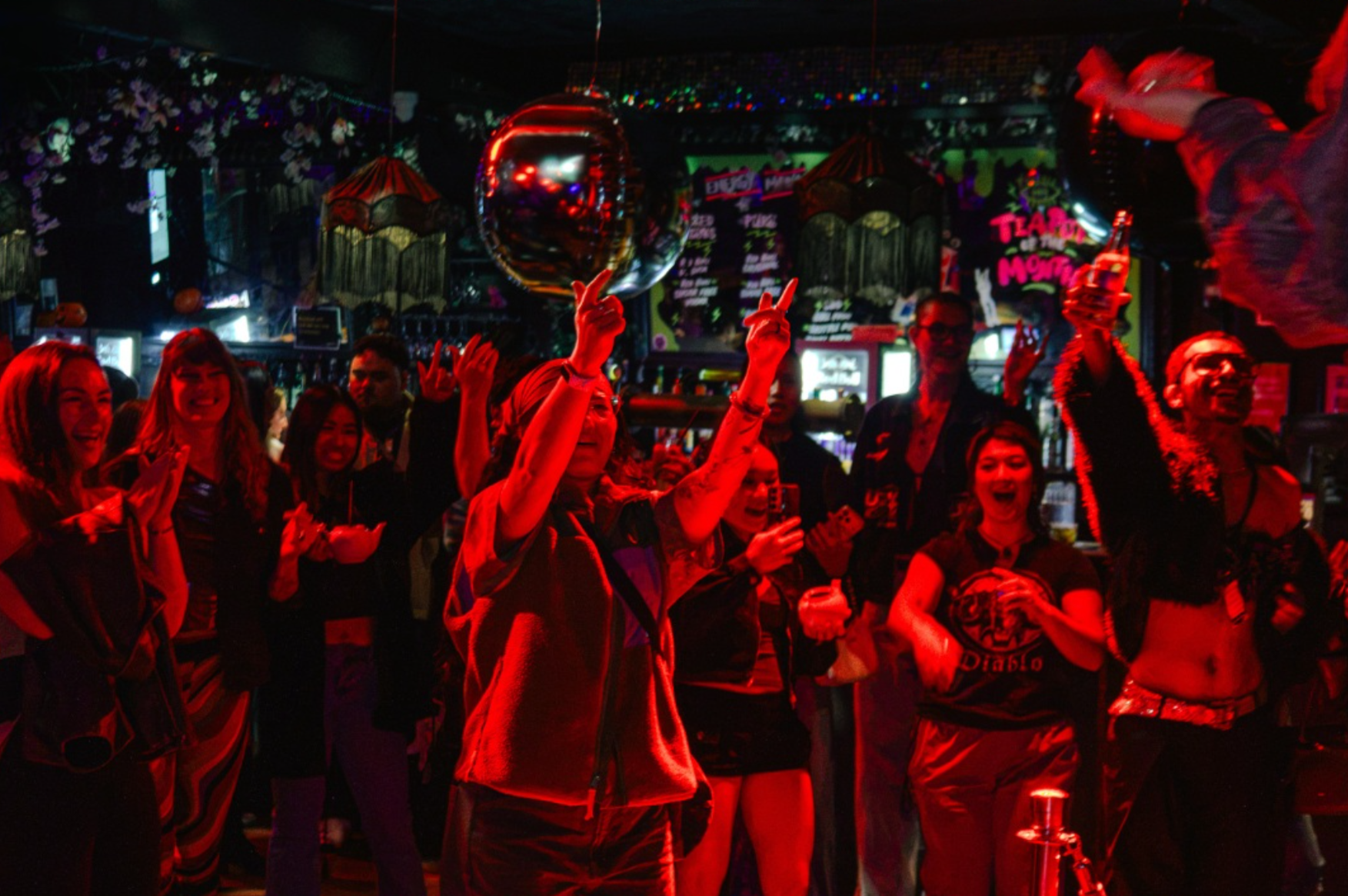
What makes BODIES particularly compelling is its rejection of hierarchy. Traditional arts events often demand that audiences remain passive observers, while conventional nightclubs can prioritise consumption over connection. This event sits somewhere between those worlds. It retains the excitement and freedom of nightlife while embracing the creative risk-taking associated with live performance. The combination creates an environment where people feel empowered to contribute to the atmosphere rather than merely consume it.
There is also a strong sense of community underpinning the entire evening. The performers may come from different disciplines, cultural backgrounds and artistic practices, but they are united by a shared commitment to movement as a form of expression and connection. That ethos extends to the audience, creating a supportive environment that feels welcoming rather than intimidating. Even for those who choose not to dance, there is a palpable sense of belonging that emerges simply from sharing the space.
By the time the night reaches its later hours, the transformation is complete. What began as a relatively subdued gathering has evolved into a vibrant collision of music, movement and identity. The dancefloor becomes the heart of the experience, a space where performance and participation coexist seamlessly. The event's strongest moments are not necessarily the most technically impressive or theatrically ambitious, but the instances when performers and audience members appear to move as one collective organism, feeding energy back and forth across the room.
BODIES: a club night succeeds because it understands that great nightlife is not just about music or performance in isolation. It is about creating conditions where people feel free to be themselves, connect with others and lose themselves in the moment. Combining underground club energy with a rich mix of contemporary performance and street dance culture, the event offers something that feels both celebratory and genuinely communal. In a city always searching for meaningful nightlife experiences, BODIES proves that sometimes the most powerful thing an event can do is simply create a space where everyone is invited to move.
Review written by Alex Moulton
