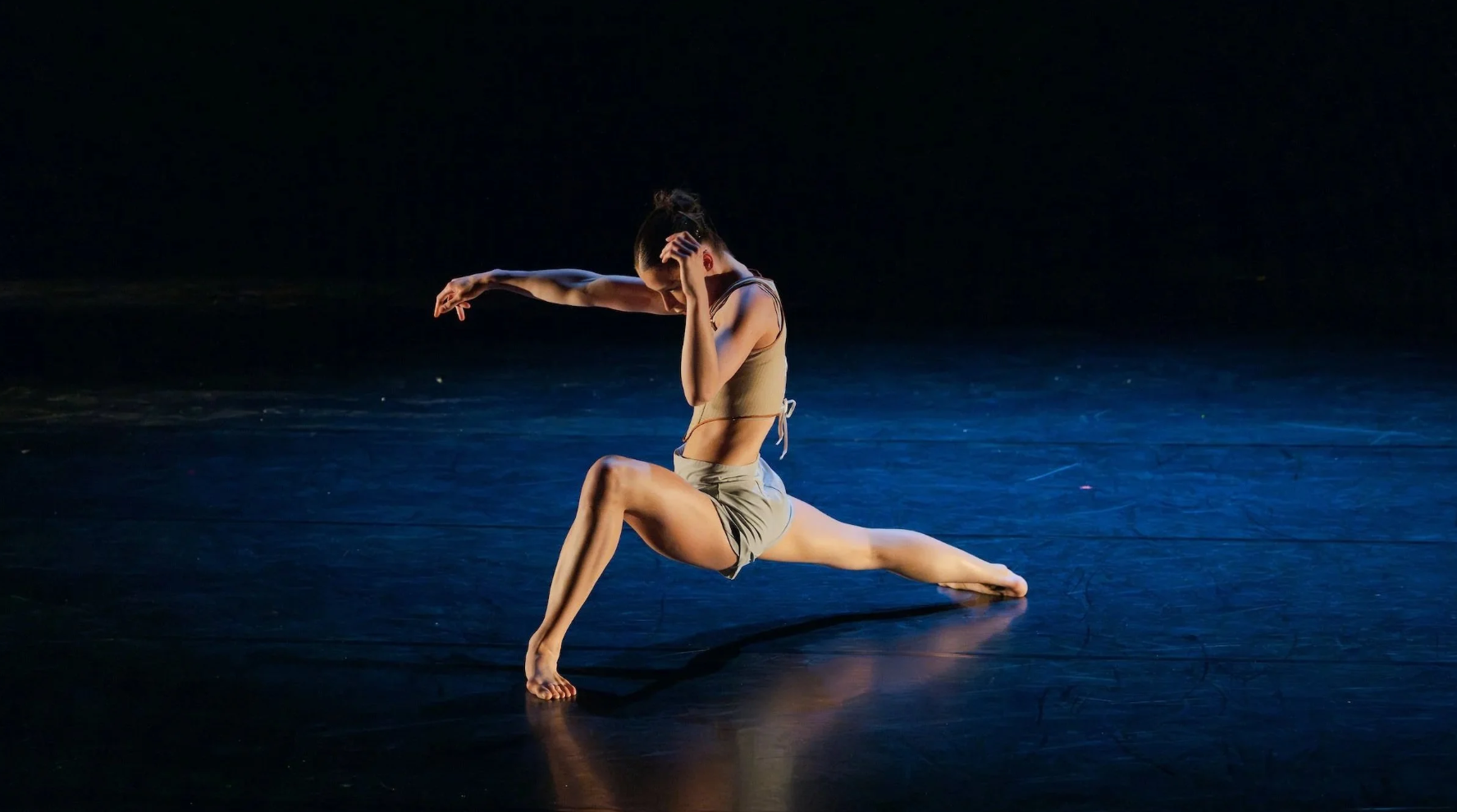
Performed as part of the Tempo Dance Festival
Presented by New Zealand School of Dance + Ngā Akoranga Kani Kani, Dance Studies, Waipapa Taumata Rau & University of Auckland
Two of our exceptional tertiary dance institutions come together for one night only with original works by Matte Roffe, Sarah Knox with Third Year dancers, Horn's Out and Kerah McLean Duffy.
Tendrils of Tomorrow brings together emerging dancers from the University of Auckland and the New Zealand School of Dance for a shared programme that explores performance, identity and the uncertain terrain awaiting the next generation of artists. Featuring four distinct works by different creative teams, the evening functions less as a showcase of polished certainty and more as a snapshot of artistic inquiry in motion. The result is an engaging, occasionally uneven, but ultimately rewarding collection of contemporary dance works that reveal the diverse ways young performers are grappling with questions of culture, visibility, endurance and self-expression.
What makes the programme compelling is not that every work lands with equal impact, but that each approaches similar concerns from an entirely different angle. Across the evening, audiences encounter pieces rooted in cultural tradition, contemporary experimentation, technological anxiety and physical endurance. Taken together, they create a rich and sometimes contradictory conversation about what contemporary dance in Aotearoa can look like when emerging artists are encouraged to explore both heritage and innovation.
The evening opens with a work deeply connected to collective identity and cultural memory. Driven by traditional rhythms and grounded movement practices, the performance immediately establishes a sense of place that reverberates throughout the rest of the programme. Rather than emphasising individual virtuosity, the choreography prioritises group cohesion. The dancers move together with a shared sense of purpose, drawing strength from synchronisation and communal energy.
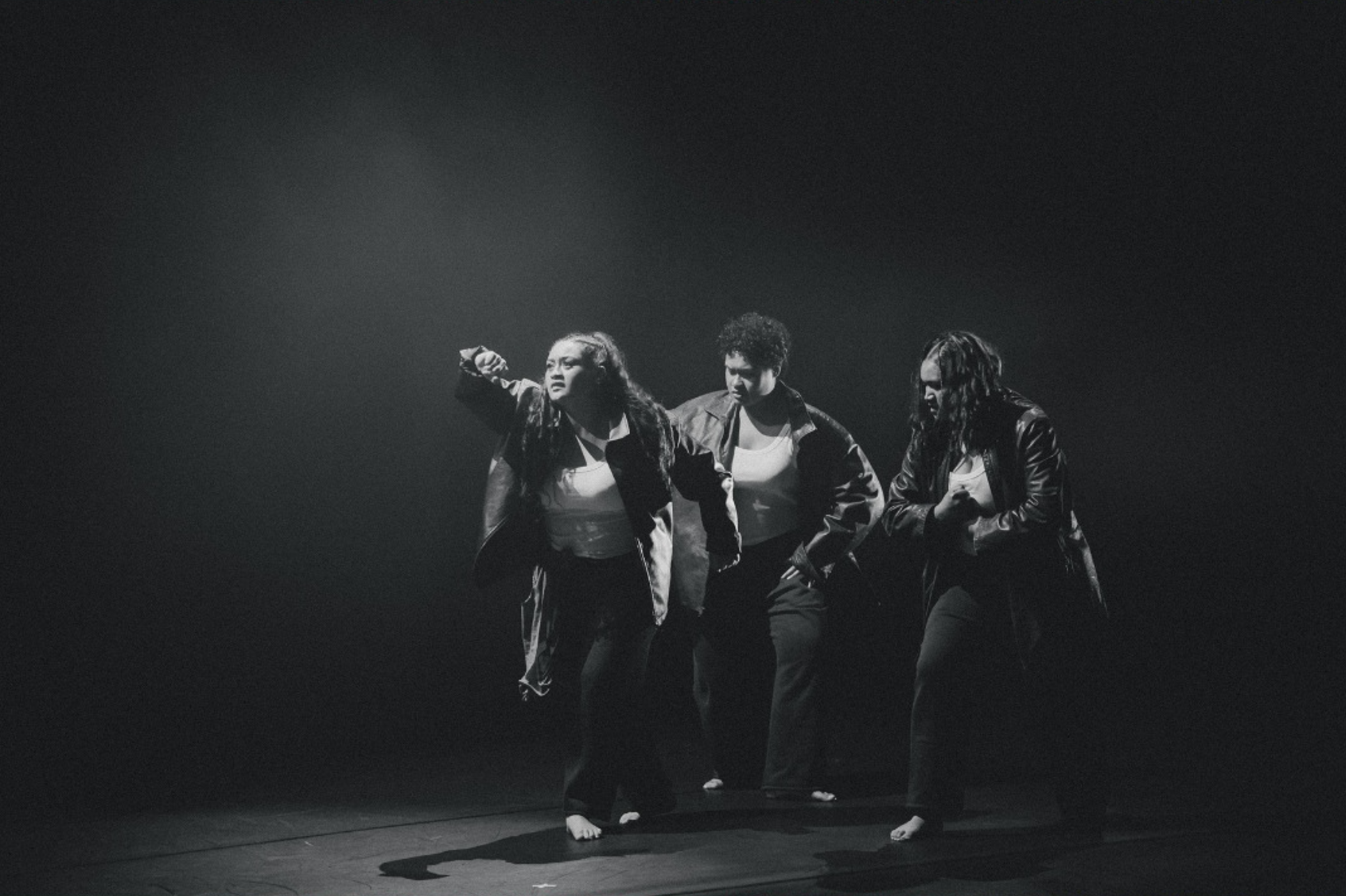
What is particularly striking is the confidence with which the performers inhabit the work. The choreography allows cultural influences to sit at the centre rather than functioning as decorative references. Traditional movement principles inform the rhythm, weight and structure of the piece, creating a strong foundation that feels both rooted and contemporary. The result is a powerful opening that highlights the continuing importance of cultural knowledge within evolving artistic landscapes.
The physical commitment of the dancers carries the work forward, particularly during sequences where collective movement generates a palpable sense of momentum. There is an undeniable authenticity to the performance that makes its emotional impact resonate beyond its choreographic structure. It establishes a thematic thread that reappears throughout the evening, namely how inherited knowledge can coexist with contemporary creative practice.
The second work shifts gears dramatically. Where the opener feels grounded in communal rhythm and historical connection, this piece plunges into a far more fragmented and restless world. Driven by electronic sounds and contemporary movement textures, it presents a stark contrast in both atmosphere and aesthetic approach.
Here, movement becomes sharper and more angular. Bodies dart through space with accelerated urgency, creating the impression of individuals attempting to navigate a world moving faster than they can comfortably process. The choreography frequently fractures into overlapping actions and intersecting pathways, capturing a sense of overstimulation without descending into chaos.
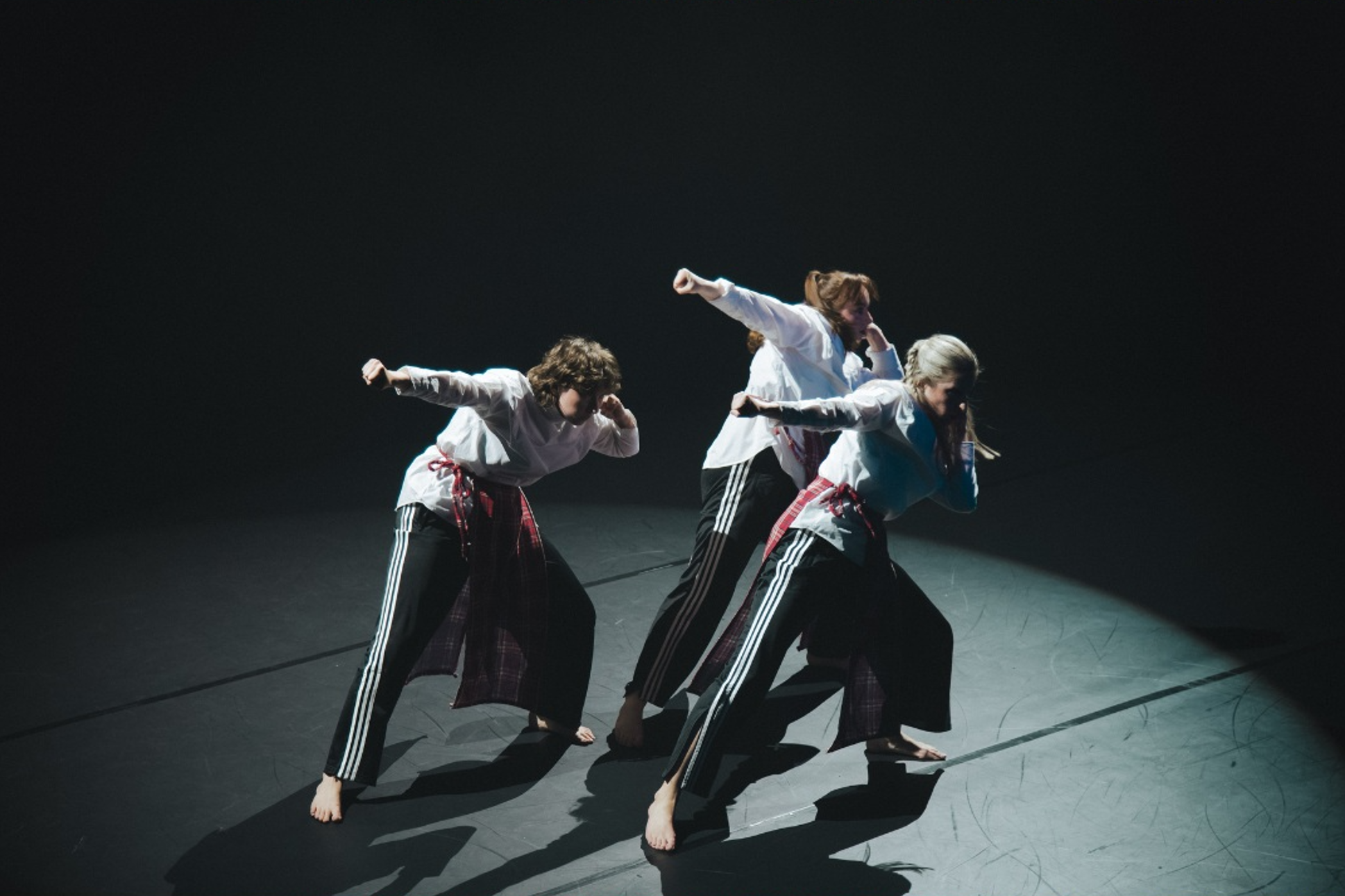
The work's greatest strength lies in its energy. The performers attack the material with enthusiasm, throwing themselves fully into its demanding pace. Sequences ripple across the stage with relentless momentum, generating a feeling of instability that appears entirely intentional. The choreography communicates an ongoing tension between connectivity and isolation, even when dancers occupy the space together.
At times, however, the conceptual ambitions seem slightly ahead of the dancers' current technical resources. Certain passages hint at ideas larger than what can fully be realised in performance. Yet there is something admirable about this reaching beyond comfortable limits. The occasional rough edge becomes part of the piece's appeal, reflecting a willingness to wrestle with complex ideas rather than settling for safe execution.
The third work acts as something of a bridge between the earlier pieces. It revisits cultural influences while embracing contemporary movement vocabularies, creating an intriguing hybrid language that feels distinctly local. Traditional rhythmic structures underpin much of the choreography, yet contemporary dance and street dance influences remain clearly visible throughout.
This synthesis proves highly effective. Rather than presenting tradition and modernity as opposing forces, the work demonstrates how they can exist simultaneously within the same body. The dancers carry traces of cultural inheritance while negotiating contemporary realities, creating movement that feels both personal and collective.
There is a warmth to this piece that distinguishes it from the colder electronic landscape of the previous work. The choreography often feels conversational, allowing relationships between dancers to emerge naturally. While less overtly ambitious in its construction than some sections of the programme, it succeeds through clarity of purpose and emotional sincerity.
The performers bring a welcome sense of ease to the material. Their connection to the movement appears deeply felt, helping the work establish a strong emotional presence without relying on theatrical excess. It is a reminder that contemporary dance can often be most effective when complexity emerges through physical honesty rather than conceptual density.
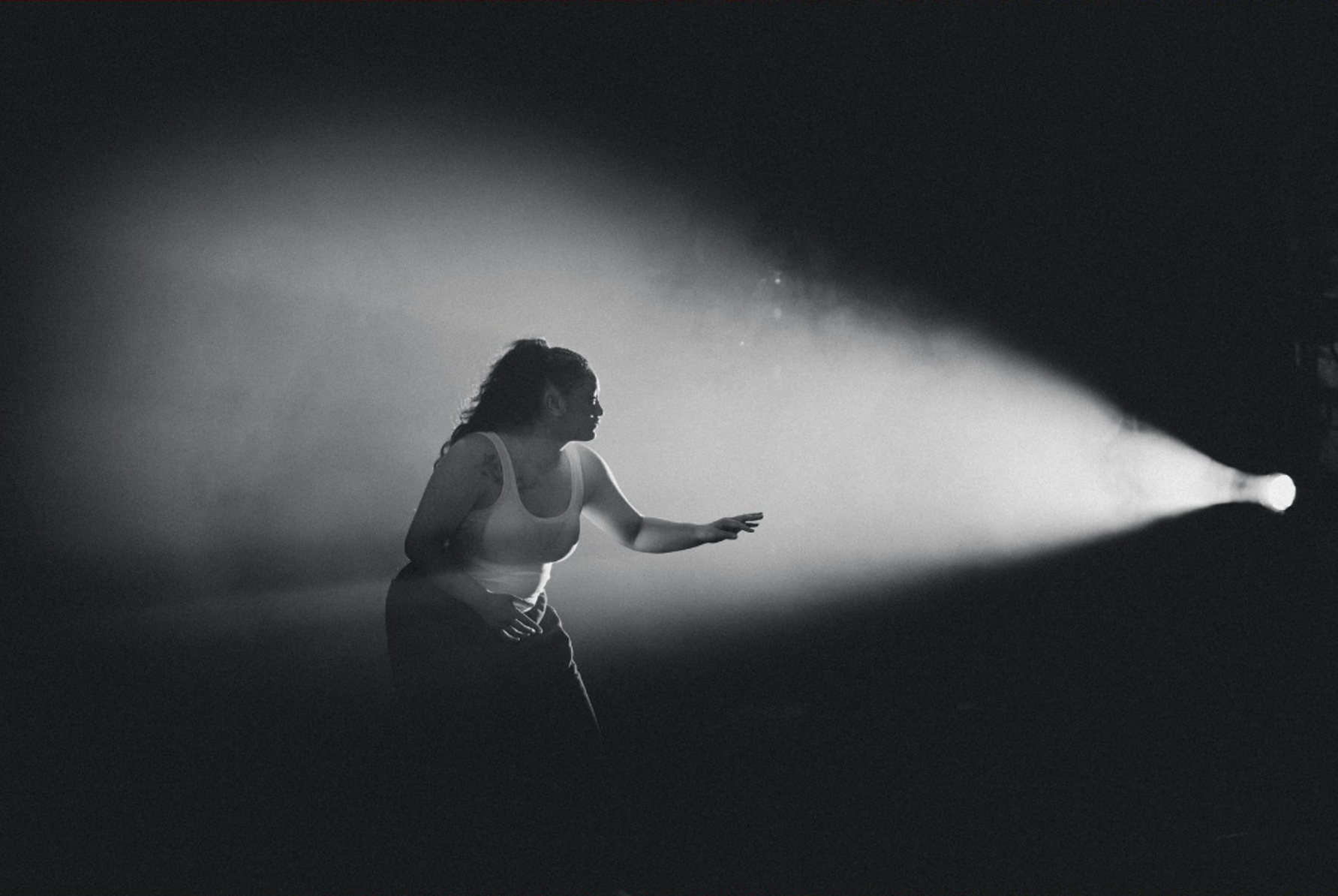
The final work arrives as a dramatic escalation in both scale and intensity. Performed by the New Zealand School of Dance contemporary cohort, SHOWPONY immediately distinguishes itself through its physical demands and uncompromising examination of performance itself.
Where earlier works focus largely on identity and cultural negotiation, this piece turns its attention towards the act of performing and the expectations placed upon those who choose lives onstage. It interrogates the complicated relationship between artists and audiences, exploring what happens when performers are expected to continually give more of themselves in pursuit of approval, recognition and success.
The choreography embraces this tension through sheer physical commitment. From the outset, the dancers are subjected to demanding movement material that requires extraordinary stamina and athleticism. The piece rarely settles. Instead, it continually pushes forward, placing bodies under visible strain as it interrogates the systems that reward endurance while often ignoring its cost.
The performers rise impressively to the challenge. Throughout the work, they maintain an intensity that borders on relentless. Their execution combines technical proficiency with a willingness to expose vulnerability, creating a fascinating contradiction between control and exhaustion.
One of the most effective aspects of the choreography is the way it reveals effort rather than disguising it. Contemporary dance often presents difficult movement with such polish that the audience forgets the labour involved. Here, exertion becomes part of the performance. Breath, fatigue and persistence are woven into the work's fabric, creating a powerful reminder of the physical realities behind artistic presentation.
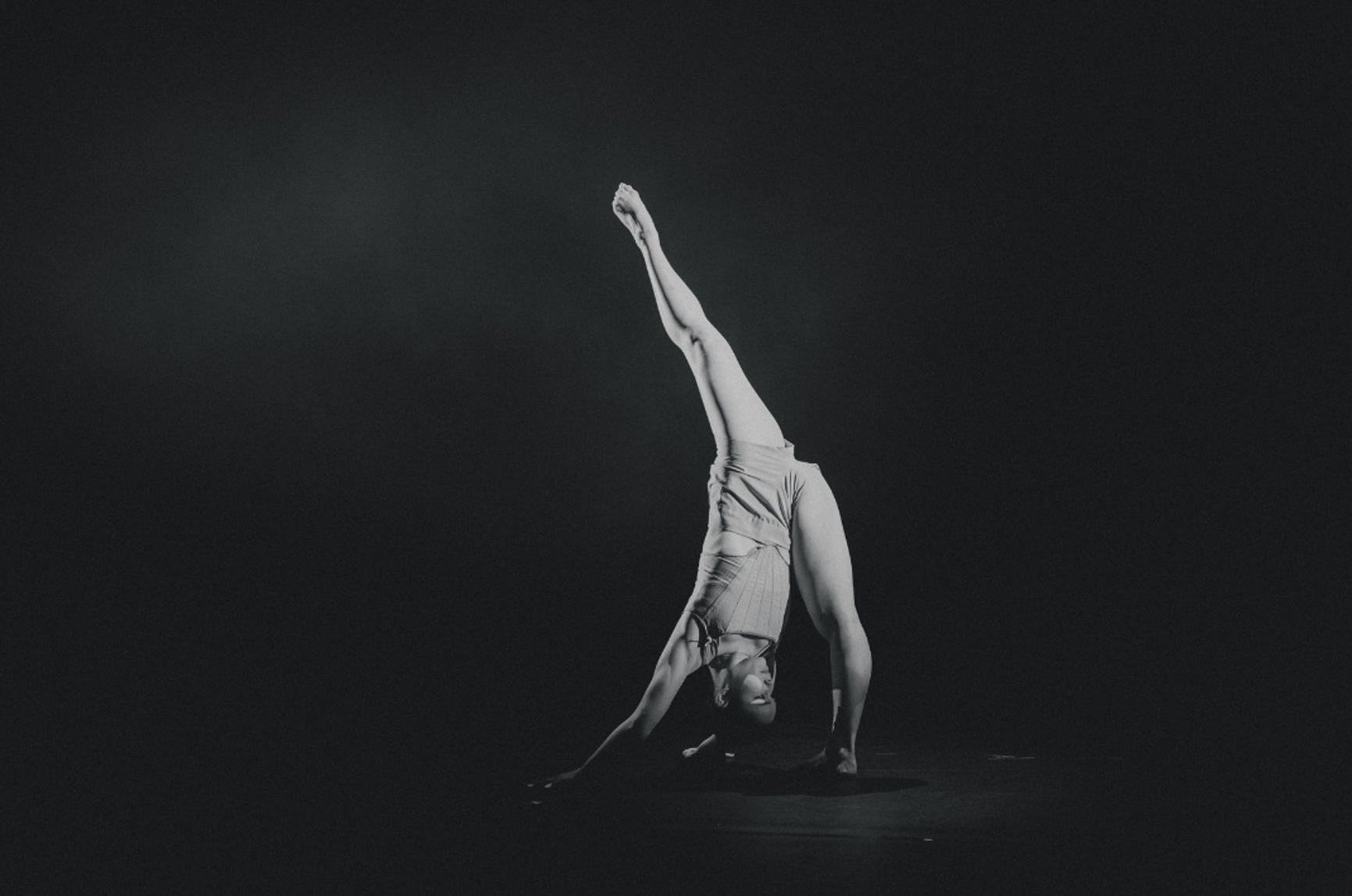
The ensemble sections are particularly thrilling. Large group formations surge across the stage with remarkable force, creating a sense of collective momentum that feels almost overwhelming at times. Yet beneath the spectacle lies a sharp critique of performance culture itself. The dancers are simultaneously demonstrating extraordinary skill and questioning the systems that demand it from them.
As the work progresses, this tension between performance and personhood becomes increasingly compelling. The dancers appear caught between their desire to entertain and the physical consequences of doing so. The result is a piece that feels both celebratory and critical, acknowledging the exhilaration of performance while refusing to ignore its sacrifices.
Taken as a whole, Tendrils of Tomorrow succeeds because it embraces difference rather than uniformity. The four works do not attempt to present a singular vision of contemporary dance. Instead, they offer contrasting perspectives on culture, identity, technology, community and performance. Some pieces feel more fully realised than others, and not every choreographic idea reaches its intended destination. Yet that sense of experimentation is precisely what makes the programme worthwhile.
More than anything, the evening highlights the talent and curiosity of the emerging artists involved. Watching these dancers navigate such varied choreographic landscapes offers a glimpse into the future of dance in Aotearoa. There are moments of remarkable insight, moments of ambitious risk-taking and moments where potential clearly exceeds present experience. Together, those qualities create a programme that feels alive with possibility. Tendrils of Tomorrow may be concerned with the uncertainties of an unstable world, but it also offers a hopeful reminder that the next generation of dance makers is already actively shaping what comes next.
Review written by Alex Moulton
