Based on the bestselling novel from Nobel Prize-winner Kazuo Ishiguro and written and directed by Academy-Award® winner Taika Waititi, Klara and the Sun introduces audiences to Klara, an Artificial Friend who wants nothing more than to find the perfect home. When Klara meets Josie, each immediately senses a kindred spirit in the other. Josie has a fraught relationship with her mother, and they’ve suffered great loss, but Klara’s innocent wonder and unwavering loyalty begin to heal the family and bring light to Josie’s complicated world.
Adapting Kazuo Ishiguro’s acclaimed novel was never going to be an easy task. The book is deeply introspective, concerned less with plot than with the complex emotions and philosophical questions simmering beneath its deceptively simple premise. Taika Waititi’s Klara and the Sun approaches that challenge from a different angle, transforming the story into a gentler, more accessible science fiction fable. The result is an engaging and often moving film that captures the novel’s warmth and humanity, even if it struggles to match its emotional depth and intellectual ambition.
Set in a near-future world, the film follows Klara, an Artificial Friend designed to provide companionship for children. Unlike the sleek, hyper-intelligent robots that often populate cinematic futures, Klara approaches the world with innocent curiosity and unwavering optimism. When she is chosen by Josie, a girl dealing with illness, family tensions, and isolation, Klara begins to discover the complexities of human relationships. Through her eyes, ordinary moments take on new significance, and the everyday mysteries of love, grief, faith, and connection become the foundation of the story.
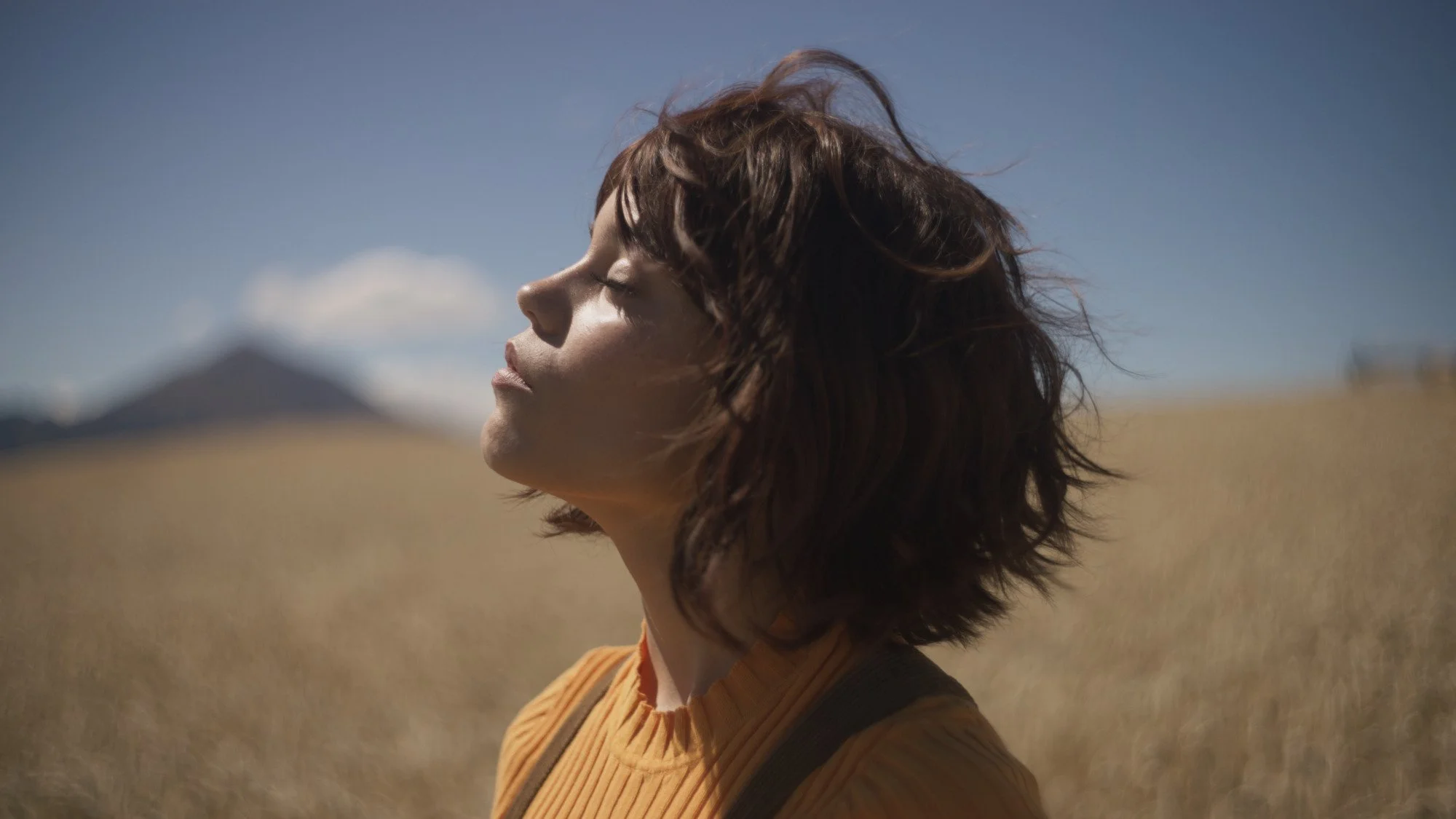
The film’s greatest strength is its commitment to Klara’s perspective. Rather than presenting this futuristic society as a fully explained dystopia, Waititi allows audiences to experience it through a character who is still learning how everything works. Klara observes, interprets, and often misunderstands what she sees, creating a fascinating dynamic where viewers must piece together the reality of the world for themselves. There is an effective sense of unfamiliarity throughout, with even routine interactions carrying a subtly uncanny quality. This approach gives the film much of its charm and helps distinguish it from more conventional artificial intelligence stories.
Jenna Ortega delivers a wonderful central performance. It would have been easy to portray Klara as either overly robotic or excessively sentimental, but Ortega finds a careful balance between the two. Her Klara is earnest, gentle, and endlessly fascinated by the people around her. There is humour in the character’s literal interpretations of human behaviour, but Ortega never turns her into a punchline. Instead, she creates a figure whose innocence feels genuine, making it easy to understand why those around her gradually form attachments to her. The performance carries much of the film’s emotional weight and remains compelling even when the screenplay falters.
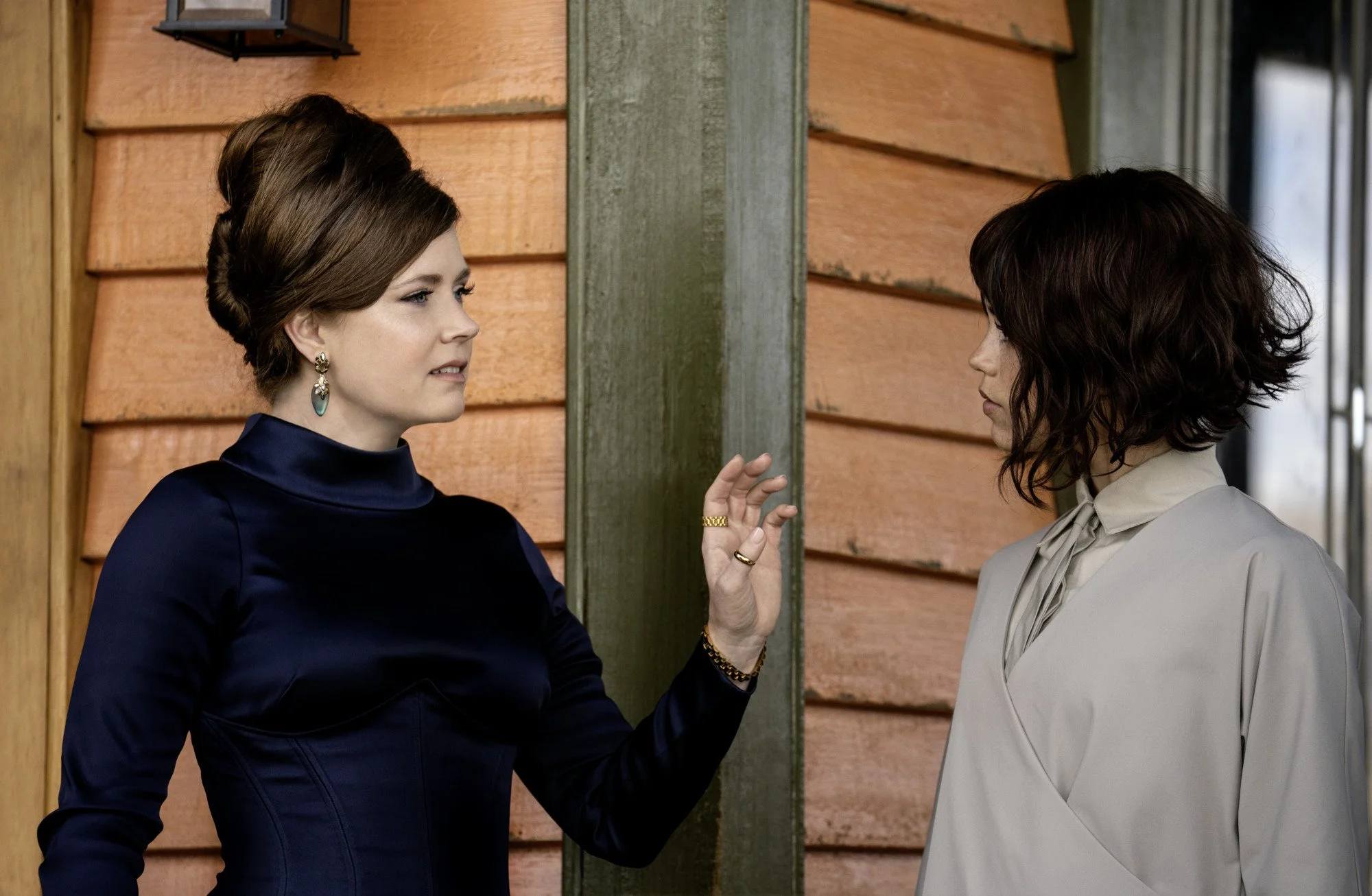
Mia Tharia works well opposite Ortega, bringing warmth and vulnerability to Josie. Their chemistry helps establish the foundation of the story, even if the script sometimes rushes through key emotional developments. Amy Adams is equally strong as Josie’s mother, a woman burdened by fears, regrets, and unresolved grief. Adams brings an undercurrent of sadness to nearly every scene, suggesting a much richer emotional journey than the screenplay ultimately explores. Some of the film’s most effective moments come from watching her grapple with uncertainty and loss, particularly when her desire to protect her daughter begins to conflict with her ability to accept reality.
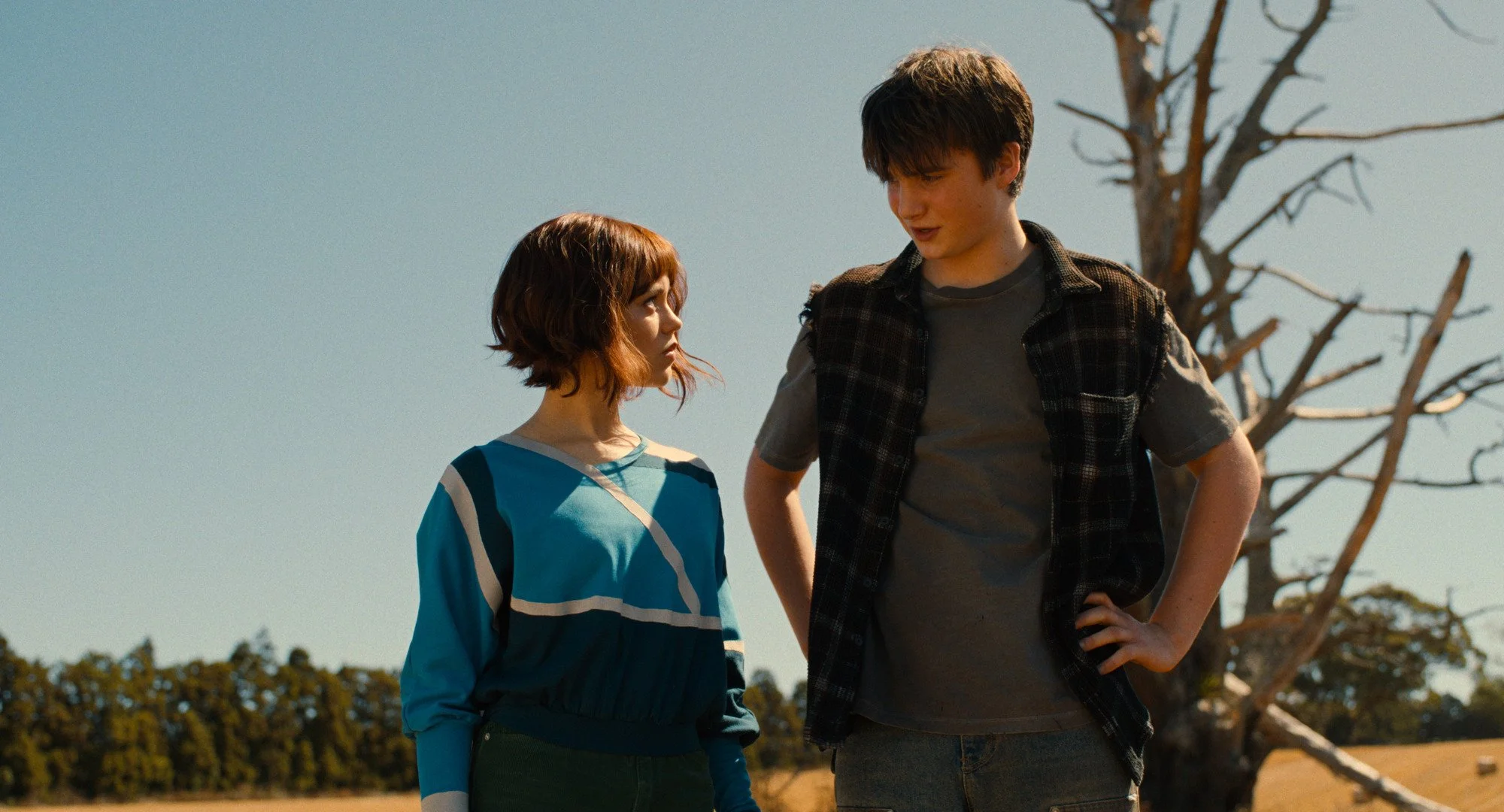
Visually, Klara and the Sun is often delightful. Rather than embracing a cold technological aesthetic, the film leans into warmth and colour. Rolling countryside landscapes, inviting interiors, and soft natural lighting create a storybook atmosphere that reflects Klara's outlook. Mike Berlucchi’s cinematography and Ra Vincent’s production design work together to create a future that feels both recognisable and slightly dreamlike. Waititi also finds inventive ways to communicate Klara’s perspective, incorporating visual distortions and fragmented imagery that suggest how she processes new environments and experiences. These techniques never become distracting and instead reinforce the feeling that the audience is sharing Klara’s unique view of the world.
The film also maintains a consistent sense of wonder. Klara sees meaning everywhere, from human interactions to the sunlight that powers her existence. This perspective allows seemingly small moments to resonate in unexpected ways. There are scenes in which light, colour, and movement communicate emotions more effectively than dialogue, and the film is at its strongest when it trusts these visual storytelling techniques.
Unfortunately, while the film succeeds as a character-driven fairy tale, it is less successful when addressing its larger themes. Friendship, grief, faith, mortality, and artificial intelligence are all introduced as central concerns, yet few are explored with the depth they deserve. The screenplay frequently gestures toward complex ideas before quickly moving on to the next narrative development. As a result, several emotional arcs feel underdeveloped and unresolved. The connection between Klara and Josie is repeatedly described as profound, but the film spends surprisingly little time actually showing that bond growing. Their relationship remains affecting thanks to the performances, though it never reaches the emotional complexity it seems to be aiming for.
The adaptation also struggles with its world-building. Considerable effort is spent explaining aspects of this future society, yet much of that information arrives through exposition rather than organic storytelling. Characters frequently explain concepts directly to one another, creating sequences that feel more functional than dramatic. At the same time, certain ideas are introduced without receiving enough attention to justify their inclusion. The world is intriguing, but it often feels only partially realised.
Those familiar with Ishiguro’s novel may feel these shortcomings quite strongly. The book’s power comes from its ability to interrogate difficult questions about identity, love, memory, and sacrifice without offering easy answers. Waititi’s adaptation gravitates toward a lighter and more comforting tone. While there are moments of darkness and emotional complexity, the film consistently chooses accessibility over ambiguity and optimism over discomfort. That approach is not inherently wrong, but it does leave the story feeling less profound than its source material.
The final act is where this tension becomes most apparent. Several potentially powerful ideas are introduced, but the film rushes through them while juggling numerous plot threads. Storylines that could have delivered significant emotional impact instead feel abbreviated, and certain revelations land with less force than they should. There is a sense that the film is reluctant to dwell on its most challenging questions, preferring to move toward a gentler conclusion.
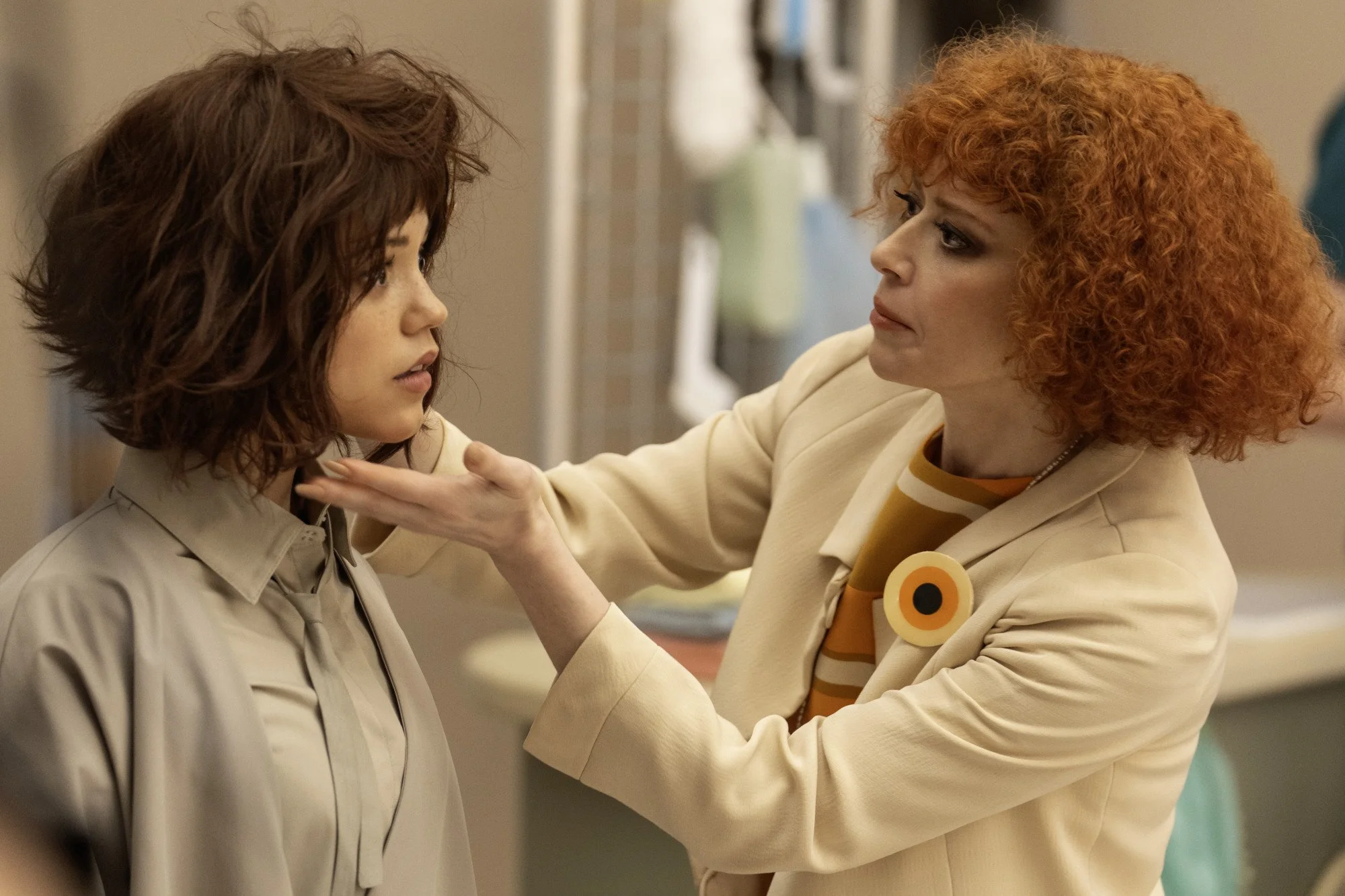
Yet despite these issues, Klara and the Sun remains an enjoyable and often touching experience. Its emotional sincerity, striking visuals, and excellent performances provide a strong foundation, while Ortega’s remarkable work ensures that Klara remains captivating from beginning to end. The film may only skim the surface of the themes that made the novel so memorable, but it still succeeds in creating an engaging and heartfelt story about connection, compassion, and the desire to understand those we love.
As an adaptation, it falls short of the richness and complexity many readers will be hoping for. As a standalone film, however, it is an appealing and thoughtfully crafted science fiction fairy tale with a distinctive voice and a memorable central performance. It may not fully embrace the emotional and philosophical depths lurking beneath its premise, but there is enough warmth, charm, and humanity here to make the journey worthwhile.
Klara and the Sun is in NZ cinemas from October 22, 2026. Find your nearest screening here.
Review written by Alex Moulton
