
Presented by McKellar & McKellar
A Box of Memories is a deeply moving and warmly human musical about living with dementia, not only as a diagnosis, but as an experience that reshapes identity, relationships and daily life.
A Box of Memories arrives in Auckland with an admirable mission. Created by father-daughter team Duncan and Erin McKellar, this documentary musical tackles dementia with compassion, sincerity and an obvious desire to start conversations that many families struggle to have. It is a production that wears its heart on its sleeve, combining music, humour and lived experience to explore a condition that affects an increasing number of New Zealanders yet often remains hidden behind closed doors.
Before the story begins, Duncan McKellar takes to the stage to frame the scale of the issue. The statistics are sobering. Dementia is one of the country's fastest growing health challenges, affecting tens of thousands of New Zealanders and countless more family members and carers. The introduction serves as a reminder that while A Box of Memories is a work of theatre, the experiences it portrays are very real. Its purpose is not merely to entertain but to foster understanding and empathy.
The musical follows Lizzy Watson, a woman gradually coming to terms with changes to her memory and cognition. Around her orbit daughter Sonia and doctor Jeremy, each navigating their own relationship with the diagnosis and the challenges it creates. Rather than focusing solely on the medical aspects of dementia, the show examines the emotional ripple effects that spread through families, friendships and support networks. Questions of identity, independence and dignity sit alongside practical realities such as caregiving responsibilities, appointments and navigating support systems.
One of the production's greatest strengths is its accessibility. There is little ambiguity about the story it wants to tell and no attempt to obscure its message behind metaphor or theatrical complexity. For audience members familiar with dementia, many developments will feel recognisable and expected. Yet that straightforwardness serves an important purpose. The show is clearly designed to educate as much as entertain, guiding audiences through the progression of the condition while highlighting the emotional responses it can provoke in those closest to it.
Over the course of its brisk eighty-minute running time, the narrative charts the gradual progression from subtle warning signs through to advanced stages of care. Early moments capture forgotten conversations, misplaced objects and growing uncertainty. As the story progresses, the demands placed upon loved ones intensify, creating tensions fuelled by exhaustion, grief and fear. What emerges is a portrait not just of cognitive decline, but of the many ways people respond when faced with losing someone they love while that person is still physically present. Confusion gives way to concern, denial to acceptance, and practical caregiving becomes entangled with guilt, frustration and heartbreak.
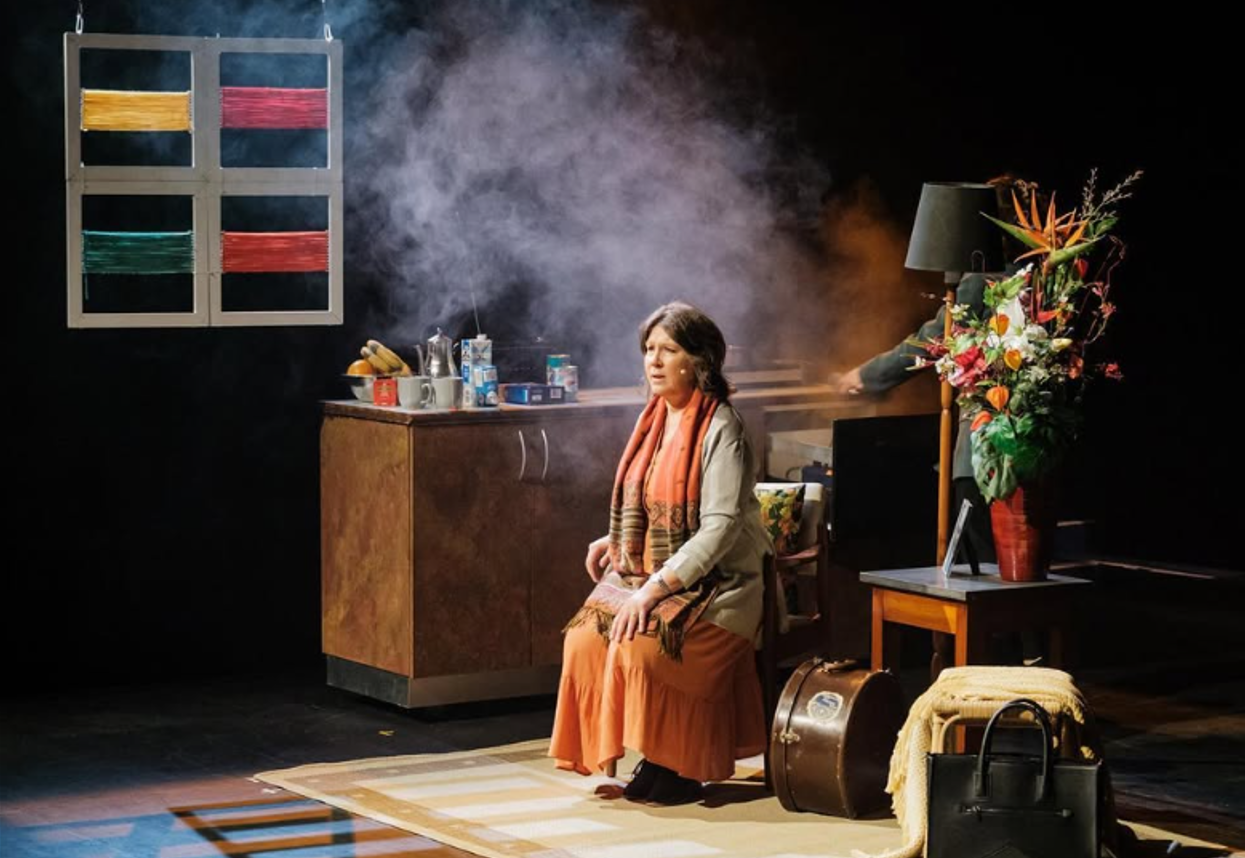
The performances anchor the material effectively. Kathie Renner delivers a thoughtful portrayal of Lizzy, emphasising vulnerability and uncertainty without reducing the character to a collection of symptoms. Renner's vocal approach is notably restrained, frequently sitting in a space between speech and song. The result can be remarkably effective during moments when Lizzy seems to be reaching through a haze of fading memories. Her soft, breathy vocal quality creates the sensation of thoughts slipping away almost as quickly as they appear.
There are occasions, however, when this stylistic choice works against clarity. Some lyrics become difficult to discern, even from close seating positions. This issue is not isolated to Renner. Much of the cast adopts a similarly understated vocal style throughout the performance. While the intimacy suits the material, stronger projection would allow audiences greater access to lyrics that often carry significant narrative weight. In a musical where songs function as much of the storytelling engine, losing portions of the text can occasionally create distance between performers and audience. The whisper-like style is particularly effective when portraying uncertainty, confusion and fading memories, but it is most impactful when balanced against moments of stronger vocal confidence.
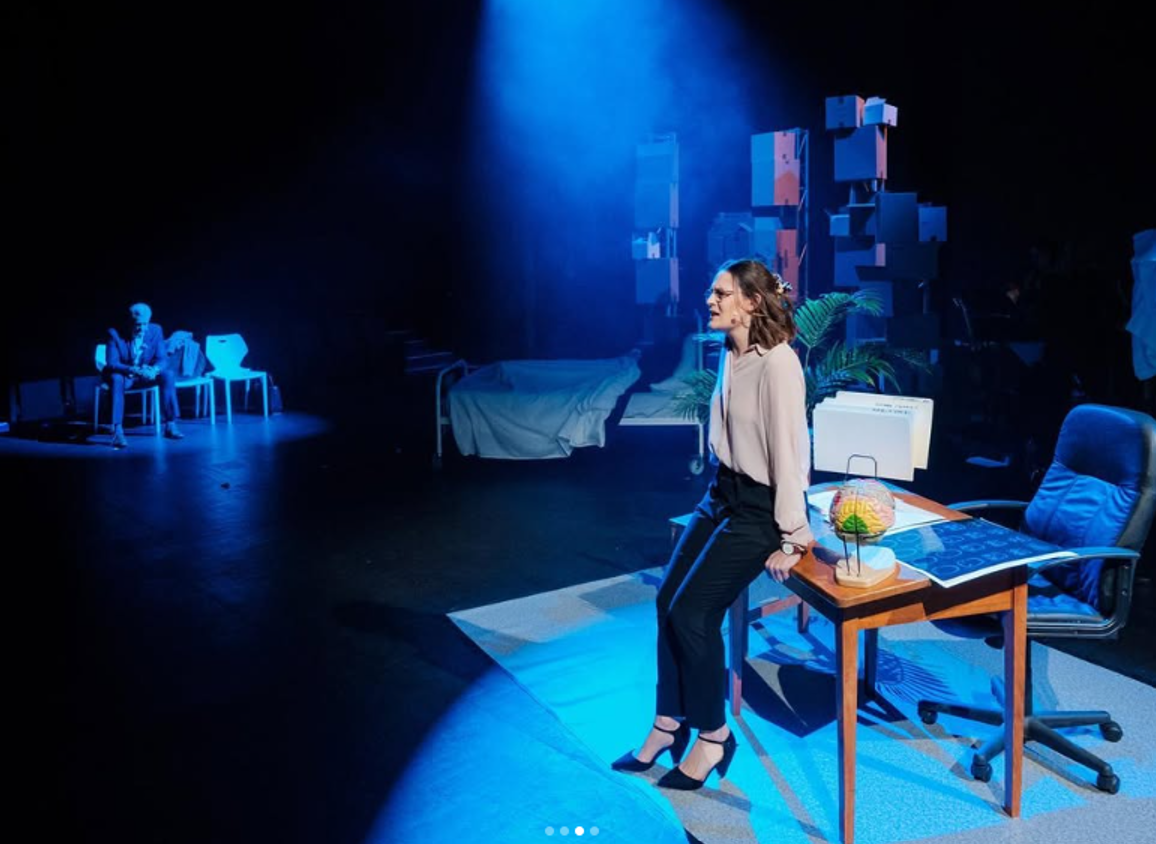
Lauren Henderson brings warmth and emotional credibility to Sonia. Her performance effectively captures the competing feelings many family members experience when supporting someone with dementia. Love, frustration, protectiveness and grief frequently coexist within the same scene, and Henderson navigates those shifts with assurance. She is also responsible for some of the show's lighter material, providing welcome moments of levity without undermining the seriousness of the subject matter.
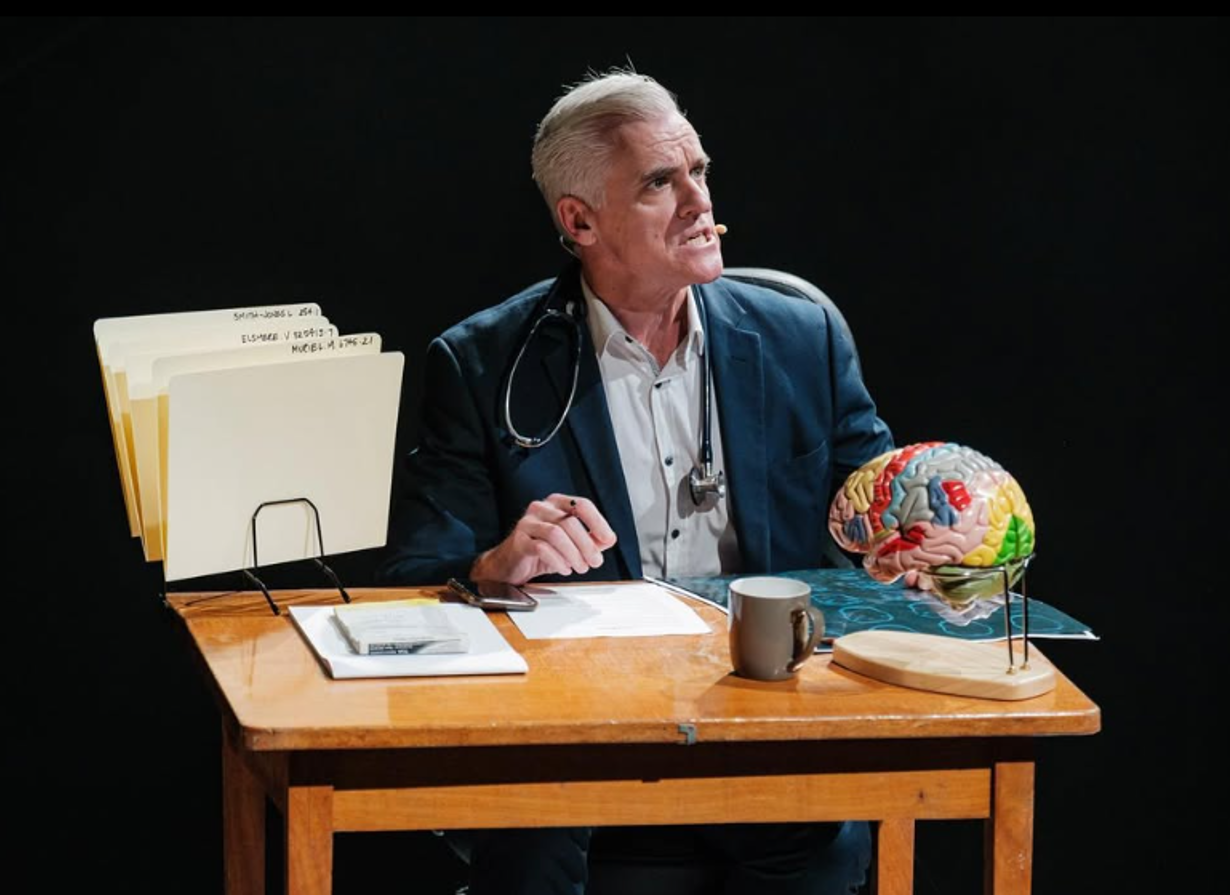
Mathew Noble offers perhaps the strongest vocal presence of the central trio. His portrayal of Jeremy balances professionalism with humanity, avoiding the trap of making the doctor simply an exposition device. Noble's musical performances are delivered with confidence and clarity, and he brings an energetic physicality that provides contrast to the production's more subdued moments. Numbers such as ‘Vitamin H’ particularly benefit from his commitment and stage presence.
A considerable amount of credit must also go to musical director David Goodwin, who performs the score live from the side of the stage throughout the show. The keyboard accompaniment proves remarkably versatile, capable of conveying a wide range of emotions while effortlessly shifting the atmosphere from humour to anxiety, from warmth to grief. There is a tangible benefit to having the music performed in full view of the audience rather than delivered solely through prerecorded tracks. The physical presence of the pianist creates a stronger connection between music and performance, giving scenes an immediacy and authenticity that reinforces the show's human focus. In a production centred on memory and personal connection, that live musical partnership becomes one of the evening's quiet strengths.
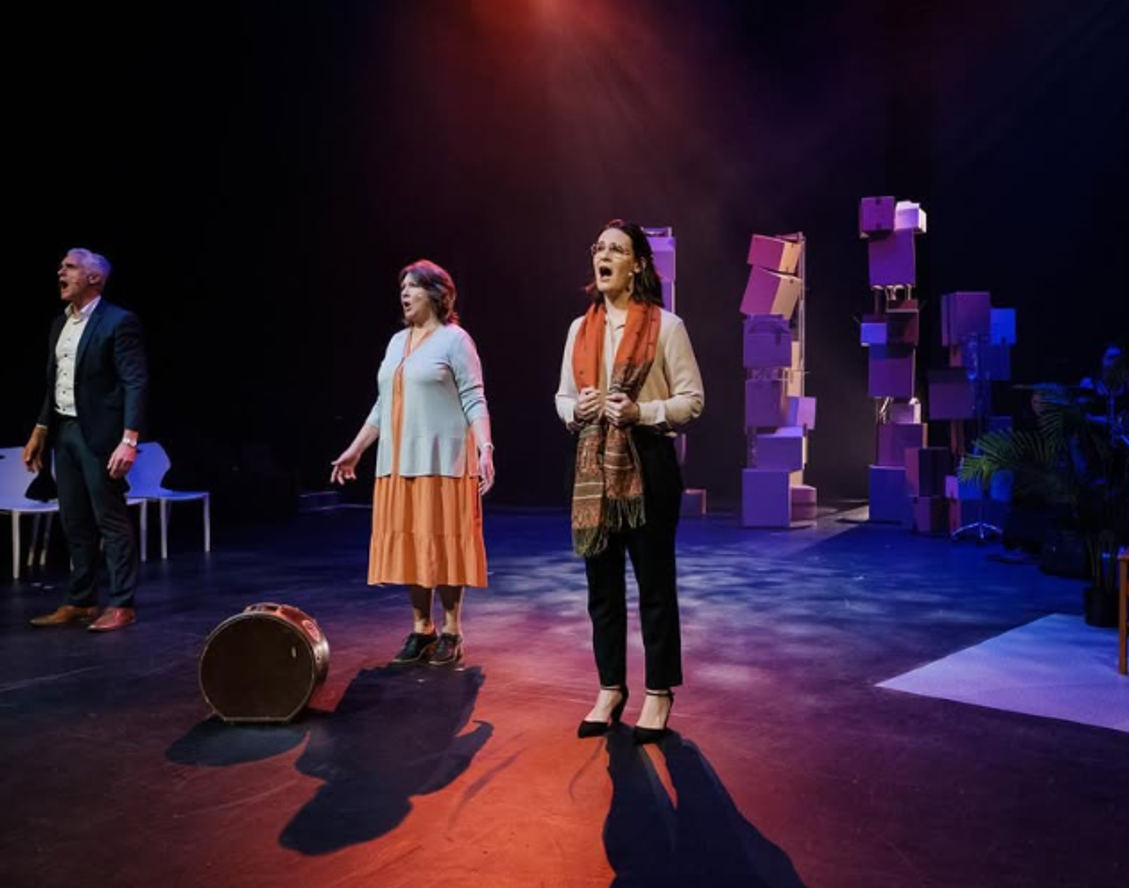
Musically, the show is ambitious. Twenty musical numbers in eighty minutes leaves little room for lingering, but it does allow the McKellars to explore a broad range of experiences. The opening number, ‘Another Day’, establishes the show's musical identity with confidence, while later songs move between humour, reflection and emotional confrontation. Several standout moments employ contrapuntal vocal arrangements, with different characters singing conflicting thoughts and perspectives simultaneously. These overlapping vocal lines effectively communicate confusion, competing priorities and the emotional chaos that dementia can introduce into family relationships. Rather than simply advancing plot, the music frequently illustrates emotional states that would be difficult to capture through dialogue alone.
The downside of such a dense musical structure is that some scenes move on just as they begin to land emotionally. The production touches on a wide spectrum of experiences, from uncertainty and denial through to caregiving fatigue and anticipatory grief, but there are moments where additional silence might have been more powerful than another song. A few opportunities for reflection could give particularly affecting scenes greater room to resonate before the narrative presses forward. The show is so focused on covering the full journey that it occasionally sacrifices emotional depth in favour of breadth.
Part of this comes from the reality of the subject matter itself. Dementia is not a condition with easy answers. It is unrelenting, unpredictable and deeply frustrating for everyone involved. The musical successfully portrays many of the emotions surrounding the diagnosis, including fear, impatience, exhaustion, sadness and acceptance. What receives less attention are the fleeting moments of lucidity that can occur amidst the deterioration. Those flashes of clarity can often reignite hope, denial and confusion among loved ones, and a deeper exploration of that aspect might have added another layer of complexity to an already thoughtful work.
Even so, A Box of Memories succeeds because of the sincerity at its core. The creative team clearly understands that dementia is about far more than memory loss. It is about relationships changing shape. It is about the frustration of losing independence, the guilt felt by carers, the fear of an uncertain future and the determination to preserve connection despite profound challenges. The production may not delve as deeply into every aspect as some audience members might wish, but it consistently approaches its subject with empathy and care.
What lingers most after the final curtain is not any single song or dramatic moment, but the show's reminder that meaningful connection remains possible even as memories begin to fade. Theatre often strives to convince audiences that they are not alone in their experiences. In that respect, A Box of Memories achieves something genuinely valuable. While stronger vocal projection and a little more room for reflection would elevate the production further, it remains an engaging, educational and quietly affecting piece of musical theatre that shines a light on an issue impacting an ever-growing number of New Zealand families.
A Box of Memories is being performed at Auckland’s Q Theatre from 22-25 October 2026. Purchase tickets here
Review written by Alex Moulton
