Photo credit: Sambath Ouch
Presented as part of the Day One Shorts Collection 2026, premiering via Show Me Shorts 2026
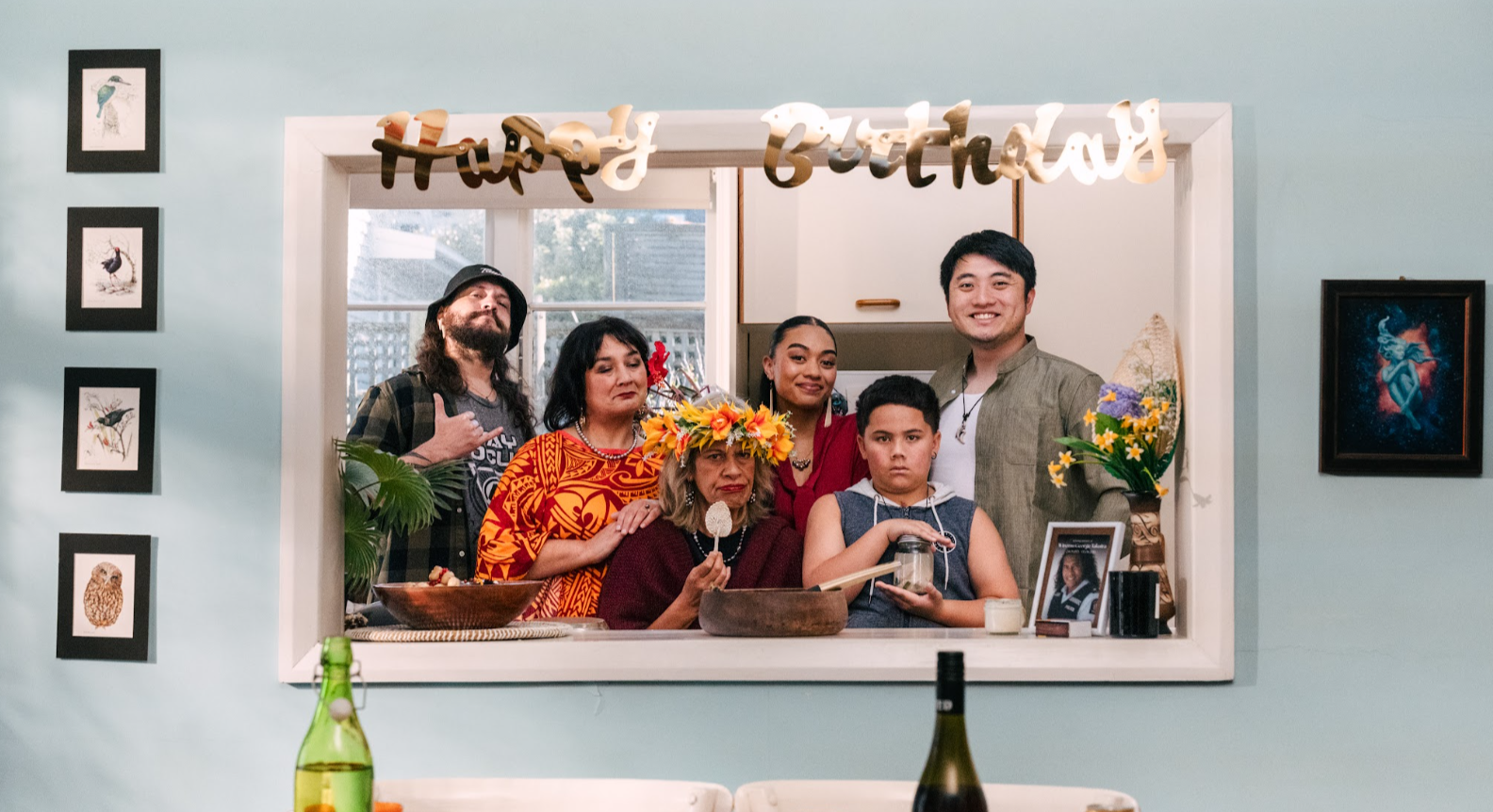
Teheani hopes her Chinese-Malaysian boyfriend, David, will charm her Tahitian family with a homemade feast. But the biggest fight of the night isn’t over food – it’s over his foreskin. Now they must confront tradition, family, and whether love can survive the cut.
Tāpū is a charming and frequently hilarious culture-clash comedy that finds humour in one of the most universal relationship experiences imaginable: meeting the family and desperately trying not to make a fool of yourself. Beneath its awkward laughs and escalating misunderstandings, however, lies a thoughtful exploration of cultural identity, tradition, and the challenges of navigating customs that carry far deeper meaning than an outsider may first realise.
At its core, the film follows a seemingly simple premise. Teheani's boyfriend David wants to make a positive impression on her Tahitian family, approaching the occasion with all the enthusiasm and nervous determination you might expect from someone hoping to prove they belong. Predictably, things do not go quite according to plan. What follows is a steadily escalating series of uncomfortable situations that force David to navigate unfamiliar cultural expectations while struggling to maintain his confidence and dignity.
Mahana Dexter and Grace Chan wisely understand that the most effective cringe-comedy comes from genuine emotional investment. The audience is not laughing at a clueless outsider being ridiculed. Instead, viewers are laughing because they recognise David's predicament. Most people have experienced situations where they desperately wanted to be respectful and accepted, only to discover they were operating with incomplete information. That relatability gives the film much of its appeal and keeps the humour warm-hearted even at its most uncomfortable.

Photo credit: Sambath Ouch
The screenplay handles cultural themes with a surprising amount of care considering its light, comedic tone. While the film generates plenty of laughs from David's increasingly fraught attempts to navigate unfamiliar customs, it never treats the culture itself as the joke. Instead, humour emerges from misunderstanding, assumption, and the pressure people place upon themselves when trying to fit into a community they genuinely respect. The distinction is important, and the film manages it well.
The concept of tāpū itself sits at the centre of the narrative. Ideas surrounding sacred boundaries, restrictions, and cultural expectations become the catalyst for much of the tension, while also providing the story with deeper thematic weight. As David attempts to understand the significance of traditions outside his own experience, the film gradually reveals how cultural values shape relationships, family dynamics, and personal identity.
The strongest aspect of the storytelling is the way it balances comedy with sincerity. Beneath the awkward encounters and escalating discomfort sits a genuine examination of what it means to join a family whose values, customs, and traditions are not your own. The film recognises that respect involves more than good intentions. It requires listening, learning, and accepting that some things cannot simply be understood through logic alone.
Visually, the filmmakers do a strong job of placing viewers directly into David's increasingly stressful perspective. Camera placement frequently reflects his emotional state, trapping him in tight close-ups whenever situations begin spiralling beyond his control. These moments create a subtle sense of claustrophobia, allowing the audience to share in his growing discomfort. The closer the camera pushes in, the more palpable his anxiety becomes.
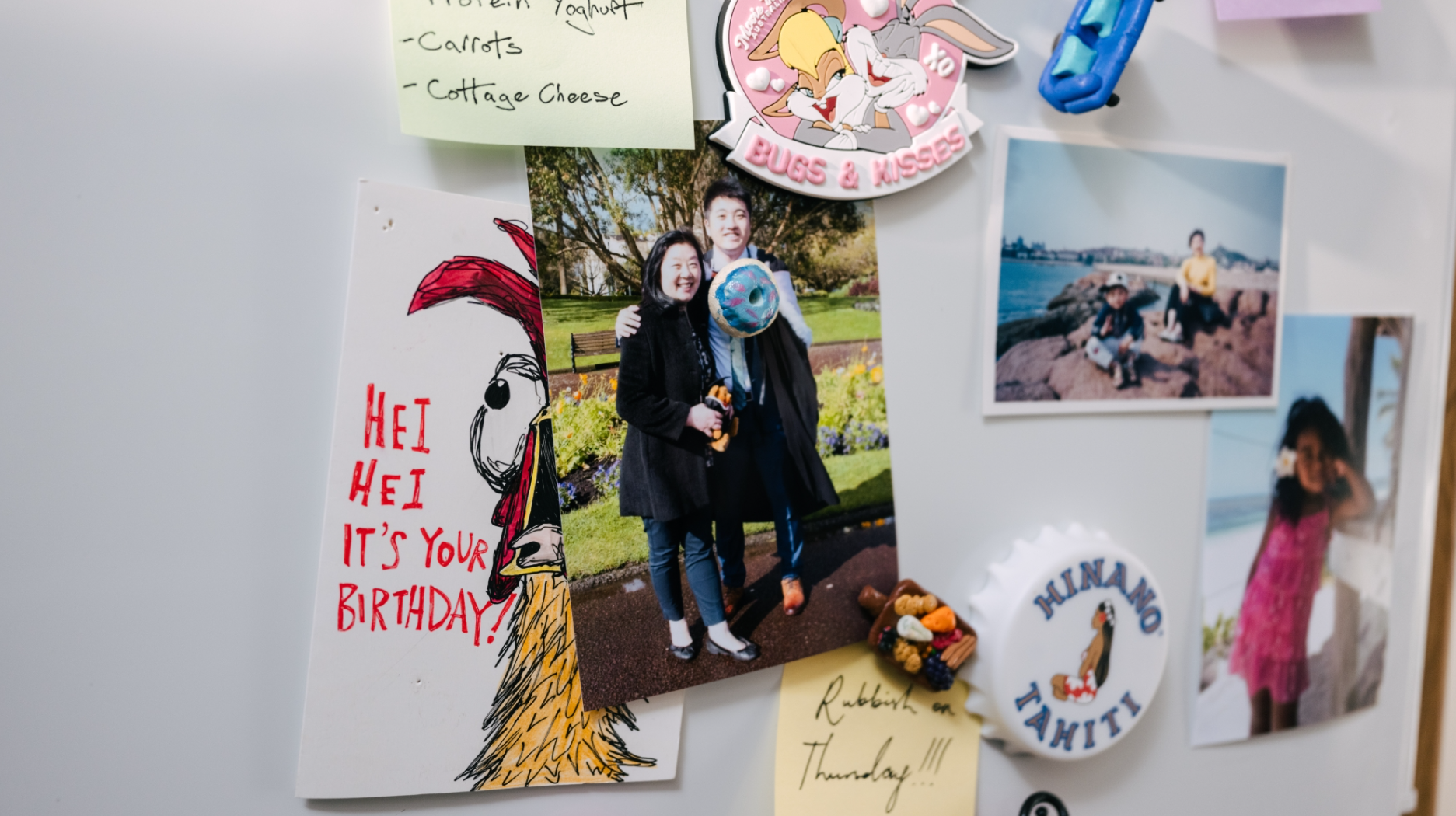
Photo credit: Sambath Ouch
The framing is equally effective in communicating his outsider status. Throughout the film, David is often visually separated from the family around him. Whether through positioning within group compositions or the way scenes are staged, there is a recurring sense that he is trying to find his place within an already established dynamic. These visual choices reinforce the narrative without drawing attention to themselves, quietly supporting the comedy and character development.
The editing deserves particular praise for its sense of timing. Cringe-comedy lives and dies on rhythm, and Tāpū demonstrates a clear understanding of how to maximise awkwardness. Reactions arrive at exactly the right moment, pauses are allowed to linger just long enough, and scenes rarely overstay their welcome. The result is a film that maintains momentum while extracting as much comedic value as possible from every uncomfortable interaction.
What makes these moments work so well is that the audience is often laughing while simultaneously sympathising with the protagonist. The film understands that embarrassment can be both funny and painful, and it leans into that duality. David's increasingly frantic efforts to avoid offending anyone create a steady stream of comedy, but they also reveal a character who genuinely cares about being accepted and understood.
The soundscape also contributes significantly to the film's identity. Traditional Pasifika instrumentation is woven throughout the soundtrack, helping ground the story within its cultural setting while adding warmth and texture to the overall atmosphere. The music feels naturally integrated rather than performative, enriching the film's sense of place and strengthening its connection to the traditions being explored.
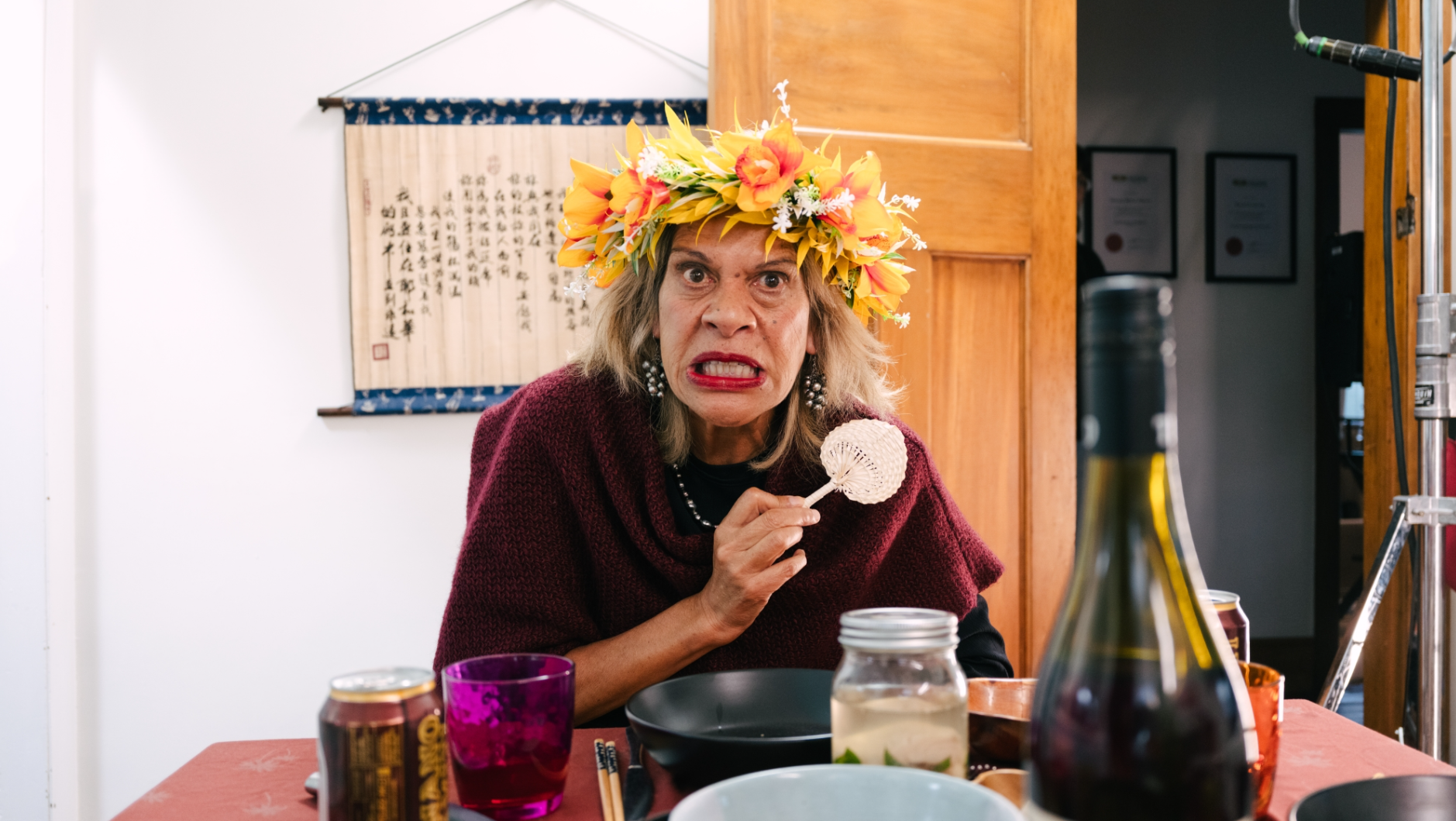
Photo credit: Sambath Ouch
Although the narrative itself remains relatively straightforward, that simplicity works in the film's favour. Rather than becoming tangled in unnecessary subplots or overcomplicated storytelling, Tāpū remains focused on its central characters and themes. This allows the cultural and emotional aspects of the story to shine without distraction. The film knows exactly what it wants to explore and pursues those ideas with confidence.
There is also an appealing generosity to the way it presents its cultural perspectives. The film never feels like it is lecturing its audience or reducing complex traditions to simple explanations. Instead, viewers are invited to experience the uncertainty, confusion, and eventual understanding alongside the protagonist. This approach makes the story feel accessible while maintaining respect for the traditions it depicts.
By the time the credits roll, Tāpū has delivered far more than a collection of awkward laughs. It uses humour as an entry point into a deeper conversation about family, belonging, and cultural understanding. The result is a warm, engaging short film that finds comedy in discomfort without losing sight of the genuine emotional stakes beneath the surface.
Funny, culturally rich, and consistently entertaining, Tāpū succeeds because it understands that the fear of getting things wrong is often rooted in a sincere desire to get things right. Through strong comedic timing, thoughtful storytelling, and a clear affection for its characters and culture, it delivers a delightful short that is both amusing and surprisingly heartfelt.
The film premiered at Show Me Shorts on Saturday 10 October, and is available to watch on dofilm.co.nz and YouTube from Monday 12 October.
Review written by Alex Moulton
Day One Hāpai te Haeata is a supportive community that provides rangatahi with the tools, guidance and opportunities to share stories on screen. Day One supports a series of funded short films made by young emerging filmmakers that explore cultural, social and political issues. This year, 8 films have been created under Day One’s guidance and programme.
