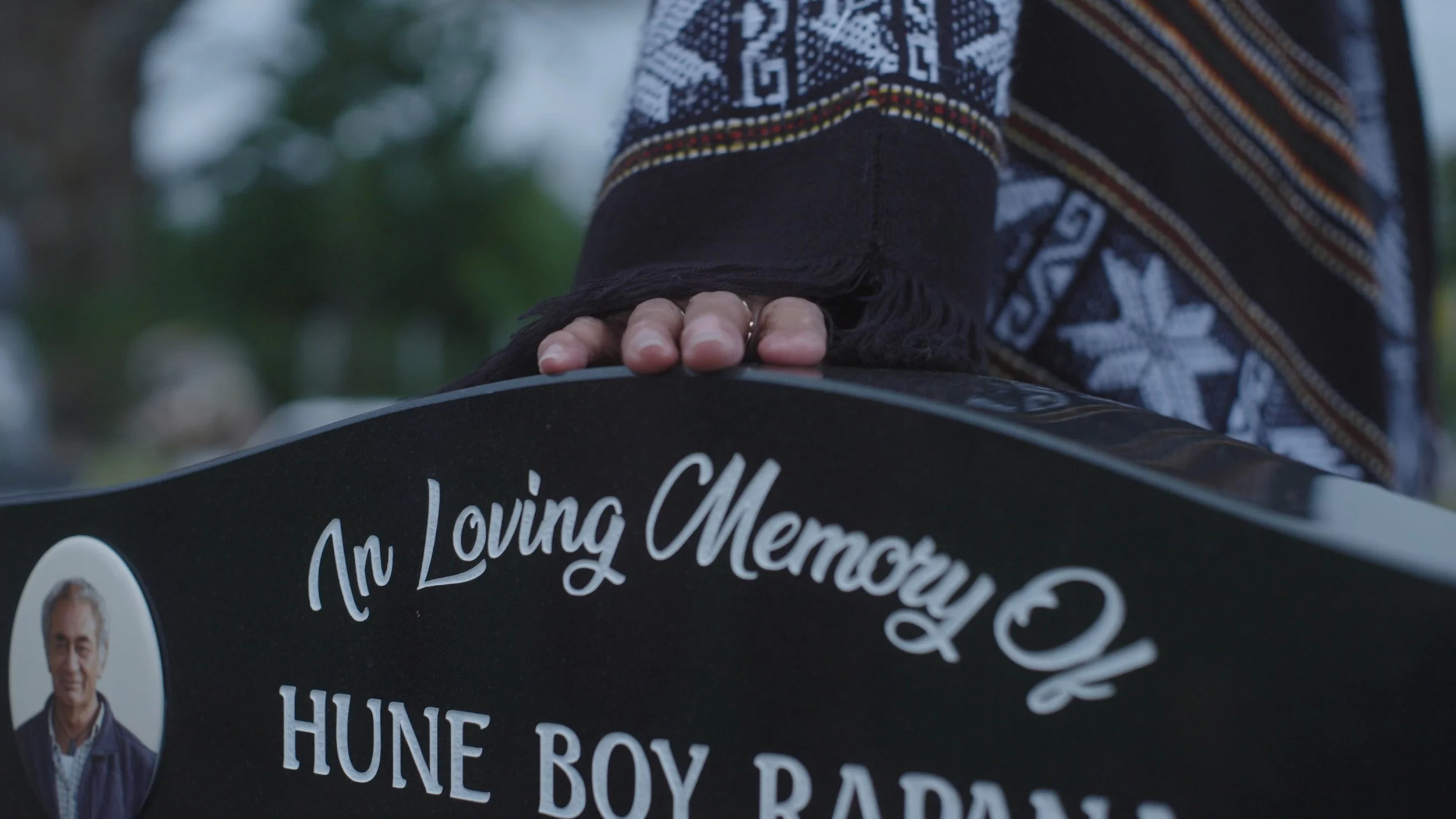
Presented as part of the Day One Shorts Collection 2026, premiering via Show Me Shorts 2026
A young filmmaker sets out to capture her kuia’s memories and soon discovers the story is not only about where she comes from, but who she must become.
Kuia: For Those Who Come After begins as a documentary about preserving family history, but over the course of its runtime becomes something far more profound. What starts as an attempt to record stories and safeguard memories gradually transforms into a deeply personal exploration of identity, belonging, and the enduring connection between generations. Filmmaker Kelsey Chapman turns the camera toward her own whānau, initially seeking answers about the past, only to discover that the journey has just as much to say about the future.
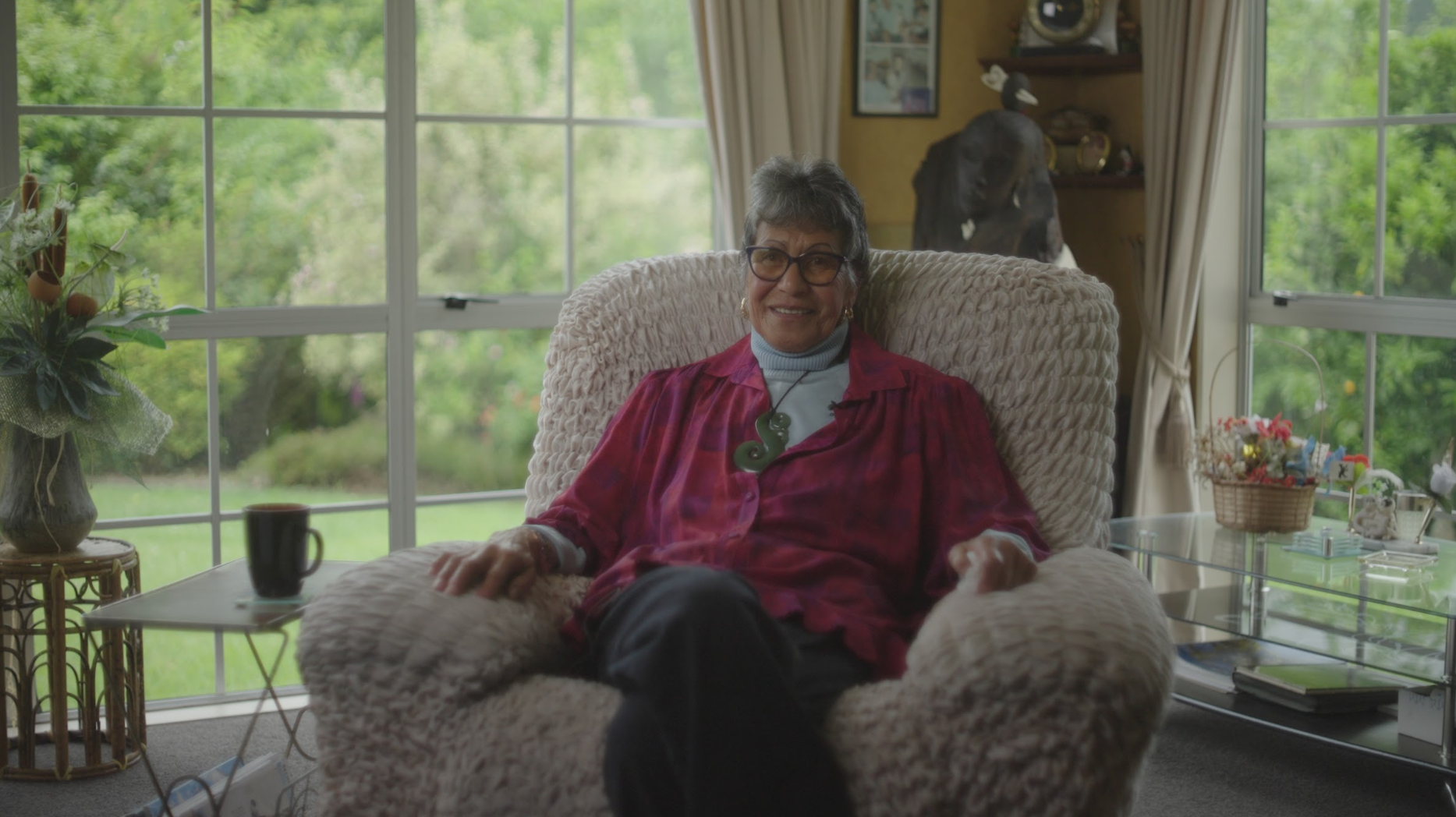
The film follows Chapman's efforts to document the memories of her grandmother, Margaret, with the intention of creating a record that can be passed on to future generations. At first, the project is approached with an almost academic mindset. There is a clear desire to catalogue information, preserve details, and ensure important knowledge does not disappear with time. The opening sections reflect this methodical perspective, framing family history as something to be collected and archived.
As the documentary progresses, however, a subtle but significant shift begins to take place. The focus moves beyond dates, events, and genealogy charts and toward something much more difficult to quantify. The film starts asking questions not simply about where a family comes from, but about what it means to truly understand and live that inheritance. In doing so, Kuia: For Those Who Come After evolves from a historical record into a deeply personal coming-of-age story.
What is particularly compelling is that this transformation does not feel staged or manufactured for dramatic effect. The documentary captures a genuine process of discovery. Chapman becomes more than an observer of her family's past. As new stories emerge and deeper layers of whakapapa reveal themselves, she is forced to reconsider her own relationship to that history. The result is a documentary that feels alive and organic, driven not by a predetermined narrative but by a real shift in perspective unfolding before the audience.
Central to this journey is Margaret, whose presence gives the film much of its warmth and emotional weight. While she begins as the subject of an interview project, her role gradually deepens. She becomes a guide, helping bridge the gap between knowledge and understanding. Through conversations, memories, and shared experiences, the relationship between grandmother and granddaughter develops into the emotional heart of the film. The documentary's strongest moments often emerge from this connection, highlighting the importance of intergenerational storytelling and the role elders play in carrying cultural knowledge forward.
The film's themes are enriched by its exploration of place. As Chapman spends time immersed in locations connected to her whakapapa, the documentary develops a stronger sense of spiritual and emotional resonance. Landscapes are not presented merely as historical sites or scenic backdrops. They feel connected to the people who came before, holding stories that cannot always be captured through traditional forms of documentation. This growing awareness becomes a defining element of the narrative and helps shape the film's emotional trajectory.
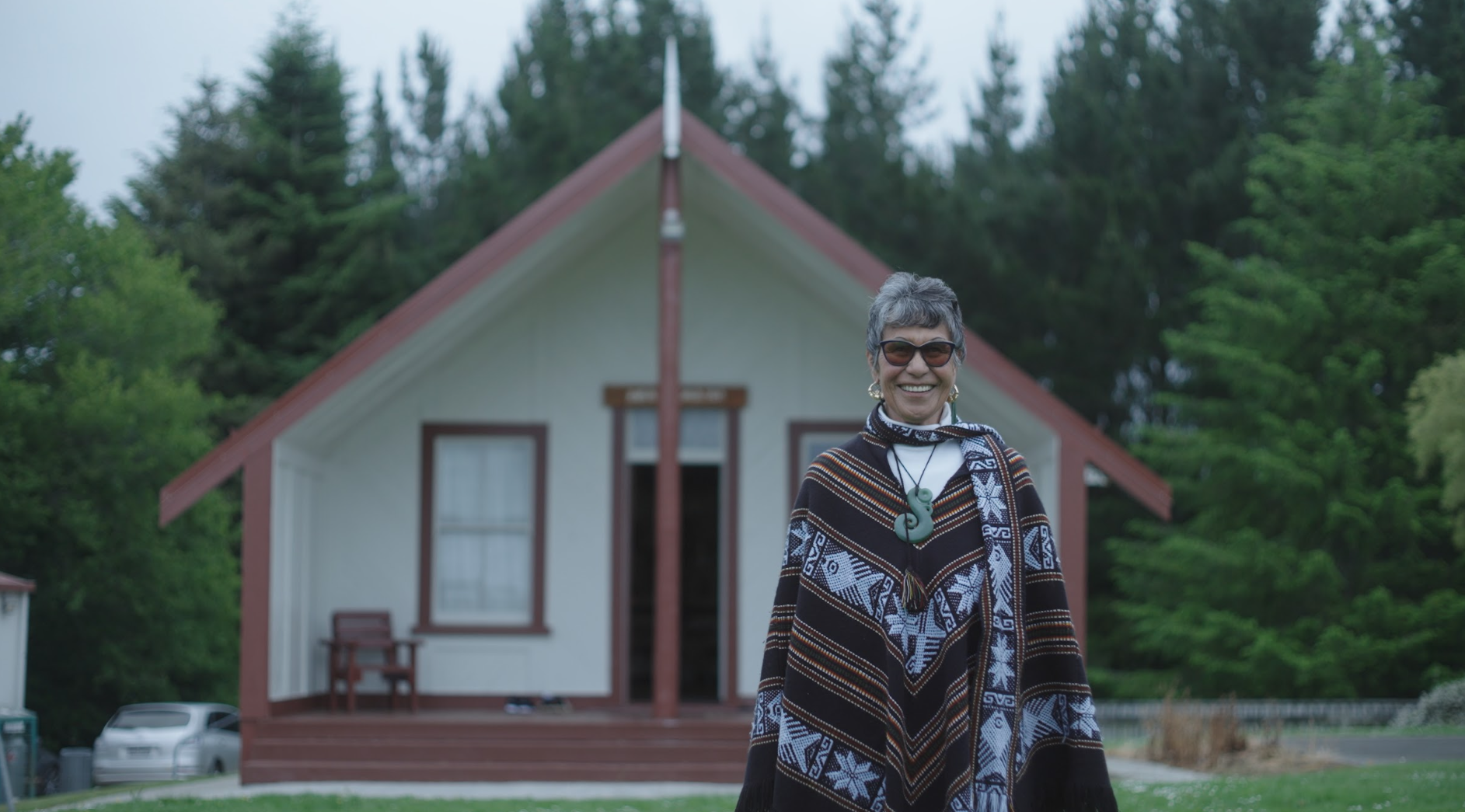
Visually, the documentary reflects this evolution with impressive subtlety. Early scenes embrace a more structured interview style that aligns with the project's original intentions. The framing feels intentional and controlled, mirroring the objective approach Chapman initially takes toward her research. As the journey grows more personal, the visual language begins to loosen. The camera lingers on landscapes, captures quiet moments of reflection, and allows environments to speak for themselves. These more contemplative sequences bring a poetic quality to the film, creating space for emotion and connection to emerge naturally.
The cinematography proves particularly effective during these quieter moments. Natural light, expansive outdoor settings, and patient composition invite audiences to sit with the material rather than rush through it. There is an understanding that certain truths are felt rather than explained, and the film wisely allows room for those experiences to breathe. The result is a documentary that feels reflective and immersive without becoming overly sentimental.
There are occasional visual inconsistencies between different cameras used throughout the production. Interview footage often appears vibrant and highly saturated, while much of the observational and landscape material adopts a softer, more subdued palette. The contrast can occasionally draw attention to itself, particularly when moving between scenes. Interestingly, though, the gentler look of the location footage often enhances the documentary's atmosphere, lending those sequences a sense of calm and reflection that suits the material remarkably well.
What ultimately makes Kuia: For Those Who Come After so effective is its emotional honesty. The film never presents cultural connection as something simple or automatic. Instead, it acknowledges that understanding one's place within a family story can be a lifelong process. There is a refreshing openness to uncertainty throughout much of the documentary, allowing viewers to experience the journey alongside Chapman rather than being given neat conclusions from the outset.
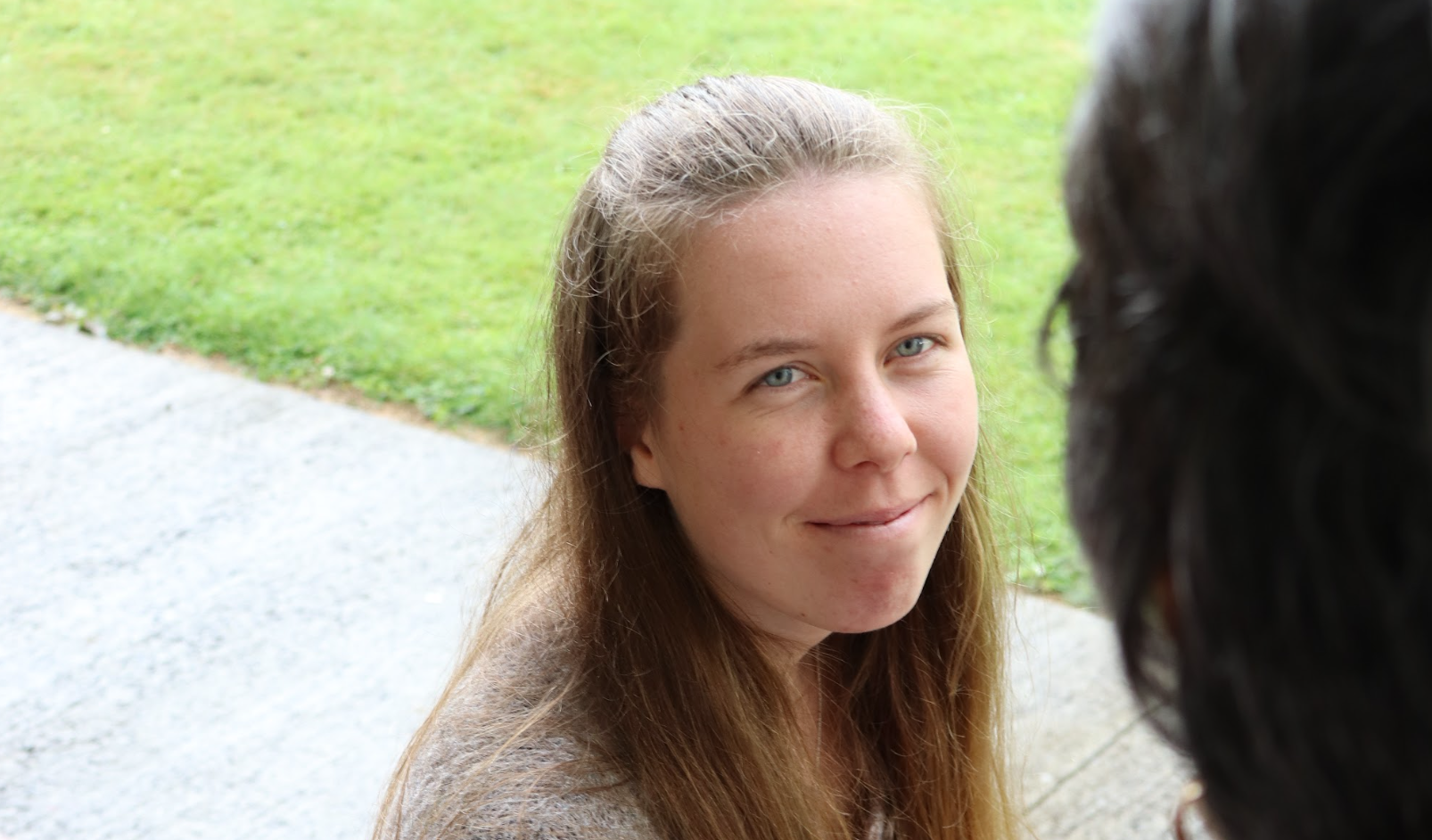
The film also carries an important message about the value of learning from those who came before us. It suggests that understanding our histories is not simply about preserving the past but about informing who we become moving forward. In this sense, the documentary functions as a quiet act of cultural preservation while also encouraging reflection on our own relationships with family, identity, and belonging.
By its final moments, Kuia: For Those Who Come After has developed a remarkable emotional depth. What begins as an effort to record memories gradually reveals itself as a story about connection, inheritance, and self-discovery. The personal nature of the documentary only strengthens its universal appeal, as its themes will resonate with anyone who has ever wondered how the stories of previous generations continue to shape their own lives.
Gentle, thoughtful, and deeply heartfelt, Kuia: For Those Who Come After is a moving documentary that understands the power of listening. Through its exploration of whakapapa, whānau, and personal growth, it delivers an experience that feels both intimate and universal. More than a record of one family's history, it is a reminder that the stories we inherit do not simply tell us where we have come from. They help us understand where we are going.
The film premiered at Show Me Shorts on Saturday 10 October, and is available to watch on dofilm.co.nz and YouTube from Monday 12 October.
Review written by Alex Moulton
Day One Hāpai te Haeata is a supportive community that provides rangatahi with the tools, guidance and opportunities to share stories on screen. Day One supports a series of funded short films made by young emerging filmmakers that explore cultural, social and political issues. This year, 8 films have been created under Day One’s guidance and programme.
