Carrie (2026)
After her father's sudden, untimely death thrusts her into the unforgiving ecosystem of public high school, Carrie is forced to navigate a viral bullying scandal that tears through her community, the relentless pressure and casual cruelty of the social‑media age, and the awakening of mysterious telekinetic powers that rise alongside her adolescence.
Mike Flanagan’s Carrie arrives with the unusual challenge of revisiting a story that has already been adapted several times across film, television, and even musical theatre. The question of why to return to this particular tale has hovered over every new iteration, but Flanagan’s answer is clear from the opening episode. This version is not a horror showcase. It is a character‑driven drama with supernatural elements woven through it, a grounded reinvention that places Carrie White at the centre of a modern ecosystem she is wholly unprepared for.
The series begins with a shift that immediately distinguishes it from previous adaptations. Carrie, played by Summer H. Howell, is not timid or withdrawn. She is open, curious, and eager to understand the world beyond her home. This personality change is one of the show’s strongest choices. It gives the story a fresh emotional perspective and makes Carrie’s transition into public high school feel genuinely hopeful at first. Howell’s performance is warm and sincere, and her portrayal makes Carrie’s later struggles more affecting because the fall is steeper. Her optimism is not naive. It is a survival instinct, shaped by a childhood spent under the heavy influence of her mother’s worldview.
Samantha Sloyan delivers a standout performance as Margaret White. She plays Margaret with a tension that never needs to be exaggerated. Her presence is unsettling in quiet ways, and the dynamic between her and Carrie is layered with fear, devotion, and misunderstanding. Sloyan’s interpretation avoids the familiar extremes of past adaptations, instead grounding Margaret in a recognisable emotional logic. Her scenes with Howell are some of the most compelling in the series, offering a nuanced look at how love can become distorted by fear.
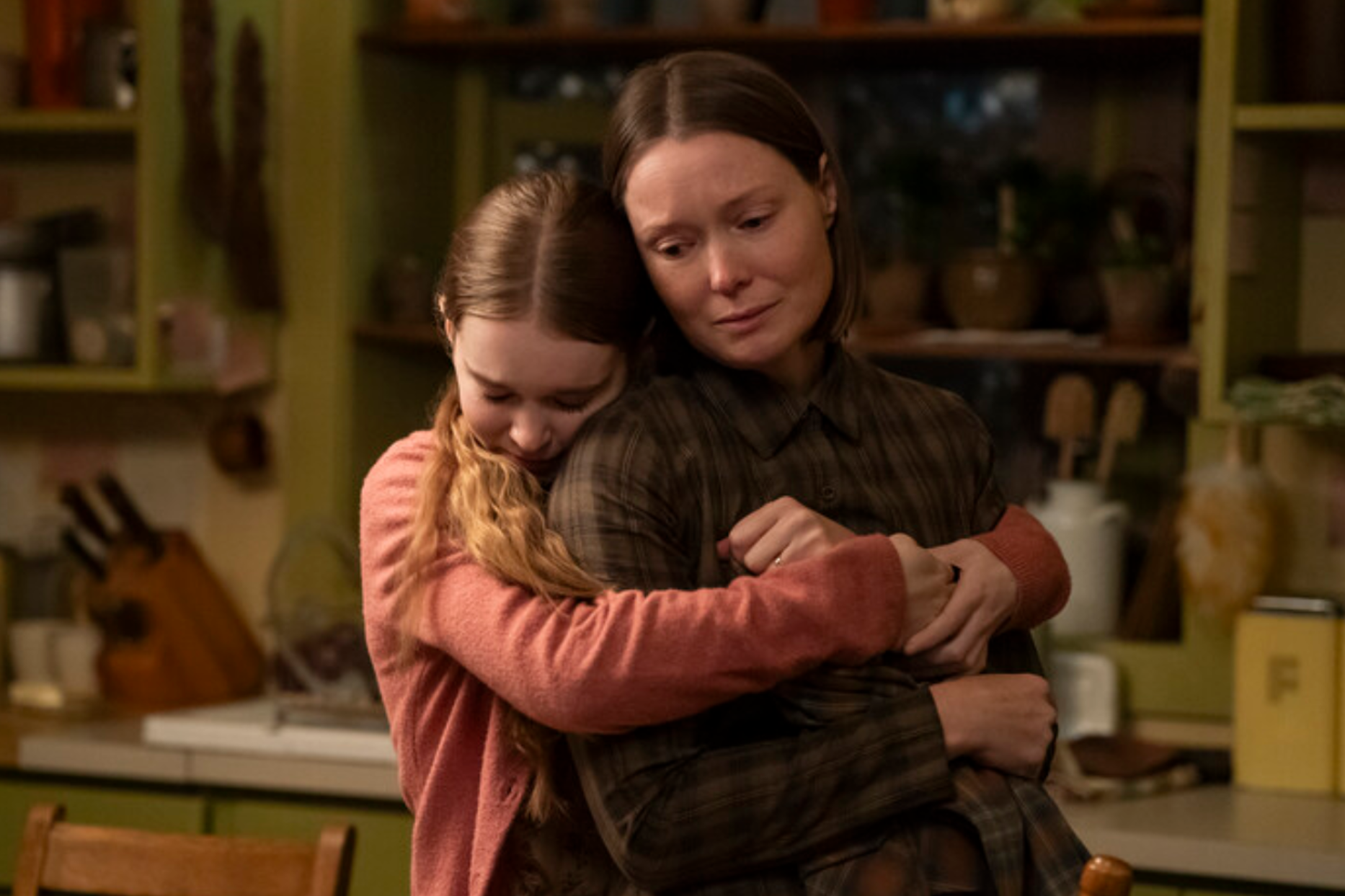
Photo Credit: Robert Falconer/Prime
Copyright: © Amazon Content Services LLC
Chamberlain itself feels different this time. The production design leans into a blend of modern detail and retro texture, creating a world that feels both contemporary and slightly out of time. The colour grading and costuming evoke a 1970s aesthetic, yet the social environment is unmistakably current. Cyberbullying, viral scandals, and the relentless pressure of social media shape the school ecosystem Carrie is thrust into. These additions make the story feel relevant without losing the timeless qualities of King’s original themes.
The bullying storyline is expanded in ways that feel natural for a modern adaptation. Alison Thornton’s Chris Hargensen is given more depth, allowing her motivations to feel grounded rather than purely malicious. The series explores how cruelty can grow from insecurity, pain, and social pressure. Thornton’s performance is sharp, and the writing gives her room to evolve into a more complex antagonist. Josie Totah’s Tina Blake is another highlight, shifting from a seemingly minor presence into a forceful personality who amplifies the tension within the school’s social hierarchy.
The pacing across the eight episodes is deliberate. The early chapters are youth‑focused, leaning heavily into drama and character development. Flanagan and his directing team, including Kate Siegel, Axelle Carolyn, and Kyra Sedgwick, build tension through small moments rather than immediate spectacle. Because the supernatural elements are initially subtle, the series uses flashes of future events and direct foreshadowing to maintain audience investment. These glimpses of what is to come may feel like premature reveals, but they serve a clear purpose. The tone of the early episodes is so different from the intensity of the later ones that without these hints, some viewers might underestimate the scale of the story’s eventual escalation.
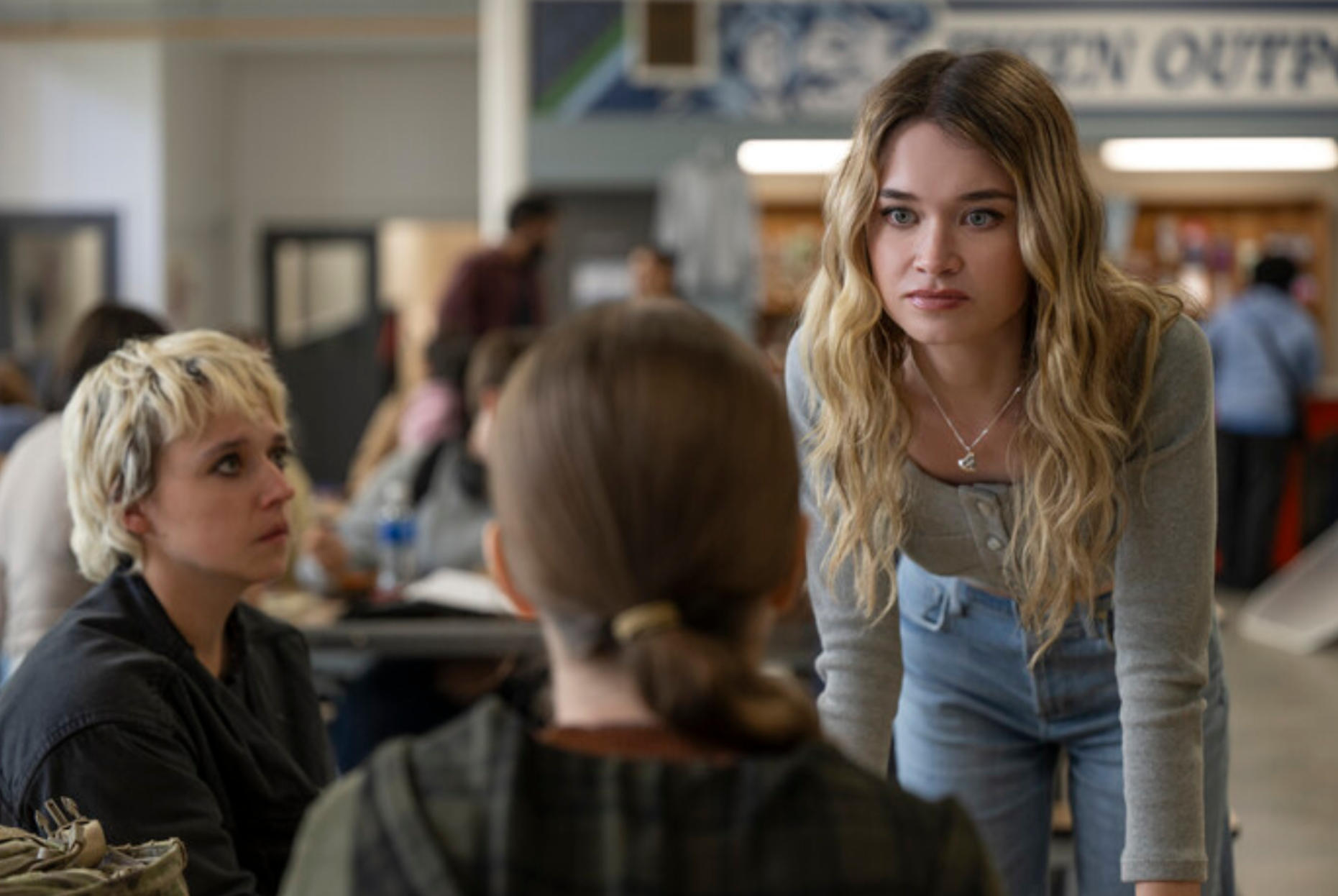
Photo Credit: Robert Falconer/Prime
Copyright: © Amazon Content Services LLC
While the foreshadowing is effective, it does come with trade‑offs. Some viewers may wish the series had held back its cards longer, allowing the narrative to unfold without previewing its destination. Yet the contrast between Carrie’s early experiences and the later supernatural developments is so stark that the glimpses of the future help bridge the tonal gap. They create anticipation and curiosity, encouraging the audience to stay with the story as it gradually shifts from grounded drama to something more expansive.
The series introduces several new characters and elements that add intrigue but are not fully explored within the season. These additions create misdirection, acting as red herrings that keep the audience guessing about motivations and alliances. While this approach adds suspense, it also leaves unanswered questions that may frustrate viewers seeking a more complete narrative. The show clearly has ambitions beyond a single season, and many threads feel intentionally left open.
Each episode begins with a piece of lore, a stylistic choice that sets the tone and provides a thematic anchor for what follows. These openings allow the series to incorporate moments of horror and action without disrupting the rhythm of the high school drama. They also contribute to the sense that the world is larger than Carrie realises, even if the specifics remain outside the scope of this season.
The mood throughout the series is carefully controlled. Flanagan’s direction invites tension through slow pacing punctuated by sharp, disruptive moments. The audience is encouraged to question every character’s motives, even when the story follows familiar beats from the original novel. The misdirection is effective, creating an atmosphere of uncertainty that keeps the viewer engaged.
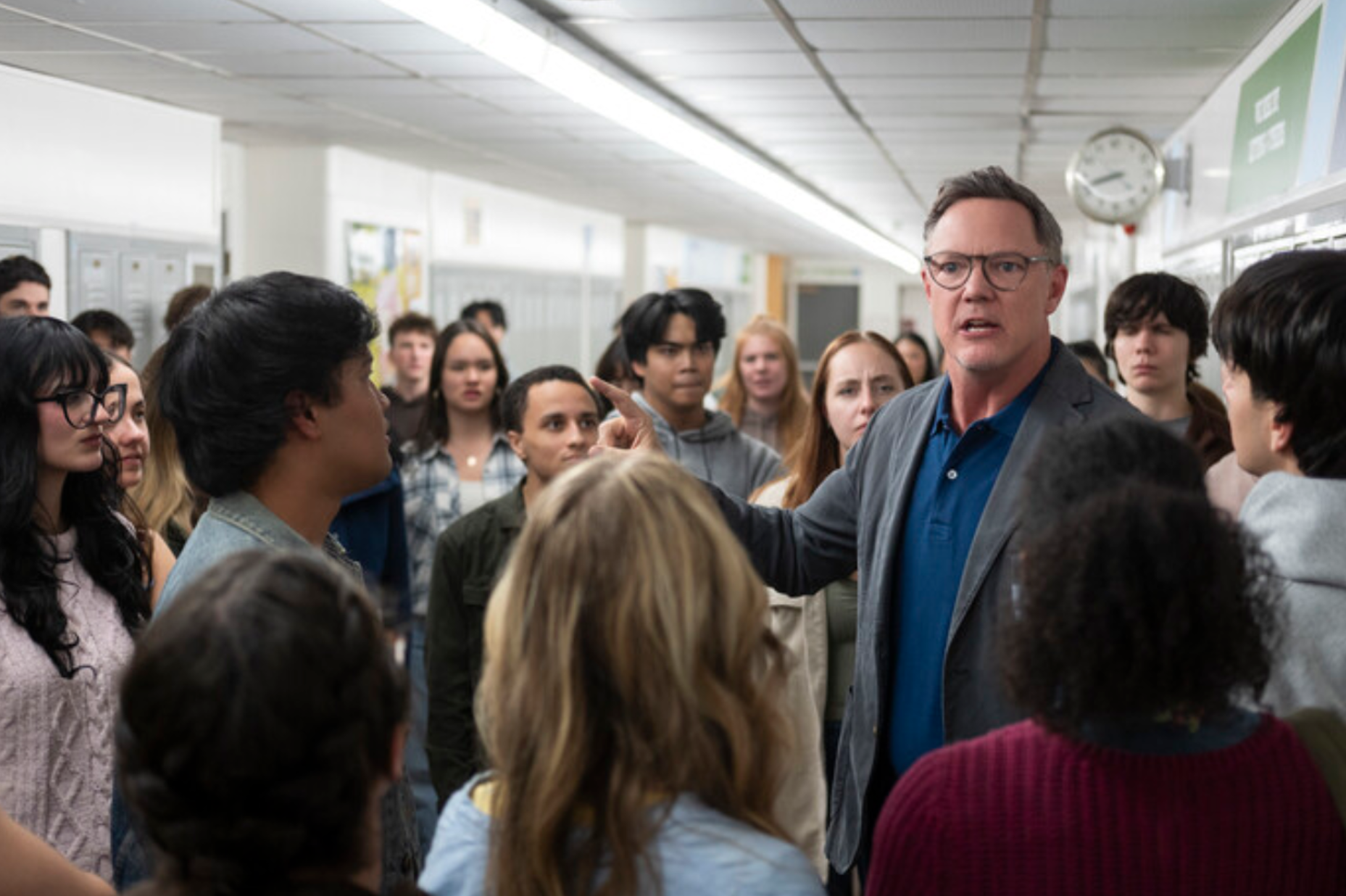
Photo Credit: Robert Falconer/Prime
Copyright: © Amazon Content Services LLC
Thalia Dudek’s Emaline is a quietly pivotal addition. Her presence becomes a turning point for Carrie, offering a space of comfort and connection that contrasts with the hostility of the school environment. Dudek plays the role with a calm intensity that adds emotional depth without overshadowing the central narrative.
The supernatural elements grow more prominent as the series progresses, rising alongside Carrie’s emotional turmoil. The escalation feels earned because the groundwork is laid through character rather than spectacle. The show remains focused on Carrie’s internal journey, treating her abilities as an extension of her adolescence rather than a separate genre device.
Ultimately, Carrie succeeds because it understands that the heart of the story is not horror. It is empathy. It is cruelty. It is the fragile line between hope and despair. Flanagan’s adaptation honours the spirit of King’s novel while reshaping it for a world where the pressures placed on young people have evolved in ways the original text could never have anticipated. This version of Carrie is thoughtful, emotionally rich, and quietly devastating. It is a reinvention that feels both respectful and necessary.
All eight episodes of the hotly anticipated new Original series, Carrie, will premiere exclusively on Prime Video on October 7, in more than 240 countries and territories worldwide.
Review written by Alex Moulton
