Big Girls Don’t Cry (2026)
Rural New Zealand, 2006. Over one transformative summer, 14-year-old Sid Bookman discovers desire, identity and the internet, as she imitates the people, she longs to be loved by.
Big Girls Don’t Cry is an assured and emotionally perceptive debut from writer-director Paloma Schneideman, capturing the awkwardness, confusion and intensity of adolescence with remarkable honesty. Set during a long New Zealand summer in 2006, it is a coming-of-age story that explores identity, desire and belonging through the eyes of a teenage girl desperately trying to understand herself, and it succeeds because it refuses to offer easy answers or neatly packaged lessons.
Fourteen-year-old Sid Bookman spends her summer caught between childhood and adulthood, inhabiting that uncomfortable space where every decision feels monumental and every social interaction carries the weight of life-or-death consequences. Living in a small rural town alongside her volatile, alcoholic father, Sid lacks the kind of guidance that might help make sense of the emotions beginning to surface within her. Instead, she looks outward, studying the people around her and attempting to mould herself into whatever version of a person she believes might finally earn acceptance.
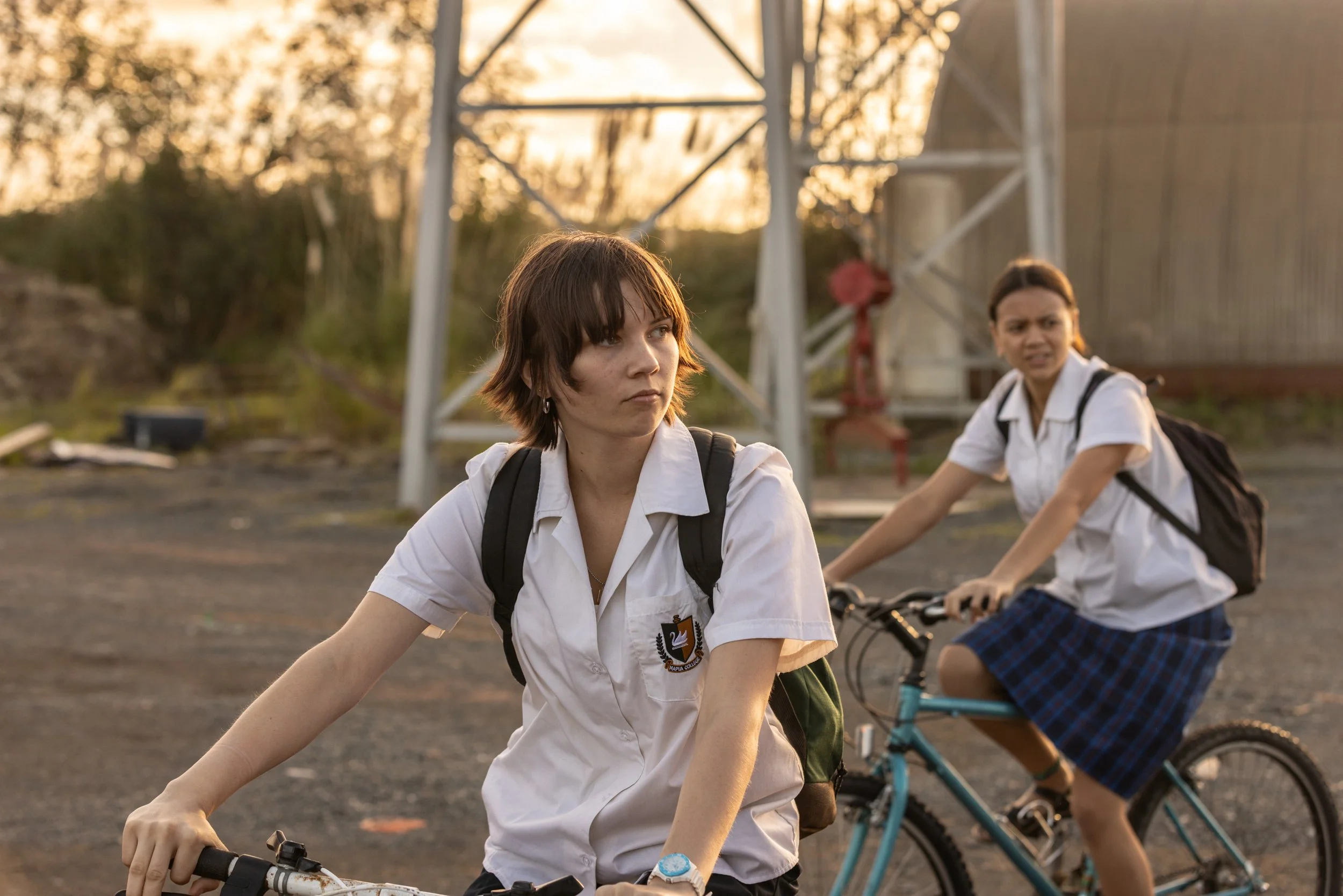
Schneideman's script understands that adolescence is often built on imitation. Before young people know who they are, they frequently experiment with who they could be. Sid adopts attitudes, behaviours and stories that aren't really hers, attempting to project confidence and experience she simply doesn't possess. She lies, exaggerates and makes reckless choices, not because she's malicious but because she is desperately searching for a place to belong. The film treats these mistakes with compassion rather than judgement, recognising that growing up is largely a process of stumbling through embarrassing failures while hoping nobody notices.
The decision to set the story in 2006 proves particularly inspired. Sitting at the beginning of the digital age, but before the dominance of modern social media, the film recreates a very specific moment in time. MSN Messenger chats, Nokia phones and anonymous online identities become essential tools in Sid's exploration of herself. For many millennials, the period detail will trigger a powerful sense of recognition, but the nostalgia never feels gimmicky. Instead, the technology serves the story's larger themes about performance, self-invention and the freedom the internet briefly offered young people who struggled to express themselves in the real world.
For Sid, that online freedom becomes both refuge and temptation. Hidden behind a borrowed identity, she finds herself able to express feelings she cannot articulate face-to-face. The internet becomes a testing ground where she can experiment with confidence, attraction and desire without exposing her own vulnerabilities. Schneideman captures this with impressive nuance, understanding how technology offered many teenagers an opportunity to become the person they wished they could be, long before they were brave enough to reveal their authentic selves.
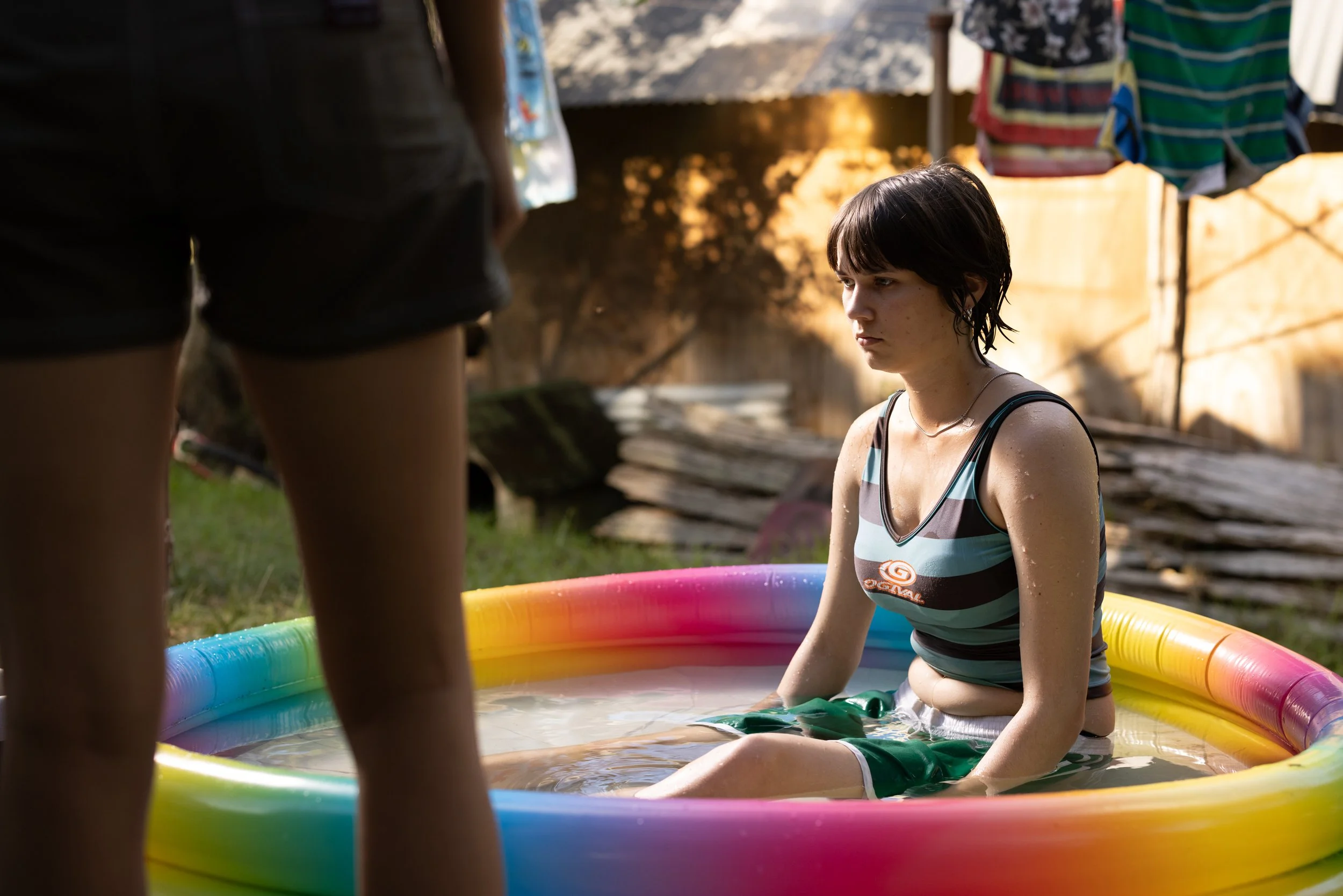
What gives the film its emotional weight is the way it portrays queer adolescence. Sid's attraction to girls is never treated as a grand revelation or dramatic plot twist. Instead, it emerges gradually through observation, curiosity and longing. She lacks the language to explain what she's feeling, and without meaningful role models in her life, she is left to piece everything together on her own. The film captures that uncertainty beautifully, depicting sexuality not as a clear destination but as a series of confusing emotions that don't yet have names.
At the centre of everything is Ani Palmer, delivering a breakout performance of extraordinary authenticity. Palmer makes Sid feel completely real. Every hesitant glance, every awkward silence and every poorly judged attempt at fitting in feels painfully familiar. She perfectly captures the contradictions of adolescence, shifting between insecurity and sudden bursts of confidence, between vulnerability and self-sabotage. Even when Sid behaves selfishly or makes frustrating decisions, Palmer ensures our empathy never disappears. Rather than playing a polished coming-of-age protagonist, she embraces all of Sid's flaws and contradictions, creating a character who feels genuinely lived-in.
The supporting cast further enriches the film's world. Ngataitangirua Hita provides warmth and grounding as Sid's loyal friend Tia, whose presence serves as a reminder of the genuine connections Sid risks compromising in her pursuit of popularity. Rain Spencer brings an effortless charisma to Freya, the American university student whose confidence and openness fascinate Sid. Their dynamic becomes one of the film's most compelling elements, with Freya representing a version of adulthood that appears both attainable and impossibly distant. Noah Taylor is equally effective as Sid's father, creating a portrait of a man whose own struggles leave little room for the support his daughter so clearly needs.

The film is also visually impressive. Cinematographer Maria Inés Manchego frequently keeps the camera close to Sid, using handheld photography and shallow focus to lock viewers into her perspective. The effect is intensely intimate. Faces loom large, backgrounds blur and moments of humiliation feel inescapable. There is an immediacy to the imagery that mirrors the heightened emotional state of adolescence, where every interaction feels overwhelmingly important.
At the same time, the film makes excellent use of its rural New Zealand setting. The sun-drenched beaches, quiet streets and modest family homes help establish a vivid sense of place, while also reinforcing Sid's feelings of isolation. The long summer holiday creates an atmosphere of endless possibility, where reinvention seems achievable and every day feels capable of changing the course of a life. Schneideman captures both the freedom and loneliness of that environment with remarkable confidence.
What impresses most was the film's refusal to romanticise growing up. Many coming-of-age stories build towards a defining moment of clarity, where the protagonist finally understands themselves and their place in the world. Big Girls Don't Cry resists that temptation. There are no sweeping revelations or tidy resolutions. Instead, the film acknowledges that personal growth is often gradual, messy and incomplete. Sid finishes the summer changed, certainly, but not transformed into an entirely different person. Life simply continues, carrying with it all the uncertainty and complexity that existed before.
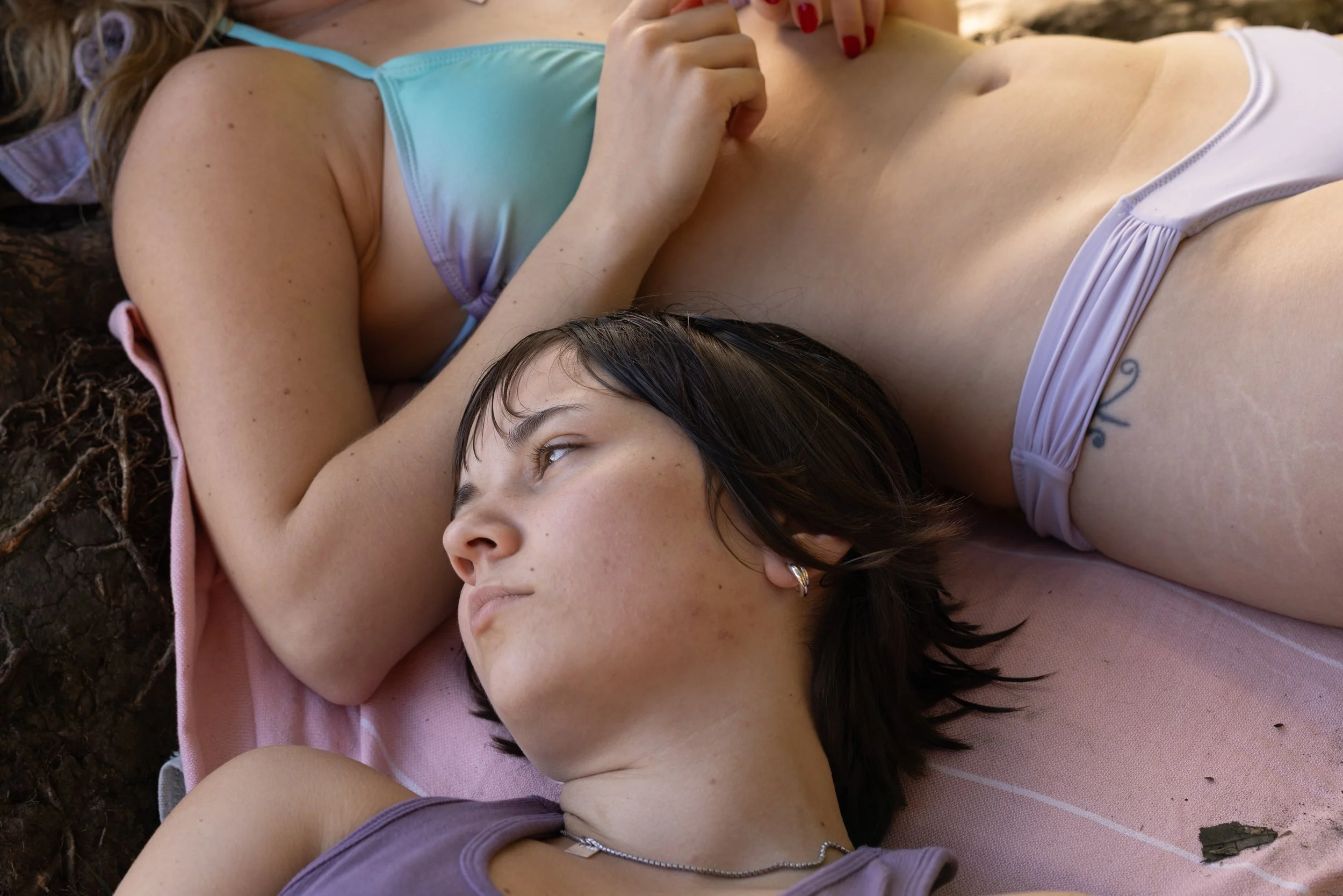
That approach occasionally makes the narrative feel slightly meandering, and there are moments where the film could have benefited from a tighter edit. Yet even during its less focused stretches, the emotional truth of the material remains compelling. The characters feel authentic, the relationships feel lived-in, and the atmosphere feels completely convincing.
While Big Girls Don't Cry may not radically reinvent the coming-of-age genre, its sincerity, specificity and emotional intelligence allow it to stand out. Schneideman has crafted an intimate portrait of queer adolescence that understands how confusing it can be to want acceptance while still trying to figure out who you really are. Anchored by Ani Palmer's exceptional debut performance, it is a deeply empathetic film that captures the awkwardness, longing and uncertainty of growing up with startling accuracy. For anyone who remembers what it felt like to spend their teenage years searching for belonging, it will strike an especially powerful chord.
Big Girls Don’t Cry is in NZ cinemas on October 8, 2026. Find your nearest screening here.
Review written by Alex Moulton
