Chilapa Girl (Niña Chilapa) (2025)
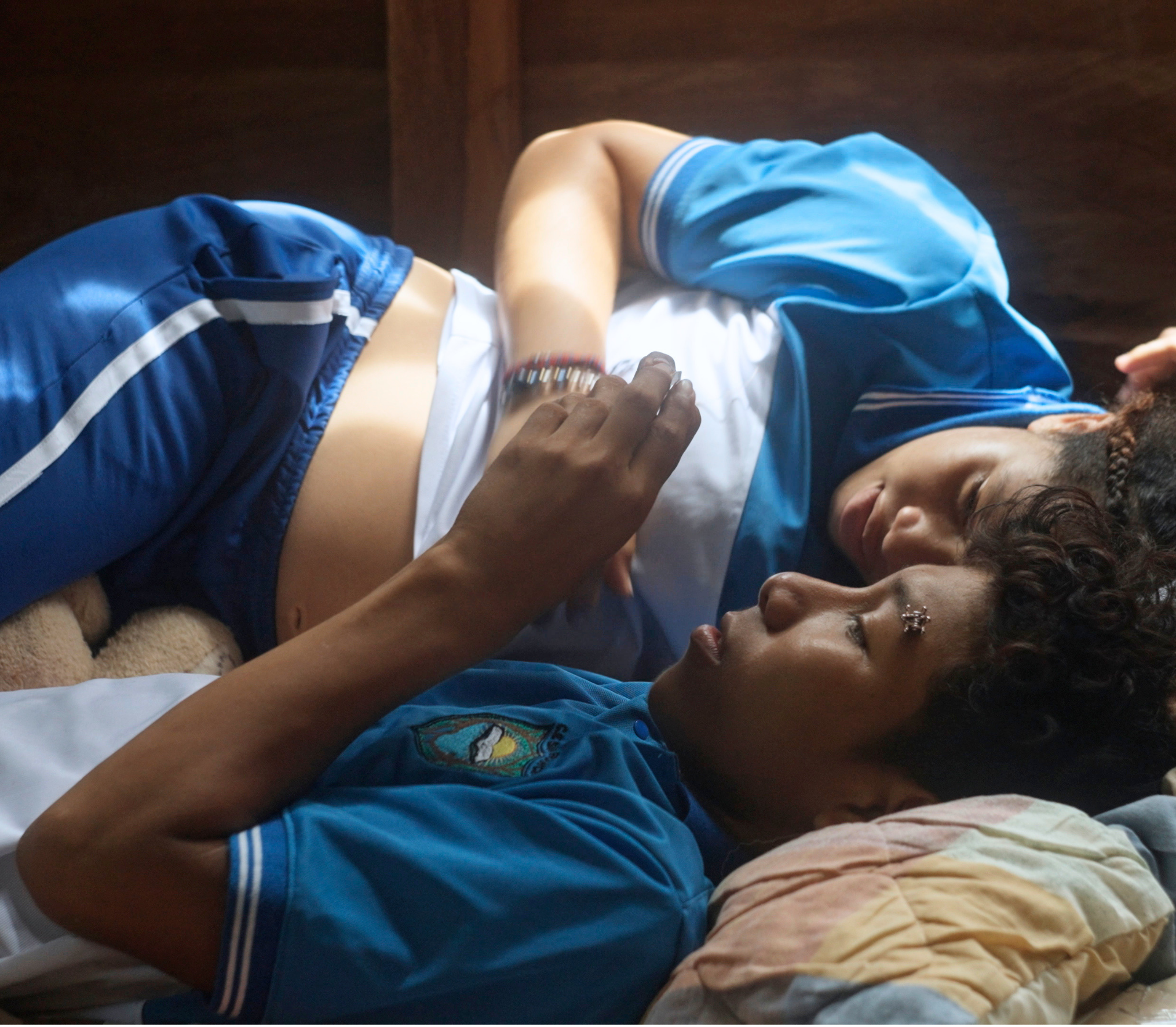
Screening as part of Doc Edge 2026
Thirteen-year-old Yulieth grew up surrounded by the natural beauty of Chilapa and in a poor community where women rarely choose their own path in life. Barely out of childhood, caught between her dreams of education and reality, she faces machismo and the weight of social determinism.
Chilapa Girl is a documentary short that speaks in glances, gestures, and silences. It is built almost entirely from close‑ups, the kind that reveal every flicker of emotion across a young girl’s face. The camera stays close enough to feel like a companion, not an observer, and that intimacy becomes the film’s entire language. There is no narration to guide the viewer. Instead, the story emerges through the way the film looks at its subject, and the way she looks back.
At the centre is Yulieth, a girl growing up in a fishing community on the border between Colombia and Panama. She is in that fragile space between childhood and adolescence, still playful but already carrying questions about her future. The film captures her curiosity, her bravery, and her dreams with a tenderness that never feels staged. She is not performing for the camera. She is simply living, and the camera is patient enough to let her life unfold.
The cinematography is striking. High definition shots linger on eyes, hands, and small details that reveal more than dialogue ever could. The natural environment is lush and beautiful, yet the film never treats it as a postcard. It is a place that shapes the people who live there, offering both comfort and confinement. The contrast between the beauty of the landscape and the weight of Yulieth’s inner world gives the film a quiet tension.
Because the film avoids narration, the editing becomes its storytelling engine. Cuts arrive abruptly, shifting tone without explanation. These transitions create a sense of unease, as if something is changing beneath the surface. The viewer is left to interpret the emotional cues, and that ambiguity is part of the film’s power. It never tells you what to think. It simply presents moments and trusts you to feel their weight.
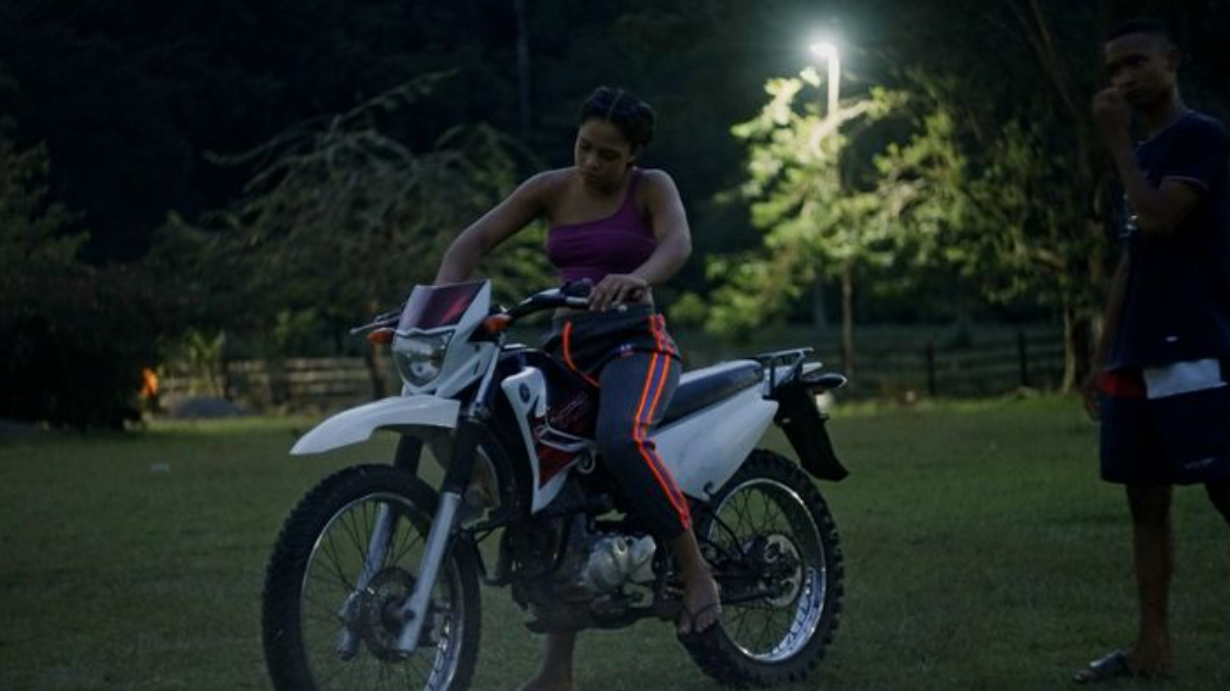
The film’s treatment of gender dynamics is subtle but unmistakable. Shots involving men are framed with a blunt honesty that reveals the imbalance of power in Yulieth’s world. Even in moments that appear affectionate, the camera highlights the tension beneath the surface. The film never becomes explicit, but it does not shy away from showing how girls can be shaped by expectations they did not choose. It captures the way certain behaviours become normalised, not through dramatic events, but through repetition and silence.
What makes Chilapa Girl so affecting is the way it portrays Yulieth’s dreams. Early in the film, she is full of curiosity about the world, imagining futures that stretch beyond the boundaries of her community. The film never states whether those dreams are possible. It simply shows the environment she must navigate, the pressures around her, and the quiet ways her perspective shifts. The emotional impact comes not from what happens, but from what the viewer senses might be happening just outside the frame.
There is a sadness in the film’s quietness. Not a dramatic sadness, but a slow, contemplative ache. The community around Yulieth is loving in many ways, yet there is also a sense of resignation. Certain realities are accepted without question. Certain behaviours go unchallenged. The film captures this without judgement, but the effect is heavy. It shows how easily a young girl’s world can narrow, not through a single event, but through the accumulation of small, unspoken expectations.
Despite this heaviness, the film is not bleak. It gives Yulieth space to be joyful, mischievous, and full of life. Her interactions with friends and family are warm and genuine. Her laughter is real. Her spirit is intact. The tragedy, if there is one, lies in how delicate that spirit feels in the face of the world around her.
Chilapa Girl is not a conventional documentary. It does not explain, contextualise, or summarise. It invites the viewer to sit with ambiguity, to observe closely, and to feel the emotional undercurrents that run through Yulieth’s life. It is choppy at times, uneven in places, and intentionally sparse. But it is also contemplative, beautifully shot, and deeply human.
It is a short that lingers not because of what it shows, but because of what it suggests. A portrait of a girl standing at the edge of adolescence, surrounded by beauty and burden in equal measure.
Screening as part of Doc Edge 2026. Check out the films and screenings here
Review written by Alex Moulton
