The Trial of Alec Baldwin (2025)
Screening as part of Doc Edge 2026
On October 21, 2021 cinematographer Halyna Hutchins is killed on a movie set by a prop gun held by the actor Alec Baldwin. In the immediate aftermath of the tragedy, virtually no one doubts that it was an accident and a deeply traumatizing experience for everyone involved. After the shock subsides, questions of responsibility, guilt, blame, punishment and justice begin circulating in the media. Baldwin becomes a lightning rod for online haters and a target for pushy paparazzi. With prosecutors weighing criminal charges, what unfolds is driven less by the facts surrounding the case, and more by who Alec Baldwin is, both as a man and a public figure.
The Trial of Alec Baldwin is a documentary short that begins quietly, almost cautiously, before transforming into something far more gripping. Directed by Rory Kennedy, the film revisits the fatal on-set shooting that claimed the life of cinematographer Halyna Hutchins in 2021. But instead of retelling the tragedy in forensic detail, the documentary focuses on what happened after. It becomes a study of fame, public anger, legal theatre and the complicated persona of Alec Baldwin himself.
The early sections of the film move slowly. Kennedy traces Baldwin’s life before the incident, touching on his family history, his long career and the public’s polarised relationship with him. These scenes feel almost detached from the shooting, but they serve a purpose. They show how Baldwin’s fame has shaped every part of his life, including how people respond to him. The documentary suggests that the case cannot be separated from who Baldwin is in the public imagination. He is someone audiences have strong feelings about, positive or negative, and those feelings became part of the story.
The film then shifts to the aftermath of the shooting. In the immediate days following Hutchins’ death, almost everyone agreed it was a tragic accident. Cast and crew were traumatised. The industry was shaken. But as the shock faded, questions began to circulate. Who was responsible? Who should be punished? Who should be blamed? Baldwin became the centre of the storm. Paparazzi followed him relentlessly. Online commentators attacked him with vitriol. The documentary shows how quickly public sympathy turned into hostility.
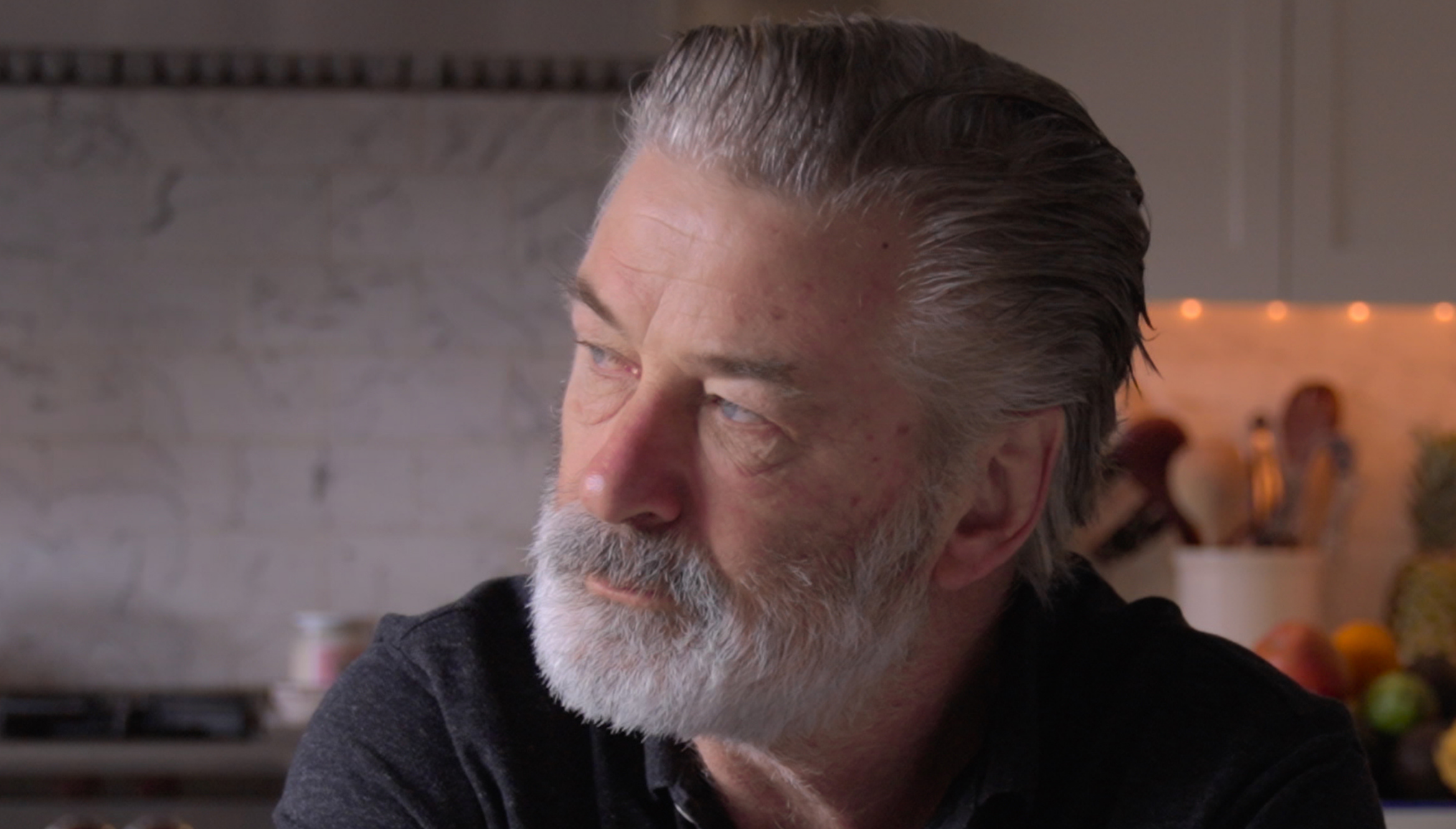
Kennedy began filming Baldwin in 2023, capturing moments that feel strangely intimate. One scene shows Baldwin receiving news that prosecutors had dropped two counts of involuntary manslaughter. The relief on his face is unmistakable. Another scene shows him learning he has been indicted again. The contrast between these moments is striking. The documentary uses them to show how unpredictable and emotionally draining the legal process became.
The film spends time exploring the prosecutors’ decisions, which were controversial and often confusing. Charges were filed, dropped, refiled and debated publicly. The documentary does not take a side, but it highlights how the case became entangled with politics, public pressure and Baldwin’s celebrity status. It raises the question of whether a fair trial was ever possible. Baldwin’s fame made him both a target and a symbol, and the documentary suggests that justice became harder to define because of it.
For much of the runtime, the film feels like a portrait of Baldwin rather than an investigation of the shooting. Kennedy follows him through daily life, capturing his temperament, his frustrations and his attempts to navigate the chaos. These sections can feel slow, even indulgent. They linger on Baldwin’s personality, his family interactions and his reflections on fame. But they also reveal how deeply the public’s perception of him influenced the case. The documentary argues that Baldwin’s reputation became part of the evidence, even when it had nothing to do with the facts.
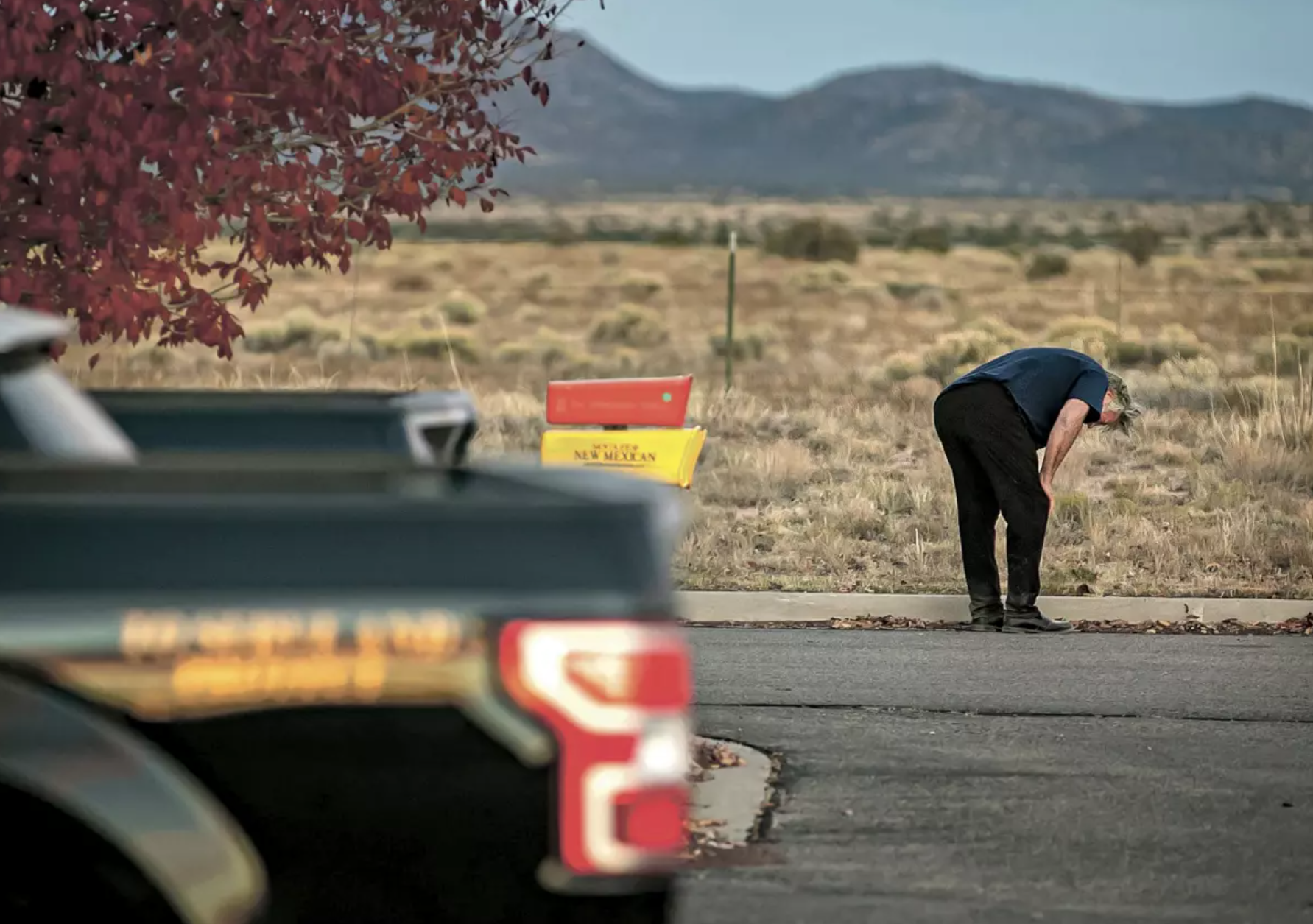
Then the final act arrives, and the film changes completely. The courtroom scenes are tense, sharp and absorbing. The pacing tightens. The stakes rise. The documentary becomes a legal drama, showing how the trial unfolded with unexpected twists. Kennedy captures the atmosphere of the courtroom with precision. The lawyers’ arguments, the judge’s tone, the reactions from Baldwin and his team all create a sense of urgency. It is here that the film becomes genuinely riveting.
The documentary does not sensationalise the tragedy. It does not replay the shooting or dwell on graphic details. Instead, it focuses on the human and legal consequences. It shows how Baldwin became a lightning rod for anger, how the media amplified every misstep and how the justice system struggled to navigate a case shaped by celebrity. The film suggests that Baldwin’s public image made him an easy target, even when the facts were more complicated.
One of the most compelling aspects of the documentary is how it explores the toxic price of fame. Baldwin is portrayed as someone who has made mistakes, someone who can be abrasive, someone who has a reputation for being difficult. But the film also shows how fame magnifies every flaw. It turns personality quirks into public narratives. It makes people quick to judge, quick to condemn and slow to consider nuance. The documentary argues that Baldwin’s fame became a burden that shaped the entire legal process.
The film also touches on Baldwin’s return to the set of Rust. These scenes are uncomfortable, showing how the production tried to move forward while carrying the weight of Hutchins’ death. The documentary does not frame this return as triumphant or insensitive. It presents it as complicated, shaped by contractual obligations, emotional strain and public scrutiny. It becomes another example of how the tragedy continued to affect everyone involved.
By the end, The Trial of Alec Baldwin becomes a story about accountability, perception and the difficulty of defining justice in a case shaped by celebrity. It does not argue that Baldwin is blameless. It does not argue that he is guilty. Instead, it shows how the legal process became entangled with public opinion, media narratives and Baldwin’s own complicated persona. It suggests that the trial was never just about what happened on set. It was also about who Baldwin is, how people feel about him and how fame can distort the pursuit of truth.
The documentary’s final moments leave a lingering sense of ambiguity. It acknowledges the tragedy, the grief and the loss. It acknowledges Baldwin’s flaws. It acknowledges the unfairness of the hatred he received. It does not offer closure. Instead, it presents a portrait of a man caught in a storm shaped by forces larger than the incident itself.
The Trial of Alec Baldwin is uneven, slow in places and unexpectedly gripping in others. It is a documentary that begins as a character study and ends as a courtroom thriller. It is a story about tragedy, fame and the complicated nature of justice. And it is a reminder that public opinion can be as powerful as any legal argument.
Screening as part of Doc Edge 2026. Check out the films and screenings here
Review written by Alex Moulton
