Remathau: People of the Ocean (2025)
Screening as part of Doc Edge 2026
Nicole Yamase becomes the first Micronesian and Indigenous person to dive to “Challenger Deep” in the Marianas Trench, the deepest point in the ocean. As global attention intensifies, the weight of expectation pushes her to confront what it means to carry this historic first. Beyond the record, she turns inward, exploring her identity as a descendant of master navigators. In the silence of the ocean’s depths, a richer story emerges of Pacific resilience where culture, language and ancestral knowledge endure.
Remathau: People of the Ocean is a documentary short that begins with a scientific milestone but quickly reveals itself to be something far more intimate. Directed by Daniel H. Lin, the film follows Dr Nicole Yamase, the first Micronesian and first Indigenous person to dive to Challenger Deep in the Mariana Trench. It is a record-breaking achievement, but the documentary treats the descent not as the climax, but as the doorway into a deeper story about identity, ancestry and the resilience of Pacific peoples.
The film opens with the expedition itself. Yamase prepares for the dive with a mix of excitement and quiet focus. Challenger Deep is the deepest point on Earth, a place few humans have ever seen. The documentary captures the anticipation surrounding the mission, the technical precision required and the surreal nature of descending into a part of the ocean that exists beyond sunlight. The early scenes have a sense of wonder, showing Yamase stepping into a space that feels almost mythic.
But once she reaches the bottom, the tone shifts. Instead of untouched wilderness, Yamase finds man-made debris resting on the seafloor. The moment is haunting. The deepest place on the planet, a location that should be unreachable, contains traces of human waste. The film does not sensationalise this discovery. It lets the image speak for itself. The sight becomes a quiet indictment of global pollution and a reminder of how deeply the Pacific has been affected by environmental harm.
When Yamase resurfaces, she is met with intense media attention. Cameras, interviews and headlines follow her achievement. But the documentary shows how quickly the coverage becomes uncomfortable. Instead of celebrating her as a Micronesian scientist diving into the waters of her own region, many outlets mislabel her, erase her heritage or frame her achievement through a lens that ignores her identity. The film highlights how Micronesians are often overlooked or misunderstood, especially in Hawai‘i, where Yamase has lived and studied. This misrecognition becomes one of the emotional anchors of the documentary.
The title Remathau comes from the outer islands of Yap and means “people of the ocean.” It is a tribute to Yamase’s ancestors, who were master navigators capable of crossing vast distances using stars, currents and deep cultural knowledge. The documentary draws a line between these ancestral voyagers and Yamase’s modern scientific journey. Her dive becomes a continuation of a long tradition of oceanic exploration, not a departure from it. The film weaves together archival imagery, oral history and Yamase’s reflections to show how Pacific identity is inseparable from the ocean.
As the narrative shifts away from the dive, the documentary becomes a meditation on belonging. Yamase speaks openly about the pressure of being a “first.” She carries the weight of representation, knowing her achievement will be used to define Micronesian identity for audiences who may know little about the region. The film shows her wrestling with this responsibility, questioning how she wants to be seen and how she can honour her heritage while navigating global attention.
The documentary also explores the broader history of Micronesia. It touches on colonisation, displacement, racism and the microaggressions that Micronesians face in places where their cultures are misunderstood or dismissed. These sections are not heavy-handed. They are woven gently into Yamase’s personal story, showing how her experience is shaped by larger forces. The film becomes a platform for Micronesian voices, allowing them to speak for themselves rather than be spoken about.
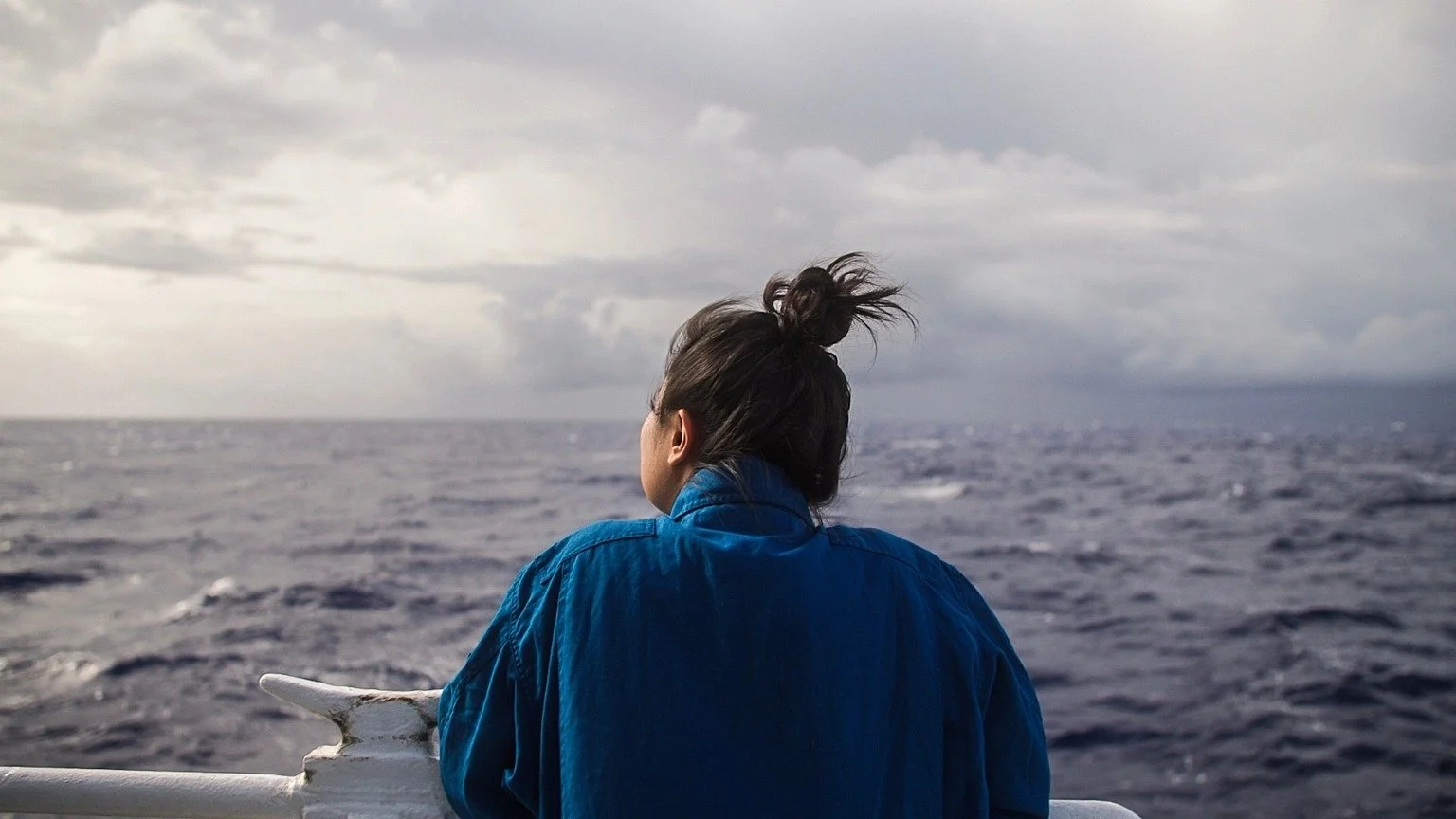
One of the strengths of Remathau is how it balances scientific achievement with cultural storytelling. The dive is extraordinary, but the film refuses to let it overshadow the deeper narrative. Instead, it becomes the catalyst for Yamase’s exploration of identity. She begins to reflect on her lineage, her community and the knowledge passed down through generations. The documentary shows how Pacific resilience is rooted in cultural practices, language and ancestral memory. These traditions have survived colonisation, environmental threats and political upheaval. They continue to anchor Pacific peoples to their oceanic homeland.
The pacing of the film is gentle and reflective. It moves through Yamase’s journey with calm confidence, allowing each moment to breathe. The cinematography is soft and atmospheric, capturing both the vastness of the ocean and the intimacy of personal reflection. The underwater footage is striking, but the scenes on land carry equal weight. The documentary understands that identity is shaped not only by extraordinary achievements, but by everyday experiences and quiet moments of clarity.
The shift in narrative focus is one of the film’s most effective choices. What begins as a story about reaching the deepest point on Earth becomes a story about looking inward. Yamase’s dive becomes symbolic, a literal descent that mirrors her exploration of heritage. The documentary shows how the journey into the trench opened her eyes to the resilience of Pacific Island people, who continue to draw strength from cultural knowledge despite external pressures.
The film also highlights the emotional impact of seeing pollution at the bottom of the ocean. Yamase’s reaction is understated but powerful. The discovery becomes a reminder of how environmental harm affects the Pacific disproportionately. It is not framed as a dramatic twist. It is presented as a quiet truth that demands attention. The documentary uses this moment to connect environmental stewardship with cultural identity, showing how caring for the ocean is both a scientific responsibility and an ancestral one.
By the end, Remathau feels less like a record of a scientific milestone and more like a portrait of a woman reconnecting with her roots. It is a story about reclaiming identity, confronting misrepresentation and honouring heritage. It is also a story about the ocean as a source of knowledge, memory and resilience. Yamase’s journey becomes a reminder that exploration is not only about reaching new places, but about understanding where you come from.
Remathau: People of the Ocean is a moving, beautifully crafted documentary that shines a vital light on Micronesia. It is tender, thoughtful and grounded in Indigenous storytelling. It shows how a dive into the deepest part of the ocean led to a deeper understanding of self, culture and the enduring strength of Pacific peoples.
Screening as part of Doc Edge 2026. Check out the films and screenings here
Review written by Alex Moulton
