Karaoke Heaven
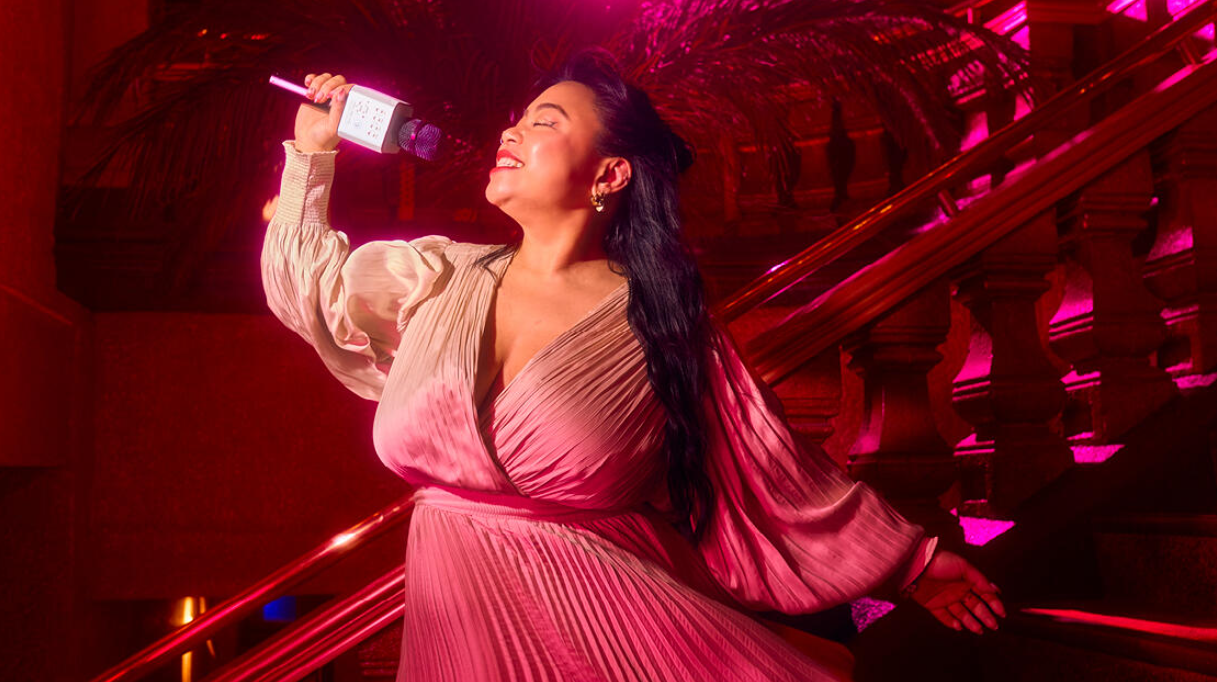
Performed as part of the Auckland Live Cabaret Festival
A vibrant dive into Mandopop, memories of Singapore and the stories we tell ourselves. Auckland Live Cabaret Festival’s beloved tarot reader, Kiwi-born Singaporean 姐姐 Amanda Grace Leo, steps out from the shadows and trades her tarot cards for a microphone in Karaoke Heaven.
Walking into the Wintergarden at The Civic feels like entering a small pocket of calm tucked away from the noise of the city. Soft lighting glows from tiny lamps on each table, giving the room a gentle warmth. The space feels intentional, almost like a welcome ritual. It sets the tone for Karaoke Heaven, a cabaret that asks a simple but deeply personal question: what makes us feel whole? Kiwi-born Singaporean performer Amanda Grace Leo steps into this atmosphere with quiet confidence, ready to guide the audience through a night shaped by memory, music and identity.
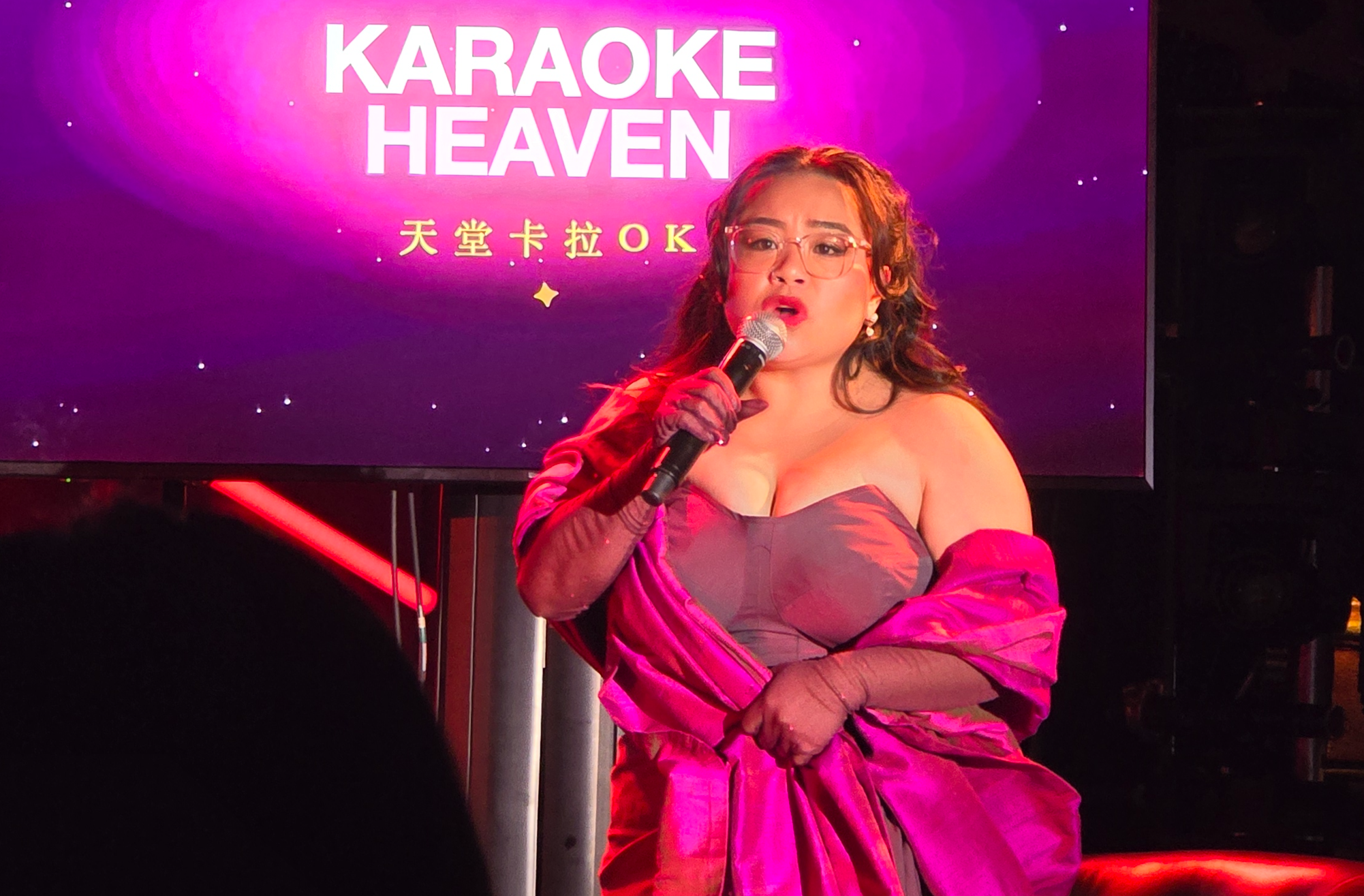
The show begins without fanfare. Leo enters the light, and the room shifts. Her presence is steady and expressive, and she carries herself with a mix of humour, sincerity and curiosity. She is known at the festival as a tarot reader, but here she trades cards for a microphone. The shift feels symbolic. Instead of reading futures, she shares her past. Instead of interpreting someone else’s story, she opens her own.
The performance is built around Mandopop, childhood nostalgia and the experience of living between cultures. Leo grew up singing Singaporean songs, and she uses them as anchors throughout the night. Each track becomes a doorway into a memory or a moment that shaped her sense of self. The music is familiar to some audience members and new to others, but the emotional clarity makes every song accessible. Even when a joke or reference is rooted in Singaporean pop culture, the room responds with laughter and delight. The joy is contagious.
Leo’s voice is the heart of the show. It is warm, expressive and full of colour. She moves easily between soft ballads and brighter, more energetic numbers. Her vocal control is strong, but what stands out most is her emotional honesty. She sings with intention, using tone and phrasing to guide the audience through each chapter of her story. The performance never feels like a recital. It feels like a conversation carried through music.
The narrative threads are woven gently. Leo shares glimpses of her childhood through video clips, showing moments that shaped her identity. These images are not used for spectacle. They appear quietly, adding depth to the storytelling without overwhelming it. The audience sees her as a child, full of curiosity and energy, and then sees how that child grew into the performer on stage. The story of wanting to make her father proud is handled with care. It is present, but never pushed too hard. It becomes one of the emotional anchors of the night.
The theme of dual identity runs throughout the show. Leo speaks and sings about living between two worlds, two cultures and two versions of herself. She does not present this as conflict. Instead, she treats it as a journey of learning to love herself. The show explores how belonging can be complicated, how home can exist in more than one place, and how identity can be shaped by both distance and closeness. The question of feeling complete becomes a thread that ties the performance together.
The staging is simple and effective. The Wintergarden’s natural charm does most of the work, and Leo uses the space with confidence. She moves between the microphone, the centre of the stage and the edges of the room, creating a sense of flow. The lighting shifts gently to match the mood, never overwhelming the performance. The design choices allow the audience to focus on Leo’s storytelling without distraction.
One of the strongest elements of Karaoke Heaven is its emotional balance. The show touches on themes of identity, family, cultural belonging and self-acceptance, but it never becomes heavy or sombre. Leo keeps the tone warm and hopeful, even when discussing difficult moments. She shares vulnerability without asking for sympathy. Instead, she invites the audience to reflect on their own experiences of feeling divided or incomplete. The show becomes a shared space where people can recognise themselves in her story.
The humour is light and playful. Leo uses timing, facial expression and small gestures to keep the audience engaged. Some jokes are rooted in Singaporean music from the early 2000s, and while not every reference lands for every audience member, the reactions from others make the moment enjoyable. The laughter feels communal, not performative. It adds brightness to the night without overshadowing the emotional depth.
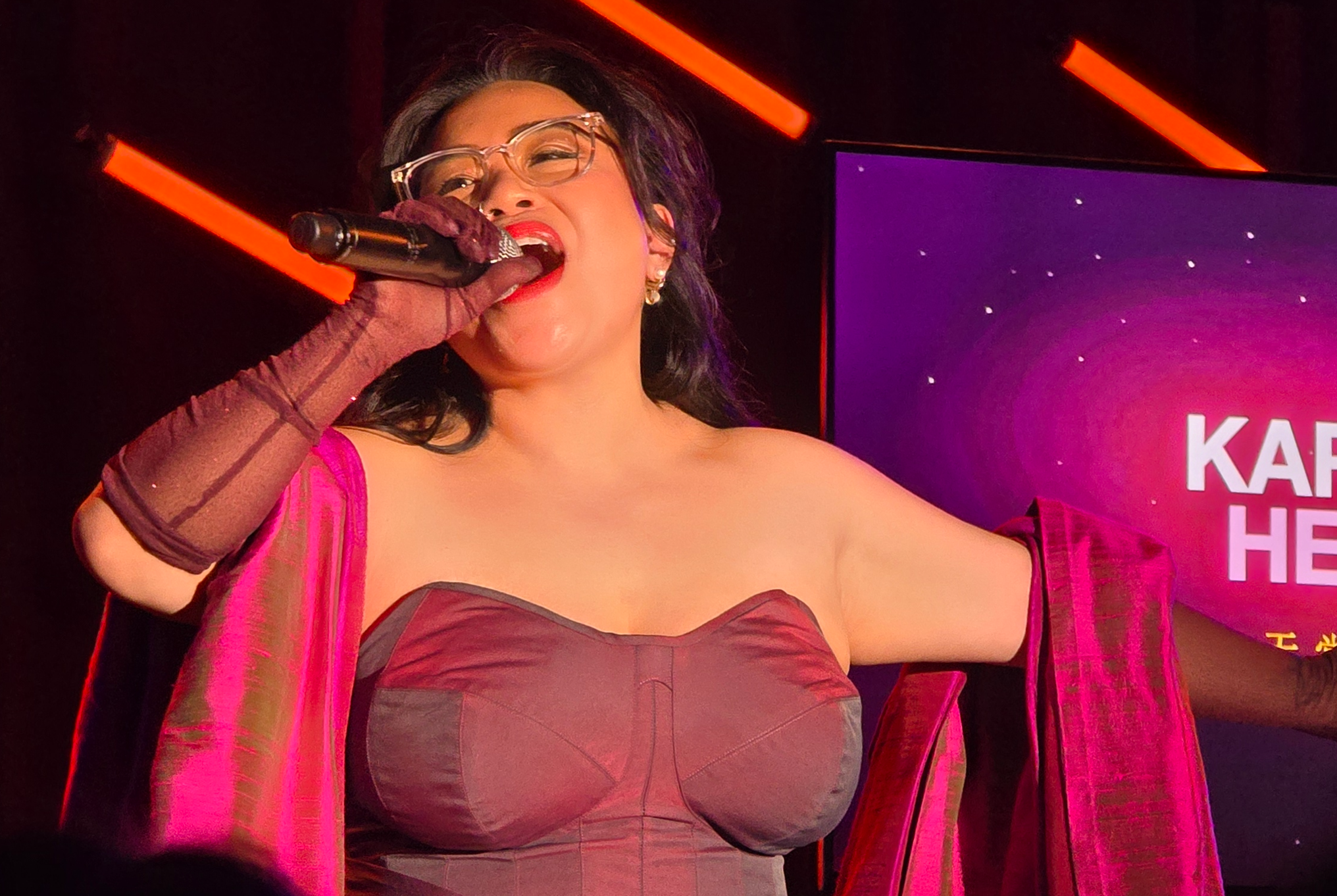
The cultural elements are handled with care. Leo blends Kiwi and Singaporean influences naturally, allowing both to exist without competing. She speaks about her heritage with pride and humour, and she uses music to bridge the gap between the two worlds. The show feels grounded in Aotearoa while still carrying the flavour of Singapore. This duality becomes one of the most compelling aspects of the performance.
Audience engagement is gentle and respectful. Leo does not rely on loud participation or forced interaction. Instead, she creates moments where the audience feels invited to respond. People laugh, smile, nod and react in ways that feel organic. The room becomes part of the performance, not through noise, but through shared emotion.
The pacing of the show is smooth. Each song leads naturally into the next, and the narrative threads connect without feeling forced. The transitions are subtle, guided by tone rather than dramatic shifts. The show feels like a journey rather than a sequence of separate acts. By the time it reaches its final moments, the audience has travelled through Leo’s memories, questions and reflections.
The ending is quiet and thoughtful. Leo does not finish with a grand gesture or a dramatic flourish. Instead, she closes the show with a sense of calm, leaving the audience with the question that shaped the performance: what makes us feel whole? It is a gentle ending that fits the tone of the night. The audience leaves feeling warm, reflective and connected.
Karaoke Heaven is a tender, beautifully crafted cabaret that blends music, storytelling and cultural identity into a cohesive and heartfelt experience. Amanda Grace Leo delivers a performance full of sincerity, humour and emotional depth. It is a show that does not rely on spectacle, but on authenticity. It invites the audience to listen, reflect and share in the quiet joy of discovering who we are.
Part of the Auckland Live Cabaret Festival. Find tickets and event info here
Review written by Josh McNally
Edited by Alex Moulton
