Girls’ Flight Out (2026)
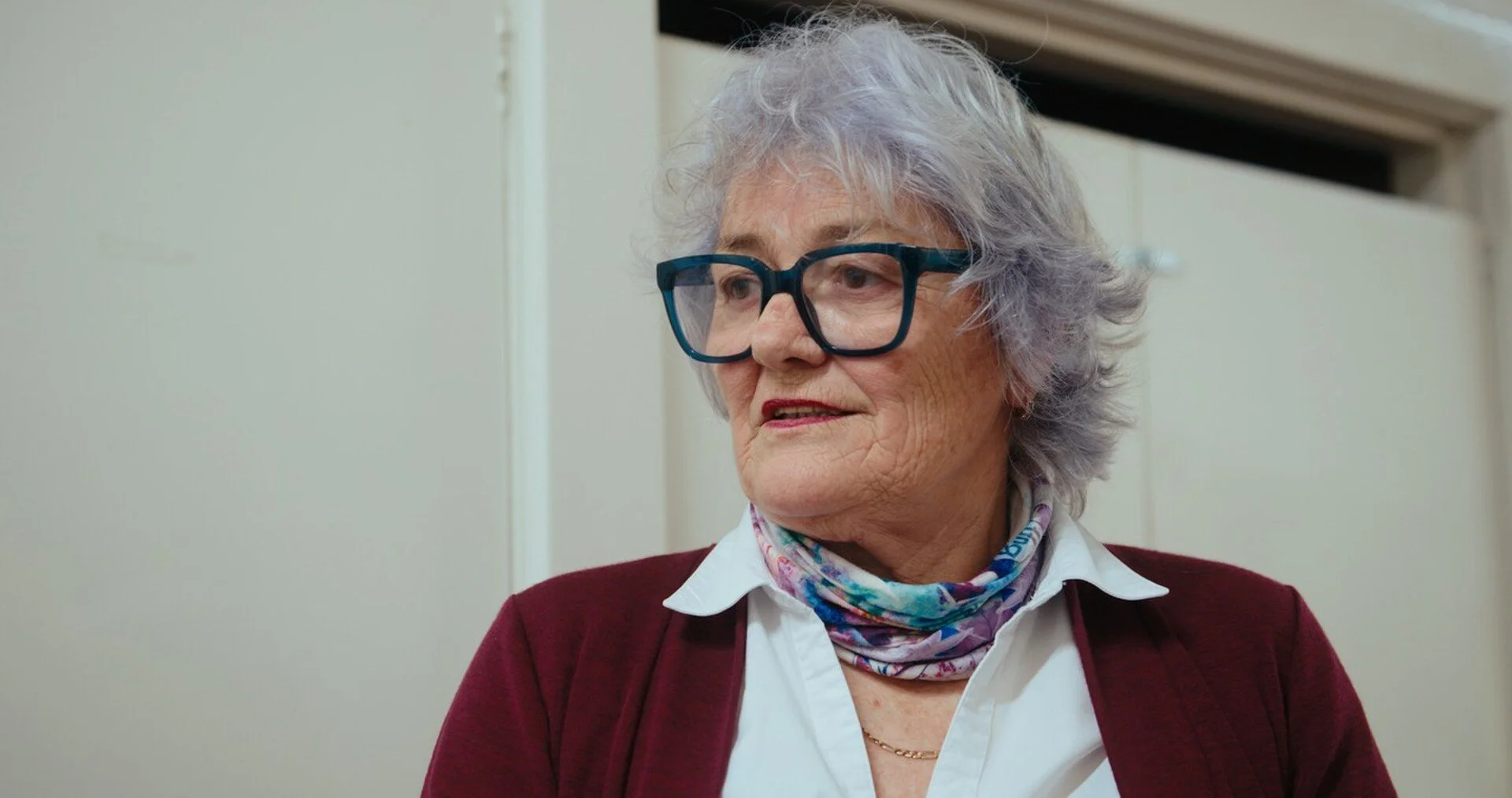
Screening as part of Doc Edge 2026
An intriguing and entertaining film on a serious topic. On a remote island 870 kilometres from their designated breast screening facility, a group of women from the Chatham Islands turn a biennial “Boobie Trip” into a ritual of humour, solidarity and quiet defiance against geographic inequality.
Girls’ Flight Out begins with a simple premise: a group of women from Rēkohu, the Chatham Islands, board a plane for their routine breast screening. What could have been a straightforward medical errand becomes something far more layered. The film follows these wāhine as they leave their remote home, travel hundreds of kilometres across the Pacific, and turn a necessary health appointment into a ritual of companionship, humour, and quiet determination.
The Chathams sit far from mainland Aotearoa, isolated by distance and weather. The documentary never overstates this. It simply shows the reality. Early mornings. Packed bags. A long flight to a facility most New Zealanders can reach by car. The women joke about their “boobie trip,” but beneath the laughter sits a truth the film never lets you forget: access to healthcare is not equal, and geography can shape a person’s chances of early detection.
The tone is understated. The documentary does not chase emotional crescendos or dramatic tension. Instead, it observes. The camera sits with the women as they talk about their jobs, their families, their nerves. It watches them board the plane. It listens as they describe the cancers that were found in previous screenings, sometimes more than once. The film trusts the audience to understand the stakes without embellishment.
There is pride woven through the story. Pride in the community. Pride in the system that flies these women out every two years. Pride in the fact that lives have been saved because someone made sure the scans happened. The documentary includes women whose cancers would never have formed lumps, cancers that would have gone unnoticed without imaging. Their stories are delivered plainly, but the impact is unmistakable.
At the same time, the film does not pretend the system is perfect. It acknowledges the gaps. People fall through the cracks. Letters get missed. Follow‑ups rely on personal vigilance. The documentary makes it clear that while the programme works, it requires commitment from both the health system and the women themselves. Age does not matter. Race does not matter. Everyone deserves a check‑up, and everyone deserves the chance for early detection.
Where the film becomes more complicated is in its structure. It moves between interviews, daily life on the islands, family conversations, and glimpses of the mainland trip. Some of these threads feel essential. Others feel like filler. You sense the filmmakers wanted to show the women as whole people, not just patients, but the result is a narrative that drifts. You see their workplaces, but the connection to the central story is thin. You hear from partners and relatives, but the emotional weight varies. The film hints at the fun of the trip, yet rarely shows it. You get the sense that the journey itself is lively, full of inside jokes and shared moments, but the documentary keeps that energy at arm’s length.

This restraint is both a strength and a limitation. On one hand, the film avoids sensationalism. It does not dramatise mammograms or turn the women into symbols. It simply presents their reality. On the other hand, the tone can feel clinical. You want to feel the joy of their togetherness, the relief of shared nerves, the humour that clearly exists among them. Instead, the film keeps a respectful distance, which sometimes dulls the emotional impact.
But perhaps that distance is part of the story. The women of Rēkohu are not overly expressive. They carry their feelings quietly. They laugh things off. They say “she’ll be right” even when the topic is cancer. The documentary reflects that cultural rhythm. It does not force vulnerability. It waits for it. And when it arrives, it is brief but powerful. A woman describing the moment her cancer was found. Another explaining how the scan saved her life. These moments land precisely because they are not surrounded by theatrics.
The film’s greatest strength is its honesty. It shows the logistical absurdity of rural healthcare without turning the women into victims. It shows the importance of screening without preaching. It shows the camaraderie of the group without romanticising it. The documentary is small in scale, but its message is clear: distance should not determine who gets to live.
There is also something quietly celebratory about the way the women approach the trip. They treat it as a shared responsibility, a collective act of care. They show up for themselves and for each other. They make the journey together because it is easier that way. The film captures this sense of unity, even when the narrative feels scattered.
By the end, you are left with a mix of admiration and frustration. Admiration for the women who make the journey. Admiration for the programme that supports them. Admiration for the honesty of the film. And frustration because you want more. More emotion. More insight. More of the joy that seems to exist just outside the frame. The documentary gives you the facts, and it gives them well, but it rarely lets you feel the full emotional weight of the experience.
Still, Girls’ Flight Out succeeds in what it sets out to do. It shines a light on geographic inequality. It honours the women who travel so far for their health. It reminds viewers that early detection saves lives. And it does all of this with a quiet dignity that feels true to the people it portrays.
It is not a dramatic film. It is not a tear‑jerker. It is a gentle, grounded reminder that healthcare access is a privilege not evenly shared, and that sometimes the most meaningful acts of courage look like a group of women boarding a plane together, laughing, nervous, determined, and ready to take care of themselves.
Screening as part of Doc Edge 2026. Check out the films and screenings here
Review written by Alex Moulton
