Spider-Man: Brand New Day (2026)
Peter Parker devotes his life to protecting New York City as a full-time Spider-Man. But as the demands on him intensify, the pressure sparks a surprising physical evolution that threatens his existence, even as a strange new pattern of crimes gives rise to one of the most powerful threats he's ever faced.
Spider‑Man: Brand New Day arrives at a moment when superhero fatigue feels almost universal. After over two decades of interconnected films, crossovers, multiverse detours and cameo‑driven storytelling, audiences have grown tired of needing homework before watching a movie. What makes Brand New Day so refreshing is how confidently it steps away from that pattern. It is still part of the MCU, still connected to the events of No Way Home, yet it feels like a clean slate. A reset. A reminder of why Spider‑Man stories resonate in the first place.
The film picks up after the spell that erased Peter Parker from everyone’s memory. Peter lives alone in a small New York apartment, scraping by, visiting Aunt May’s grave, and throwing himself into street‑level hero work. MJ and Ned have moved on with their lives, unaware of the history they once shared with him. The Avengers do not remember him. The world has forgotten him. This isolation becomes the emotional foundation of the film, and it is the strongest element of Destin Daniel Cretton’s direction. Instead of leaning into spectacle, Cretton focuses on Peter’s loneliness, grief and slow rebuilding of identity.
Tom Holland delivers what may be his best performance as Peter Parker. The charm and awkwardness that defined his earlier appearances are still present, but now they sit alongside a deeper emotional maturity. Holland plays Peter as a young adult carrying the weight of choices that no one else remembers. His sadness is quiet, not melodramatic. His anger is grounded. His guilt feels lived‑in. The film allows him to explore adult emotions rather than teenage angst, and Holland rises to the challenge.
The story keeps itself contained. This is not a multiverse epic or a crossover event. It is a Spider‑Man film, first and foremost. Cameos from Jon Bernthal, Mark Ruffalo and Florence Pugh appear briefly, but they never hijack the narrative. They exist as part of the world, not as marketing tools. The focus remains firmly on Peter, his relationships and his personal crisis. This restraint fixes one of the MCU’s recurring problems, where too many characters compete for attention and dilute the emotional core.
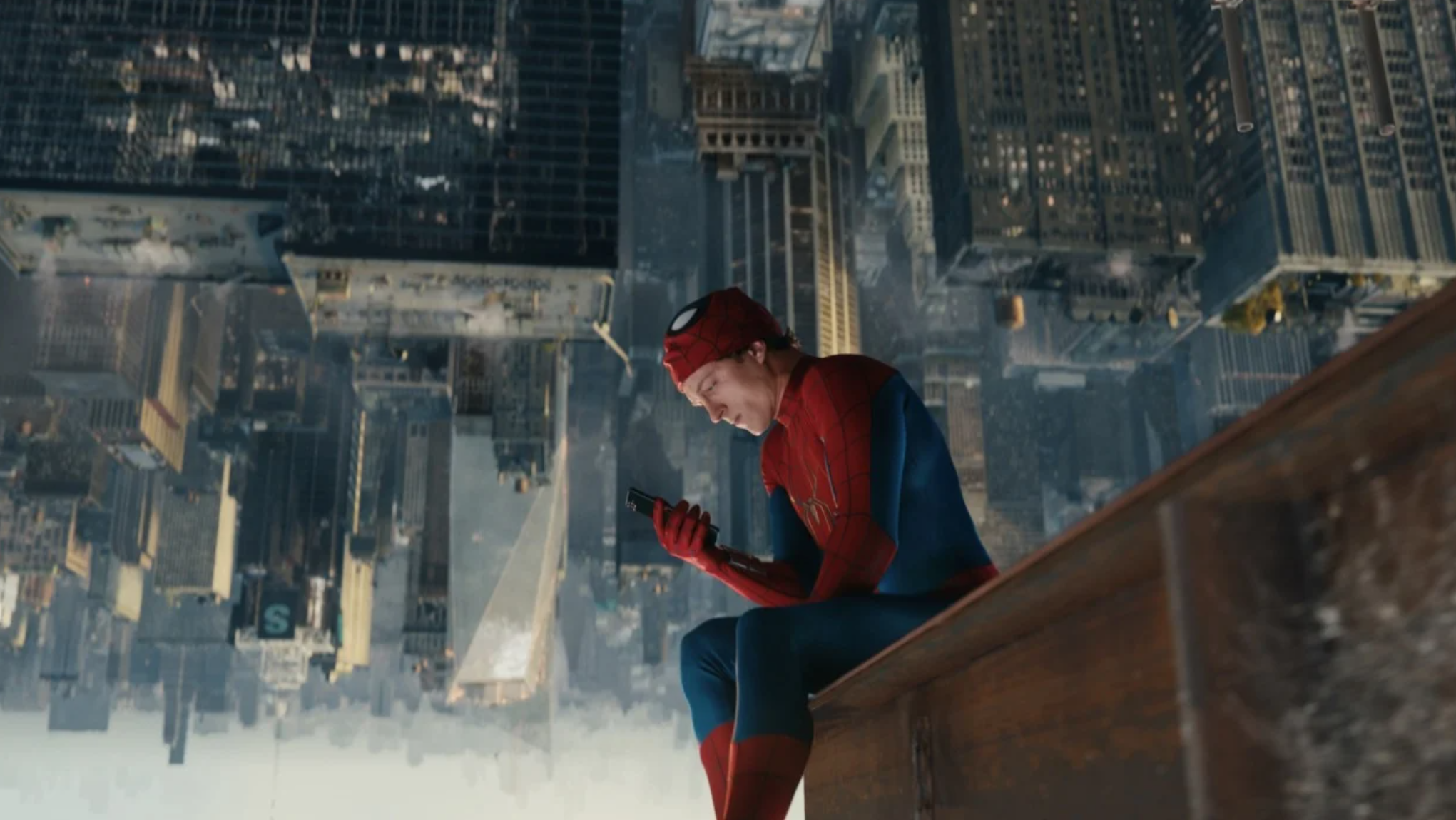
Peter’s partnership with Detective Jean DeWolff (Liza Colón‑Zayas) is one of the film’s most enjoyable additions. Their dynamic feels grounded and refreshingly simple. She treats him like a colleague, not a celebrity, not a menace. Their banter is sharp, and their collaboration gives the film a street‑level authenticity that has been missing from recent MCU entries. The action sequences reflect this shift. Practical stunt work, real locations and tight choreography make the fights feel visceral. Spider‑Man swings through alleyways, leaps across rooftops and takes down criminals without the usual barrage of CGI noise. It is exhilarating in a way that recalls the best moments of earlier Spider‑Man films.
The central antagonist is a mysterious woman targeting the Department of Damage Control. Her motivations unfold slowly, and while her presence adds tension, she is not the emotional centre of the film. In fact, the movie occasionally struggles with juggling her storyline alongside Peter’s personal arc. There are moments where the plot feels slightly overstuffed, with multiple threads competing for space. Some teased villains barely appear beyond what the trailers already revealed. The inclusion of The Hand feels somewhat unnatural, as if added to satisfy broader MCU continuity rather than the film’s internal logic.
Yet even with these structural hiccups, the emotional storytelling remains strong. The film explores the value of relationships, both familial and chosen. Peter’s grief over losing MJ and Ned is palpable, not because they died, but because they live full lives without him. The film treats this loss with seriousness. It understands that being forgotten by the people who shaped you is a unique kind of heartbreak. Holland plays these moments with restraint, letting silence and small gestures carry the weight.
Zendaya’s return as MJ is one of the film’s highlights. She plays a more mature version of the character, someone who has grown into adulthood without Peter but still feels an unexplainable pull toward him. Their scenes together are electric. There is a neon‑lit moment between them that hits with unexpected force, a reminder of how powerful their chemistry can be when the film gives them space. It is one of the most emotionally resonant scenes in any Spider‑Man film, and it demonstrates how effective the franchise can be when it prioritizes character over spectacle.
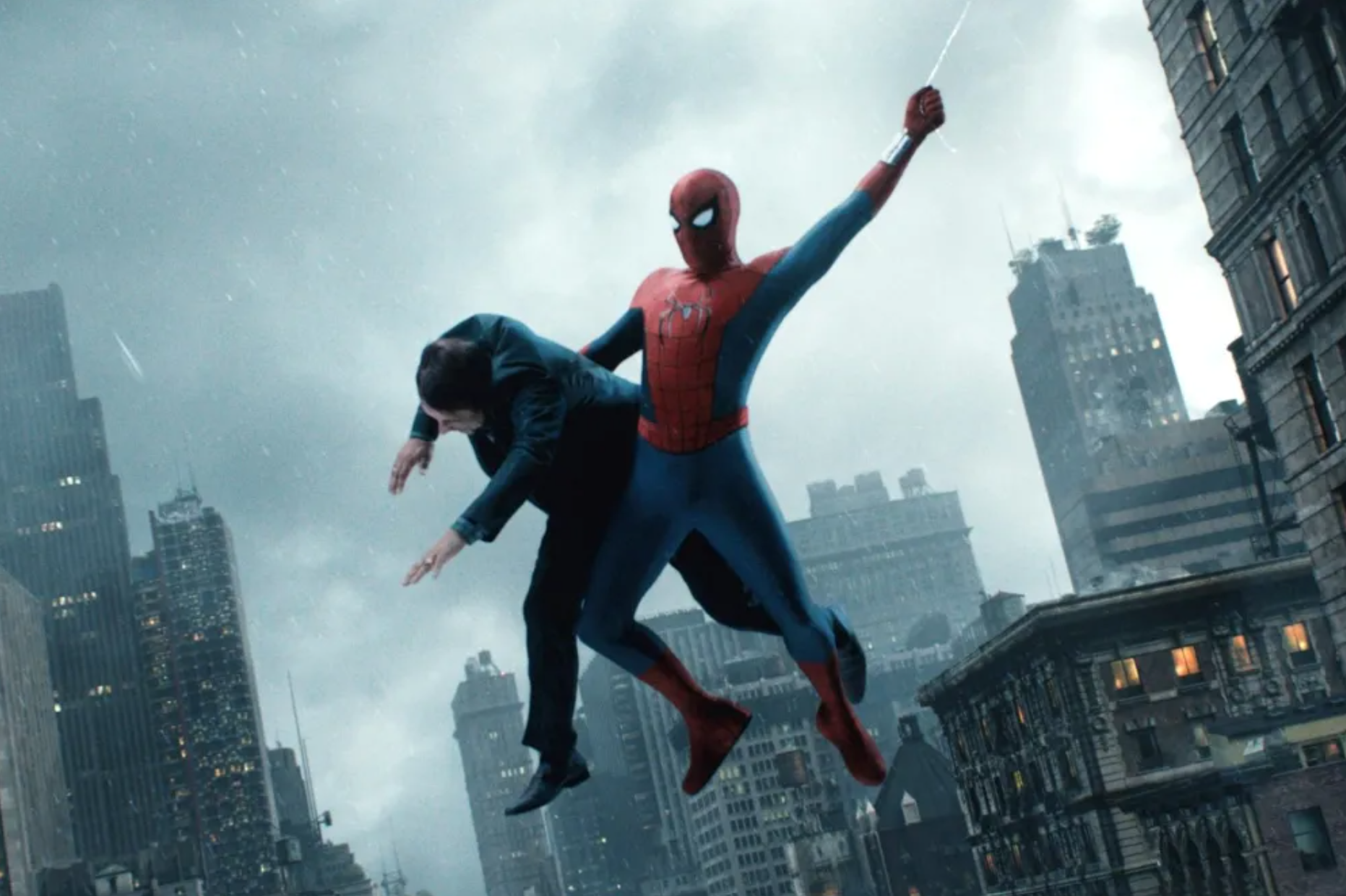
Sadie Sink is a standout addition to the cast. She plays a young woman whose circumstances mirror Peter’s in surprising ways, and her performance brings rawness to the film’s exploration of shared trauma. She never overshadows Holland, but she adds depth to the story’s themes of connection and rebuilding. Her scenes with Peter are some of the most affecting, offering a fresh dynamic that feels honest rather than forced.
Cretton’s direction keeps the film grounded even when the action ramps up. The visual effects are strong, but they never dominate. The film finds a balance between truth and spectacle, allowing emotional beats to breathe before launching into high‑energy sequences. This pacing gives the story room to grow, and it helps the audience stay connected to Peter’s internal journey.
The film’s greatest achievement is its understanding that Peter Parker is more compelling than Spider‑Man. The action is exciting, but the scenes that linger are the quiet ones. Peter sitting alone in his apartment. Peter watching MJ from a distance. Peter trying to rebuild a life that no longer has space for him. These moments give the film its heart. They remind the audience that beneath the mask is someone who needs care, love and support just as much as the people he saves.
Brand New Day is not flawless. It occasionally tries to juggle too many ideas. Some subplots feel underdeveloped. A few MCU tie‑ins feel unnecessary. But even with these imperfections, the film stands above most recent Marvel entries. It is emotionally rich, well-paced and refreshingly focused. It proves that the MCU can still produce meaningful stories when it stops trying to outdo itself and instead returns to character‑driven filmmaking.
For anyone feeling exhausted by superhero films, Spider‑Man: Brand New Day offers something rare: a story that feels human. A story that remembers why Spider‑Man matters. A story that understands that saving the world is less interesting than saving yourself.
Spider-Man: Brand New Day will be released in NZ cinemas from July 30, 2026. Find your nearest screenings here.
Review written by Alex Moulton
