Set in 1949, the Shikishima family confronts a fresh catastrophe two years after surviving their previous ordeal with the legendary monster.
Takashi Yamazaki returns to the world of Godzilla Minus Zero with a sequel that once again proves why the Japanese approach to the iconic creature remains so distinctive. While Hollywood often treats giant monsters as the main attraction and the human cast as supporting decoration, Godzilla Minus Zero continues to make people the emotional foundation of the story. The result is a film that frequently feels less like a conventional monster blockbuster and more like a post-war drama that happens to feature enormous creatures capable of flattening entire cities.
Set in 1949, the story follows Koichi Shikishima and his family as they attempt to move forward in a country still carrying the scars of war. Japan has only just begun to find some measure of stability when a new threat emerges, forcing ordinary citizens into extraordinary circumstances once again. Rather than simply escalating the destruction for the sake of spectacle, the film keeps its focus on the personal consequences of living in a world where disaster can strike without warning.
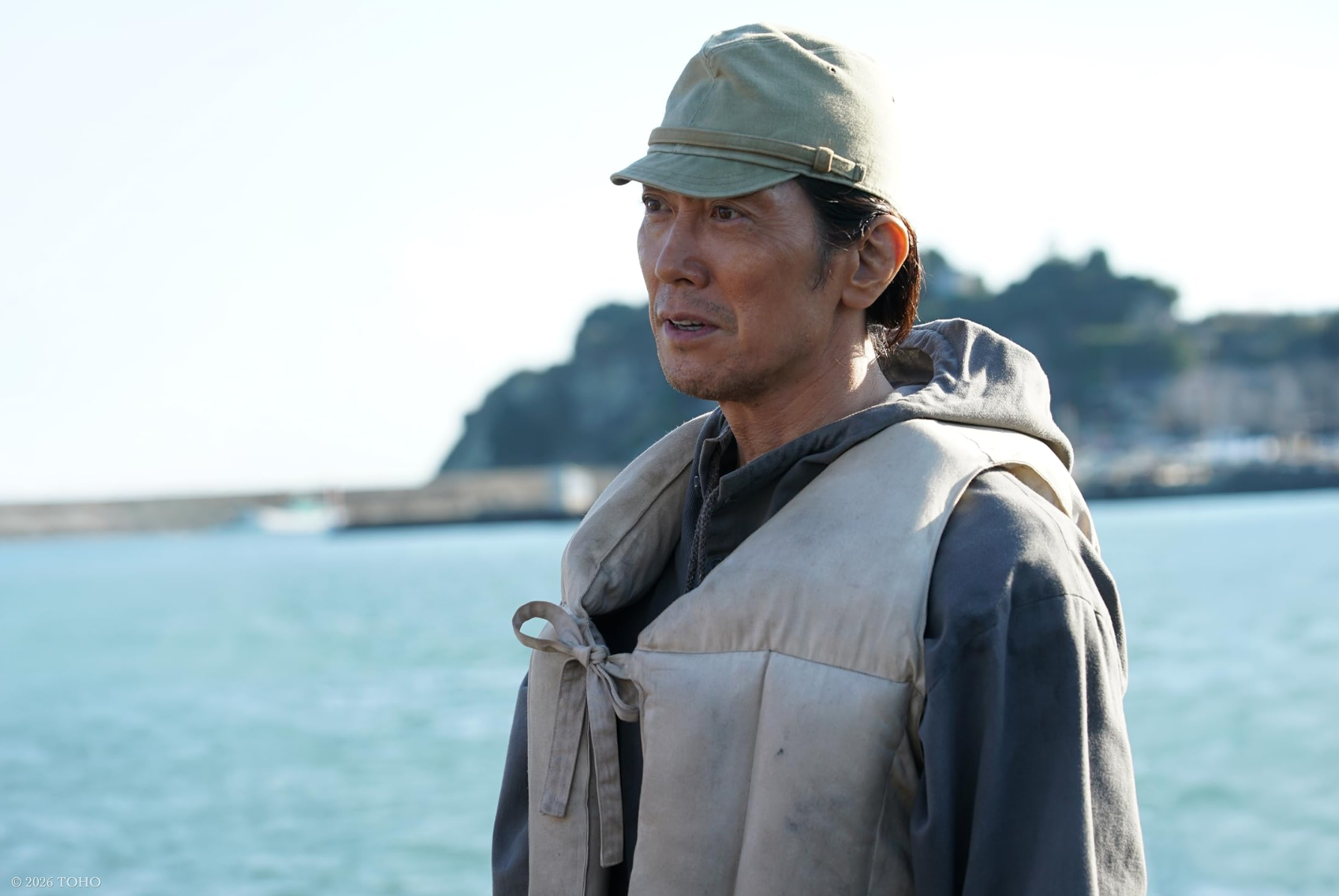
The greatest strength of Godzilla Minus Zero is its commitment to the people caught in the middle of the chaos. Ryunosuke Kamiki and Minami Hamabe once again anchor the story with performances that provide warmth and emotional credibility. Their relationship gives the film a strong heart, while the growing family dynamic creates investment in what happens beyond the large-scale action sequences. The supporting cast also slips comfortably back into place, creating a sense of continuity that makes the world feel lived in rather than reset for a new adventure.
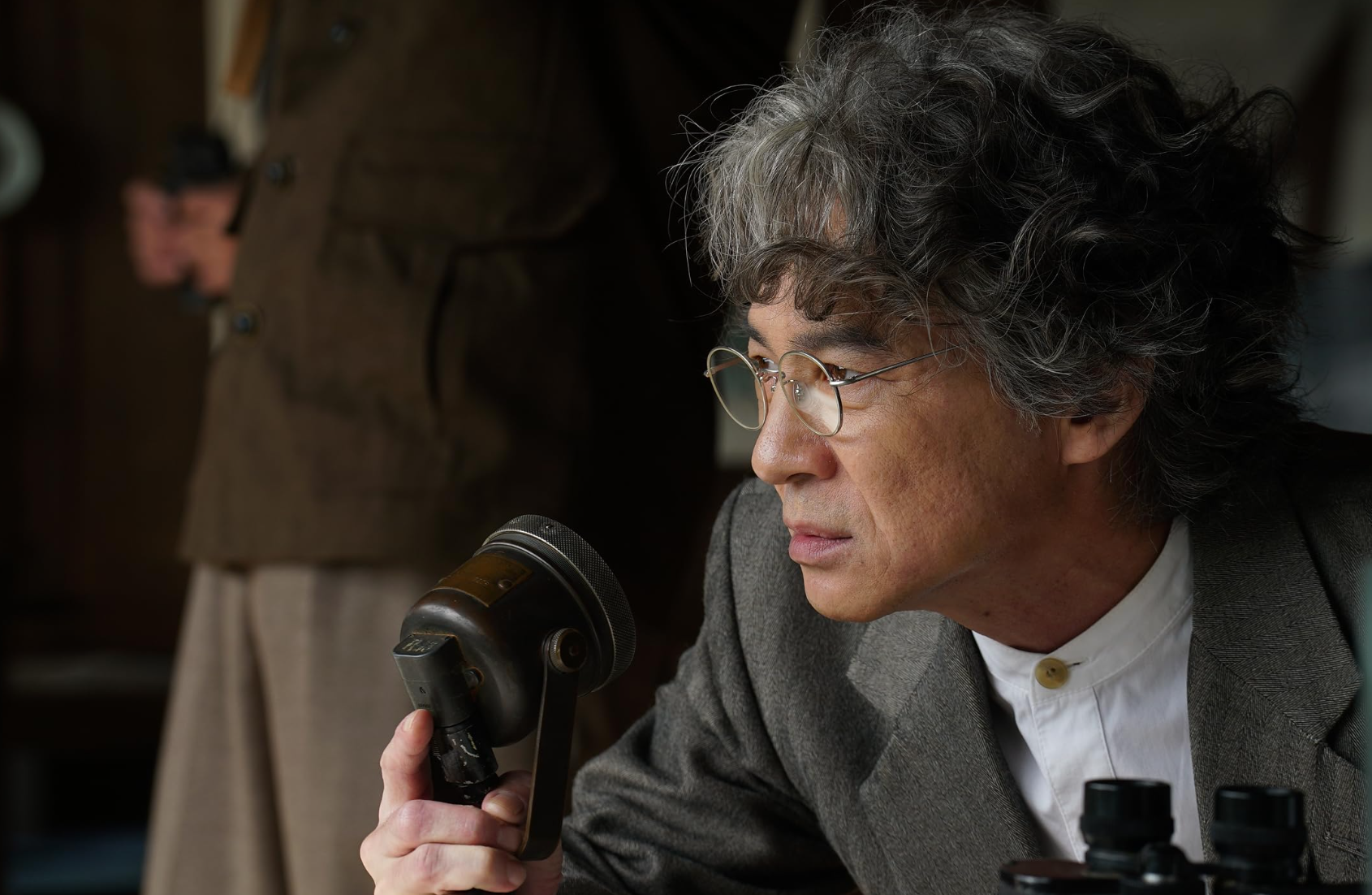
This emphasis on character does come with a trade-off. Viewers looking for an uninterrupted parade of monster action may find themselves occasionally frustrated by how much time the film spends away from its towering stars. The narrative deliberately slows down after an exciting opening stretch, settling into a more reflective rhythm that prioritises relationships, trauma, rebuilding, and resilience. While that slower pace strengthens the emotional core, it also means Godzilla himself sometimes feels surprisingly absent from a film carrying his name.
That choice will likely divide audiences. For some, the commitment to drama will be exactly what makes the film stand apart from countless other effects-driven blockbusters. For others, there may be a lingering feeling that the balance tips a little too far toward the human story. There are stretches where the monster threat recedes into the background as the screenplay explores its characters' struggles, hopes, and fears. Those scenes are generally well performed and thoughtfully written, but they occasionally come at the expense of maintaining the looming presence that Godzilla traditionally brings.
When the creatures do arrive, however, the film delivers several memorable sequences. Yamazaki demonstrates a strong understanding of scale and tension, presenting the monsters as overwhelming forces rather than simple action antagonists. The destruction carries weight because the film has invested so much time in showing what ordinary people stand to lose. Crowded streets, harbours, and city districts feel populated and vulnerable, making the devastation more impactful than it might otherwise have been.
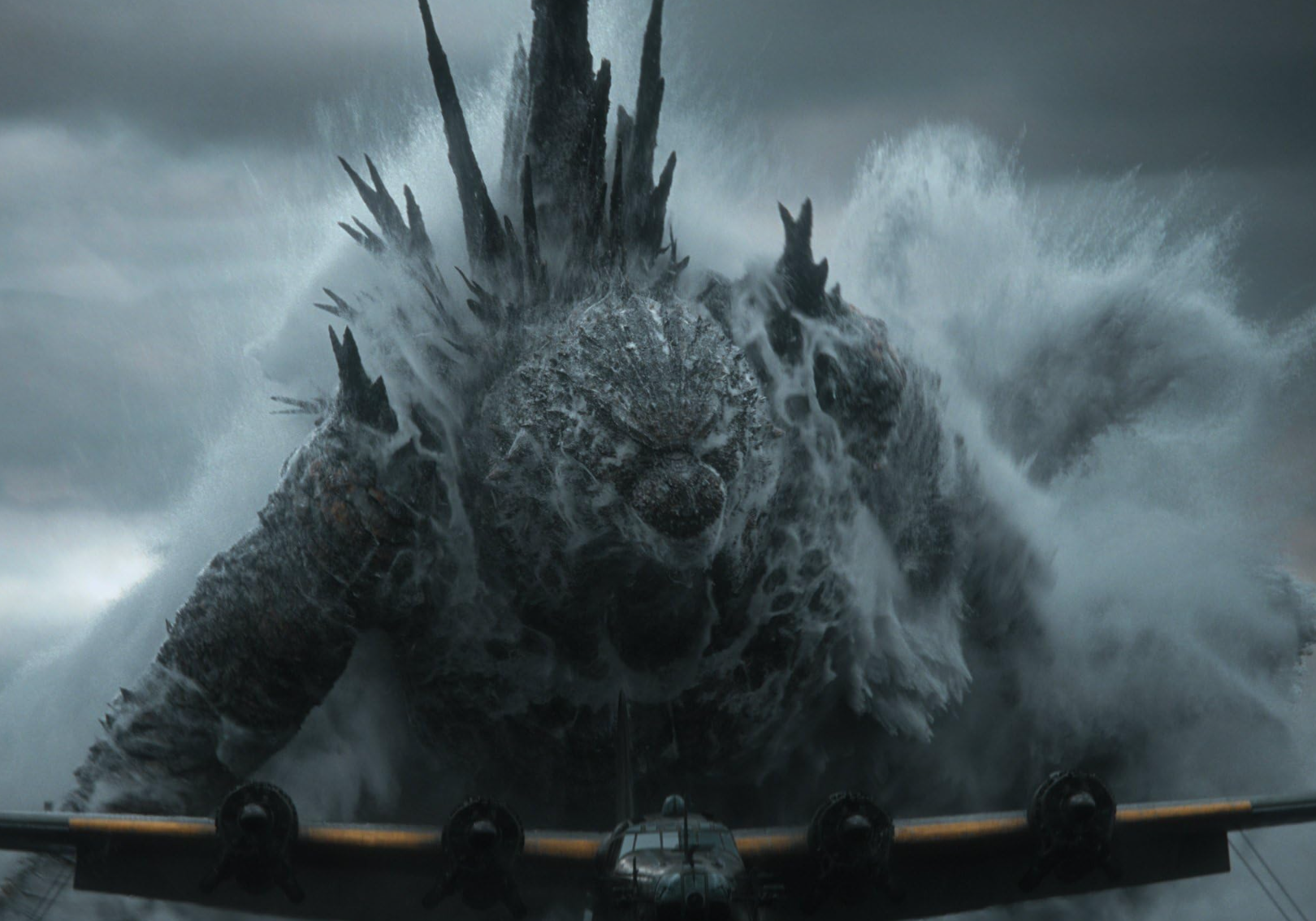
The new kaiju introduced in the film proves to be an effective addition. Without revealing specific details, it provides a formidable challenge that feels distinct from Godzilla while still fitting naturally within the franchise's mythology. The creature brings new obstacles and raises the stakes without reducing the conflict to a simplistic battle of strength. Its presence allows the story to explore ideas beyond basic survival, including humanity's attempts to understand and confront forces far larger than itself.
One aspect that stands out throughout the film is how seriously it treats the science and mythology surrounding its monsters. These creatures are not merely giant animals wandering through cities waiting to be defeated. The film remains fascinated by the consequences of mutation, radiation, evolution, and humanity's complicated relationship with its own creations. Those ideas are woven throughout the narrative and help elevate the story beyond spectacle. Even when the plot becomes increasingly ambitious, the themes remain connected to the fears and anxieties that have defined Godzilla stories for decades.
Technically, the production is deeply impressive. The visual effects once again punch far above what many audiences might expect. While certain moments inevitably reveal the limitations of a more modest budget compared with major Hollywood productions, the overall presentation remains remarkably convincing. The monsters possess weight, scale, and personality, and the destruction sequences are frequently spectacular.
The sound design may be even more impressive. Every roar, impact, and engine burst feels engineered to maximise immersion. The audio work gives the monsters a physical presence that extends beyond what is visible on screen, creating a constant sense of danger whenever they appear. Naoki Sato's score complements that approach beautifully, shifting between intimate emotional beats and large-scale orchestral grandeur without feeling disconnected from either.
There is also an admirable level of craftsmanship visible throughout the production. Whether it is the period recreation, practical construction of military hardware, detailed environments, or richly textured cinematography, the film consistently looks and feels authentic. The post-war setting becomes more than mere backdrop, providing an atmosphere that shapes every decision the characters make.
The climactic stretch largely delivers on the film's emotional and thematic ambitions. While the central plan grows increasingly complicated, the execution remains engaging thanks to the investment created in the characters. If there is one frustration, it is that certain side stories occasionally interrupt the momentum at crucial moments. There are points where the focus shifts away from the larger spectacle just as it reaches peak intensity, creating a slight imbalance between the personal and the epic.
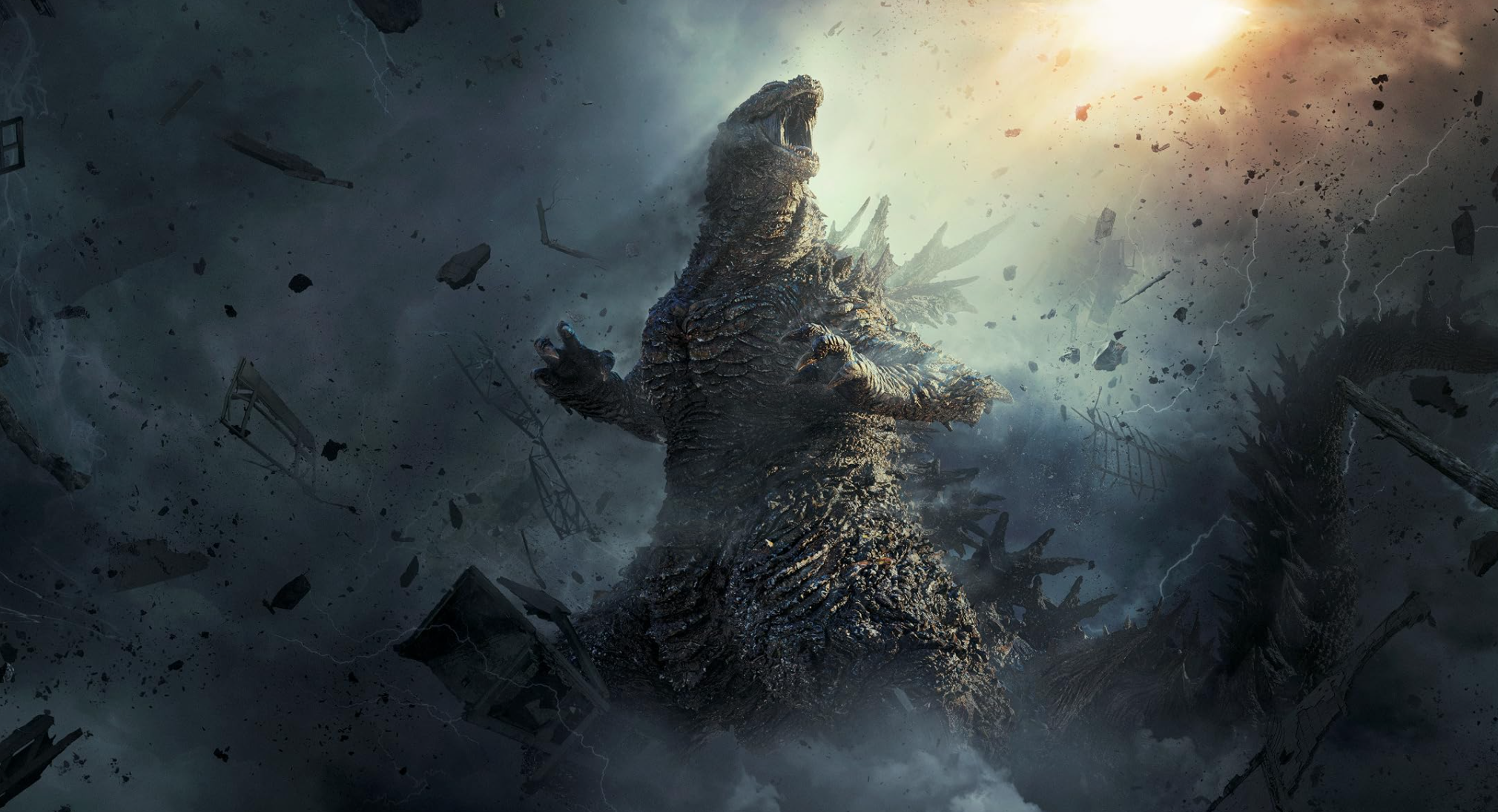
Even so, Godzilla Minus Zero succeeds because it understands that giant monsters alone are not enough. The film is at its best when exploring how people endure loss, rebuild communities, and find reasons to keep moving forward despite overwhelming odds. It treats its monsters as symbols as much as threats, using them to examine fear, guilt, survival, and hope in a country still trying to recover from catastrophe.
While some viewers may wish for more Godzilla and fewer conversations, there is something admirable about a sequel willing to prioritise emotional investment over nonstop destruction. The film does not always find the perfect balance between its human drama and its kaiju spectacle, but it remains a compelling, ambitious, and often moving continuation of a story that understands the monster has always been most powerful when viewed through human eyes.
Check out Godzilla Minus Zero with IMAX early access on Godzilla Day, November 3, 2026. Find your nearest screenings here.
Review written by Alex Moulton
