Fresh off gold at the 1960 Olympics, young boxer Muhammad Ali (then known as Cassius Clay) sets his sights on the Heavyweight Championship. Contending with newfound fame, self-doubt, family conflict and a politically charged America, the once-in-a-generation prodigy discovers his greatest opponent won't be in the ring, but in a society that isn't ready for him to become his own man.
Biographical dramas about legendary figures often fall into the trap of trying to cover an entire lifetime, racing through milestones in the hope that sheer scale will capture greatness. Prime Video’s The Greatest takes the opposite approach. Rather than attempting to summarise the full life and legacy of Muhammad Ali, the eight-episode series focuses on a comparatively short but transformative chapter, following Cassius Clay from his Olympic triumph in Rome through to his emergence as one of boxing’s most electrifying young contenders. The result is a more intimate and thoughtful portrait that feels less concerned with mythology and more interested in understanding what shaped the man before he became a global icon.
Created by Ben Watkins, The Greatest works best when it recognises that Ali’s story was never just about boxing. His achievements inside the ring remain a central part of the narrative, but the series is equally invested in the experiences, relationships and social realities that influenced his evolving sense of identity. The show presents a young man whose confidence appears limitless, yet who repeatedly discovers that talent and success do not automatically earn respect in a deeply divided America. That tension becomes one of the drama’s most compelling threads, driving both the personal and political awakening that unfolds across the season.
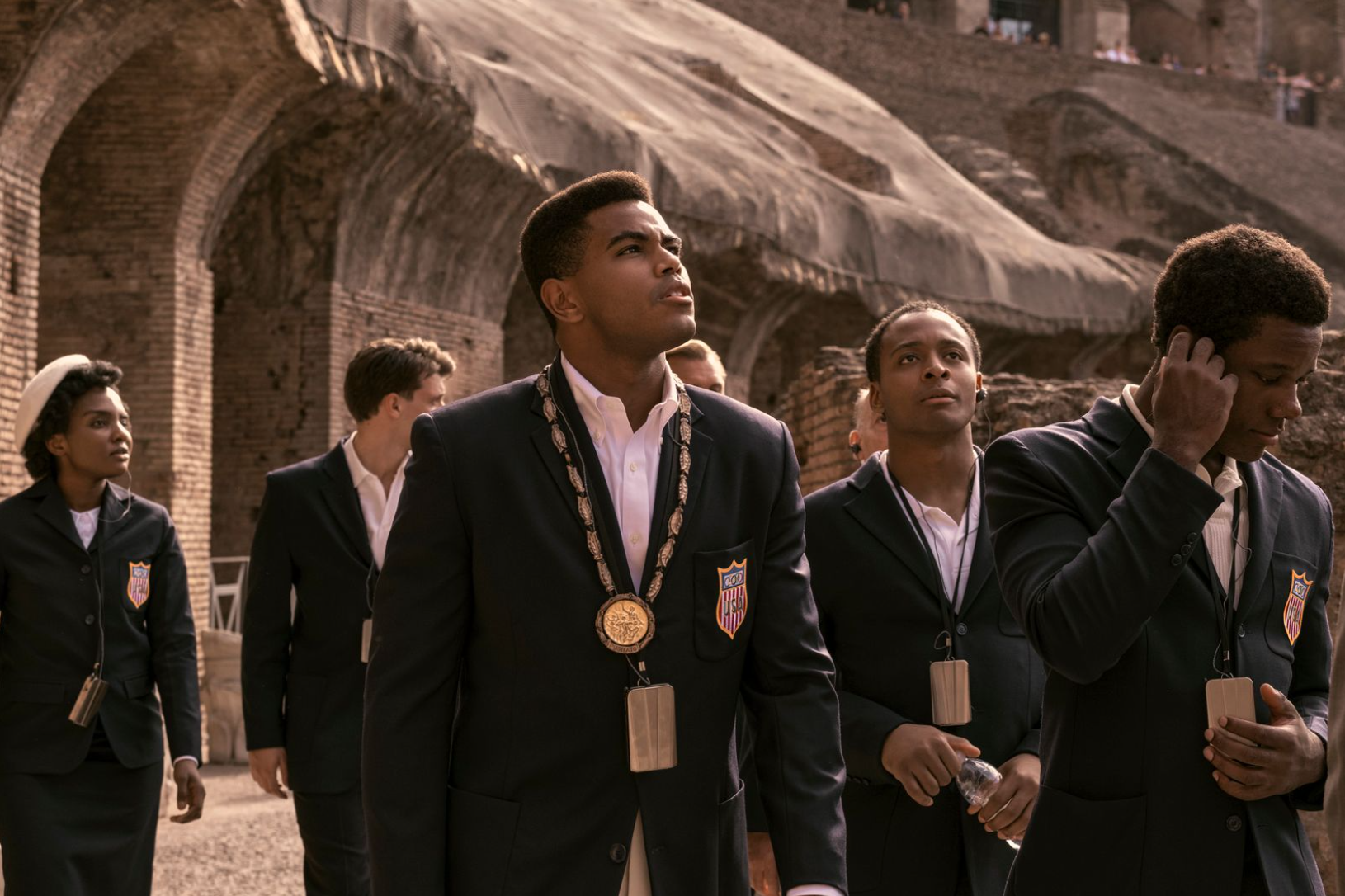
At the centre of everything is Jaalen Best in a remarkable breakthrough performance. Portraying someone as famous and widely imitated as Muhammad Ali is an intimidating challenge, but Best wisely avoids turning the role into a straightforward impression. Instead, he captures the spirit of the young Cassius Clay, from the charisma and verbal confidence to the relentless ambition that pushed him forward. What stands out most is the humanity he brings to the character. Even when Clay’s bravado reaches its most entertaining extremes, Best ensures there is always a sense of vulnerability and determination underneath. The performance makes it easy to understand why people were drawn to him, while also revealing the pressures that came with trying to define himself on his own terms.
The series also benefits from refusing to treat Clay as a flawless hero. While there is obvious admiration for its subject, the writing does not reduce him to a saintly figure. Instead, it explores both his strengths and shortcomings, allowing the audience to see a talented young man still working out who he wants to be and what responsibilities come with his growing influence. That decision gives the story far greater dramatic weight than a more conventional celebration of achievement would have offered.
Some of the strongest scenes occur away from the bright lights of the boxing arena. The Clay family is portrayed with a welcome sense of complexity, creating a richer understanding of the environment that shaped him. Dana Gourrier brings warmth and quiet strength to Odessa Clay, while Omari Hardwick delivers some of the series’ most powerful work as Cassius Clay Sr. Rather than presenting him as a simplistic villain or inspirational father figure, the show acknowledges the contradictions within the character. His pride in his son’s accomplishments often sits alongside frustration, bitterness and personal failings, resulting in a relationship that feels authentic and emotionally layered. These family dynamics give the drama a strong emotional foundation and provide some of its most memorable moments.
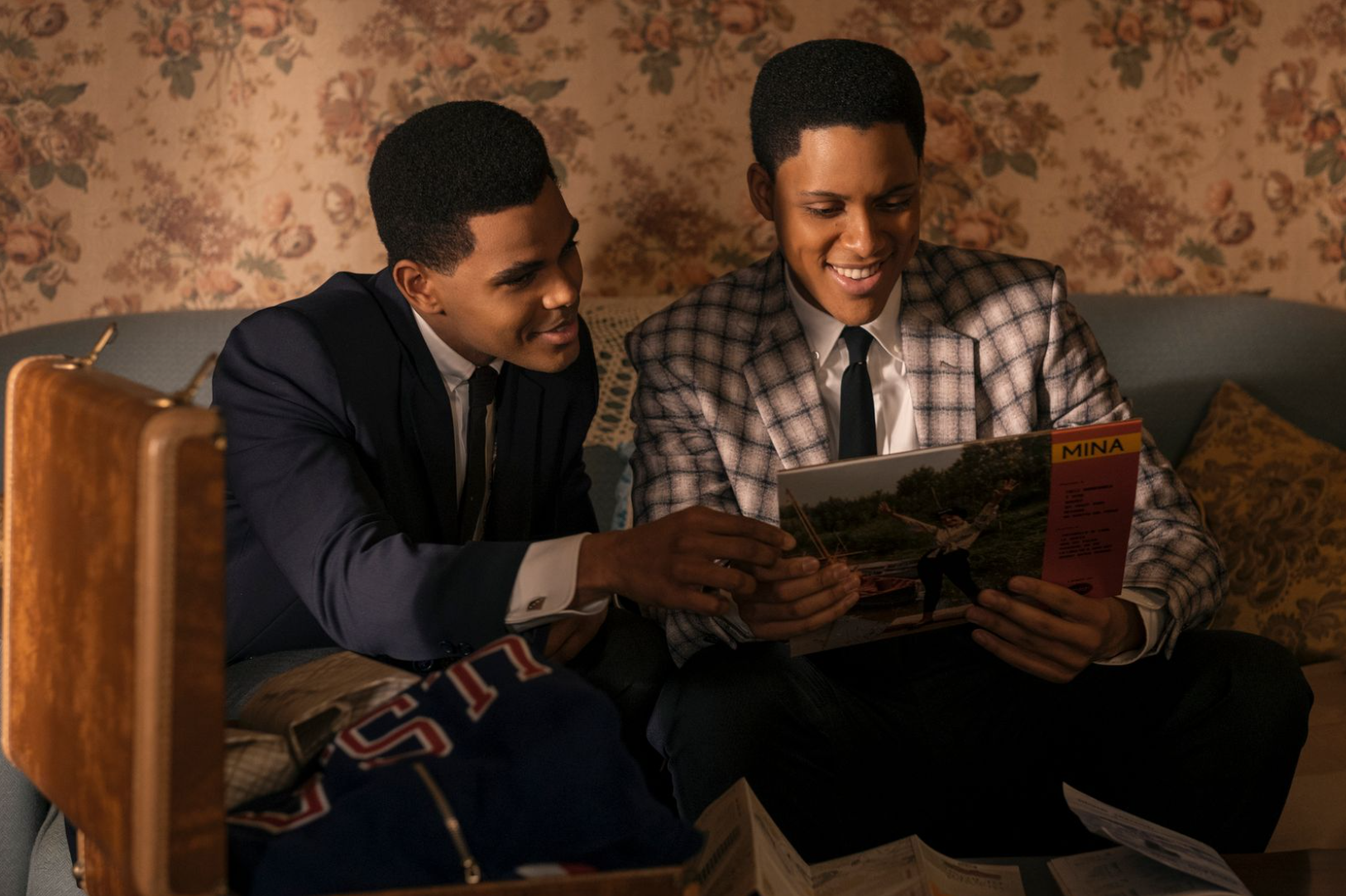
Equally important is the series’ exploration of Clay’s growing connection to the Nation of Islam and his friendship with Malcolm X. The show approaches this part of the story not as a subplot but as a vital element of his development. As Clay becomes increasingly aware of the limitations placed upon him by society, his search for purpose and belonging gains greater significance. Michael Ealy brings warmth, intelligence and conviction to Malcolm X, and the relationship between the two men becomes one of the emotional anchors of the season. Their conversations help frame many of the larger questions the series asks about identity, faith, self-worth and personal responsibility.
For all its strengths as a character drama, The Greatest never forgets that its central figure changed the sporting world. The boxing sequences are among the series’ most impressive achievements, capturing the uniqueness of Clay’s style in a way that feels both exciting and revealing. Rather than presenting boxing as a simple contest of strength, the choreography emphasises movement, rhythm and intelligence. Clay’s fluid footwork, lightning-fast hand speed and unconventional approach become extensions of his personality. Every fight feels like a performance as much as a competition.
The visual approach adds significantly to that impact. Cameras frequently move directly into the action, placing viewers uncomfortably close to the punches, sweat and exhaustion of the fighters. Long, uninterrupted tracking shots create an impressive sense of realism, while occasional slow-motion moments highlight the astonishing speed of Clay’s reactions and counterattacks. The contrast between Clay’s graceful, almost dance-like movement and the intimidating power of Sonny Liston creates a fascinating visual language that underpins the season’s central rivalry. Rather than relying solely on exposition, the fights themselves become a way of understanding who these men are.
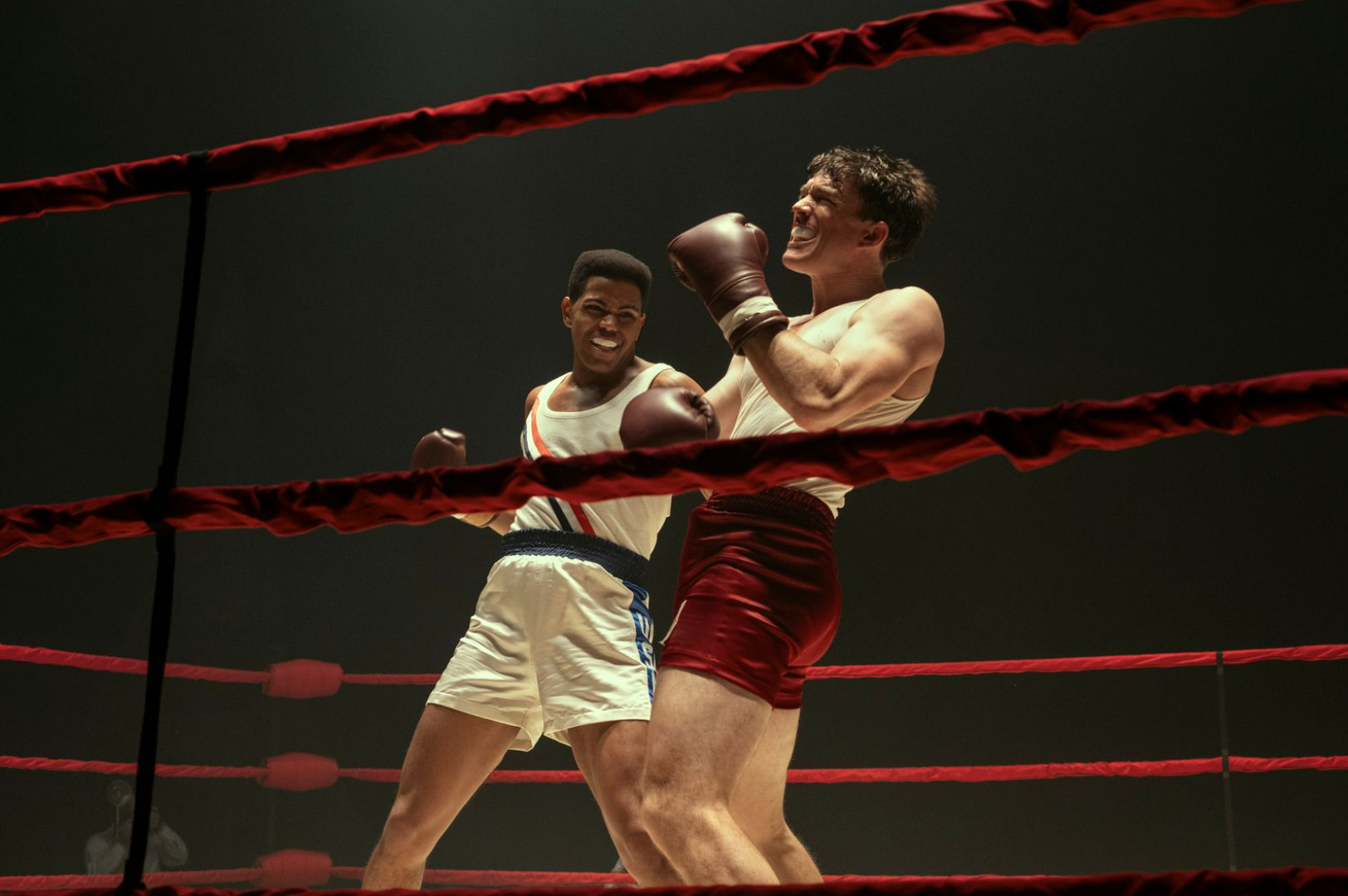
Amin Joseph deserves particular praise for his portrayal of Liston. The character is presented as far more than a one-dimensional obstacle standing between the protagonist and glory. The series acknowledges his troubled past, personal demons and the psychological scars that shaped his worldview. While Clay represents confidence and self-belief, Liston often seems trapped by the expectations and stereotypes imposed upon him. Their differences make the conflict between them far more interesting than a simple sports narrative, adding emotional and thematic depth to the inevitable showdown.
Visually, the production impresses throughout. The recreation of early 1960s America feels authentic without becoming distracting, helped by extensive location work and detailed production design. The series effectively transports viewers between Louisville, Miami and Chicago, creating a strong sense of place that supports the broader story. Combined with a soundtrack that blends period influences with more contemporary energy, the result is a world that feels both historically grounded and immediately engaging.
The pacing is not entirely flawless. The series occasionally struggles to balance its intimate dramatic scenes with its large-scale sporting moments, leading to minor shifts in momentum between episodes. Some of the social and political messaging can also feel a little direct in its delivery. Yet those moments are relatively minor issues within a production that generally succeeds because of its confidence in the material.
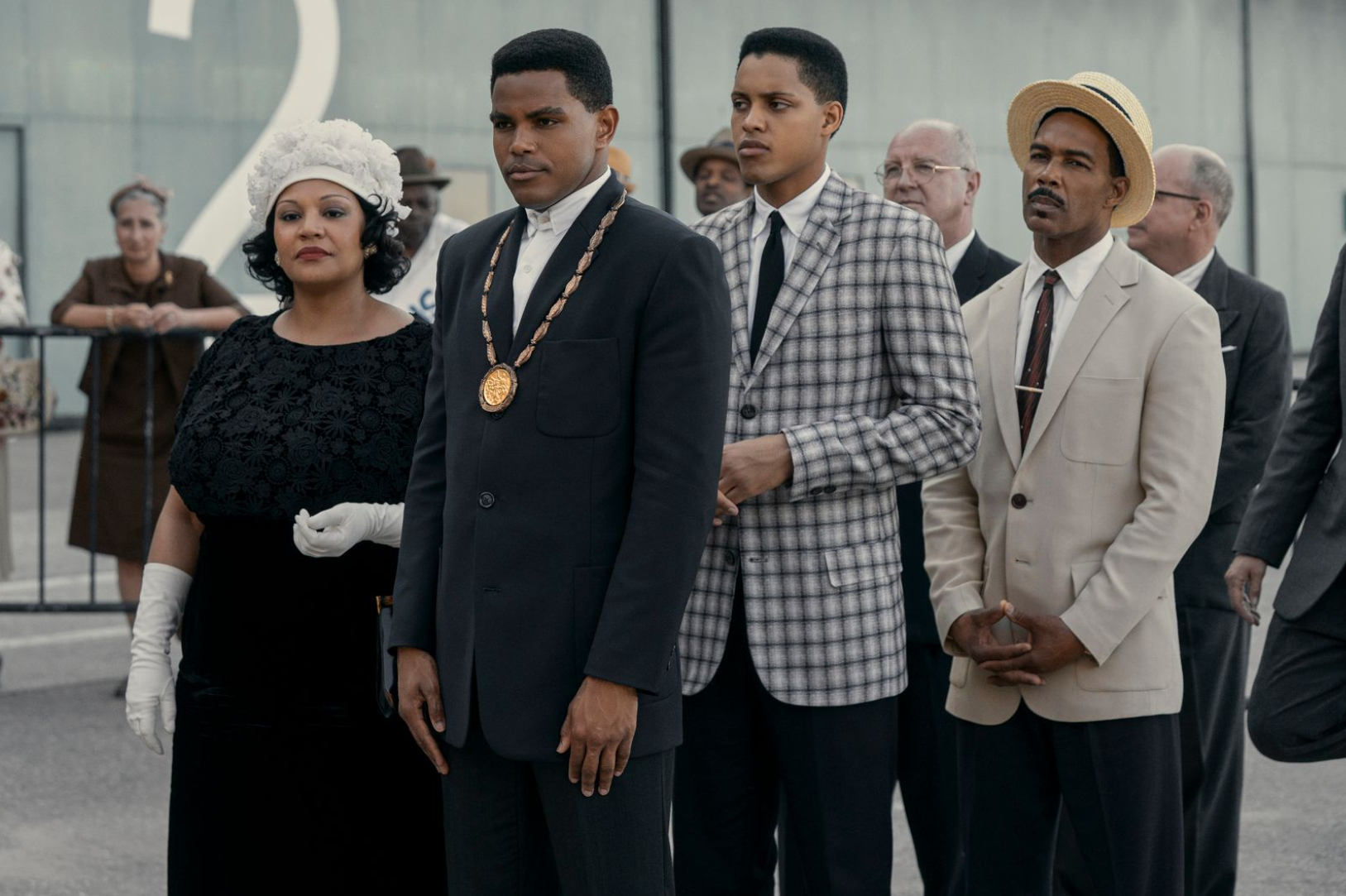
What ultimately makes The Greatest so effective is its understanding that greatness is not simply measured by victories or championship belts. The series is far more interested in the process of becoming than the destination itself. It explores the challenges of defining your own identity in a world determined to define it for you. By focusing on a young Cassius Clay before he fully became Muhammad Ali, the show discovers fresh perspectives within a story many viewers thought they already knew.
Anchored by Jaalen Best’s outstanding performance and supported by a terrific ensemble cast, The Greatest delivers a thoughtful, emotionally engaging and frequently exhilarating portrait of a sporting legend in the making. It may follow some familiar beats of the biographical drama formula, but its focus, strong character work and striking fight sequences help it stand apart. For both boxing fans and those interested in the man behind the legend, it is an absorbing and finely crafted series that understands the difference between being a champion and becoming something much bigger.
The Greatest is coming to Prime Video on November 4, 2026.
Review written by Alex Moulton
