Ember (2026)
Screening as part of Doc Edge 2026
An elderly couple is trapped in their village near Kyiv as it falls under Russian occupation. When a fire destroys their home, they are forced to seek refuge with neighbors and find a way out.
Ember, directed by Vladyslav Kalenskyi, is a quiet punch to the chest. It is a short film that never raises its voice, never rushes, and never relies on spectacle, yet it leaves you sitting in stillness long after the final frame. In just twelve minutes, it captures the emotional weight of a war that has slipped from headlines but continues to shape lives every day.
The film is animated almost entirely in muted blues, greys, and browns, giving it the look of a watercolour painting left out in the rain. The palette is dreary and cold, but intentionally so. It reflects a world where warmth is scarce and safety is fragile. The animation style is simple, almost childlike, with each frame resembling a hand‑drawn sketch. That simplicity becomes the film’s greatest strength. It strips away distraction and leaves only the emotional truth.
There is no dialogue. No narration. No exposition. Everything is communicated through action, pacing, and visual cues. A phone battery slowly draining. A bottle of medication running low. A basement that grows colder with each passing moment. These details say more about the characters’ situation than any spoken explanation could. The film trusts the audience to understand, and that trust pays off.
The story follows an elderly couple living on the outskirts of Kyiv as Russian forces advance. But the film never shows the conflict directly. Instead, it focuses on the small, human moments that define survival. The couple’s routines. Their reliance on neighbours. Their attempts to maintain a sense of normality as the world around them fractures. The absence of dialogue makes their bond feel even stronger. Every gesture carries weight.
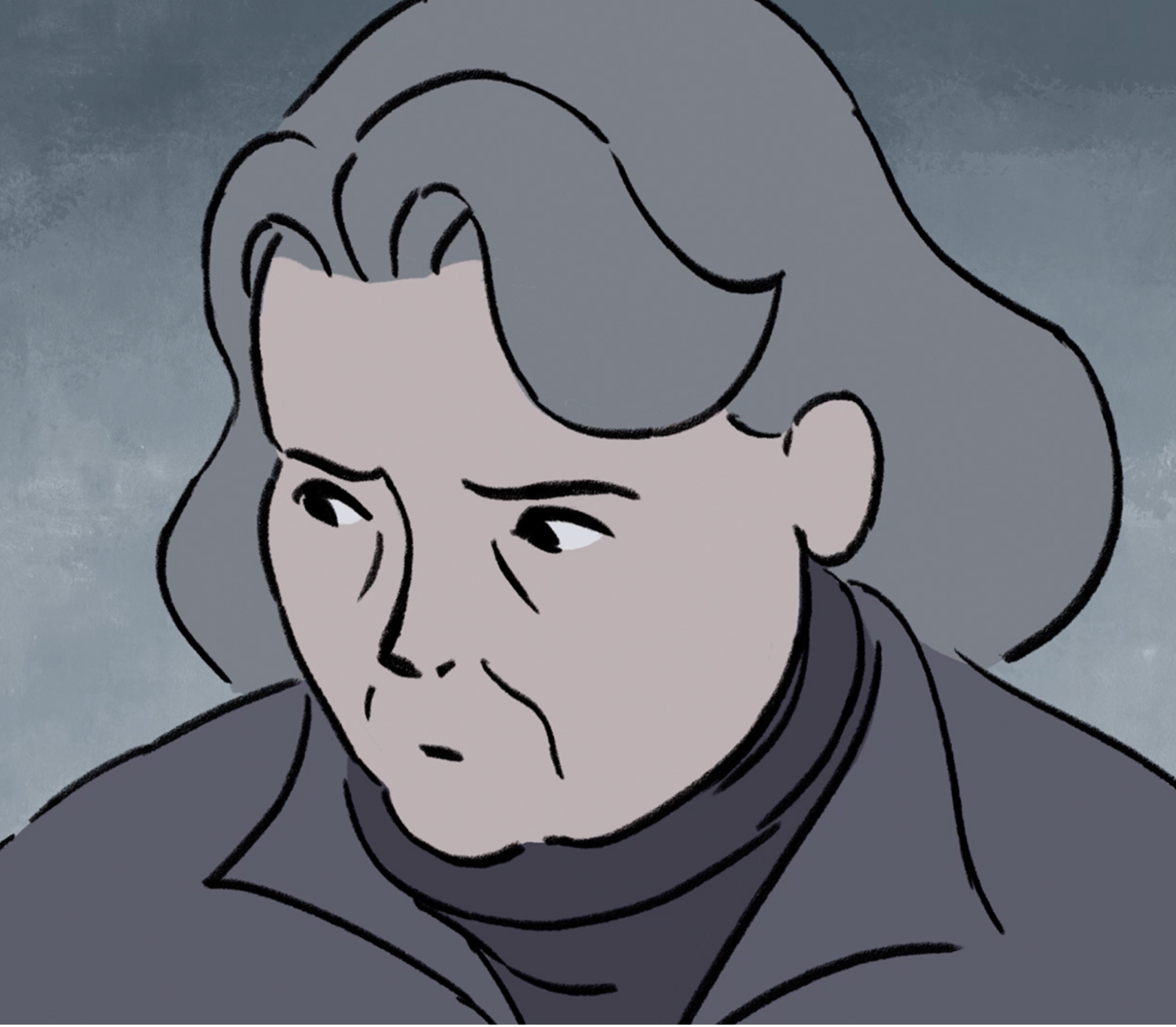
The editing is sharp and deliberate. Abrupt transitions hint at danger without showing it. The film uses three simple emojis to represent dramatic events, a choice that sounds strange on paper but works surprisingly well. It reduces chaos to symbols, mirroring the way trauma can compress memory into fragments. These choices create a sense of foreboding that builds quietly throughout the short.
The music is sparse, mostly soft piano that drifts through the background like a memory. It never overwhelms the visuals. Instead, it adds a layer of melancholy that deepens the emotional impact. The score feels like a heartbeat, steady but fragile.
What makes Ember so affecting is how much it conveys with so little. The film does not show violence. It does not show destruction. It does not show the front line. Yet the fear is palpable. The isolation is real. The sense of loss is unmistakable. The film captures the emotional landscape of war rather than the physical one. It shows what it feels like to wait, to hope, to endure.
The short also highlights the instinctive human urge to help others, even when resources are scarce. Small acts of kindness become lifelines. The film never romanticises these moments. It simply presents them as part of what keeps people going when everything else is falling apart.
Despite its minimalism, the film builds a surprising amount of attachment to its characters. You care about them almost immediately. Their vulnerability is clear, but so is their resilience. When the film reaches its final moments, the emotional impact lands with force. It is not manipulative. It is not melodramatic. It is honest.
The animation lingers on certain images long enough for them to settle into your chest. The cold of a basement. The silence when a phone signal disappears. The stillness of a home that no longer feels safe. These moments accumulate until the film becomes more than a story. It becomes a feeling.
Ember is short, concise, and quietly devastating. It reminds the viewer that war does not end when the news cycle moves on. It continues in the lives of ordinary people who lose homes, routines, and pieces of themselves. The film honours those experiences with restraint and compassion.
It is a small film with a large emotional footprint. And it leaves you with a lump in your throat.
Screening as part of Doc Edge 2026. Check out the films and screenings here
Review written by Alex Moulton
