Elon Musk Unveiled – The Tesla Experiment (2025)
Screening as part of Doc Edge 2026
It is 2014 and tech billionaire Elon Musk unveils his plans for a self-driving car in front of an enthusiastic audience. What consumers don’t know is that Tesla’s “autopilot” function is far from road-ready, and new owners are being used to improve the software by providing their data. A fatal accident in Florida triggers a protracted lawsuit to hold Tesla accountable, and it is not the only incident. Shocking footage from dashcams and security cameras shows the ruthlessness of Tesla cars suddenly braking or accelerating, and the crashes that follow.
Elon Musk Unveiled – The Tesla Experiment, is a documentary that begins with the promise of technological revolution and gradually peels back the layers of a story far more complicated than the glossy presentations and bold predictions that have defined Tesla’s public image. What starts as a celebration of innovation slowly shifts into a sobering examination of ambition, accountability, and the human cost of pushing boundaries too quickly.
The film opens with the excitement of 2014, when Elon Musk first introduced the idea of a self‑driving future to an audience eager to believe in the next great leap forward. The early scenes capture the optimism of the moment. The idea of cars that could navigate themselves felt like science fiction becoming reality. The documentary uses this initial enthusiasm as a contrast point, setting up a narrative arc that becomes increasingly unsettling as the truth behind the technology begins to surface.
From there, the film moves into the world behind the marketing. It explores how Tesla’s driver‑assistance systems were rolled out long before they were ready for widespread use. New owners, the documentary suggests, were unknowingly participating in a massive real‑world experiment. Their vehicles collected data, learned from mistakes, and updated themselves, but the risks of this approach were rarely communicated clearly. The documentary never claims to have all the answers, but it raises important questions about consent, transparency, and the ethics of testing emerging technologies on public roads.
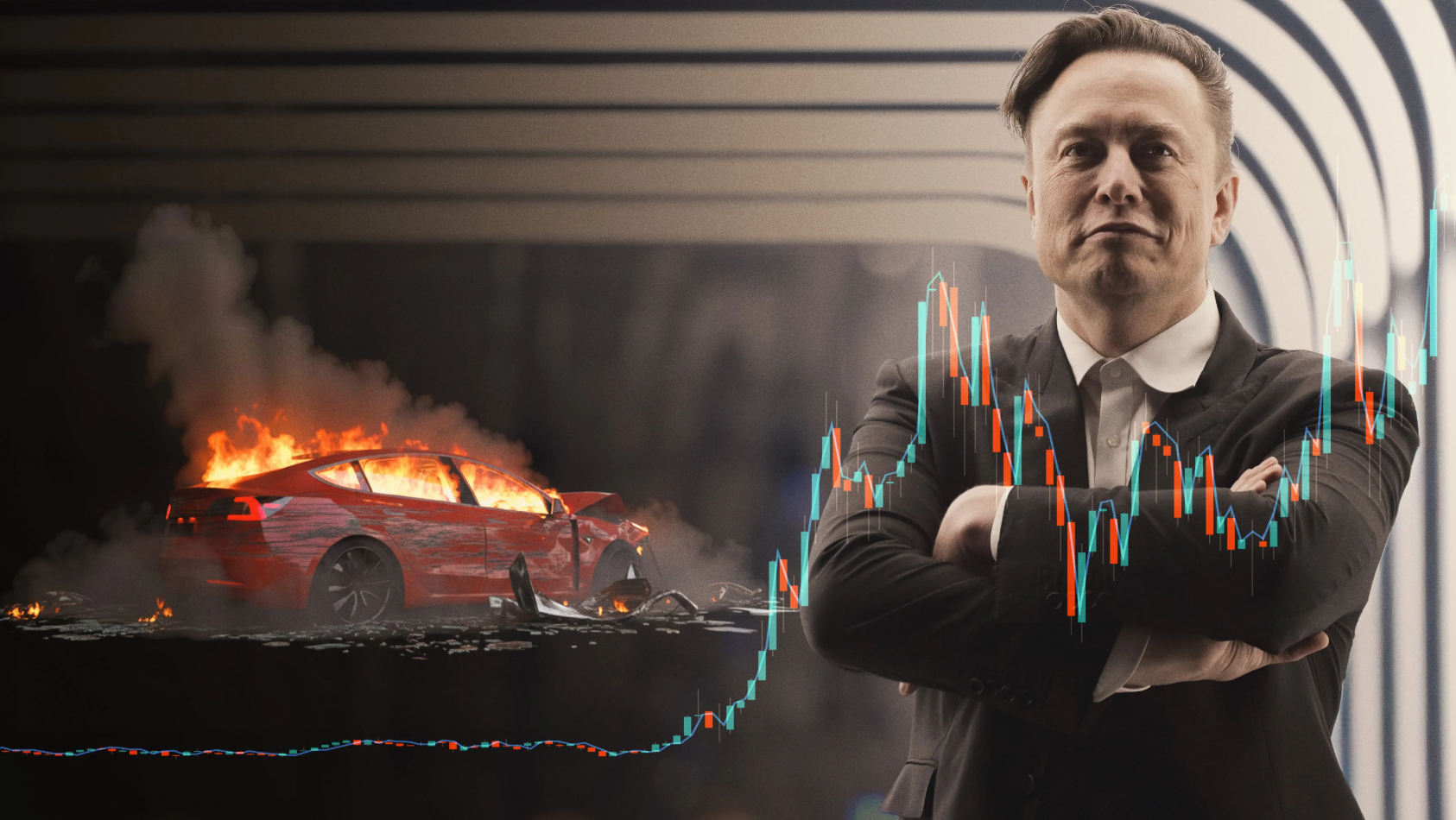
One of the most striking elements of the film is its focus on the people affected by Tesla’s technological shortcomings. Rather than relying solely on experts or analysts, the documentary foregrounds the voices of families who lost loved ones in crashes where automated systems were allegedly involved. Their stories are told with care and without sensationalism. The grief is raw, and the frustration is palpable. These interviews give the film emotional weight, grounding the broader discussion of innovation in the lived experiences of those who paid the highest price.
Among the individuals featured is a young man who survived a devastating collision that claimed the life of his partner. His recollections are quiet and devastating. The documentary follows his family’s long legal struggle to obtain clarity about what happened, highlighting the challenges of confronting a company that often appears reluctant to release internal data. Their persistence becomes a thread that runs through the film, illustrating how difficult it can be for ordinary people to seek accountability from a corporation with immense resources.
The documentary also includes interviews with former Tesla employees and whistleblowers who describe a workplace culture defined by intense pressure and secrecy. Their accounts paint a picture of a company driven by speed and ambition, sometimes at the expense of caution. One whistleblower describes raising concerns internally about recurring safety issues, only to face retaliation and dismissal. His decision to leak thousands of internal reports to the press becomes a pivotal moment in the film, revealing patterns of sudden braking, unexpected acceleration, and inconsistent behaviour from the company’s driver‑assistance systems.
These testimonies are intercut with footage from dashcams and security cameras that show vehicles behaving unpredictably. The clips are brief and presented without sensationalism, but they are undeniably disturbing. They serve as visual evidence of the gap between Tesla’s promises and the reality experienced by some drivers. The documentary uses these moments sparingly, allowing them to speak for themselves.
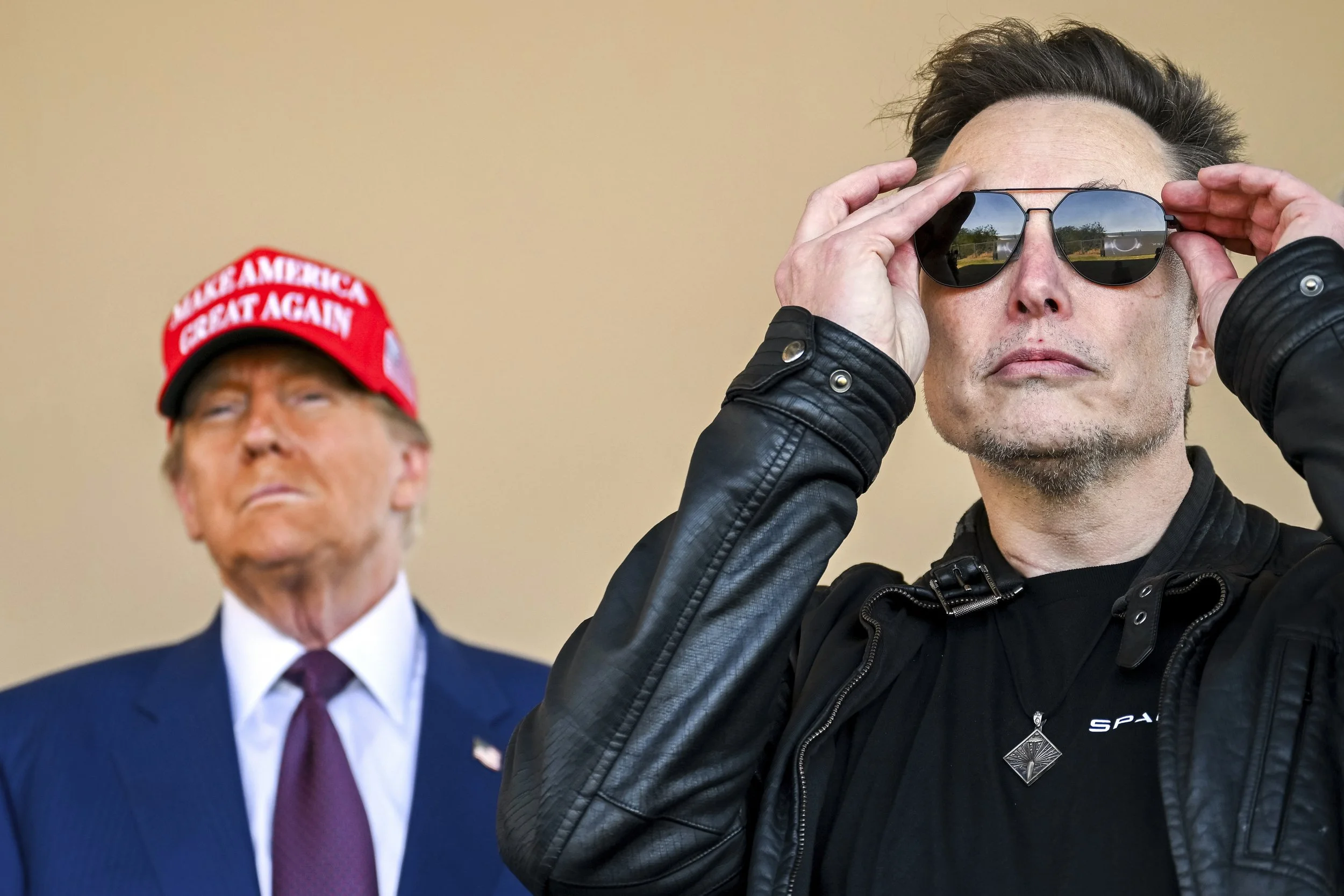
Beyond the cars, the film widens its lens to examine Elon Musk’s broader influence. It touches on his ventures into space exploration, his interest in human enhancement technologies, and his increasingly visible role in American political discourse. These segments do not dominate the film, but they provide context for understanding how Musk’s worldview shapes the decisions made within Tesla. The documentary suggests that his belief in rapid innovation and long‑term vision sometimes overshadows the immediate risks faced by consumers.
The film also explores how Musk’s public persona has evolved over the years. Archival footage shows him as a charismatic figure championing clean energy and technological progress. Later clips reveal a more polarising presence, one whose statements and political alliances have sparked controversy. The documentary does not attempt to judge his character, but it does highlight the tension between his grand ambitions and the real‑world consequences of his decisions.
Structurally, the documentary is well crafted. It begins with excitement, moves into investigation, and gradually builds toward a more reflective tone. The pacing allows viewers to absorb the complexity of the issues without feeling overwhelmed. The editing is sharp, weaving together interviews, archival footage, and investigative reporting into a cohesive narrative. The filmmakers avoid sensationalism, instead opting for a measured approach that lets the evidence and testimonies speak for themselves.
One of the film’s strengths is its ability to challenge assumptions. Many viewers may enter the documentary believing that drivers are solely responsible for monitoring their vehicles, even when using advanced driver‑assistance systems. The film complicates this perspective by showing how marketing, branding, and public statements can create unrealistic expectations. When consumers are told that a car can handle itself, even if only in certain conditions, it becomes easier to understand how trust can be misplaced. The documentary highlights the gap between what buyers believe they are getting and what the technology is actually capable of delivering.
Despite covering a wide range of topics, the documentary maintains a clear focus on the human impact of technological ambition. It acknowledges the potential of autonomous vehicles to reduce accidents in the long term, but it also questions the ethics of accepting short‑term casualties as part of that journey. The film does not claim to have definitive answers, but it insists that these questions deserve serious consideration.
By the time the credits roll, the viewer is left with a sense of unease. The documentary does not argue against innovation, nor does it dismiss the potential benefits of autonomous driving. Instead, it asks whether the pursuit of progress has outpaced the systems meant to protect the public. It invites viewers to reflect on the responsibilities of companies that develop powerful technologies, and on the importance of transparency when lives are at stake.
Elon Musk Unveiled – The Tesla Experiment is a compelling and carefully constructed documentary that balances investigation with empathy. It offers a nuanced look at the intersection of innovation, corporate culture, and human vulnerability. It is a film that will leave audiences thinking long after it ends.
Screening as part of Doc Edge 2026. Check out the films and screenings here
Review written by Alex Moulton
