Married couple Omar and Dieon navigate surrogacy, family expectations, and plenty of meddling relatives as they pursue their dream of becoming parents.
One Baby, Please! takes a potentially overwhelming subject and transforms it into an energetic, often charming comedy about the realities of modern family planning. Across six compact episodes, the series follows married couple Omar and Dieon as they work through the legal, medical, financial, and emotional hurdles involved in starting a family. While the subject matter occasionally veers into surprisingly complex territory, the show keeps things accessible by grounding everything in the relationship at its centre, using humour and personality clashes to navigate what could otherwise have become a bureaucratic checklist of appointments and paperwork.
The short-form format shapes almost everything about the series. With episodes running for around fifteen minutes, there is very little room to waste time. Conversations move quickly, jokes arrive in rapid succession, and major life decisions often have to be tackled within the space of a single episode. The opening chapters can initially feel slightly overwhelming as significant amounts of information are delivered at speed, but this eventually becomes one of the show's strengths. The process Omar and Dieon are undertaking is genuinely complicated, and there is something effective about how the series replicates that feeling. New forms need completing, new agencies need consulting, new complications emerge, and family members inevitably have opinions on all of it. The pace creates an underlying anxiety that mirrors the characters' own growing sense that every successful step forward simply reveals another obstacle waiting around the corner.
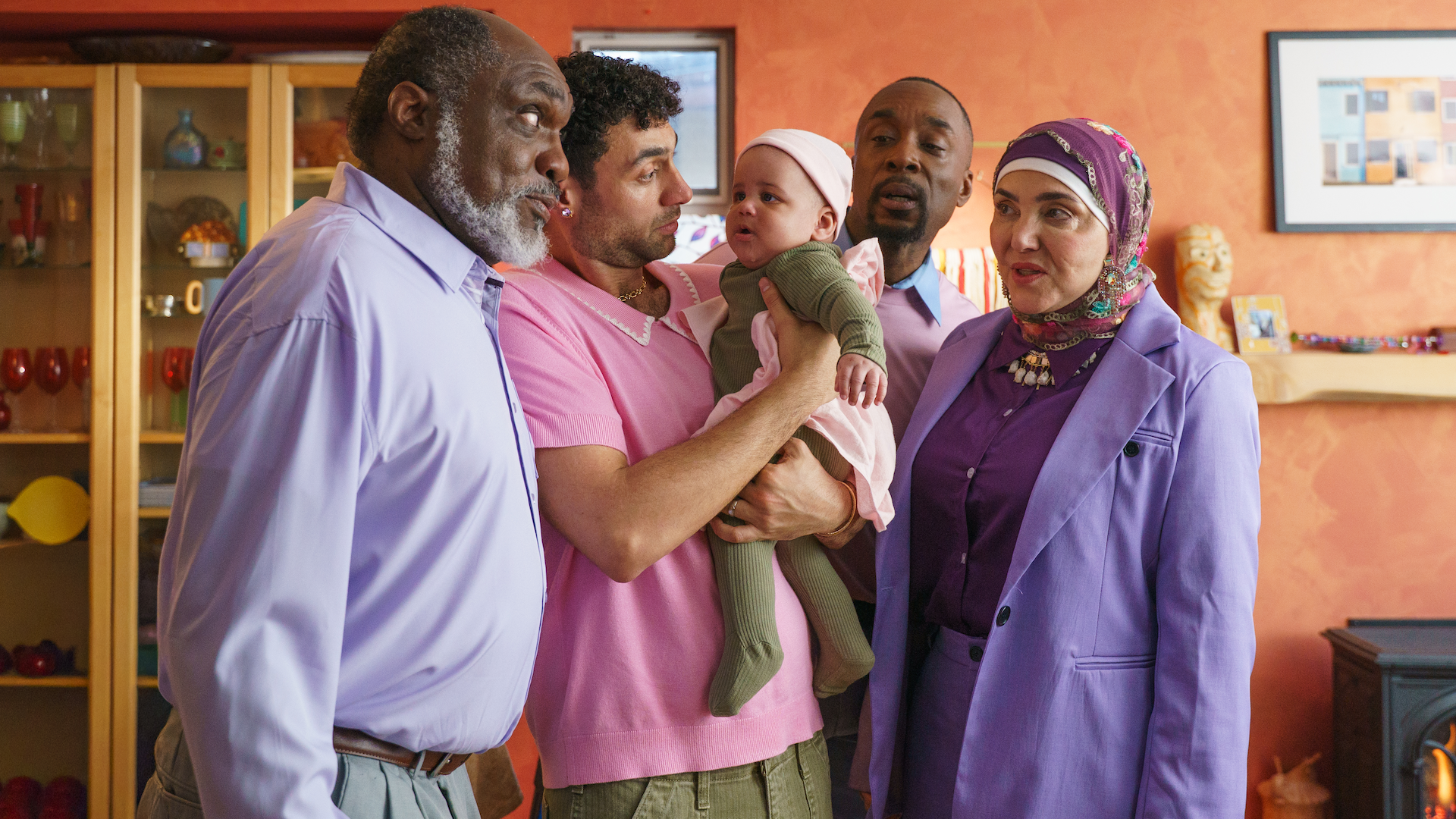
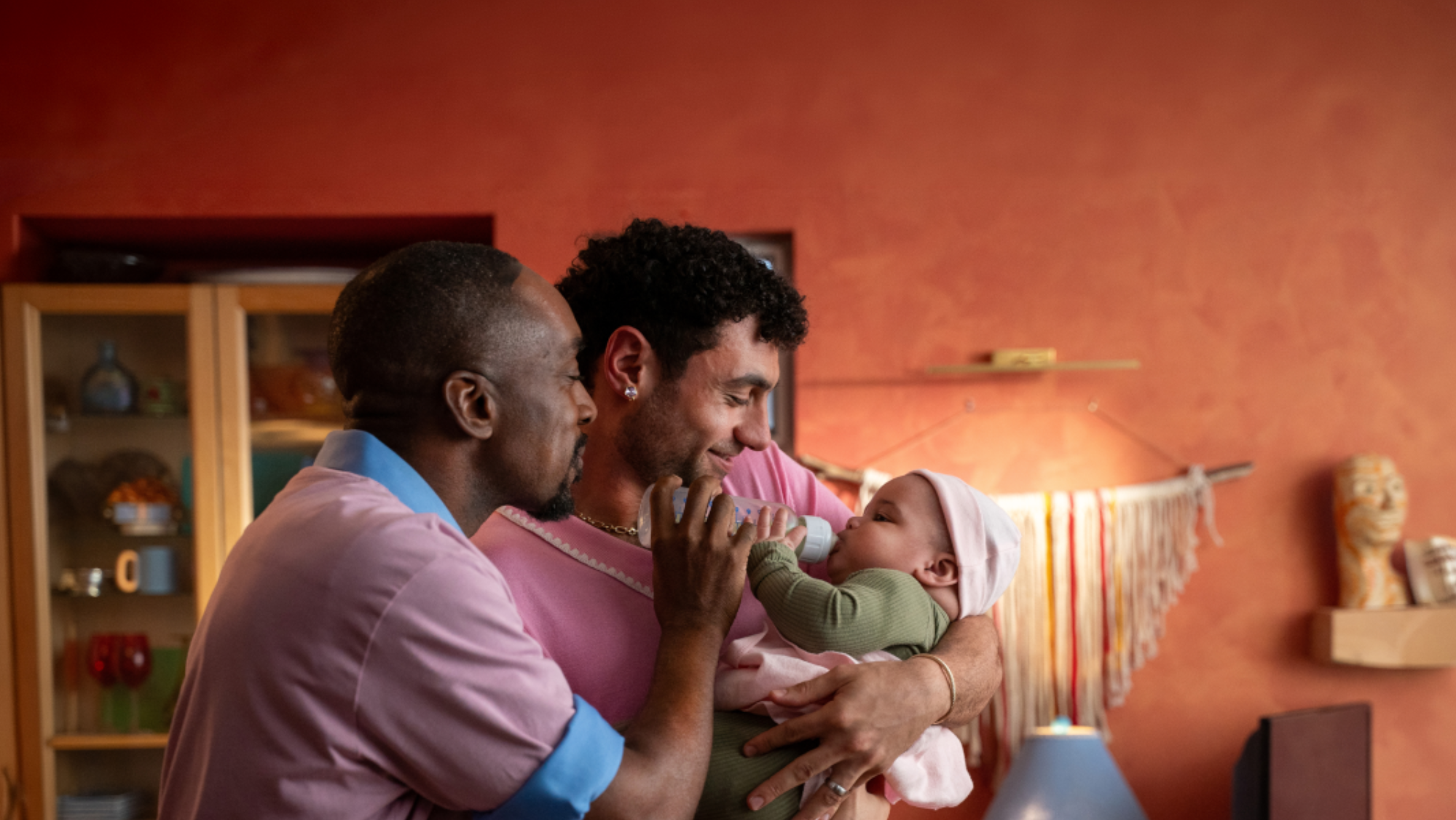
That constant movement is helped enormously by the chemistry between Karim Ahmed Adam and Adrian Neblett. The dynamic between Omar and Dieon could easily have felt familiar, built as it is around two people who approach life from completely different angles, but both actors find enough warmth and sincerity to make the relationship feel genuine. Dieon likes plans, schedules, and certainty. Omar tends to trust that things will somehow work themselves out. The conflict that emerges from those opposing outlooks provides much of the season's comedy, particularly as increasingly complicated decisions begin demanding more than optimism or organisation alone. What makes their interactions work is that neither character is presented as being entirely correct. Dieon's need for control repeatedly creates unnecessary stress, while Omar's tendency to go with the flow occasionally ignores practical realities. Because both perspectives contain strengths and flaws, their arguments feel less like sitcom contrivances and more like the sort of disagreements that emerge in real relationships.
The supporting cast also plays an important role in broadening the show's scope. The families are particularly effective because they stop the story from becoming solely focused on logistics. Every discussion about surrogacy, adoption, donors, or parenthood is filtered through wider conversations about culture, identity, expectations, and legacy. Parents, relatives, and friends frequently interfere, often creating additional complications, but their involvement rarely feels malicious. Even at their most overbearing, there is usually an understanding that their concern comes from love rather than judgement. Those interactions give the series an unexpected warmth and help establish a richer sense of history around the central couple. Instead of feeling isolated inside a sitcom premise, Omar and Dieon appear connected to larger communities and family traditions that shape the choices they are making.

Visually, the production embraces a colourful, highly polished aesthetic that suits both the format and the tone. The lighting is bright, the colours are vibrant, and almost every location appears carefully arranged to maximise visual appeal. The result is an attractive series that immediately catches the eye, particularly on smaller screens where clarity and colour become increasingly important. At times, however, that level of visual polish works against the show. Some locations feel so carefully maintained that they resemble showroom displays rather than places people genuinely inhabit. The environments are pleasant to look at, but they occasionally lack the lived-in quality that might have made the world feel more authentic.
That issue is reinforced somewhat by the directing style, which favours stability over movement. Much of the series is shot with relatively static framing, allowing performances and dialogue to carry the majority of the energy. There are benefits to this approach, particularly in a comedy built around rapid-fire exchanges, but it also places greater pressure on the performers. With fewer visual distractions, audiences spend more time focusing on delivery, timing, and chemistry. Fortunately, the lead pair are more than capable of carrying that responsibility, even if some of the broader performances occasionally push toward caricature rather than naturalism.
That heightened acting style is one of the more divisive elements of the series. Several characters operate at a volume and intensity that feels deliberately larger than life. For some of the more flamboyant personalities this works perfectly, adding energy and helping distinguish individual voices within a very short runtime. In quieter scenes, however, the same approach can feel slightly artificial. The emotional moments do not always land as naturally as they might have if the performances had been played with a little more restraint. The show largely gets away with this because its tone is consistently heightened, but there are moments where a lighter touch would have strengthened the drama.
One performer who consistently finds that balance is David Bloom. His portrayal of Dr Dave transforms a role that could have existed purely to deliver exposition into one of the series' most memorable supporting turns. Rather than presenting a conventional medical professional, Bloom creates somebody whose eccentricity makes every visit slightly unpredictable. There is a warmth to the character that keeps him approachable, but also enough oddness that neither the audience nor the central couple are ever entirely sure where each conversation is heading. In a story filled with complex procedures and intimidating bureaucracy, that energy becomes a welcome source of humour.
What ultimately makes One Baby, Please! successful is its ability to keep returning to the human side of the process. Beneath the paperwork, appointments, phone calls, and family debates sits a story about two people trying to take the next major step in their lives together. The series occasionally moves too fast for its own good, some performances are broader than necessary, and the visual polish sometimes comes at the expense of authenticity, but those flaws are outweighed by the warmth, humour, and sincerity at its centre. By the time the season reaches its conclusion, the audience has spent enough time with Omar and Dieon to genuinely care about their future, which is perhaps the strongest compliment any relationship-driven comedy can receive.
In New Zealand, you can watch the new queer comedy series One Baby, Please! on Prime Video (with an add-on subscription to the OUTtv Prime Video Channel). You can also stream the series directly on the standalone platform OUTtv.com
Review written by Alex Moulton
