Teenage Sex and Death at Camp Miasma (2026)
After years of slapdash sequels and waning fandom, the Camp Miasma slasher franchise is handed over to an enthusiastic young director for resurrection. But when she visits the original movie's star, a now-reclusive actress shrouded in mystery, the two women fall into a blood-soaked world of desire, fear, and delirium.
Teenage Sex and Death at Camp Miasma is the kind of film that feels destined to be dissected in queer groups, replayed at midnight screenings, and debated in long conversations between people who love cinema enough to embrace its messiness. Jane Schoenbrun has created something that sits halfway between a slasher, a surreal character study, and a meta-textual essay about the stories that shape us. It is playful, chaotic, and deeply considered, a piece of art that invites interpretation rather than offering tidy answers.
The film opens with a visually rich sequence that traces the fictional Camp Miasma franchise from cultural peak to pop culture punchline. Collectables, clippings, and VHS relics flicker across the screen to a cover of R.E.M.’s “Nightswimming,” creating a nostalgic rhythm that feels both affectionate and slightly haunted. Schoenbrun uses this montage not as parody, but as a way to show how horror franchises become personal landmarks for the people who grow up with them.
© MUBI
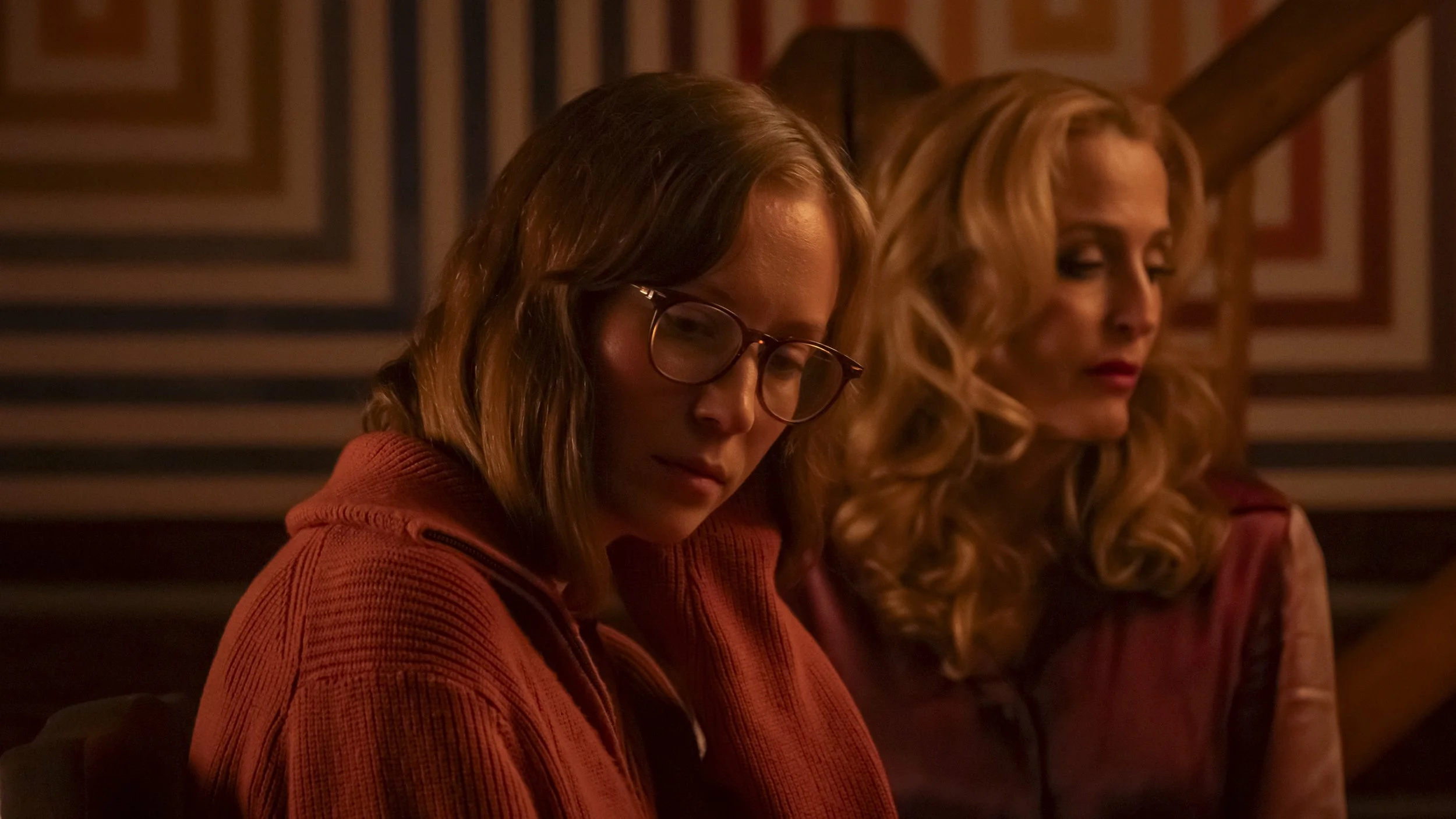
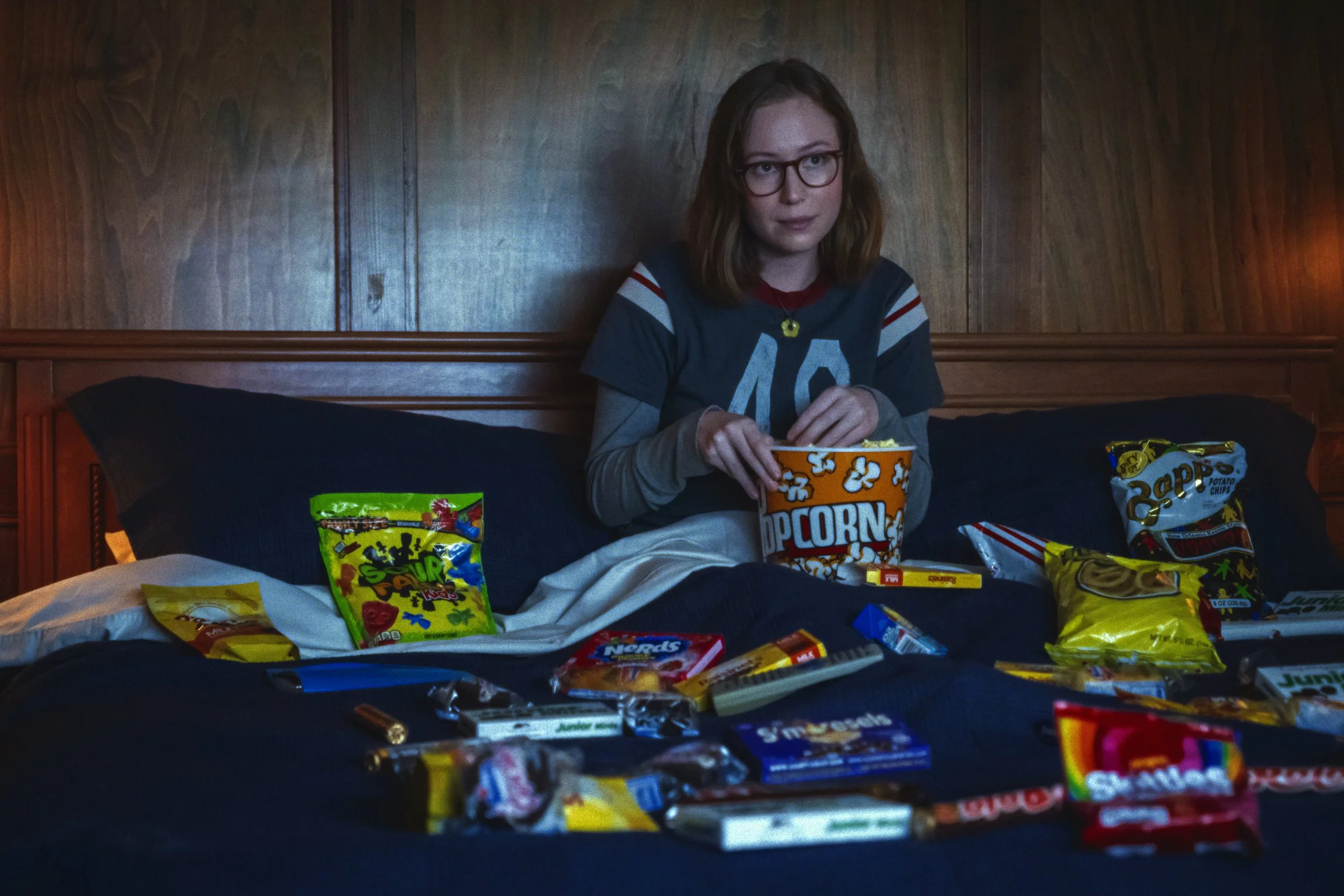
Kris Williams, played by Hannah Einbinder, is one of those people. A queer filmmaker in her late twenties, Kris has been hired to resurrect Camp Miasma for a modern audience. The studio wants a fresh face to polish a franchise known for its messy depiction of gender and sexuality. Kris knows she is being used as a marketing tool, but she also sees an opportunity to reclaim something that shaped her life. Her plan is to bring back Billy Presley, the original final girl, played in the present day by Gillian Anderson.
Billy has retreated from public life and now lives alone at the abandoned summer camp where the first film was shot. Kris travels into the Pacific Northwest, where snowy forests blend into painted backdrops that look intentionally artificial. Schoenbrun blurs reality from the start. The world Kris enters feels like a mixture of memory, fantasy, and cinematic artifice. It is unclear whether Kris is experiencing the camp as it is or as she remembers it from childhood VHS tapes.
Billy is not the recluse Kris expects. She is theatrical, magnetic, and strangely amused by Kris’s nervous energy. Their dynamic becomes the film’s emotional engine, shifting between curiosity, admiration, and a kind of creative tension that feels both generative and unsettling. Anderson plays Billy as a figure who exists somewhere between mentor, muse, and myth, someone who embodies the complicated legacy of the franchise itself.
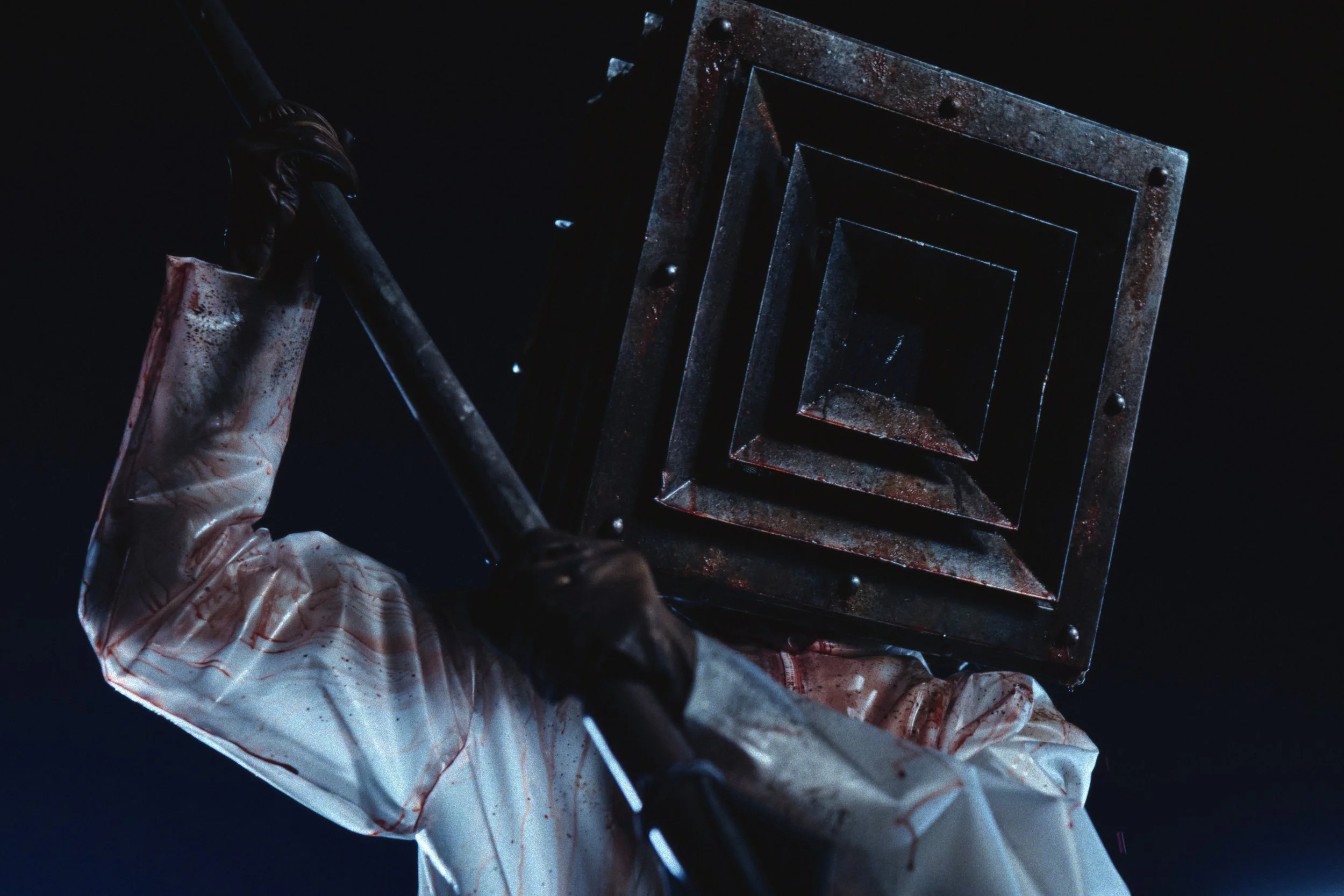
The mythology of Camp Miasma is explored through a film within the film, presented with uncanny authenticity. Shot on 35 mm, these sequences recreate the texture of 1980s slashers with grainy images, cigarette burns, and exaggerated gore. The killer, Little Death, is a masked figure with an air vent box for a head and a spear used to pierce bodies of all genders. The name is a reference to the French idiom for orgasm, and Schoenbrun leans into that symbolism with gleeful abandon. The killer’s design becomes a symbol of both violence and desire, a messy, provocative emblem of the franchise’s complicated history.
© MUBI
Schoenbrun treats the Camp Miasma mythology as something worth studying rather than mocking. The film explores how horror stories can reflect cultural anxieties, especially around gender and sexuality. It also examines how fans reinterpret problematic media, finding personal meaning in works that were never designed with them in mind. Kris’s relationship with the franchise becomes a lens through which the film examines queer awakening, cinephilia, and the strange intimacy that forms between viewers and the stories that shaped them.
The film’s exploration of sexuality is bold yet restrained. Despite its provocative title, the eroticism exists primarily in the characters’ minds. Kris’s frustration, shame, and longing are treated with tenderness. Her connection to horror imagery is not framed as deviant or sensational. Instead, the film suggests that many queer viewers have similar relationships with media that offered glimpses of desire long before they had language for it.
Visually, the film is stunning. Glass-painted backgrounds, split diopter shots, extended dissolves, and campy stylistic flourishes create a unique visual language. Schoenbrun commits fully to the aesthetic, crafting a world that feels both nostalgic and uncanny. The cinematography is lush, the production design is gorgeous, and the soundtrack is filled with unexpected choices that heighten the surreal atmosphere.
© MUBI
The film also satirises the entertainment industry. Kris’s attempts to pitch her reboot to clueless executives provide sharp humour. These scenes highlight how studios treat horror franchises as disposable commodities, ready to be revived and repackaged for profit. The satire is not subtle, but it is effective. The film critiques the industry’s self-congratulatory approach to representation and its habit of exploiting queer creators while ignoring their needs.
Despite bursts of cartoonish violence and absurd gore, the film is not a traditional slasher. It is a surreal drama with touches of black comedy, focused on the links between sex and death, and on the ways misogynistic and transphobic horror stories shaped generations of viewers. Kris becomes a complex figure, representing cinephiles who let cinema influence their lives so deeply that it becomes both comfort and curse.
Einbinder delivers a magnetic performance, portraying Kris as someone who goes from wanting to make a film to becoming part of one. Anderson is captivating, though her character functions more as a symbol than a person. Together, they create a dynamic that is tense, tender, and deeply strange.
Released in select cinemas across Aotearoa NZ from August 20. Find your nearest screening here
Review written by Alex Moulton
