The Baker’s Hotline (2026)
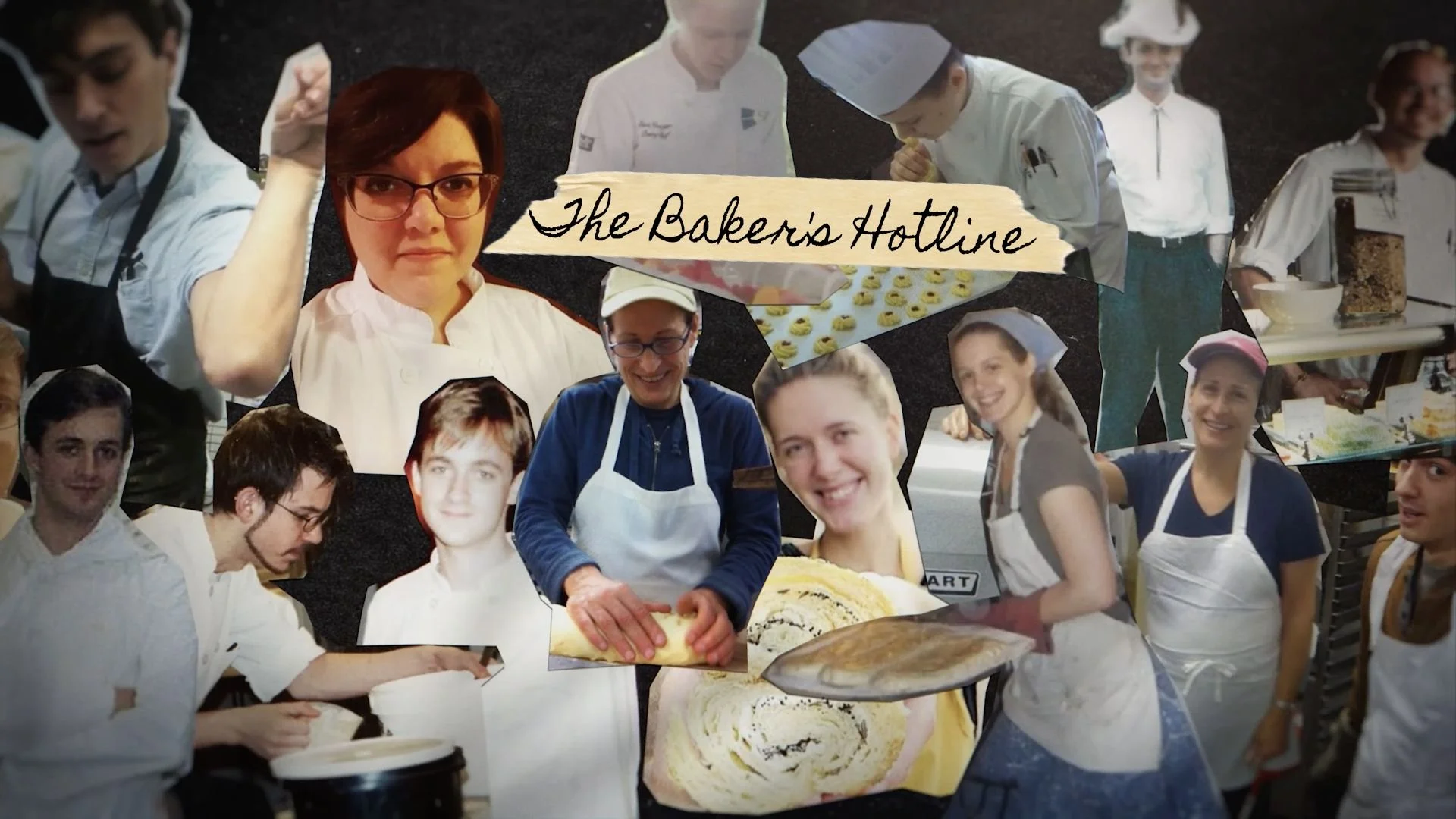
Screening as part of Doc Edge 2026
At King Arthur Flour Call Centre, a hotline for baking emergencies, a small team fields calls from strangers in crisis, only to discover that behind each kitchen catastrophe lies a tender, messy slice of someone’s life.
The Baker’s Hotline is one of those documentary shorts that sneaks up on you. It begins as a charming peek into a quirky customer‑service line for home bakers, but gradually reveals itself to be something far more tender. What looks at first like a light promotional piece for King Arthur Baking becomes a portrait of connection, vulnerability, and the unexpected ways people reach for one another.
The premise is simple. There is a real hotline printed on bags of flour, staffed by a team of experts who field calls from anyone struggling with a recipe. The film introduces us to the voices on the other end of the line, the people who spend their days helping strangers rescue collapsing cakes, revive sluggish sourdough starters, or troubleshoot recipes that have gone sideways. The calls are often funny, sometimes chaotic, and always sincere. The bakers who ring in are exactly the kind of people who would think to call a baking hotline: earnest, eccentric, hopeful, and occasionally desperate.
What makes the film so endearing is how quickly these conversations move beyond flour and butter. A caller might begin by asking why their dough will not rise, but they are also often battling with loneliness, aging, grief, or the small victories that keep them going. The hotline workers listen with patience and kindness, offering reassurance as readily as they offer technical advice. The film captures these exchanges with a gentle touch, never mocking or exaggerating. Instead, it highlights the quiet dignity of people reaching out for help in the only way they know how.
The documentary also touches on the unexpected impact of the pandemic. During lockdown, the hotline became a lifeline for many amateur bakers who suddenly found themselves isolated, anxious, and searching for something grounding. Baking became a form of therapy, and the hotline workers became companions in the process. The film includes stories from this period that are surprisingly moving. What began as a customer‑service line evolved into a space where people could feel heard, even if only for a few minutes.
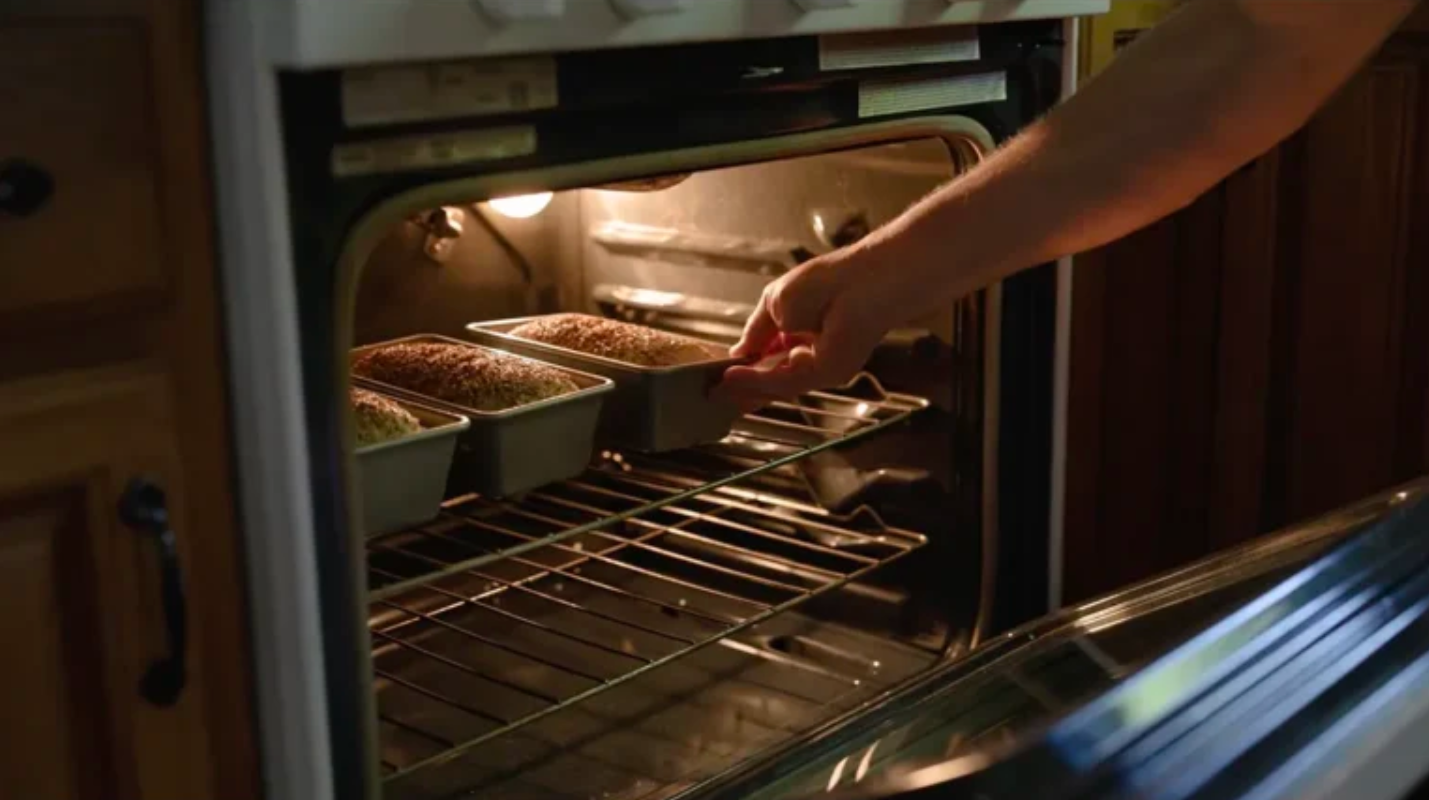
Visually, the film is warm and inviting. The cinematography leans into the coziness of the subject matter: soft lighting, close‑ups of hands kneading dough, shelves lined with jars of flour and spices. It feels like stepping into a kitchen where something comforting is always in the oven. The editing is light and playful, giving the short a rhythm that mirrors the ebb and flow of the calls. There are moments of humour, moments of stillness, and moments where the emotional weight lands unexpectedly hard.
The hotline staff themselves are a delight. They are knowledgeable, patient, and genuinely invested in helping people succeed. Their expertise is impressive, but what stands out most is their empathy. They understand that a failed loaf of bread is rarely just a failed loaf of bread. It might be someone’s attempt to feel useful, to create something beautiful, or to honour a memory. The film treats these motivations with respect, showing how small acts of kindness can ripple outward.
There is also an interesting tension in the film’s identity. On the surface, it functions as a piece of brand storytelling. It highlights the generosity and expertise of King Arthur Baking in a way that is undeniably flattering. Yet the documentary never feels cynical. The sincerity of the callers and the compassion of the hotline workers overshadow any commercial undertones. The film succeeds because it focuses on the human element rather than the corporate one.
One of the most touching threads is the idea that the hotline provides more than baking advice. For some callers, it becomes a rare moment of connection. The workers describe how people will linger on the line, not because they need more help, but because they want someone to talk to. The film draws a quiet parallel to the way grocery store cashiers often become the only point of contact for elderly shoppers. The hotline is not a crisis service, but it fills a similar emotional gap. It offers warmth, conversation, and a sense of being seen.
By the end of the documentary, it becomes clear that The Baker’s Hotline is not really about baking at all. It is about the small, unexpected ways people care for one another. It is about the comfort of routine, the joy of creating something with your hands, and the relief of hearing a friendly voice when you need it most. The film celebrates the idea that community can form anywhere, even between strangers separated by distance and connected only by a phone line and a shared love of dough.
The Baker’s Hotline is sweet, sincere, and quietly profound. A reminder that kindness does not need to be grand to matter. Sometimes it sounds like a voice on the other end of the line saying, “You are doing just fine. Let’s fix this together.”
Screening as part of Doc Edge 2026. Check out the films and screenings here
Review written by Alex Moulton
