The Death of Robin Hood (2026)
Grappling with his past after a life of crime and murder, Robin Hood finds himself gravely injured after a battle he thought would be his last. In the hands of a mysterious woman, he is offered a chance at salvation.
The Death of Robin Hood is a film that deliberately plays with expectation. When Hugh Jackman appears on screen as a grizzled outlaw, it is almost impossible not to anticipate the familiar rhythm of feral rage, sharpened claws, and tightly choreographed brutality. For many of us, Jackman’s long shadow as Wolverine is difficult to shake. It is a me problem, but it is also a cultural one. We have been conditioned to expect a certain kind of violence from him. This film uses that expectation as a trap. It begins with the intensity we associate with Jackman, then slowly, almost defiantly, transforms into something far quieter and more contemplative.
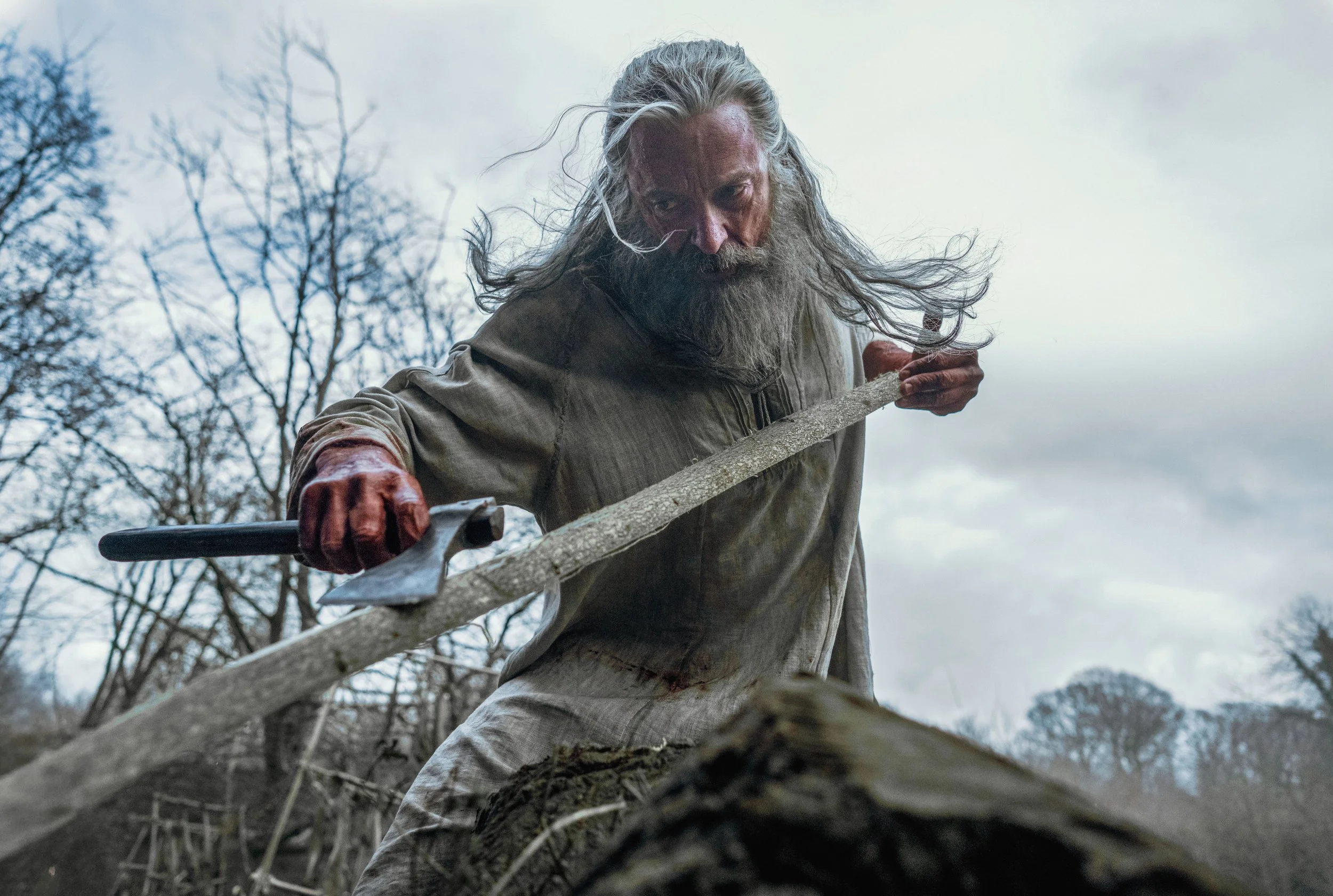
The opening act is savage. Writer and director Michael Sarnoski wastes no time establishing that this Robin Hood is not the noble thief of childhood stories. He is older, worn down, and deeply damaged. His world is cold and grey, captured through Pat Scola’s stark cinematography. The violence is messy and unchoreographed. Throats are cut. Bodies fall heavily. The combat feels desperate rather than heroic. It is a world where survival is the only moral code, and Robin has lived by that code for far too long.
This first act is shocking not only for its brutality but for what it reveals about the character. Sarnoski’s Robin is not a misunderstood hero. He is a man who has spent decades killing, maiming, and destroying. The film suggests that the legend of Robin Hood is a myth built on the bones of a man who never cared about justice. He was driven by bloodlust, not righteousness. This inversion of the familiar tale is bold, and it sets the stage for the film’s deeper exploration of guilt, legacy, and the possibility of redemption.
After this violent beginning, the film shifts dramatically. Robin is injured, broken, and taken to a remote priory where he is nursed back to health by Sister Brigid, played with quiet strength by Jodie Comer. The palette softens. The pace slows. The film becomes introspective. This is where the story reveals its true intentions. It is not an action film. It is a meditation on what it means to confront a lifetime of violence and ask whether peace is still possible.
The contrast between the two halves of the film is striking. Viewers who come expecting a gritty, realistic retelling of the Robin Hood myth may find the shift jarring. The film becomes slow, deliberate, and emotionally heavy. It lingers in silence. It sits with regret. It allows Robin to unravel. This is not a story about a hero reclaiming his glory. It is about a man facing the truth of who he has been and wondering whether he deserves anything more than the death he has spent years inviting.
Sister Brigid becomes the moral centre of the film. She is compassionate but not naive. She recognises the darkness in Robin, even if she does not know his name. Her care is not rooted in ignorance. It is rooted in a belief that people can choose to be better, even if they have spent their lives doing harm. Comer plays her with a calm intelligence that grounds the film. Her presence allows Robin to soften, to reflect, and to consider a life beyond violence.
The relationship between Robin and Brigid is one of the film’s greatest strengths. It is not romantic, though it occasionally brushes against that possibility. Instead, it is a connection built on shared loneliness and the fragile hope that change is possible. Through their conversations and quiet moments, Robin begins to imagine a different kind of existence. He traps food for the priory. He crafts a bow for a young girl. He begins to act with care rather than instinct. These small gestures become acts of atonement.
The film also introduces a young man, played by Noah Jupe, whose arrival threatens the fragile peace Robin has found. His presence raises the question that sits at the heart of the film: can a man with a lifetime of blood on his hands ever truly escape the consequences of his past? The tension that builds around this question is subtle but powerful. Sarnoski refuses to offer easy answers. He is not interested in absolution. He is interested in honesty.
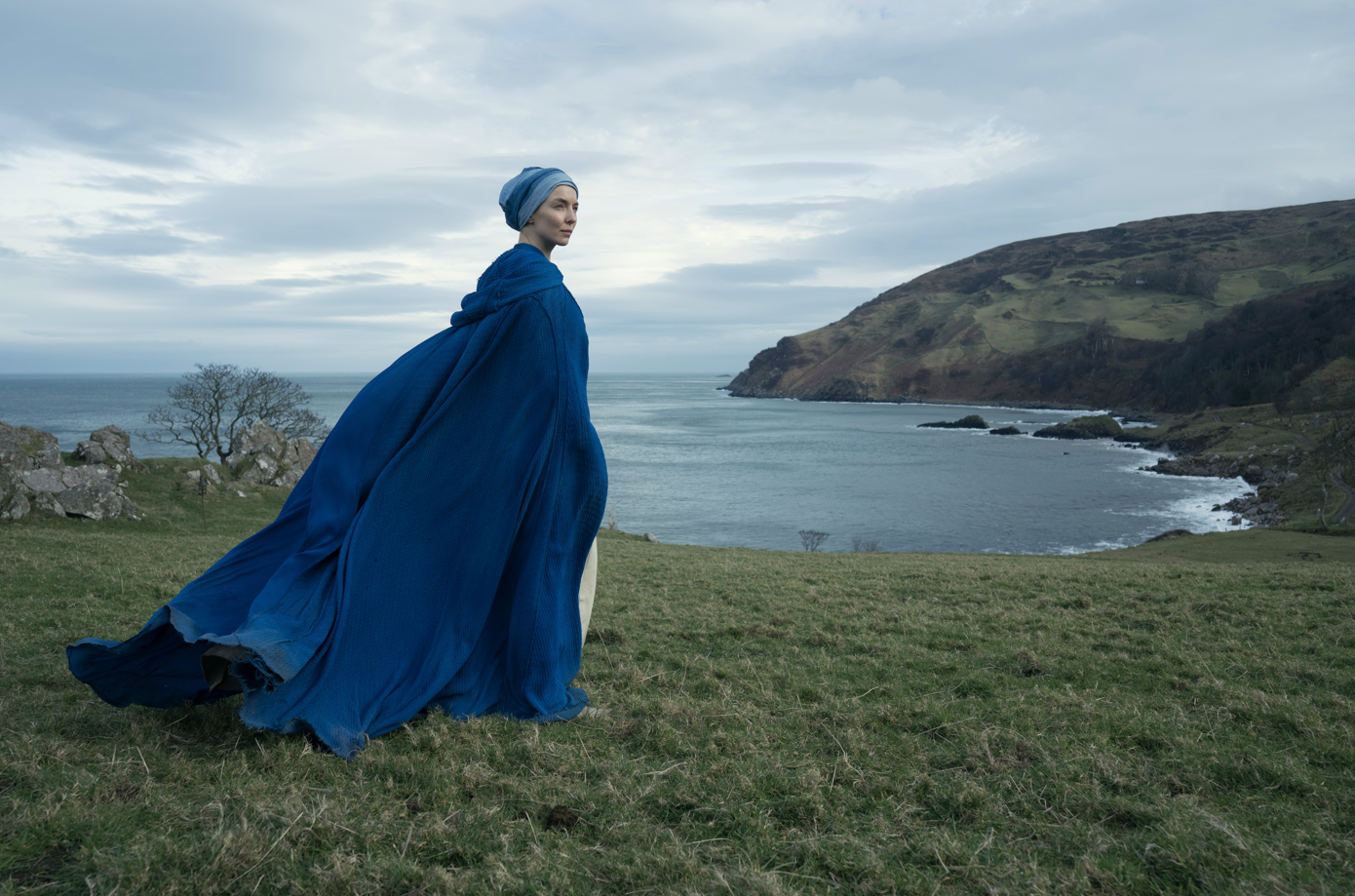
Visually, the film is stunning. Shot on film, the natural lighting and textured landscapes give the story a tactile realism. The costumes feel lived in. The world feels harsh and unforgiving. Robin himself looks almost like a medieval Geralt, with long white hair and a face carved by time. The aesthetic choices reinforce the film’s themes. This is a world where myth and reality collide, where legends are stripped down to reveal the flawed humans beneath.
The pacing will not work for everyone. After the explosive first act, the film becomes slow, almost awkwardly so. It asks the viewer to sit with discomfort, to accept that this is not a story of triumph but of reckoning. For those expecting a thrilling retelling of the Robin Hood legend, the film may feel unsatisfying. But for those willing to engage with its quieter ambitions, it offers a thoughtful and emotionally resonant experience.
What makes The Death of Robin Hood compelling is its willingness to challenge the mythology surrounding its central character. It is not a deconstruction for the sake of cleverness. It is a sincere attempt to explore the cost of violence and the possibility of change. It uses Jackman’s history as an action icon to deepen its impact. We expect him to fight. The film asks what happens when he chooses not to.
In the end, The Death of Robin Hood is a sombre, introspective drama that uses the shell of a familiar legend to tell a story about regret, responsibility, and the fragile hope of redemption. It is not interested in giving the audience a good time. It is interested in giving them something to think about. And in that sense, it succeeds.
Coming to Aotearoa NZ cinemas June 18, 2026
Review written by Alex Moulton
