The Werewolf in the Waves (2025)
Screening as part of Doc Edge 2026
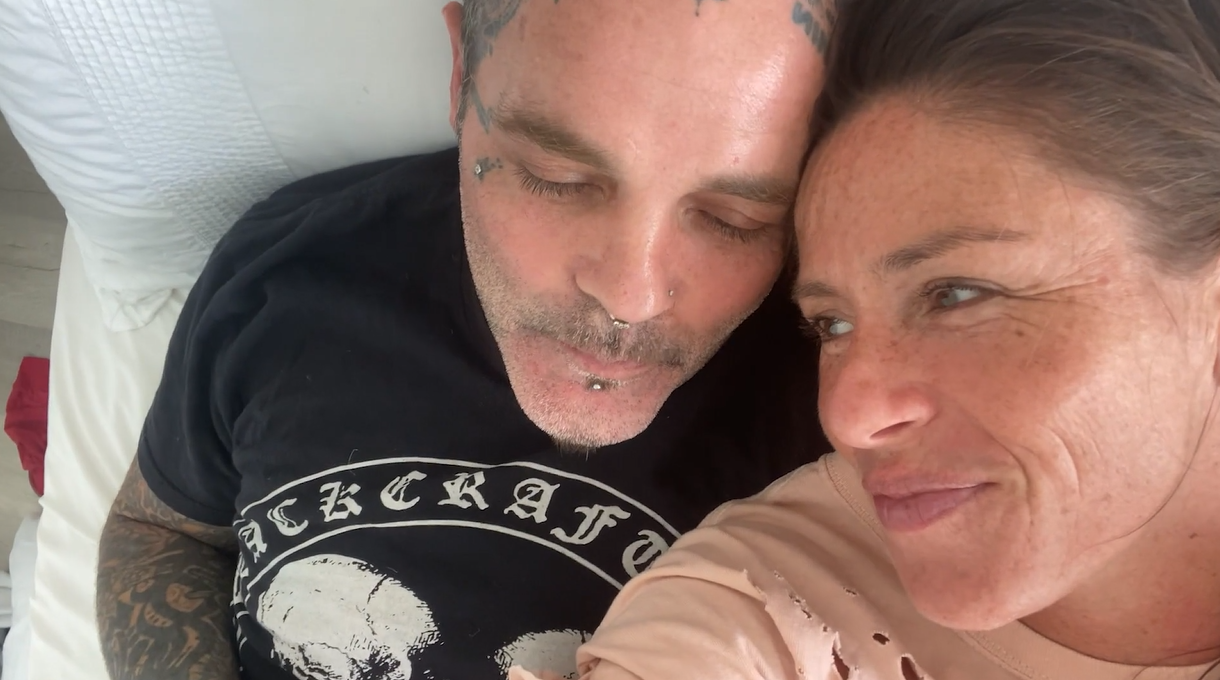
From award winning Director Soleil Moon Frye (childhood actress “Punky Brewster”), this is a deeply personal and poignant film that explores the complicated dynamics of love and addiction. Told through Moon Frye’s empathetic lens, we follow her reunion with childhood friend, Seth Binzer (aka Shifty Shellshock) of the band Crazy Town, largely known for their hit 1999 song “Butterfly”. She documents Crazy Town’s comeback tour, during which time the connection between them quickly evolves into a love story playing out over euphoric and dream-like imagery. However, the narrative takes a heartbreaking turn when Seth relapses into drugs and the film becomes about the destructive forces of addiction.
Soleil Moon Frye’s The Werewolf in the Waves begins with the kind of nostalgic glow that makes you think you know exactly where the story is heading. It opens on the reunion between Soleil and her childhood friend Seth Binzer, better known as Shifty Shellshock from Crazy Town, a figure who once lived at the centre of early‑2000s pop culture. The film initially feels like a warm return to familiar territory. There is the promise of a comeback tour, the thrill of old friendships rekindled, and the sense that a man who has lived through chaos is finally finding his footing again. Shot mostly on Soleil’s iPhone, the film has an immediacy that makes the early chapters feel intimate and hopeful, as if we are being invited into a private world that is finally beginning to heal.
At first, the documentary leans into the energy of the band’s reunion. Live performances, backstage moments, and the messy joy of musicians rediscovering their rhythm give the film a lively pulse. Shifty appears grounded and present. He talks openly about his past, acknowledging the damage addiction has done to his life, but he also seems determined to move forward. The early scenes paint a picture of someone who is trying to rebuild with sincerity. He is reconnecting with his children, reconnecting with Soleil, and reconnecting with the music that once defined him. It feels like a man stepping back into the light.
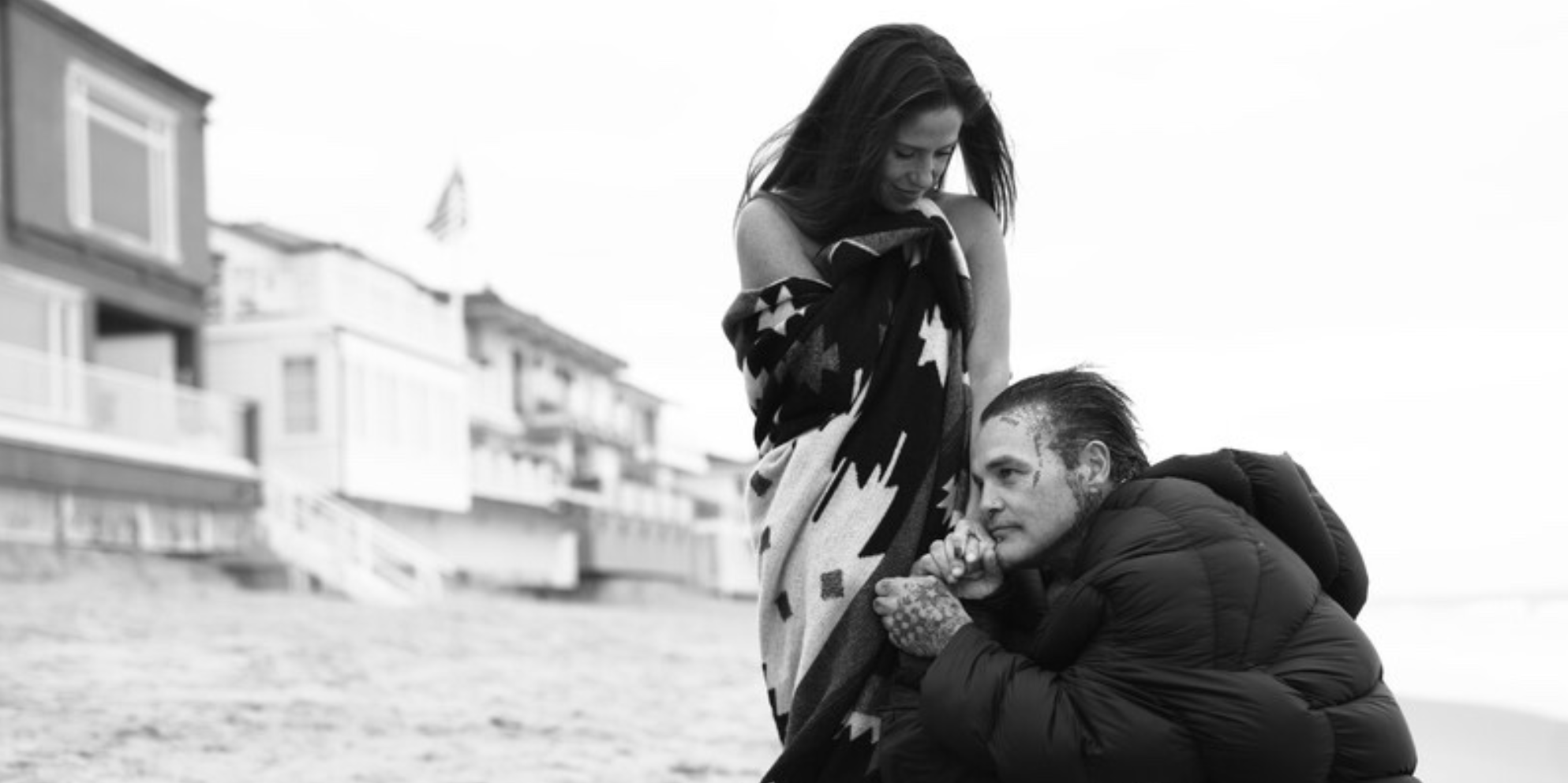
As the tour gains momentum, the film shifts its focus from the band to the growing connection between Shifty and Soleil. Their relationship unfolds slowly at first, then with increasing clarity. What begins as a creative collaboration becomes a rekindled romance, and the documentary allows this shift to happen without forcing it. Their chemistry is gentle and familiar. They share memories, laughter, and a sense of comfort that comes from knowing someone long before fame and chaos reshaped their lives. The film captures these moments with a softness that feels genuine. It is not a glossy Hollywood love story. It is two people trying to find something steady in a world that has rarely offered them stability.
The presence of Shifty’s children adds another layer to the story. Their appearances are brief at first, small glimpses of family life that hint at a man trying to be better. Over time, these scenes grow in significance. They show a father who wants to be present, who wants to be reliable, who wants to give his kids the version of himself he never managed to hold onto during the height of his fame. These moments are tender and grounding. They remind the audience that sobriety is not just about abstaining from substances. It is about rebuilding relationships, routines, and trust.
But woven into all this hope is a quiet warning. Early in the film, Shifty mentions that when things start going well, he often finds a way to sabotage them. It is a passing comment, almost casual, but it lingers. The documentary does not treat it as foreshadowing, yet it becomes the thread that slowly unravels everything that follows.
As the tour continues, small cracks begin to appear. Shifty becomes harder to reach. His communication falters. He stays out late. He misses commitments. The camera captures these changes with a kind of reluctant honesty. Soleil does not sensationalise his behaviour. Instead, the film allows the audience to feel the slow, painful shift from stability to uncertainty. The man who seemed so present begins to drift. His appearances become less frequent. His energy changes. The warmth that defined the early part of the film starts to fade.
Eventually, the relapse becomes undeniable. The documentary does not show the relapse itself in graphic detail. Instead, it shows the impact. Shifty’s absence becomes the story. The film that once centred on his journey becomes a portrait of the people left trying to hold everything together. Soleil steps into the emotional foreground, not as a filmmaker documenting someone else’s life, but as a person trying to navigate heartbreak in real time. The tone of the film shifts from hopeful to mournful. The love story that once felt like a second chance becomes a reminder of how fragile recovery can be.
One of the most striking elements of the documentary is its recurring imagery of the ocean outside their home. The sea appears throughout the film, sometimes calm, sometimes restless, always present. It becomes a quiet metaphor for Shifty’s internal world. The surface is beautiful and inviting, but beneath it lies something unpredictable and dangerous. The ocean represents the duality of his life. He has moments of clarity, joy, and connection, but he also carries an undercurrent of turmoil that threatens to pull him away from the people who love him. The film uses this imagery with restraint, allowing the audience to draw their own conclusions without forcing symbolism.
The soundtrack reinforces the emotional landscape of the film. Filled with late‑90s and early‑2000s alternative rock, it taps into the era when Crazy Town was at its peak. The music carries a sense of nostalgia, but it also highlights the distance between who Shifty was then and who he is trying to become now. The songs echo the tension between past and present, between the version of himself that fame created and the version he is struggling to reclaim.
By the final act, The Werewolf in the Waves becomes a story about absence. Shifty’s presence diminishes until he is barely in the frame at all. The documentary becomes a reflection on the emotional cost of loving someone who is fighting a battle they cannot always win. Soleil’s pain is palpable, but the film never turns her into a martyr. Instead, it shows her as someone who tried to love with compassion and honesty, even when the outcome was uncertain.
What makes the documentary so affecting is its refusal to simplify addiction into a neat narrative. It does not offer easy answers or triumphant resolutions. Instead, it presents addiction as a force that shapes lives in ways that are both visible and invisible. It shows the moments of joy, the moments of fear, and the moments when love is not enough to keep someone anchored.
The Werewolf in the Waves is a deeply human film. It is about love, relapse, memory, and the fragile hope that people can change even when the past keeps pulling them back. It is a portrait of a man who wants to be better but cannot always outrun the shadows of his own history. It is also a portrait of the people who love him, who try to hold on, and who must eventually face the reality of what addiction can take away.
Screening as part of Doc Edge 2026. Check out the films and screenings here
Review written by Alex Moulton
