The Life We Leave (2026)
Screening as part of Doc Edge 2026
When Washington State legalises human composting, entrepreneur Micah Truman bets everything on a new vision of deathcare. But when the conventional deathcare industry resists, he is forced to pivot and learn to care for the grieving while transforming his business. With funeral directors Brie Smith and Katey Houston, he builds the first large-scale terramation facility, reshaping how we grieve and return to the Earth. What begins as an ambitious venture becomes personal as they rediscover human connection, ritual, and legacy.
The Life We Leave is a documentary that approaches death with a level of curiosity and openness that feels rare. Instead of treating the subject as something to be whispered about or avoided, the film invites viewers to consider what it means to return to the earth in a literal sense. At the centre of the story is Micah Truman, an entrepreneur who sees an opportunity to rethink the way we handle the end of life. When Washington State becomes the first place to legalise human composting, he decides to build a new kind of deathcare facility. What begins as a bold business idea gradually becomes a journey that challenges his understanding of grief, ritual, and responsibility.
The film introduces the concept of terramation with clarity. Traditional burial requires land and materials that remain in the ground for generations. Cremation consumes energy and releases emissions. Terramation offers a different path. It allows the body to decompose naturally and become soil that can nourish new growth. The idea is simple, but the emotional and cultural implications are complex. The documentary handles this complexity with care, presenting the process as both practical and deeply symbolic.
At first, Micah approaches the project with the mindset of someone building a start‑up. He focuses on logistics, regulations, and the challenge of scaling a new industry. The early scenes show him navigating unfamiliar territory, trying to convince others that terramation is not only viable but necessary. There is a sense of ambition in these moments, as if he is stepping into a future that most people have not yet imagined. But the film quickly reveals that deathcare is not a field that can be approached with business instincts alone. It requires emotional intelligence and an understanding of the people who will rely on the service.
This is where funeral directors Brie Smith and Katey Houston become essential to the story. They bring experience, empathy, and a grounded perspective that Micah lacks. They understand that families need more than a process. They need support, ritual, and a sense of connection. They need someone who can guide them through grief with patience and compassion. As Micah works alongside them, he begins to realise that terramation is not simply a technical solution. It is a form of care that requires sensitivity and presence.
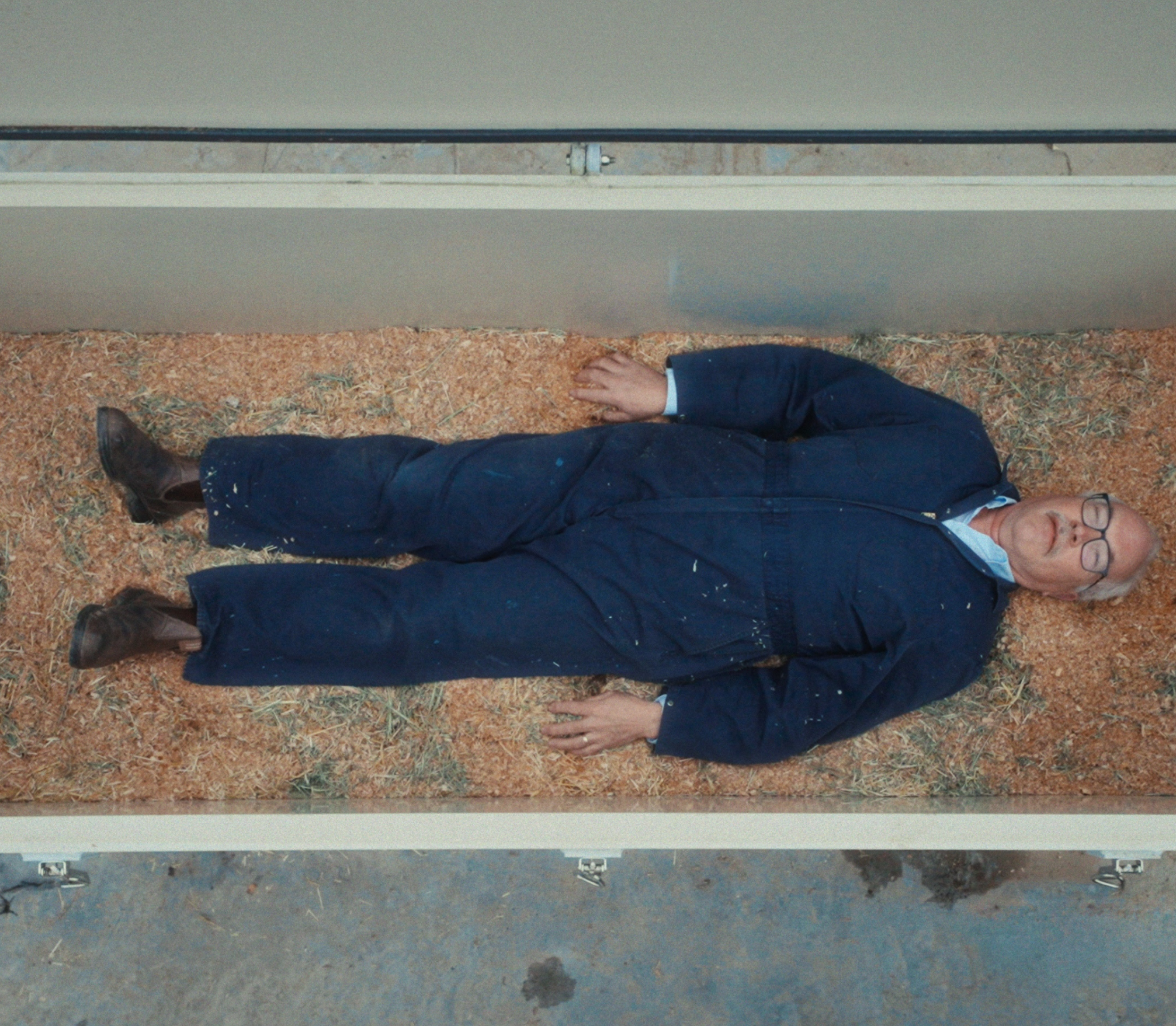
The documentary follows the creation of the first large‑scale terramation facility. The space is designed to feel warm and welcoming, with natural materials and soft lighting. It looks nothing like a traditional funeral home. Instead of polished caskets and formal viewing rooms, there are vessels filled with organic materials that will help the body break down. Families are invited to participate in the process if they choose. They can bring personal items, speak, gather, or simply sit in silence. The film captures these moments with respect, allowing viewers to see how terramation can create a different kind of farewell.
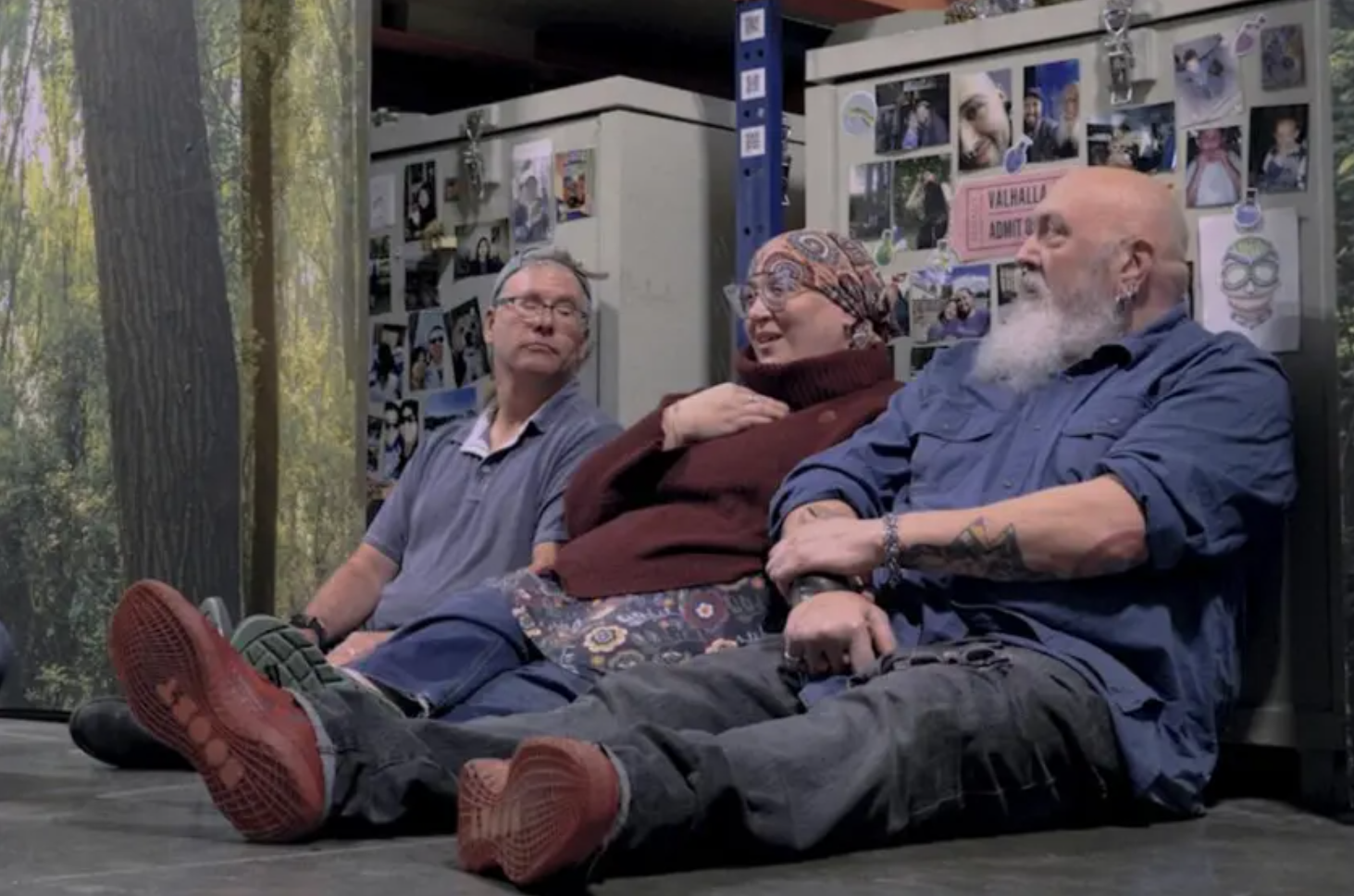
As the facility grows, Micah begins to change. He enters the industry thinking about innovation and opportunity, but the emotional weight of the work begins to reshape him. Each family he meets leaves an impression. Each story reminds him that death is not an abstract concept. It is personal and intimate. The documentary shows him grappling with the responsibility of caring for the dead and supporting the living. He realises that terramation is not just a service. It is a commitment to honouring the people who place their trust in him.
The film also explores the resistance that terramation faces from the conventional funeral industry. Some see it as a challenge to long‑standing traditions. Others question its legitimacy or practicality. Micah encounters scepticism, criticism, and logistical hurdles. The documentary presents these challenges honestly, without turning them into dramatic confrontations. Instead, it shows the slow, difficult process of trying to introduce change in a field that is deeply rooted in custom and expectation.
One of the most compelling aspects of the film is its exploration of ritual. Terramation begins as a technical process, but it becomes something more meaningful as the team develops new ways for families to participate. They create ceremonies that feel personal and grounded. They encourage families to gather, speak, and remember in ways that feel authentic to them. These rituals grow naturally, shaped by the people who walk through the door. The documentary captures the beauty of these moments, showing how ritual can help people process loss even when the ritual is new.
The film also addresses the practical realities of terramation. It shows the vessels, the organic materials, and the final soil that results from the process. It does not sensationalise or hide the physical aspects of decomposition. Instead, it treats the process with honesty and respect. There is something both unusual and comforting about seeing the soil that once was a person. It forces viewers to confront their own feelings about death, decay, and the natural world.
What makes The Life We Leave so engaging is its balance of emotional depth and practical insight. It is not a promotional piece for terramation, nor is it a critique of traditional funeral practices. It is a thoughtful exploration of how we handle death, and how those practices shape the way we grieve. It shows that deathcare is not just about disposal. It is about connection, legacy, and the meaning we attach to the final stage of life.
By the end of the documentary, Micah’s journey feels transformed. He begins with a business plan, but he ends with a sense of purpose. He discovers that terramation is not simply a greener alternative. It is a way of helping people feel closer to the earth and closer to each other. It is a reminder that death does not have to be cold or distant. It can be gentle, communal, and rooted in the natural cycle of life.
The Life We Leave is a fascinating and quietly powerful film. It invites viewers to rethink their assumptions about death and to consider new possibilities for how we honour the people we lose. It is a documentary that lingers, not because it is dramatic, but because it is sincere. It shows that even in the most difficult moments, there is room for innovation, compassion, and beauty.
Screening as part of Doc Edge 2026. Check out the films and screenings here
Review written by Alex Moulton
