Molly vs The Machines
Screening as part of Doc Edge 2026
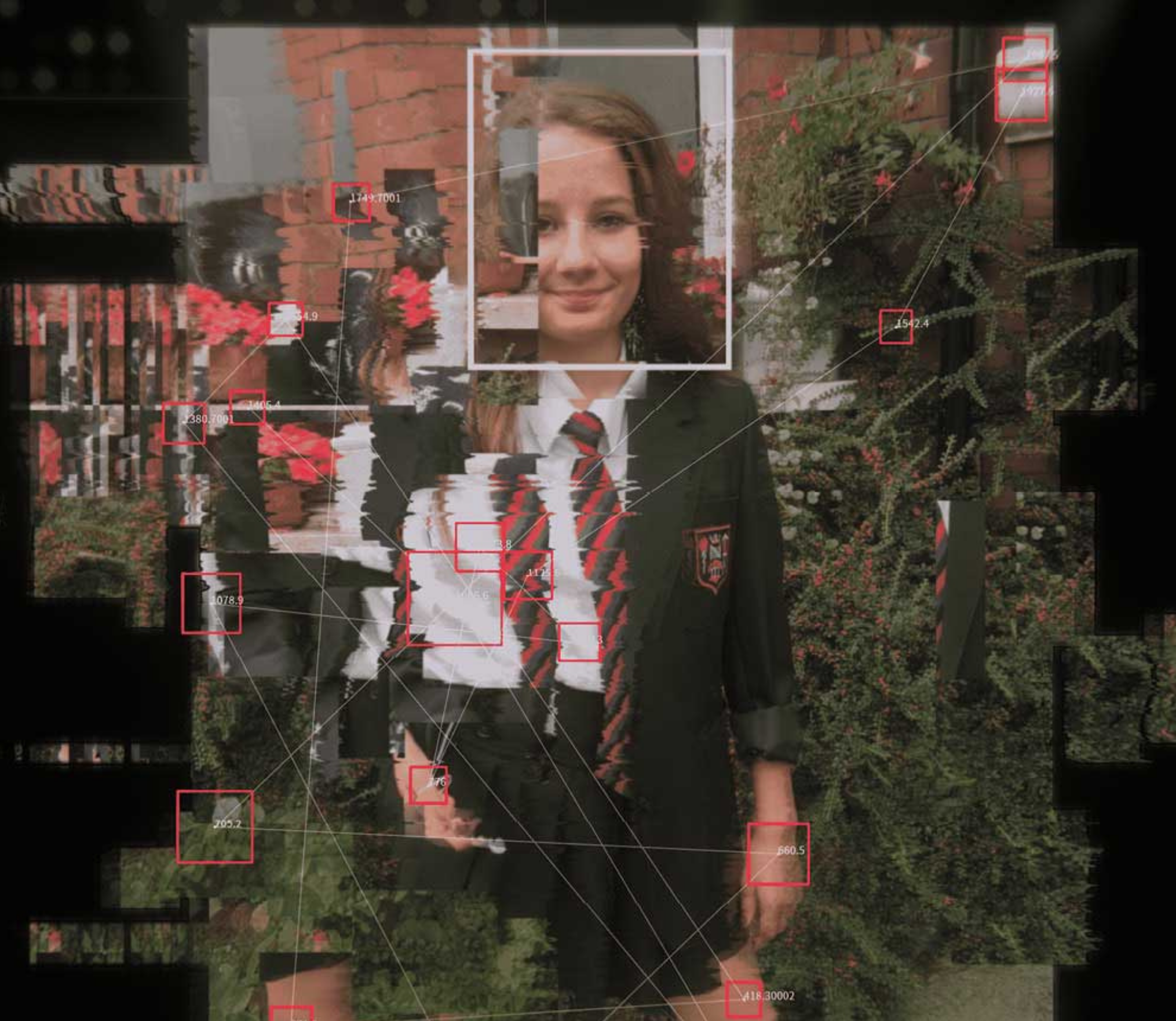
At 14, Molly Russell seemed like any other teenager. But behind her screen, powerful algorithms were shaping what she saw. After her sudden death, her father Ian begins a relentless search for answers, uncovering how social media systems can draw young users into dangerous spirals. From a teenager’s suburban bedroom to the boardrooms of Silicon Valley, this film is the story of a heartbroken father’s quest to uncover the truth behind his daughter’s death and his fightback against how the most powerful corporations of the modern age operate. A cautionary tale for both young people and parents.
Molly vs The Machines is a documentary that begins in a quiet suburban bedroom and ends in the boardrooms of some of the most powerful companies on the planet. It traces the story of Molly Russell, a fourteen‑year‑old girl who seemed to be navigating adolescence like any other teenager, while privately being pulled into a darker world curated by the very platforms designed to connect her. The film follows her father Ian as he tries to understand how his daughter’s online life became so entangled with harmful content, and how the systems behind social media contributed to her death. What emerges is a portrait of grief, determination, and a growing awareness of the invisible forces shaping the lives of young people.
The documentary opens with a sense of normalcy. Molly’s room, her drawings, her messages with friends, and the fragments of her online presence paint a picture of a teenager who was creative, thoughtful, and curious. The film does not linger on her final days. Instead, it focuses on the environment she was immersed in, and the digital pathways that gradually narrowed around her. This choice gives the story a sense of restraint. It avoids sensationalising her death and instead asks the audience to consider the systems that influenced her thinking long before anyone realised something was wrong.
One of the most striking aspects of the film is its exploration of the algorithm as an unseen participant in Molly’s life. The documentary makes it clear that the content she encountered was not the result of targeted bullying or malicious individuals. Instead, it was the product of automated systems designed to maximise engagement. Once Molly interacted with a certain type of post, the platform responded by feeding her more of the same. The film shows how quickly this can spiral, especially for young users who are already vulnerable. The algorithm becomes a kind of silent guide, nudging users toward increasingly extreme material without any understanding of the emotional impact.
The documentary brings together a range of voices to unpack this dynamic. Former employees from major social media companies speak candidly about how these systems were built, and how little consideration was given to the psychological consequences for teenagers. Their interviews are some of the most unsettling moments in the film. They describe a culture focused on growth, engagement, and advertising revenue, where ethical concerns were often treated as obstacles rather than responsibilities. Their reflections reveal a troubling disconnect between the people designing these platforms and the people using them.
Alongside these industry perspectives, the film gives significant space to Molly’s family and friends. Their accounts are tender and painful, offering glimpses into who Molly was beyond the headlines. Her father Ian becomes the emotional centre of the documentary. His search for answers is not driven by anger alone, but by a need to understand how a child could be exposed to such harmful material without anyone noticing. His determination to confront the companies involved becomes a form of activism, pushing the conversation beyond personal tragedy and into public accountability.
The documentary also incorporates elements of the coroner’s inquest, using reenactments and transcripts to show how the legal system grappled with the role of social media in Molly’s death. These scenes are stark and unsettling. They reveal how difficult it is to assign responsibility when the harm is caused not by a person, but by a system. The inquest becomes a turning point in the film, highlighting the gap between the pace of technological innovation and the ability of institutions to regulate it.
Visually, the film is carefully constructed. It uses a mix of interviews, archival footage, recreated scenes, and digital interfaces to create a sense of immersion. The use of AI‑generated voices and imagery adds a layer of eeriness, reflecting the artificial nature of the systems being examined. At times, the film leans heavily on these techniques, and the repetition can feel slightly overdone. However, the overall effect is compelling. It mirrors the overwhelming nature of the online world, where content is constant, relentless, and often difficult to escape.
What the documentary does particularly well is highlight the gap between what social media companies claim to do and what they actually allow. The film shows examples of content that remained online despite clearly violating the spirit of community guidelines. It becomes clear that the enforcement of these rules is inconsistent at best, and negligent at worst. The companies involved often respond with polished statements about safety and wellbeing, but the documentary contrasts these assurances with the reality of what young users encounter. This tension becomes one of the central themes of the film. It raises uncomfortable questions about who is responsible for protecting children in a digital environment that is largely unregulated.
The film avoids turning Molly into a symbol. It treats her with respect, focusing not on the details of her death but on the systems that shaped her online experience. This approach gives the documentary a sense of purpose. It is not a story about a single tragedy. It is a story about a generation growing up in a world where algorithms influence their thoughts, moods, and behaviours in ways they may not fully understand. The documentary invites viewers to consider how easily a young person can be drawn into harmful content, not because they seek it out, but because the system rewards engagement above all else.
By the final act, Molly vs The Machines becomes a call for change. It shows a father who refuses to accept that his daughter’s death was inevitable. It shows experts who believe that the platforms can be redesigned to prioritise safety. It shows a society that is only beginning to understand the consequences of giving so much power to automated systems. The film does not offer easy solutions, but it does offer clarity. It reveals the scale of the problem and the urgency of addressing it.
Molly vs The Machines is a sobering and necessary documentary. It is a reminder that technology is not neutral, and that the systems shaping our lives are often built without considering the people most affected by them. It is a film that challenges viewers to think critically about the role of social media in the lives of young people, and to question whether the current model serves the public good. Above all, it is a story about a father’s love, a daughter’s memory, and the hope that by understanding what happened, others might be protected.
Screening as part of Doc Edge 2026. Check out the films and screenings here
Review written by Alex Moulton
