Kamataga × We Came From the Sea × Vignette of the Frigate [Bird] – Triple Bill Show
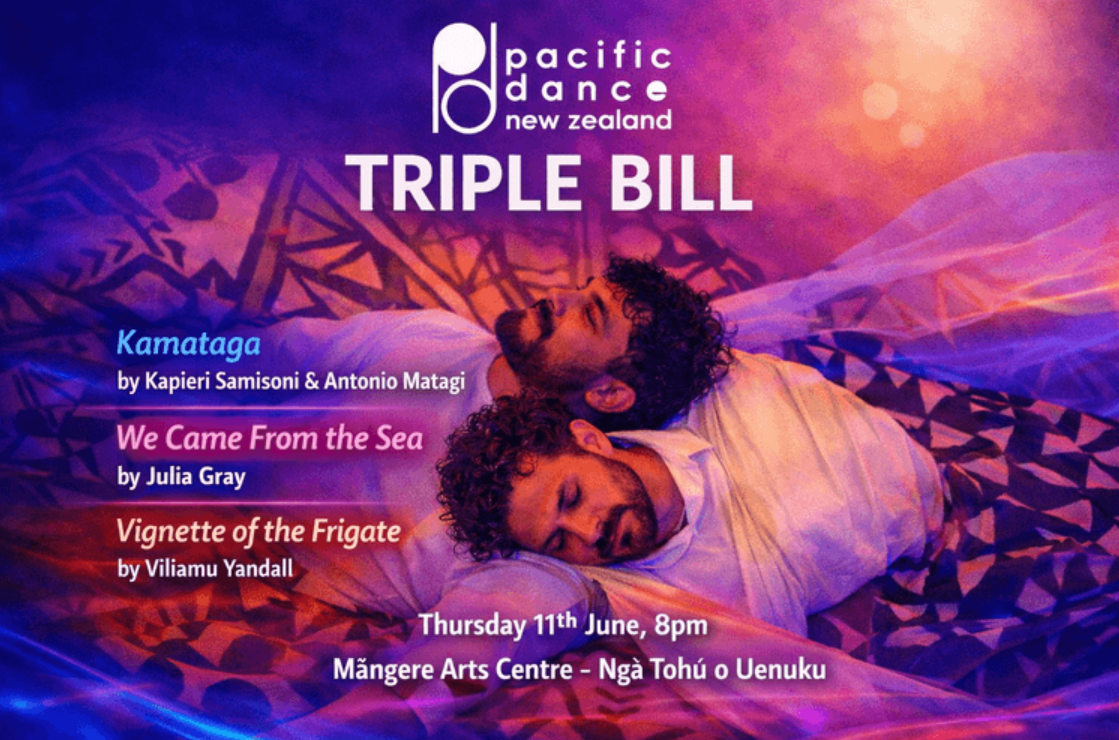
Part of the Pacific Dance Festival 2026
The 2026 Triple Bill brings together three bold contemporary Pacific works that speak to identity, ancestry, intergenerational knowledge, and the deep connections we share across the Moana.
The Triple Bill evening at the 2026 Pacific Dance Festival brought together three distinct works that each carried the weight, beauty, and complexity of the Moana. Although the islands represented may be small in size, the artistry presented on stage was immense. Across all three works, the performers moved with intention and emotional clarity, filling the theatre with stories that honoured ancestry, questioned identity, and celebrated the resilience of Pacific peoples. It was an evening that felt both intimate and expansive, grounded in cultural memory yet alive with contemporary expression.
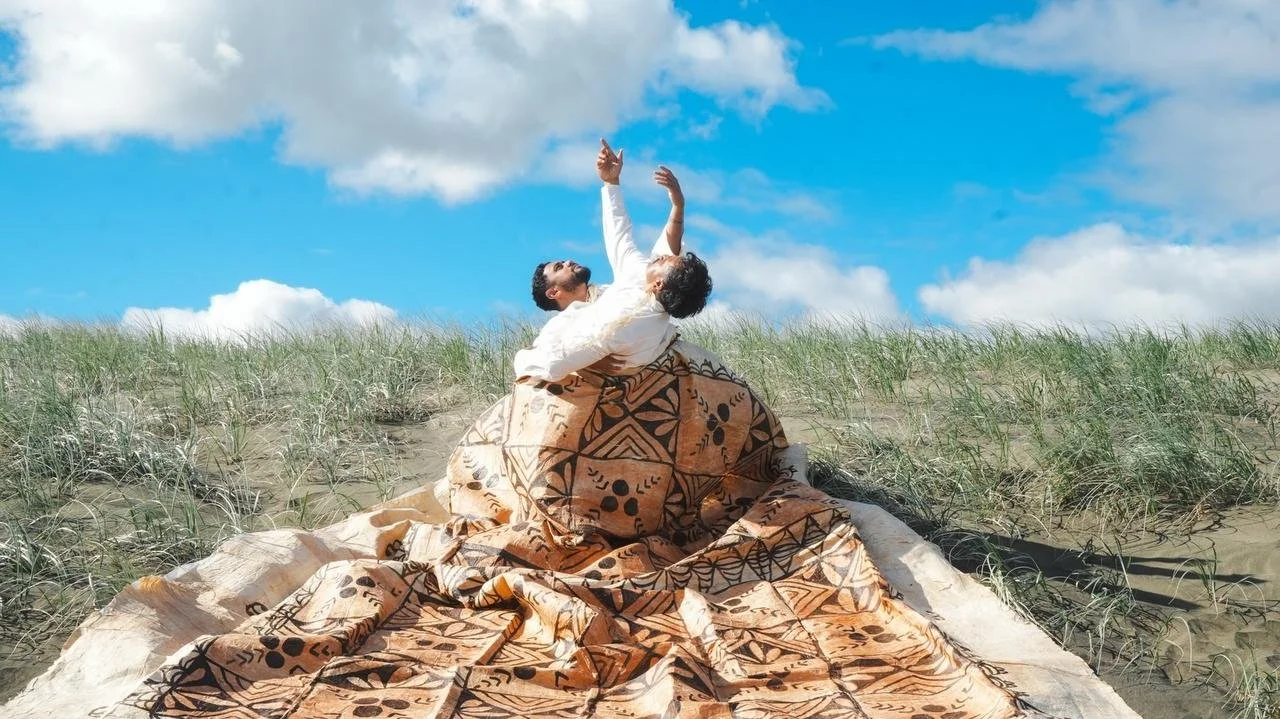
The night opened with Kamataga, created and performed by Kapieri Samisoni and Antonio Matagi. The title translates to The Beginning, and the work truly felt like an opening of space. Soft lighting washed over the stage, drawing the audience inward. Both dancers appeared in formal attire, a visual gesture of respect that immediately signalled the tone of the piece. This was not just a performance. It was a welcoming. A moment to acknowledge parents, ancestors, and the many hands that have shaped their journey.
The opening karakia, paired with traditional instruments and a soundscape that pulsed gently beneath the movement, created an atmosphere that was deeply spiritual. The connection in the room was undeniable. It was felt in the wairua rather than understood through words. Samisoni and Matagi moved with a quiet strength that honoured their lineage while inviting the audience into a shared space of reflection.
A quick shift in costume transported the audience into the present. The dancers returned in contemporary clothing, and the choreography expanded into something freer and more intimate. This section explored their relationship with tenderness and honesty. Their movement spoke of love, trust, and the courage to be seen. The celebration of queer identity was powerful. It offered visibility, affirmation, and hope for rangatahi who may be searching for reflections of themselves in the world. This moment was a highlight of the night, not only for its artistry but for its cultural significance. Kamataga was a beautiful exploration of beginnings, identity formation, and the continuity of Pacific storytelling.
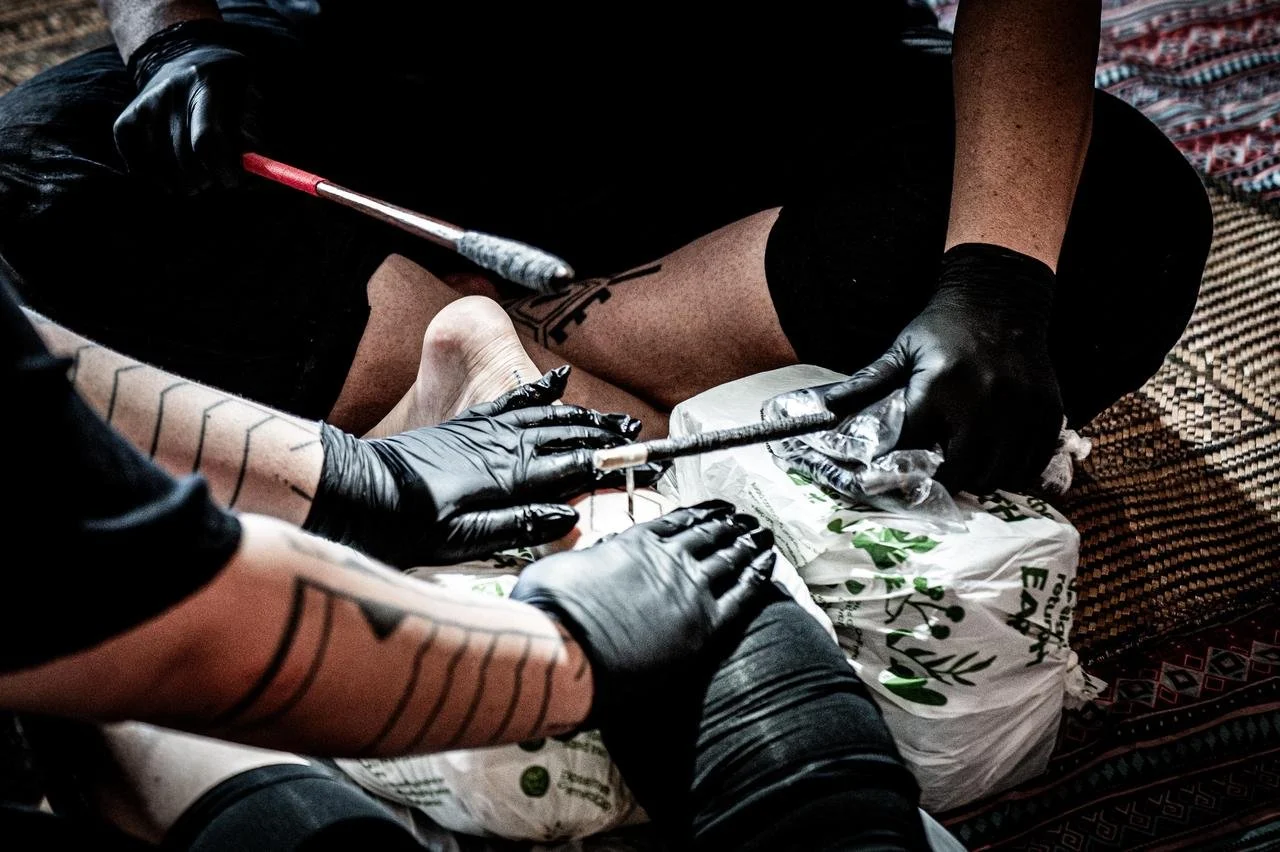
The second work, We Came From the Sea, choreographed by Julia Mageau Gray, shifted the tone into something more contemplative and intergenerational. This piece brought together Te Wehi Kore Karena Haraki Akuhata Grant Koria and Mierewai Grant Koria in an intimate conversation about memory, knowledge, and skin. The work evoked the deep Oceanic connections that bind Pacific peoples, drawing on linguistic, visual, and physical languages that transcend borders.
The choreography unfolded like a gentle dialogue. Movements echoed questions about heritage, responsibility, and the transmission of knowledge. Who will remember. Who will carry the traditions forward. Who will hold the stories when elders are gone. The piece was filled with a sense of longing and tenderness. The voice of a grandmother, rich with wisdom, cut through the space with emotional force. When her image appeared, it caught many in the audience off guard. It was a reminder that our bodies are living representations of our ancestors, carrying histories that are both fragile and enduring.
We Came From the Sea was a meditation on lineage. It asked the audience to consider their own place within the continuum of Pacific knowledge. It was quiet, reflective, and deeply moving. The work honoured the past while gently urging the next generation to step forward.
The final act, Vignette of the Frigate Bird by Viliamu Yandall, burst onto the stage with high energy and bold physicality. A ten person ensemble filled the space with movement that felt both chaotic and precise. What initially appeared as organised chaos quickly revealed itself as a carefully crafted depiction of migration across the Pacific. The frigate bird, known for its long journeys and ability to navigate vast distances, became a metaphor for Pacific peoples who have travelled, settled, adapted, and transformed across generations.
Yandall blended contemporary dance with siva Samoa, creating a physical language that was rooted in cultural tradition yet responsive to the modern world. The choreography raised questions that resonated deeply. What does success look like on a different island. What is the cost of leaving home. How do Pacific youth navigate the tension between cultural obligation and the demands of the concrete jungle. The dancers moved with urgency, embodying the push and pull of identity in diaspora.
The soundscape was driving and rhythmic, pushing the dancers forward with purpose. The ensemble moved with remarkable cohesion, each performer contributing to a collective story that felt urgent and alive. Vignette of the Frigate Bird was a powerful exploration of what is gained, carried, and transformed as Pacific peoples move across oceans and generations. It was a fitting finale to a night that celebrated the complexity of Pacific experience.
As the lights dimmed, the audience was left with a sense of reflection. The Triple Bill did more than showcase dance. It invited us to consider the future of our rangatahi, tamariki, and mokopuna. It asked what we are doing to keep our cultural fires burning. It reminded us that tradition is not static. It evolves, adapts, and survives through the choices we make every day.
What stood out across all three works was the strength of community. The performers held each other with trust and respect, and the audience responded with warmth and recognition. There was a sense of collective mana in the room, a feeling that we were witnessing something important. Something that speaks to who we are and who we are becoming.
The Triple Bill was a triumph. It showcased the depth of Pacific creativity, the power of storytelling through movement, and the resilience of cultures that continue to thrive despite the pressures of the modern world. It was bold, emotional, and beautifully crafted. It gave hope. And it affirmed that the future of Pacific dance is bright.
Performed as part of the Pacific Dance Festival 2026. Find out more here
Review written by Josh McNally
Edited by Alex Moulton
