Three wāhine Māori artists lead First Light programme at The Lightship
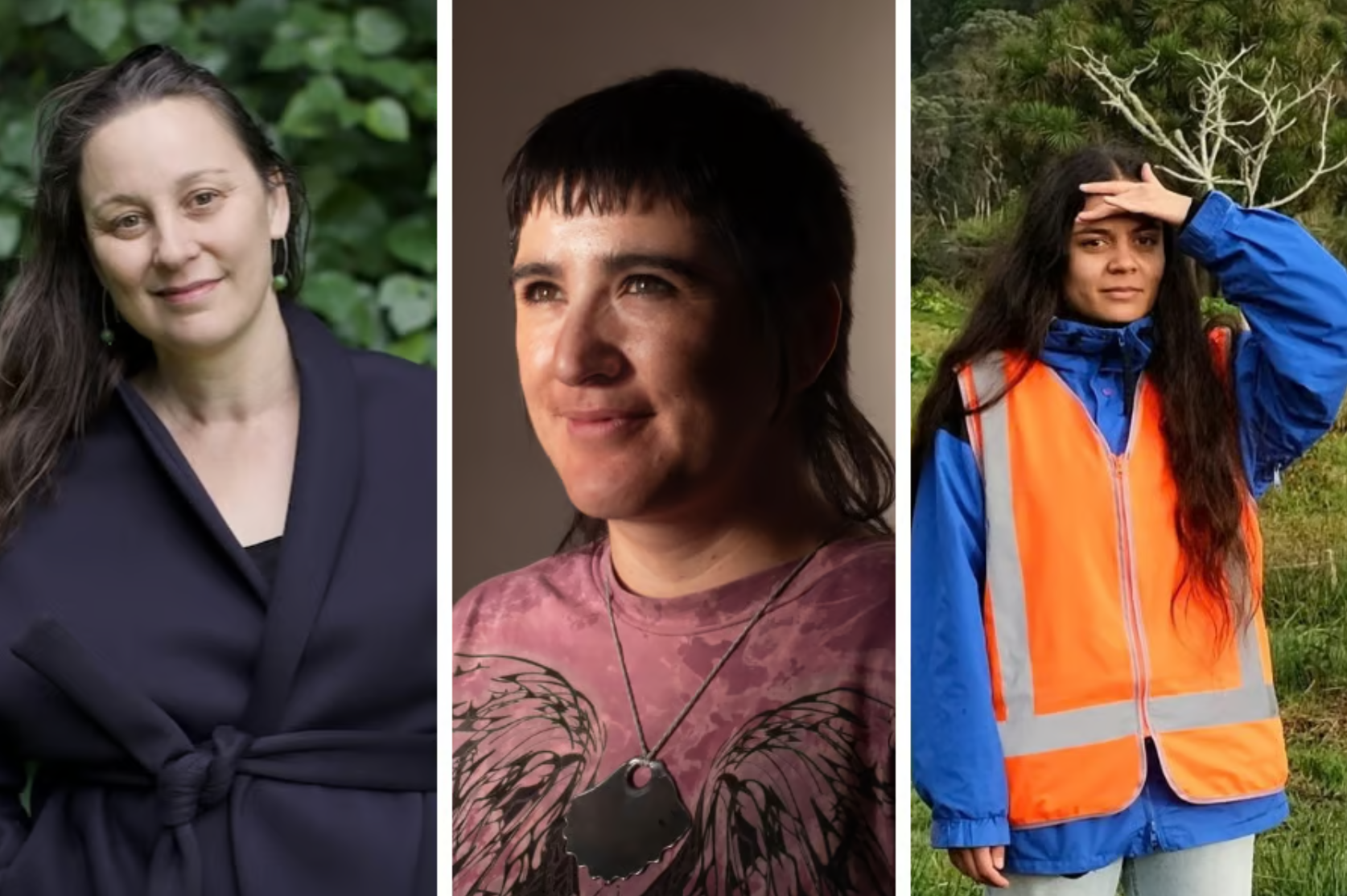
Above: from left, artists Nova Paul, Ana Iti and Ashleigh Taupaki.
This summer, the Port of Auckland will be aglow with the work of three wāhine Māori artists.
The Lightship, a 110-metre digital light wall located at Bledisloe Wharf in downtown Tāmaki Makaurau, has been a site for contemporary art since 2020. It runs a continuous programme of art with individual projects cycling through every three months.
Artists Ana Iti (Te Rarawa, Ngāi Tūpoto, Ngāti Here, Pākehā), Ashleigh Taupaki (Ngāti Hako, Sāmoan) and Nova Paul (Te Uriroroi, Te Parawhau, Te Māhurehure ki Whatitiri, Ngāpuhi) are leading the site’s latest programme, First Light, which is based on the idea of arrival. It will run from September to February 2027.
Paul, an artist and filmmaker, will have her work run first, from September 17 to October 31, followed by Iti from November 1 to December 31 and then Taupaki from January 1 to February 28.
Three more artists will be commissioned later in 2027 to complete the First Light programme.
“Over the past six years, The Lightship has transformed working port infrastructure into a platform for ambitious contemporary public art, creating a place where art, industry and public life come together on Auckland’s waterfront,” says Port of Auckland general manager communications, government and community relations Julie Wagener in a press release.
“First Light continues that legacy by bringing together an exceptional group of wāhine artists whose work invites audiences to reflect on arrival, belonging and connection to place. We’re proud to once again make world-class contemporary art freely accessible to Aucklanders and visitors alike.”
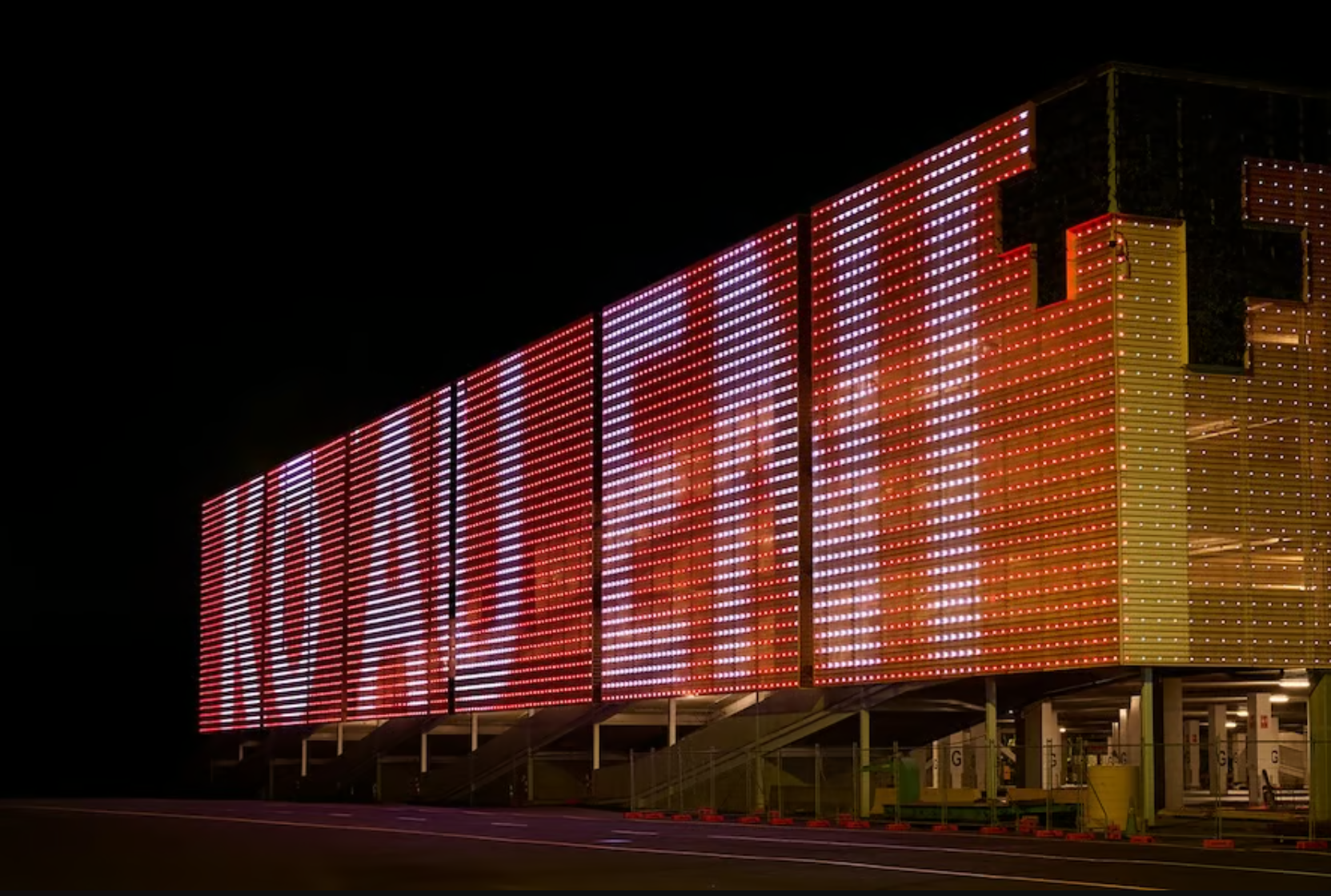
Previous work displayed on The Lightship includes Ko au eni by Kalisolaite ‘Uhila. The phrase means “here I am” and the piece is set in the red and white of the Tongan flag.
Productive instability
The programme has been curated by Simon Bowerbank, who is the director of the Whangārei Art Museum. He has worked on The Lightship for the last four years and says the site keeps him on his toes.
“The projects always feel tough. The site is inherently unstable: a screen but architectural, moving image on the side of a working piece of port infrastructure. I find that instability very productive.”
Bowerbank tells Idealog that First Light’s theme of arrival fits in well with The Lightship’s location.
“A port is obviously a place of arrival and departure, but arrival can mean a lot of different things. What I would hope is that the three works are able to complicate the idea rather than explain it.”
The joy of uncertainty
Bowerbank adds that he decided on the first three artists before building out the theme. He had worked with Paul before, was intending to work with Taupaki and was already in conversation with Iti: “So rather than inventing a theme and then looking for artists who might illustrate it, the question became: what kind of framework could bring these three practices together and relate them to The Lightship?
“I wanted something sufficiently precise to create a relationship between the works, but open enough that each artist could take it somewhere I hadn’t anticipated.”
It’s the latter aspect that Bowerbank is most excited about: the uncertainty of what will come out of any given project is fundamental to commissioning, he says.
“If you invite an artist because you already know exactly what they are going to produce, the process and the outcome, become much less interesting.”
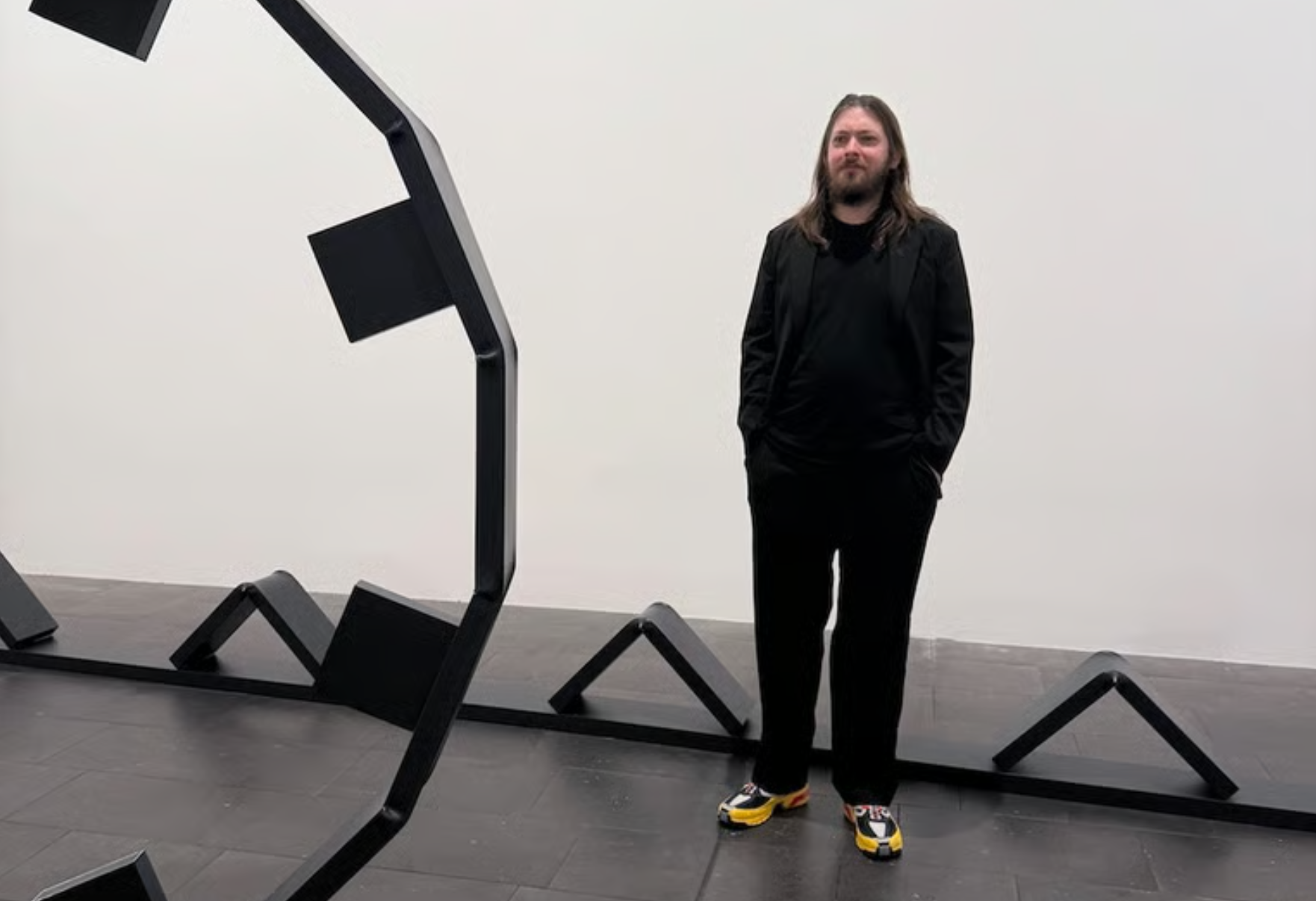
Simon Bowerbank is the curator of The Lightship and the director of the Whangārei Art Museum.
Physical versus digital
Part of what makes The Lightship unique is that artists never truly know how their work will appear until it comes to life across thousands of LEDs stretching across the waterfront, says Bowerbank.
The physical size of The Lightship also directly contradicts with the digital size of the work: the video files displayed are only 132 by 32 pixels.
“So you can have an artist sitting in front of a tiny rectangle on a laptop, moving something by one or two pixels, and eventually that gesture becomes metres of light across the side of a building,” says Bowerbank.
He adds that the digital format, the unpredictability of the display and the absence of a conventional gallery setting makes it a good place for sketches, propositions or experiments.
“There is something appealing about giving an artist one of the largest surfaces in Auckland and then allowing them to use it to try something quite small.”
