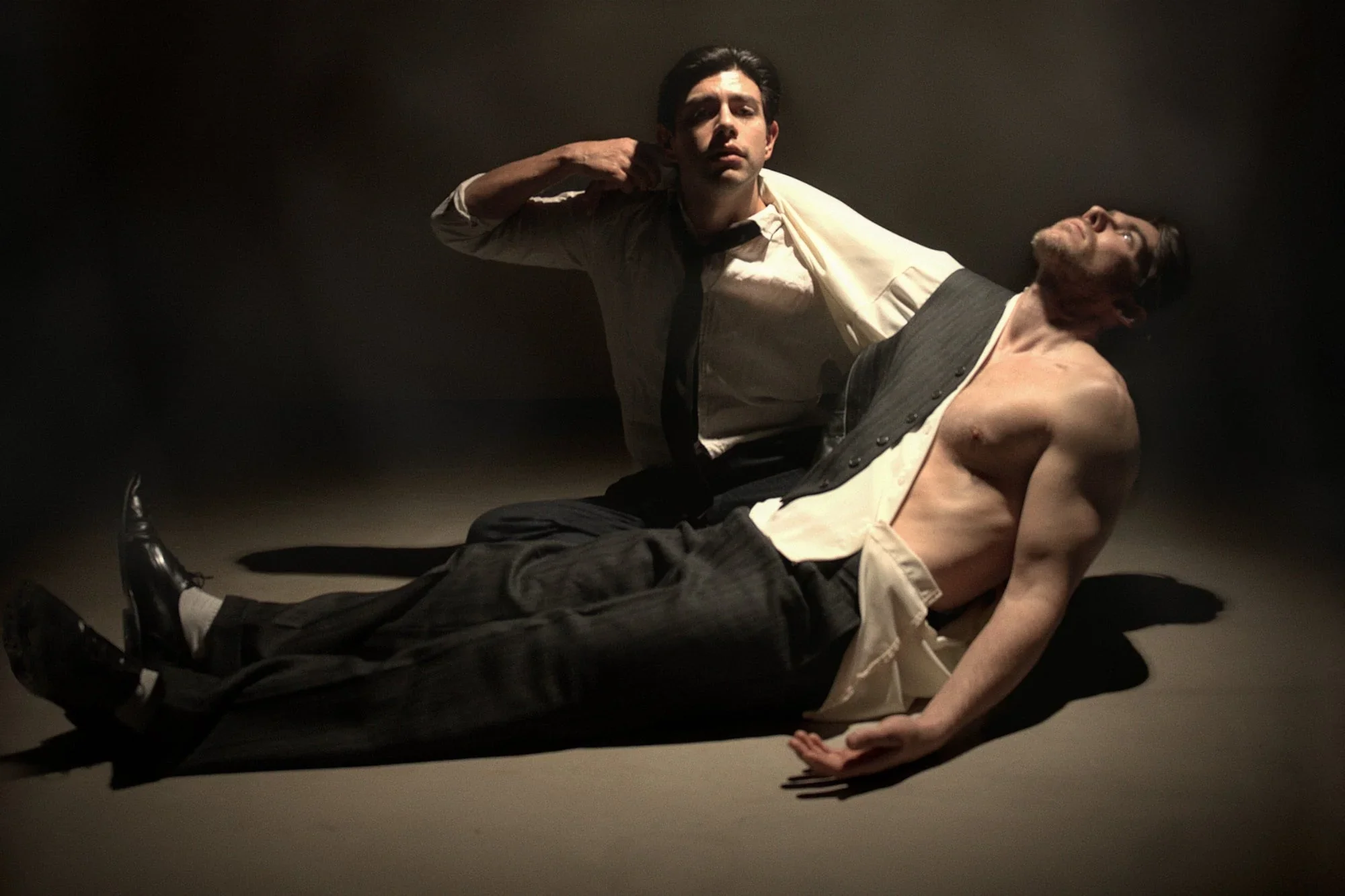
Dunedin, 1924. A young Mexican merchant arrives at the private study of a prominent businessman needing one thing: a signature. The problem is, they know each other. Very well, actually. While a wedding anniversary carries on downstairs, a business meeting begins to pull apart years of silence, shame, and the dark past they’ve had to live with.
The exploration of the May-December homosexual relationship has seen countless iterations told for the stage and screen, with the notion of an older man whose love interest is a significantly younger man rippling with an undercurrent of innocence and manipulation.
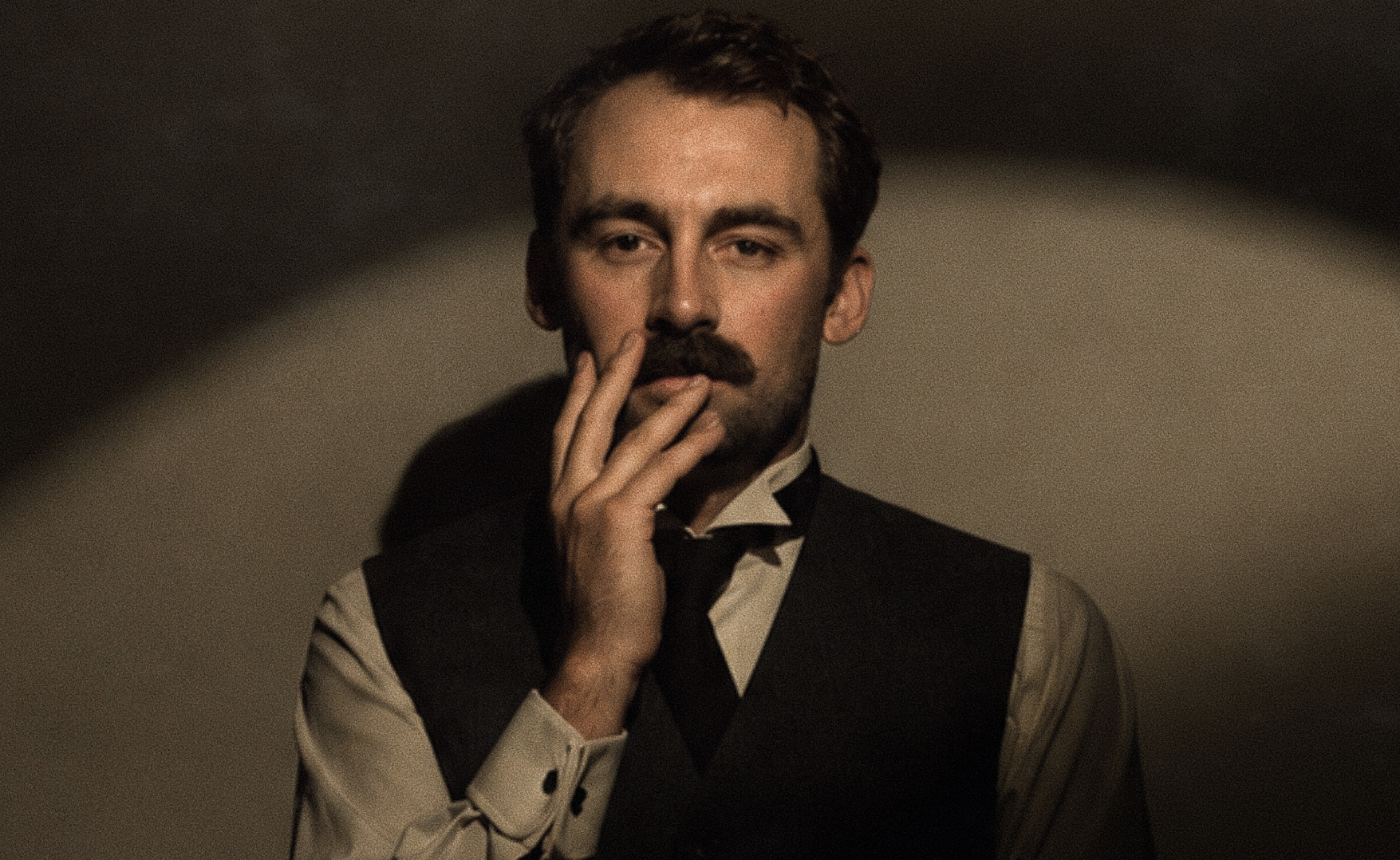
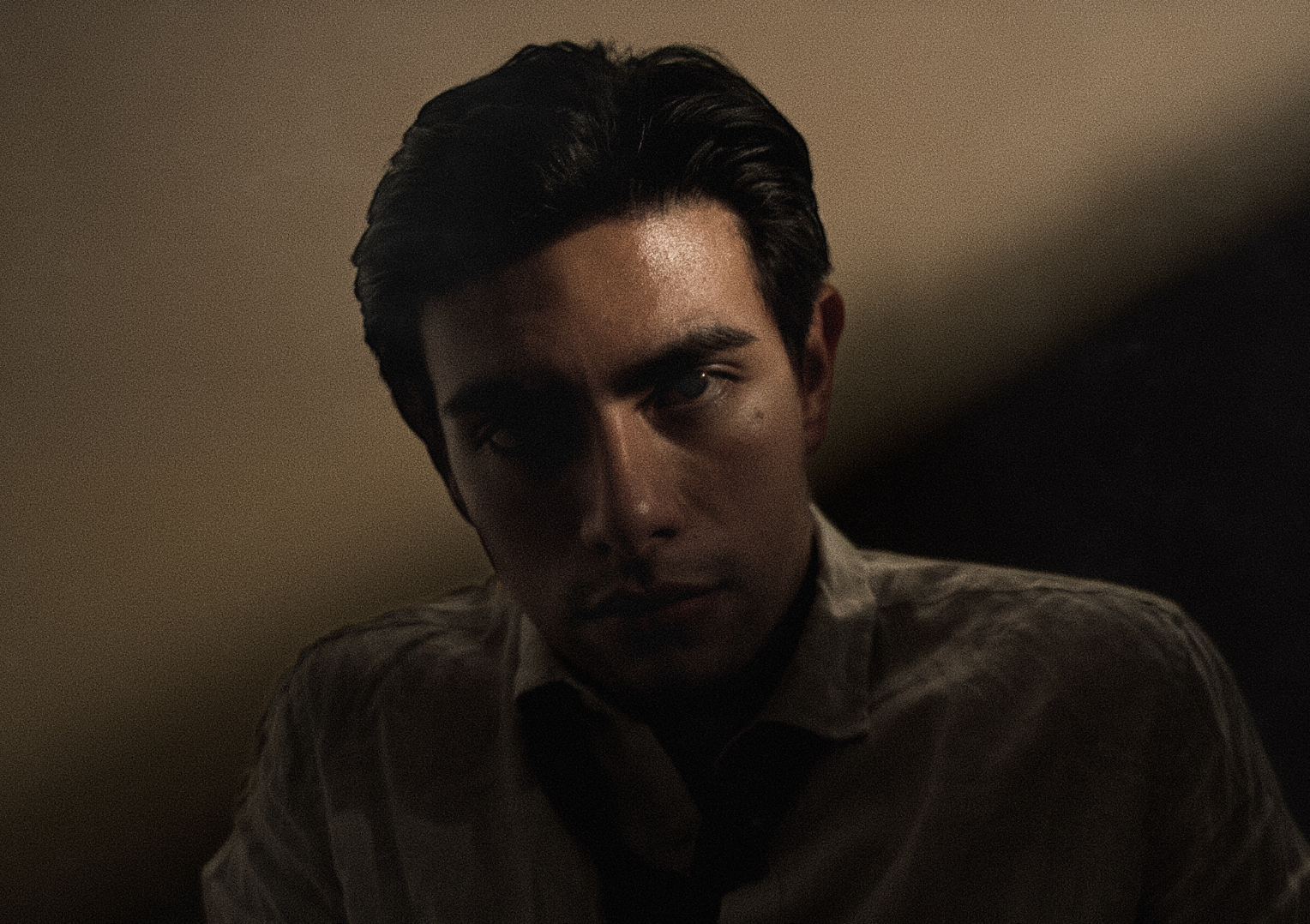
Guido, written by and starring Emilio Mancilla as the eponymous young Mexican merchant opposite Fraser Hoffman as Howard, a prominent businessman based in 1920’s Dunedin, is one such iteration which pulls “apart years of silence, shame, and the dark past they’ve had to live with.”
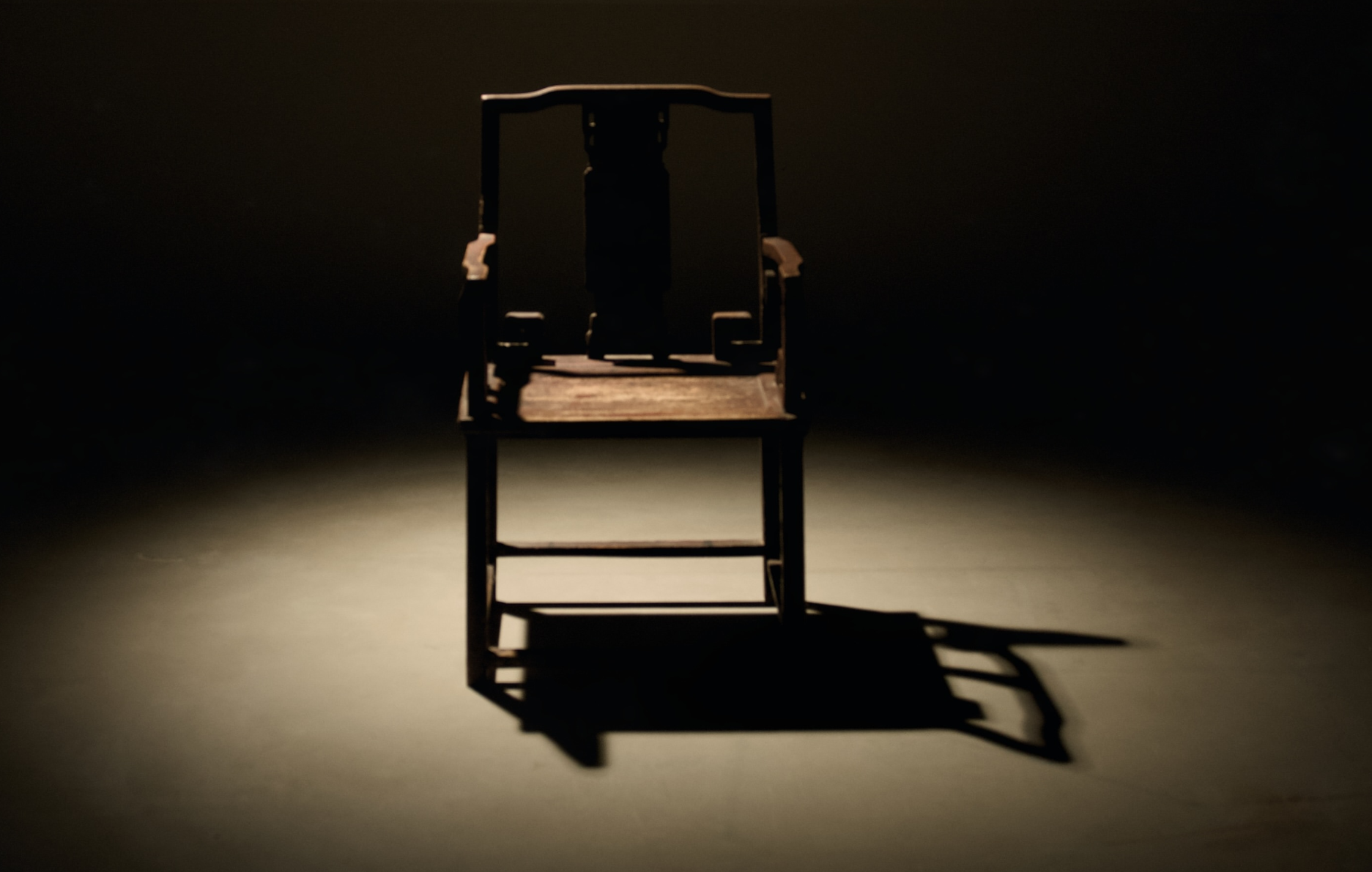
Directed by Sean Rivera and produced by Gabrielle Eggels, the production design choices made by this creative team work to firmly establish this chamber play (a dramatic work featuring a small cast, an intimate scale, and a single setting) in its time and place. Mancilla and Hoffman are dressed in well-fitted period costume pieces, and a large wooden desk with two chairs opposing each other inhabit the stage. Stripping away the black drapes which generally enclose the Basement Studio space leaves the walls of the black box exposed; adorned with an array of picture frames which complete the location of Howard’s office, the audience are not party to their subject matter; each instead frames a blank black canvas - an elegant design element which captures the central theme of memory in this text. [costume and set design are not credited for this production]
Sound designer and composer Tīhema Bennett provides further evocation of the setting for this play, with clever placement of speakers in the external staircase creating the external environment of the anniversary party which carries on underneath the drama on-stage. Bennett’s original score switches from atmospheric original compositions that follow the dream-like state of the performers in front of the audience, before snapping to recognisable period jazz to pull the action back to their present. Lighting Designer Grace O’Brien uses supremely effective floor and back-lighting to transform the setting in moments of dream-like frenzy. The design accentuates the striking physical tableaux performed by Mancilla and Hoffman, at times seeming to paint over the performers and reveal the beautifully harrowing trysts they find themselves in. Yet, much like the sound design, the lighting can snap them back into reality in an instant, pulling them from these fleeting dreamscapes and returning them to the room they appeared to leave only moments before.
Emilio Mancilla has a hard role to inhabit, in both performing as the titular subject of the play and being its creator. Guido deals head-on with the harrowing subject matter (see full content/trigger warnings for this show below) of its text, and to perform such vulnerable roles requires intention and care from not only its performers, but the creative team surrounding them. Rivera’s direction has clearly been supported by Dramaturgy from Sarita So and Intimacy Coordination by Lara Fischel-Chisholm, showing two actors who have been given the space and safety to deeply explore this text and give enrapturing performances truthfully- they allow the dark secrets of their characters to be laid bare.
The emotional tonal shifts are not only projected through the performances of Mancilla’s dialogue and in the production design, but are enhanced by the direction of choreographer Justice Kalolo and the acrobatics choreography by Lexi Laybourn. Mancilla and Hoffman display impressive skill in physical theatre, dance, and acrobatic techniques as they fall into dream-like tableaux that interrupt the stream-of-consciousness-eque narrative.
This dream-like tone is driven by Mancilla’s Guido; the character appears to float in and out of the conversations at hand, with dialogue that feels as if the character is pushing himself to grasp onto reality, as much as attempt to engage with the other man in the room with him. Mancilla tasks himself with several monologues throughout the play; early in the narrative, some moments felt rushed - while a portrayal of distraction, fear, or moments of frenzy may have been the intention, some moments longer for the audience to consider the dialogue and sit with it could push the weight of the subject matter even further. The frenzied build-up to Mancilla’s final monologue is then anchored by subtle physical choreography that gives the speech a physical and auditory rhythm, haunting poetry being spoken aloud. A shift occurs, and Guido has found solid ground.
Where Manicilla’s Guido journeys from a dream-like state to find an anchor for their shared past, Hoffman’s Howard sits squarely in the reality of his immediate surroundings. He provides Guido (and the audience) with tangible information to inform the surroundings of the play, and acknowledges the outside world, in an attempt to resist the pull Guido’s presence has upon him. Hoffman’s naturalistic performance style reinforces this initial tone while charting the gradual collapse of the carefully constructed world Howard inhabits. With clear direction from Rivera and the text, he is highly convincing as a man increasingly unable to suppress his darker desires, carrying that descent through to the theatre’s final plunge into darkness.
Guido is a frenzied slow-burn two-hander: here are two men who share a dark and shameful past playing a game of cat and mouse, where both parties undoubtedly believe that they are the cat. In the lexicon of stories which explore the dark consequences of relationships steeped in manipulation, stolen innocence, and shame, Guido authentically does not shy away from confrontation - it rips these two characters apart for their life-long secrets to be laid bare.
GUIDO is being performed at Auckland’s Basement Theatre from 10-14 November 2026. Purchase tickets here
Content/Trigger warnings: R16 - This production contains references to child sexual abuse, grooming, racism, homophobia, imprisonment, suicide/self-inflicted injury, blood, sexual violence, coercive relationships, strong language, and depictions of psychological distress.
Review written by Charlie Underhill
