American Doctor (2026)
Screening as part of Doc Edge 2026
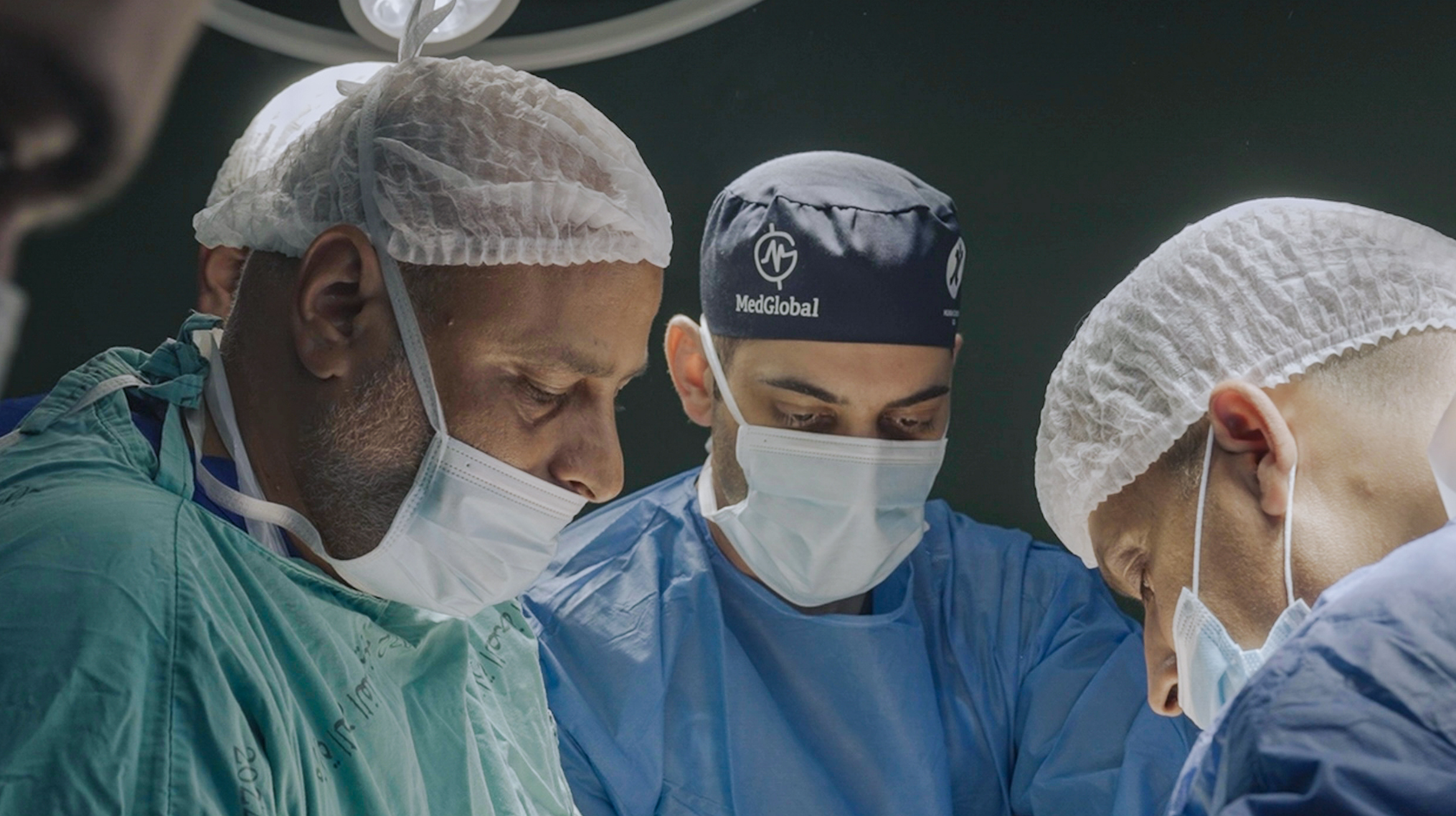
Three physicians — Palestinian, Jewish and Zoroastrian— are unlikely friends united by a single oath to save lives. Dr Thaer Ahmad is measured and strategic, Dr Mark Perlmutter is blunt and wears his heart on his sleeve, and Dr Feroze Sidhwa is media-savvy and prolific. Captured as events unfold on the ground, the film follows them from a Gazan hospital under siege to the halls of Congress. Together, they fight to honour a promise to their Palestinian colleagues and patients, carrying the struggle to where it matters most: the United States of America.
American Doctor, directed by Poh Si Teng, is not a geopolitical analysis. It is not a debate. It is a record of what happens when three American physicians step into Gaza and confront the consequences of violence with their own hands. The film is devastating, intimate, and morally uncompromising, refusing to look away from the reality that civilians, especially children, are paying the highest price.
The documentary follows three doctors whose backgrounds could not be more different. Dr. Feroze Sidhwa, a trauma surgeon from California with Zoroastrian roots. Dr. Mark Perlmutter, a Jewish orthopaedic surgeon from North Carolina who speaks openly about his disillusionment with the current Israeli government. Dr. Thaer Ahmad, a Palestinian‑American emergency physician whose Chicago accent cuts through the chaos as he tries to explain the impossible. Their differences matter, but what matters more is the shared conviction that medical care is a human right, even in a place where hospitals have become targets.
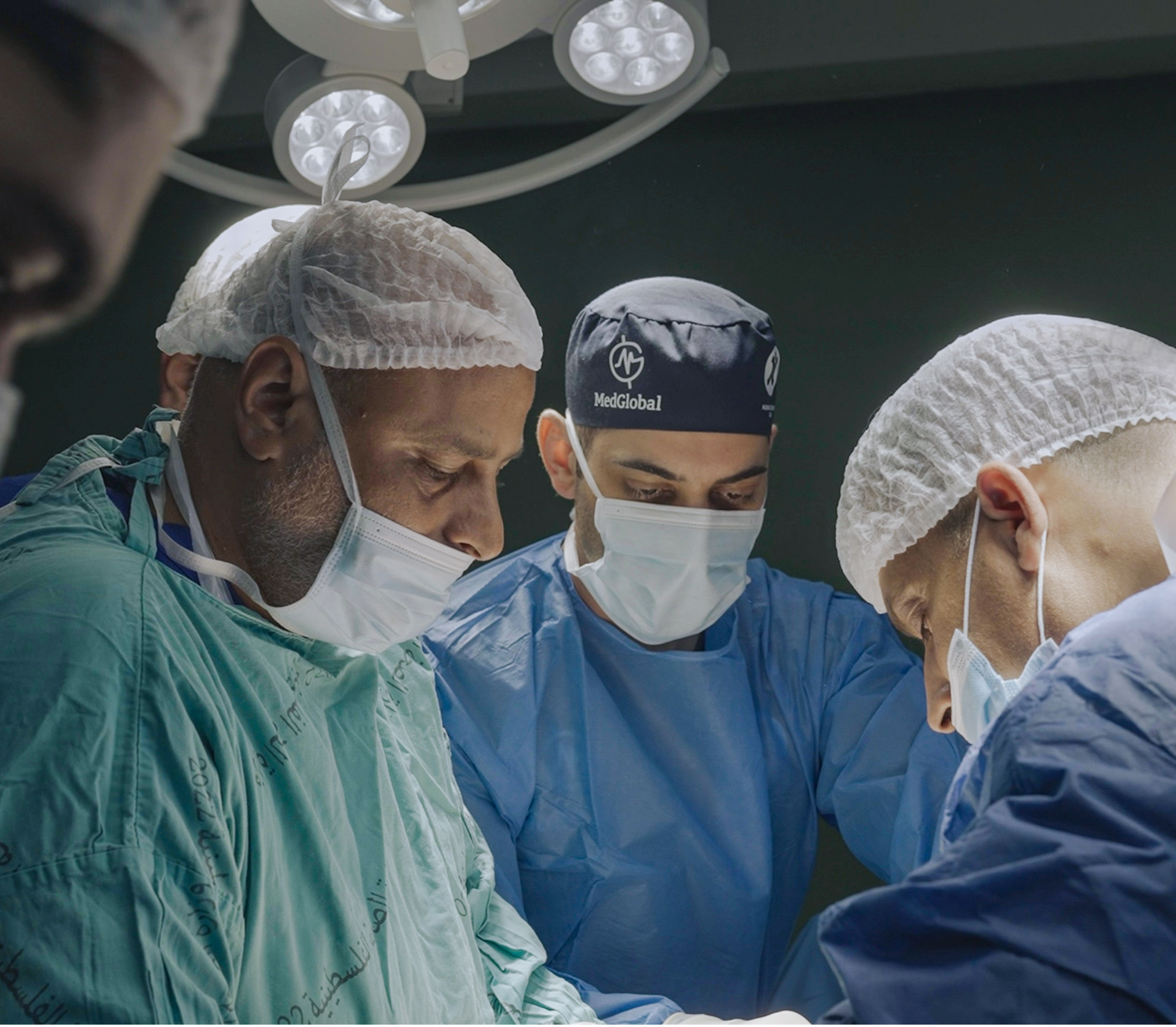
The film begins with the doctors entering Gaza, carrying supplies, training materials, and a sense of purpose that feels both heroic and painfully insufficient. Israel has barred foreign journalists from entering since October 2023, so the doctors have become witnesses as well as healers. They treat the wounded and document what they see, knowing that their accounts may be the only ones that reach the outside world. The dual role is exhausting. They are trying to save lives while also trying to ensure those lives are not erased.
The footage inside the hospitals is almost unbearable. Children arrive unconscious, bloodied, limp. Some survive. Some do not. The doctors work with limited resources, often in facilities that have been damaged or partially destroyed. The film does not sensationalise these scenes. It presents them plainly, which makes them even harder to watch. There is no dramatic music. No slow‑motion. Just the sound of monitors, shouting, crying, and the relentless urgency of triage.
What makes American Doctor so powerful is its refusal to separate humanitarian work from the political conditions that make it necessary. The doctors speak candidly about what they witness. They describe injuries consistent with high‑powered explosives. They talk about the impossibility of treating mass casualties when supplies are scarce and electricity is unreliable. They acknowledge that the bombs falling around them are supplied, in large part, by the United States. The film does not editorialise. It simply presents the facts through the voices of people who are living them.
The documentary also raises questions about whose stories are told and whose suffering is acknowledged. Teng does not shy away from the ethical dilemmas of filming in a war zone. She includes conversations about what should be shown, what should be withheld, and how to honour the dignity of the people being filmed. The doctors grapple with these questions, too. They want the world to see the truth, but they also want to protect the privacy of the patients they treat. The tension between witnessing and respecting is constant.
The film’s structure is loose, moving between interviews, hospital scenes, and moments of reflection. This rhythm mirrors the doctors’ experience. There is no linear narrative in Gaza. There is only crisis, exhaustion, and the occasional quiet moment where someone tries to process what they have seen. The documentary captures this disorientation without losing clarity. It feels like being inside a story that is still unfolding.
One of the most striking elements of the film is its portrayal of the doctors’ emotional toll. They are not portrayed as stoic heroes. They are portrayed as human beings who are overwhelmed, grieving, and furious. Dr. Sidhwa speaks about the impossibility of treating children who have injuries no child should ever have. Dr. Perlmutter talks about the moral weight of watching a government he once supported inflict suffering on civilians. Dr. Ahmad describes the pain of treating people who look like his own family. Their vulnerability gives the film its emotional core.
The documentary also highlights the danger the doctors face. Hospitals are not safe. They are bombed. They are surrounded. They are evacuated. The doctors work knowing that their own lives are at risk. The film shows them running through corridors, ducking explosions, and navigating chaos that feels endless. Their commitment is not romanticised. It is shown as a choice made out of moral necessity rather than heroism.
Despite its focus on suffering, American Doctor is not a film without hope. The doctors’ presence in Gaza is itself an act of resistance. Their willingness to speak publicly is another. The film shows moments of connection between the doctors and the families they treat. A child gripping a doctor’s hand. A parent whispering thanks. A nurse offering water. These small gestures remind the audience that humanity persists even in the darkest circumstances.
The documentary’s final act is a call to attention. Teng does not tell viewers what to think. She does not offer solutions. She simply presents the reality that Gaza’s medical system is collapsing under the weight of violence, and that the world has a responsibility to acknowledge this. The film asks whose lives matter, whose deaths are counted, and whose suffering is allowed to be seen. It forces viewers to confront the uncomfortable truth that some tragedies are ignored because they are politically inconvenient.
American Doctor is not easy to watch, and it is not meant to be. It is a film that demands engagement, empathy, and accountability. It is a reminder that humanitarian crises are not abstract. They are lived by real people whose stories deserve to be heard. The documentary is devastating and inspiring in equal measure, showing both the brutality of war and the resilience of those who refuse to abandon their moral obligations.
In the end, the film becomes a testament to the power of bearing witness. The doctors cannot stop the bombs. They cannot change policy. They cannot undo the suffering. But they can tell the truth. And Teng ensures that truth is seen, heard, and impossible to ignore.
Screening as part of Doc Edge 2026. Check out the films and screenings here
Review written by Alex Moulton
