Chicken Ghetto (2025)
Screening as part of Doc Edge 2026
Mable is a teenager living in the Banda slum of Kampala, Uganda. She loves singing on the streets and carries many questions for God, one of them being: why is she the only one in her family with sickle cell disease?
Chicken Ghetto is a small documentary with a surprisingly large emotional footprint. Directed by Sangsun Choi, the film follows Mable, a teenage girl living in the Banda slum of Kampala, Uganda. She is bright, curious, funny, and painfully aware of the world around her. She also lives with sickle cell disease, a condition that shapes every part of her life, from her health to her relationships to the way strangers look at her. Her friends (and local drunks) call her “Chicken” because of her skinny legs, a nickname she accepts with a mix of humour and resignation. It is one of many small details that reveal how she has learned to navigate hardship with grace.
The documentary could easily have leaned into misery, but it chooses a different path. Choi focuses on Mable’s strength, her creativity, and the love that surrounds her. The slum is undeniably harsh, yet the film never reduces her to a symbol of suffering. Instead, it shows a teenager who sings on the streets, dances whenever she can, and asks big questions about God and fate. She wonders why she is the only one in her family with sickle cell disease. She wonders why her father abandoned them because of it. She wonders why she must carry a burden that isolates her from others. These questions are heavy, but she asks them with a sincerity that is disarming.
One of the most striking elements of the film is how openly Mable talks about stigma. In her community, sickle cell disease is misunderstood and feared. People treat her like she is contagious. Some avoid her entirely. Her father left their family completely, because he believed the condition was a curse. The cruelty of that abandonment sits heavily in the film, yet Mable speaks about it with a heartbreaking mixture of sadness and empathy. She feels sorry for others with the same condition. She worries about children who may suffer more than she does. Even in her own pain, she finds room to care for others. That generosity is what makes her such a compelling subject.
There is a moment in the documentary where Mable talks about pitying others with sickle cell disease. She says she feels sorry for them because she knows how hard it is. The empathy in her voice is striking. She is a teenager who has been treated like an outcast, yet she still finds compassion for others who share her struggle. It is one of the most moving parts of the film.
The documentary is simple in structure. It does not rely on elaborate cinematography or complex narrative devices. Instead, it observes. It watches Mable move through her neighbourhood. It listens to her sing. It captures the small moments of joy that break through the monotony of poverty. The simplicity works. It allows Mable’s personality to fill the space. Her laughter, her frustration, her faith, her doubt. All of it feels honest.
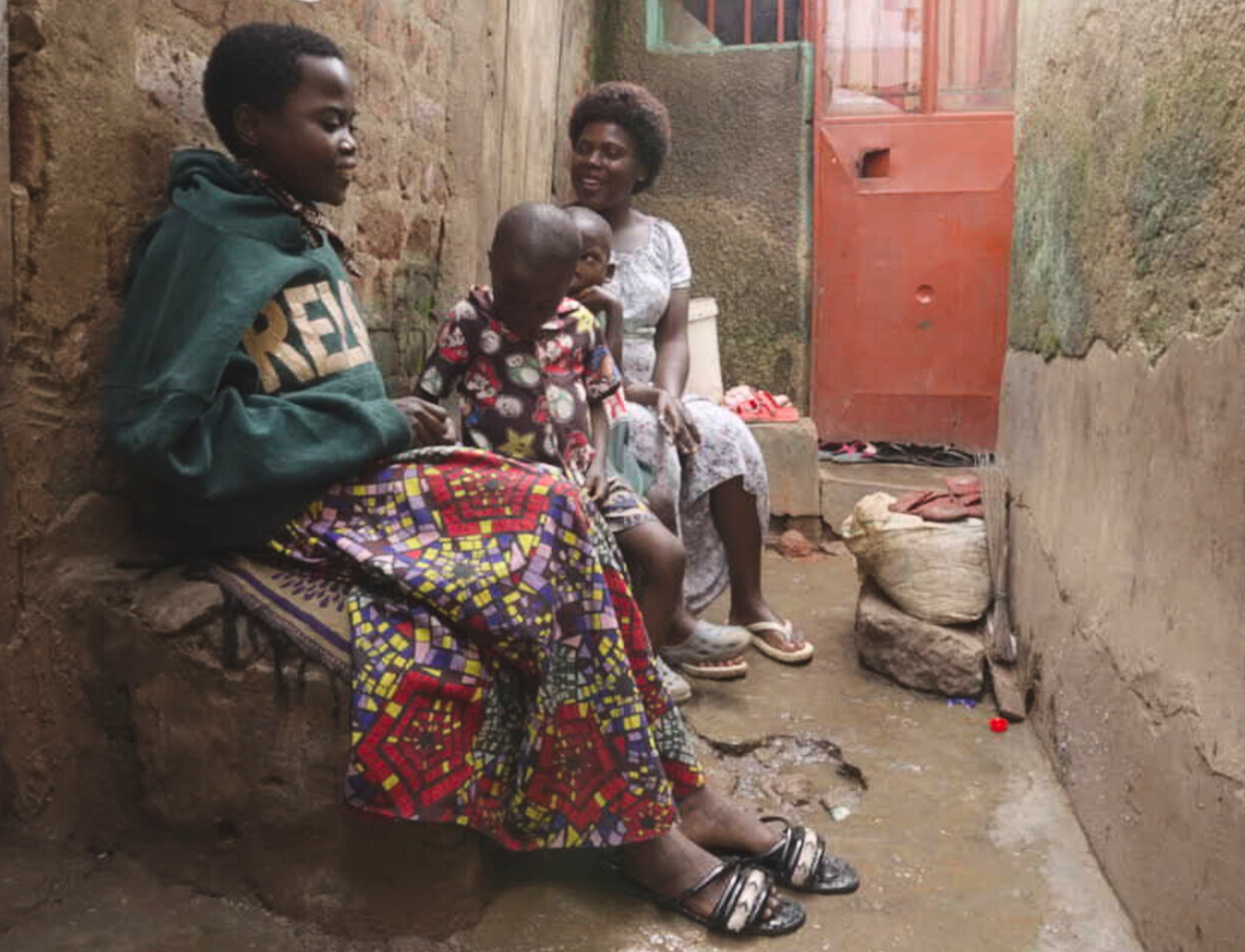
Music is a constant thread. Mable sings with a rawness that feels both joyful and defiant. Her voice is not polished, but it is full of life. When she sings, she is not a patient or a victim. She is a teenager who loves to perform. The film treats these moments with tenderness, letting them breathe without commentary. They become small acts of resistance, reminders that she is more than her illness.
Faith is another recurring theme. Mable talks to God with a mixture of reverence and frustration. She questions why she was chosen to suffer. She wonders if there is meaning in her pain. The film does not try to answer these questions (though the local pastor does try). It simply shows a young girl wrestling with them in real time. Her faith is not blind. It is complicated, shaped by disappointment and hope in equal measure.
The documentary also highlights the strength of her family and community. Despite the stigma, despite the poverty, despite the abandonment, there is love. Her mother supports her with a quiet resilience. Her siblings tease her, protect her, and share in her small joys. Neighbours look out for her. The film makes it clear that survival in the slum is a collective effort. Hardship is constant, but so is connection.
What stands out most is how aware Mable is of her situation. She understands the discrimination she faces. She understands the limitations of her body. She understands the fragility of her future. Yet she refuses to let those realities define her entirely. She sings. She dances. She jokes. She dreams. The film captures this duality beautifully. She is a child forced to grow up too quickly, yet still holding onto the pieces of childhood she can.
The title, Chicken Ghetto, reflects this tension. It is both playful and harsh. It captures the way Mable is seen by others and the way she sees herself. It hints at the cruelty of her environment while acknowledging the humour she uses to survive it. The film never mocks her. It honours her resilience.
The documentary does not offer solutions. It does not pretend that Mable’s life will suddenly improve. It does not wrap her story in false hope. Instead, it presents her reality with clarity and respect. It shows the beauty and the pain, the joy and the sorrow, the music and the silence. It trusts the audience to sit with the complexity.
Chicken Ghetto is not a grand, sweeping documentary. It is small, intimate, and grounded. But that intimacy is its strength. It gives Mable the space to be fully herself. It allows her voice to carry the story. And in doing so, it reveals a young girl whose resilience is as powerful as her vulnerability.
It is a reminder that even in the harshest environments, people find ways to create meaning. They find ways to laugh. They find ways to love. They find ways to keep going.
Mable does all of that. And the film honours her for it.
Screening as part of Doc Edge 2026. Check out the films and screenings here
Review written by Alex Moulton
