Elle (2026)
In Season One, Elle follows Elle Woods in high school as we learn about the life experiences that shaped her into the iconic young woman we came to know and love in the first Legally Blonde film.
Some shows arrive with a mission to reinvent a franchise. Elle does not. Instead, it strolls in wearing pink, humming Garbage, and politely asks if anyone would like a teen prequel to Legally Blonde. The answer, surprisingly, is that it works well enough. It is light, sweet, occasionally clunky, and soaked in 90s nostalgia. It is also far more YA drama than comedy, but the charm is there if you meet it halfway.
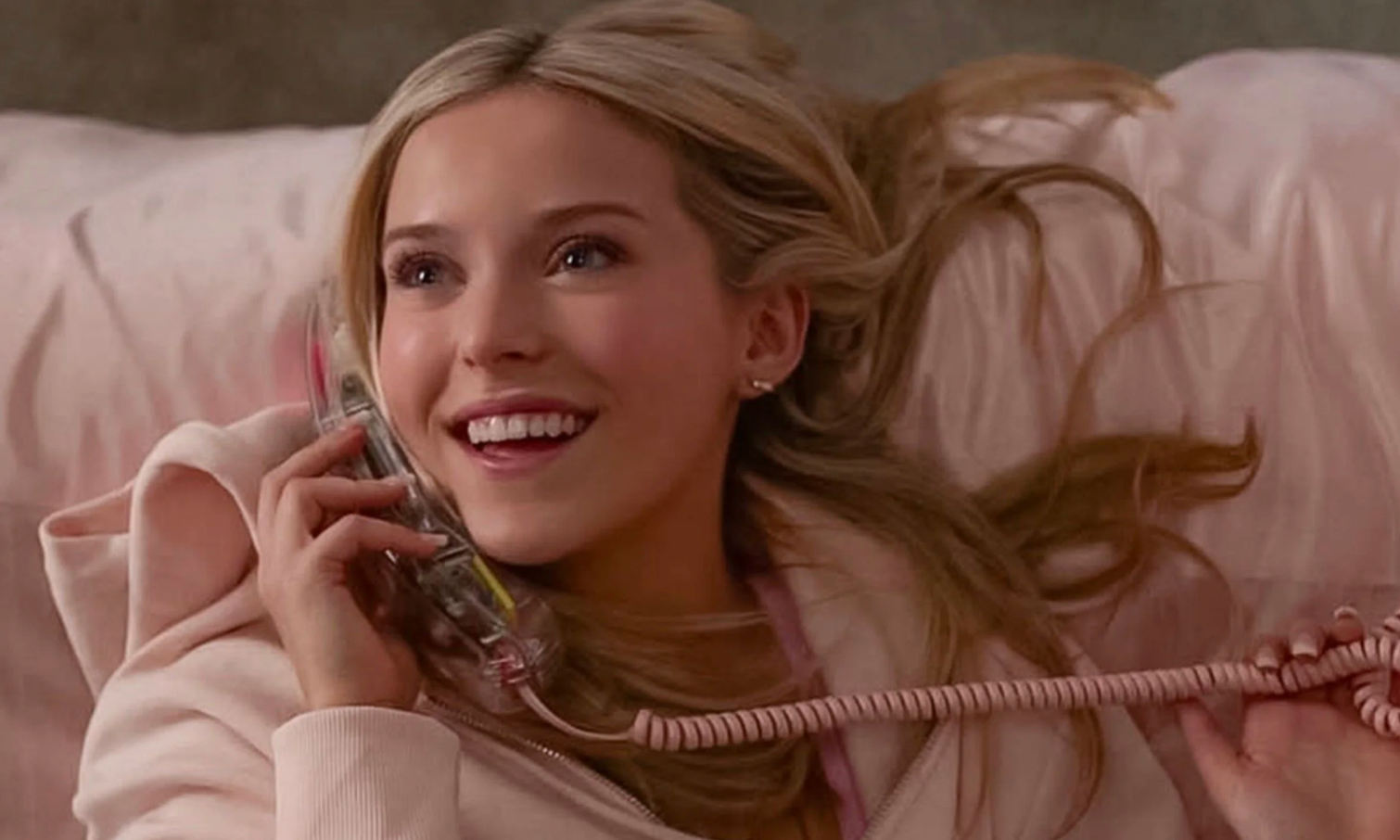
Set in 1995, the series introduces a teenage Elle Woods long before Harvard, long before courtroom triumphs, long before the bend‑and‑snap. Her life in Los Angeles is bright, curated, and drenched in pink. Then her father botches a celebrity nose job and the family relocates to Seattle, a city that seems determined to reject every ounce of her sunshine. The contrast is immediate. Elle arrives in a world of flannel, nose rings, and grunge kids who treat California like a disease. Even the cheerleaders look like they stepped out of a goth zine.
The fish‑out‑of‑water setup is familiar, and the show leans into that familiarity. Elle’s first days at Rainier West High are rough. Her optimism reads as try‑hard. Her fashion sense is treated like a personal attack. Her bubbly personality is dismissed as fake. The series does not hide the parallels to Legally Blonde. In fact, it embraces them. Elle is tricked into attending a party in the wrong outfit. She solves a problem using fashion logic. She creates a video application for an internship. She wins over a hostile classmate through kindness. These echoes are intentional, and while they are not subtle, they do create a sense of continuity between teen Elle and the future Harvard Elle.
Lexi Minetree plays Elle with clear affection for the character. She understands the blueprint. She keeps the cadence, the posture, the optimism. But there is something missing; the spark that Reese Witherspoon carried effortlessly. Some of that is the writing. Some is the colour grading, which mutes Elle’s brightness to match Seattle’s gloom. Some is simply the challenge of portraying a character who is iconic before she even reaches adulthood. Minetree does well, but the magic is not fully there yet. Perhaps that is intentional. This Elle is still forming.

The humour in the show is gentle rather than laugh‑out‑loud. It is more smirk than cackle. The jokes land softly, often relying on 90s references rather than punchlines. Blockbuster, Microsoft money, Garbage’s “Only Happy When It Rains,” and the grunge‑obsessed aesthetic all anchor the series firmly in its era. The soundtrack is one of the show’s strongest elements, weaving nostalgia into scenes that might otherwise feel flat. The commitment to the time period is impressive. Every hallway looks like a magazine spread from 1995. Every student looks like they are auditioning for a Soundgarden video.
The drama, however, is where the show spends most of its energy. Love triangles, misunderstandings, social hierarchies, and emotional missteps fill the first two episodes. It is definitely more romance drama than comedy. The dramatic beats can be clunky, and the pacing occasionally drags. But the writers do make an effort to avoid easy resolutions. Elle’s good intentions do not magically fix everything. Her speeches do not instantly win people over. The conflicts feel more layered than typical YA fluff, even if the execution is uneven.
The show’s tone sits somewhere between Legally Blonde and Wednesday. It has the bright optimism of the former and the teen‑centric angst of the latter. It is not something I would seek out personally, but it is also not something I would turn off if it were playing. It is easy to watch, easy to follow, and easy to enjoy in small doses. It is the kind of series you put on while folding laundry and suddenly realise you have watched three episodes.
The first two episodes also explore Elle’s relationship with identity. She is forced to confront the fact that her bubble of privilege does not translate well outside Los Angeles. Seattle does not care about her fashion sense, her social status, or her curated positivity. The show uses this tension to push her toward growth. She begins to question how she fits into a world that does not immediately embrace her. She learns that kindness is not always enough. She learns that people carry their own complexities. She learns that being herself sometimes requires more effort than she expected.
The mystery element is introduced lightly, hinting at a larger plot that will unfold across the season. It is not intense. It is not high stakes. It is simply another thread woven into the tapestry of teen drama. The show treats it with the same gentle tone as everything else. Nothing feels urgent. Nothing feels dangerous. The stakes are emotional rather than physical, which fits the series’ overall vibe.
Visually, the show is interesting. The colour grading is intentionally dull, reflecting Seattle’s rain‑soaked aesthetic, contrasting the sun-soaked pastels of LA scenes. This choice works thematically, but it does reduce Elle’s visual pop. Her pink outfits look muted rather than vibrant. Her energy feels slightly dampened. It is a clever artistic decision, but it does make the show feel less sharp than the film that inspired it.
Despite its flaws, Elle has heart. It is inoffensive, sweet, and committed to its premise. It does not try to reinvent the character. It does not try to shock the audience. It simply tries to tell a story about a girl learning to navigate a world that does not immediately love her. The first two episodes show promise, even if they stumble. They capture the charm of the original film without trying to replicate its exact tone. They offer a new angle on a familiar character, one that feels appropriate for a prequel.
The series may not become a cultural phenomenon, but it does succeed at being watchable, warm, and nostalgic. It is a lighthearted binge, a soft YA drama with a pink heart and a grunge jacket. It is fine. It is pleasant. It is better than it needs to be. And sometimes that is enough.
Elle: From the World of Legally Blonde and its first season drops on July 1, on Amazon Prime.
Review written by Alex Moulton
