Frost Without Snow and Ice (2026)
Screening as part of Doc Edge 2026
For ten years, Director Helgestad follows polar bear named Frost, a mother struggling to raise her cubs in a rapidly changing Arctic. A story of survival and love, conflict and loss in Svalbard, the fastest-warming place on earth. Helgestad is left with a question that frames the film: can empathy and understanding bridge the gap between humans and other animals before it’s too late?
Some documentaries try to explain climate change through charts, graphs, and dire predictions. Frost Without Snow and Ice, directed by Asgeir Helgestad, chooses a different path. It tells the story of a single polar bear, Frost, and in doing so reveals the unraveling of an entire ecosystem. The film is quiet, patient, and devastating, unfolding over a decade in Svalbard, one of the fastest‑warming places on the planet. It is not a lecture. It is a vigil.
Helgestad’s camera follows Frost through seasons that no longer behave as they should. Snow arrives late. Ice melts early. Glaciers retreat. The landscape shifts beneath her paws. The film’s power lies in its simplicity. Instead of explaining climate change, it shows its consequences through Frost’s attempts to raise her cubs in a world that is disappearing. The audience watches her search for food, navigate thinning ice, and confront the growing presence of humans in places once defined by silence.
The cinematography is breathtaking. Svalbard’s vastness is captured with a sensitivity to scale and fragility. Mountains loom like ancient guardians. The sea glows under pale Arctic light. Frost moves through this world with a mixture of strength and vulnerability. Yet the beauty of these images is always shadowed by loss. The landscapes look magnificent, but they are changing too fast. The ice is thinner. The snow is patchy. The rhythms of the seasons are broken.
Helgestad does not hide his presence. His voice appears throughout the film, reflecting on his own evolution as a filmmaker. He begins as an observer, someone who wants to capture the Arctic’s beauty. Over time, he becomes a witness to its collapse. His relationship with Frost deepens, not in a sentimental way, but in a way that acknowledges the responsibility of watching an animal struggle because of human choices. The tension between documenting and intervening is always present.
The film’s structure is slow and deliberate. It lingers on Frost’s movements, her pauses, her attempts to navigate a world that no longer supports her. It also lingers on the daily life of the Arctic itself. Birds nesting. Reindeer grazing. Foxes darting across the snow. These scenes create a rhythm that mirrors the natural world, a rhythm that becomes increasingly disrupted as the years pass.
One of the most striking elements of the documentary is its refusal to isolate nature from humanity. Helgestad includes the quiet intrusion of human presence: research stations, camps, ships, and settlements. These images are not framed as villains, but ignorance is no excuse. They are reminders that the Arctic is no longer untouched. The contrast between Frost’s world and the human world is subtle but powerful. It shows how deeply intertwined they have become, and how one is pushing the other toward collapse.
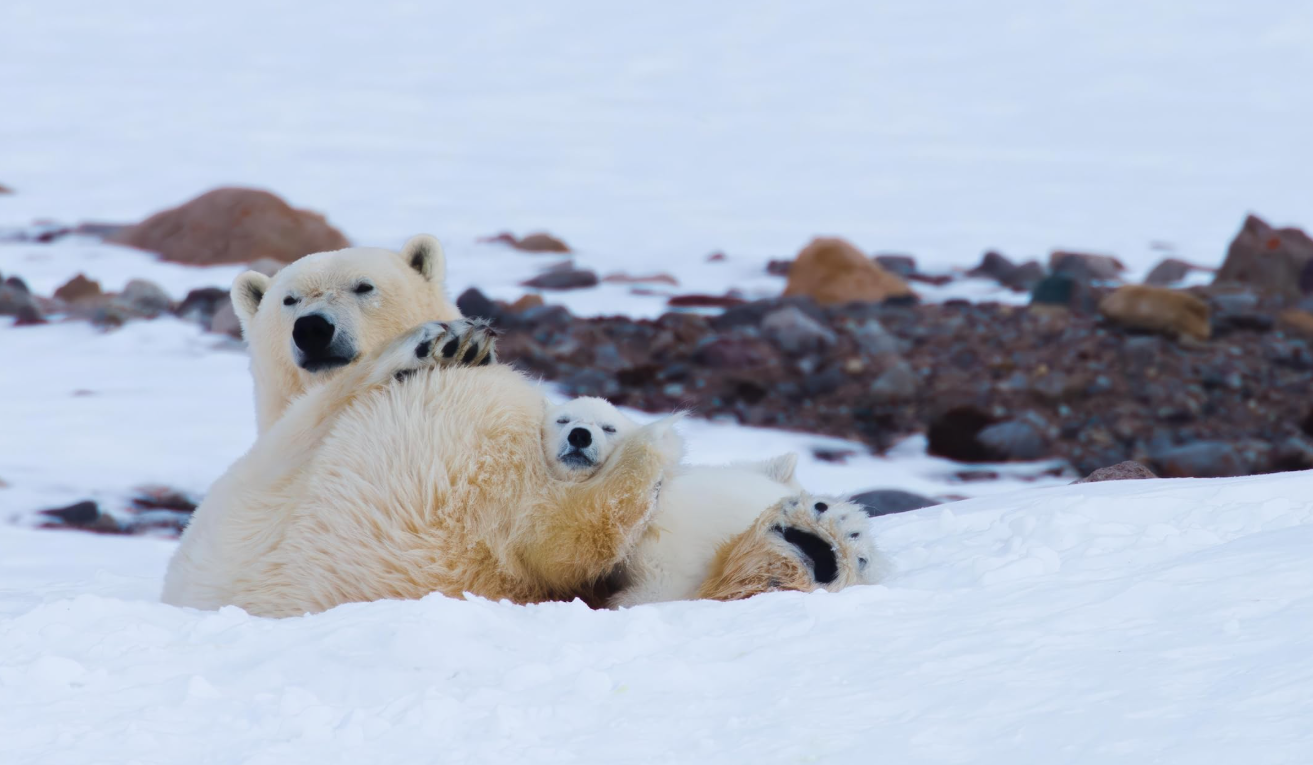
The emotional core of the film lies in Frost’s attempts to raise her cubs. The audience watches her search for food in places where food used to be abundant. We see her grow thinner. We see her cubs struggle to live. The tragedy is not abstract. It is personal. Frost’s story becomes a lens through which the audience understands the broader ecological crisis. Her fight is universal, a mother trying to protect her young in a world that no longer supports life as it once did.
The film avoids sensationalism. It does not rely on dramatic music or exaggerated narration. Instead, it trusts the images to speak for themselves. The silence of the Arctic becomes a character. The sound of wind, cracking ice, and distant water creates an atmosphere that is both serene and unsettling. The audience feels the weight of what is happening without being told how to feel.
Helgestad’s reflections add depth to the narrative. He speaks about the difficulty of watching Frost’s world change. He acknowledges the ethical challenges of filming an animal whose survival is threatened. His voice is calm, thoughtful, and honest. It gives the film a human anchor without overshadowing Frost’s story.
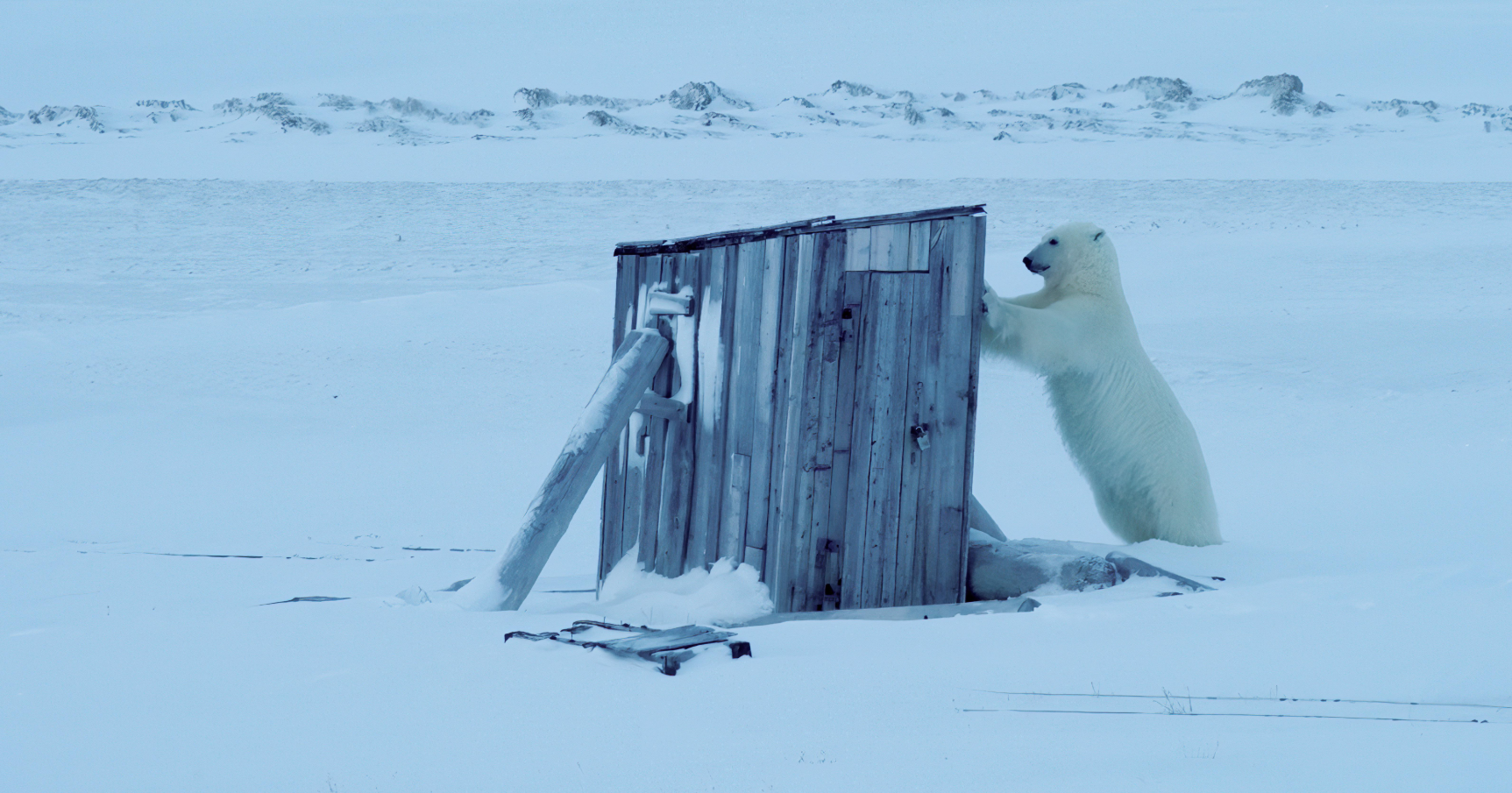
The documentary also raises questions about responsibility. Polar bears can be shot if they threaten human life. But what consequences exist for humans who destroy the bears’ way of life? The film does not answer this question directly. It simply presents the reality that Frost’s world is collapsing because of human actions, and that the consequences fall disproportionately on the animals who have no say in the matter.
One of the film’s strengths is its long‑term perspective. By following Frost over a decade, the audience sees the changes unfold gradually. We see the ice retreat year by year. We see the snow arrive later. We see Frost grow thinner. We see her cubs struggle. This slow accumulation of evidence is more powerful than any statistic. It shows the lived experience of climate change, not the theoretical one.
The documentary’s pacing may feel slow to some viewers, but that slowness is intentional. It mirrors the rhythm of the Arctic. It allows the audience to sit with the reality of what is happening. It creates space for reflection. The film is not trying to entertain. It is trying to bear witness.
The final act of the film is quietly heartbreaking. Frost’s world has changed beyond recognition. The ice she depends on is unreliable. The food she needs is scarce. The presence of humans is constant. The audience watches her continue to fight, but the outcome feels inevitable. The tragedy is not dramatic. It is slow, relentless, and deeply personal.
Frost Without Snow and Ice is a meditation on empathy. It asks whether humanity can understand nature deeply enough to protect it. It asks whether we can bridge the gap between scientific knowledge and emotional connection. It asks whether we can act before it is too late.
The film succeeds because it never becomes preachy. It does not tell the audience what to think. It simply shows a world in collapse through the life of one fragile being. The result is a documentary that is both beautiful and devastating, a reminder that climate change is not an abstract concept but a lived reality for the creatures who depend on the ice.
Helgestad has created a work that is visually stunning, emotionally resonant, and morally urgent. It is a film that stays with you long after it ends, a quiet plea for empathy in a world that desperately needs it.
Screening as part of Doc Edge 2026. Check out the films and screenings here
Review written by Alex Moulton
