Jackass: Best and Last (2026)
Follows the Jackass crew as they perform their final series of dangerous stunts and pranks, marking the end of the franchise.
Some films creep up on you. Jackass: Best and Last punches you in the throat, makes you gag, and then somehow has you laughing so hard you’re wiping tears off your face. It is pure bodily chaos, a greatest‑hits reel stitched to a fresh batch of stunts that feel both nostalgic and violently new. I needed the release. I laughed until my ribs hurt. I cringed so hard my shoulders locked. It is disgusting, painful, stupid, and absolutely glorious.
The film is built as a hybrid. Part new material, part archival chaos, part deep‑cut footage that fans have only ever seen floating around online. It is a scrapbook of pain and stupidity stitched together with the kind of affection only lifelong friends can generate. The structure is loose, almost casual. One moment you are watching a brand‑new stunt involving laxatives and naked Twister. The next, you are thrown back to a clip from 1998 that MTV refused to air. The mix is messy, but that mess is the point. Jackass has never been tidy.
The archival footage hits hard. Seeing the crew in their twenties, fearless and elastic, is a shock. They were reckless, but they were young. Now they are older, slower, and visibly more breakable. The contrast is brutal. The film does not hide it. It leans into it. The past clips become a reminder of how much time has passed, how many injuries have accumulated, and how much the bodies on screen have endured. The nostalgia is warm, but it is also tinged with melancholy. The absence of Ryan Dunn hangs quietly over the film.
The new stunts are a mix of inventive, disgusting, and genuinely dangerous. There are so many butt‑related challenges that it becomes a running joke. Colonoscopy references appear more than once. Steve‑O receives a rectal exam from a robot. Several cast members drink a colonoscopy laxative and then play Twister. There is poop. There is vomit. There are fluids that should never be seen in a cinema. It is vile. It is hilarious. It is Jackass.
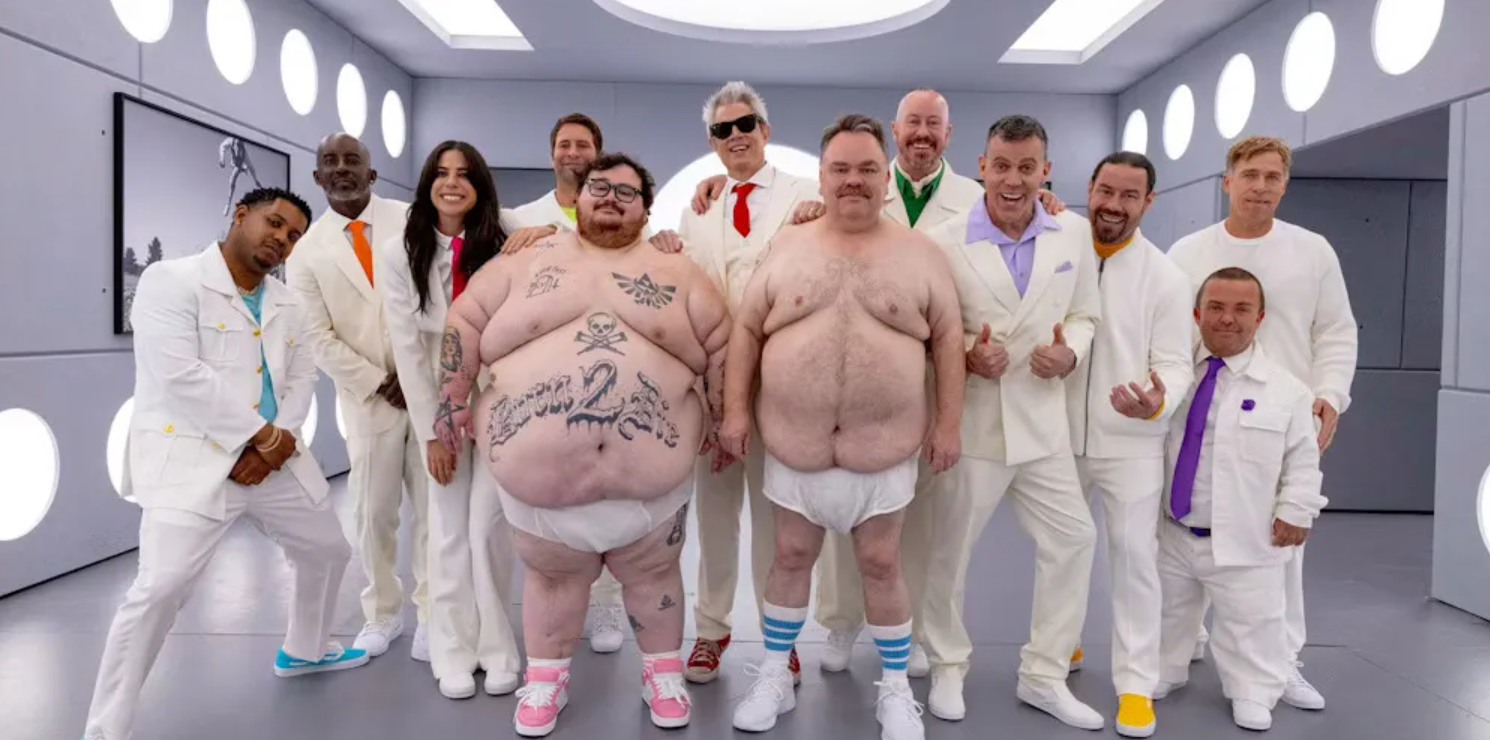
But the film also pushes into territory that feels genuinely frightening. The crew is older now. Their reflexes are slower. Their bones are more fragile. When Ehren McGhehey is electrocuted, the laughter pauses. When Johnny Knoxville insists on facing another bull, the tension is palpable. He has been concussed so many times that the stunt feels less like comedy and more like a dare against mortality. The crew looks terrified. For a moment, the film becomes a reminder that the line between comedy and catastrophe has always been thin.
This sense of danger is new. In earlier Jackass films, the stunts were outrageous, but the cast felt invincible. Now they feel human. Middle‑aged men trying to recapture the chaos of their youth. The film acknowledges this openly. Knoxville sits in an electric chair and admits that this is the end. He cries. The crew cries. The audience feels it. The farewell is not dramatic. It is simple, honest, and unexpectedly touching.
The documentary‑style structure gives the film a reflective tone. Director Jeff Tremaine cuts between new stunts and old clips, creating a rhythm that feels like flipping through a photo album with friends who have survived something extraordinary together. The greatest‑hits moments are genuinely funny, genuinely shocking, and genuinely impressive. They remind you why Jackass became a cultural phenomenon. They also remind you how much the cast has changed.
The film’s emotional core lies in the relationships between the crew. Jackass has always been about male friendship, but not the toxic kind. These men love each other. They support each other. They laugh at each other, but they also check on each other. They celebrate each other’s bravery and stupidity in equal measure. The camaraderie is infectious. It is the reason the audience feels safe laughing at the pain. The pain is shared. The laughter is shared. The affection is real.

The new cast members add fresh energy. Poopies, for example, brings a chaotic enthusiasm that feels perfectly aligned with the Jackass ethos. Watching him cross a balance beam with a shock collar around his penis is both horrifying and hysterical. The film uses these new faces to bridge the gap between generations, showing that the spirit of Jackass can evolve without losing its identity.
The film’s pacing is relentless. There is no plot. There is no thematic arc. There is only escalation. Each stunt tries to outdo the last, either through creativity, disgust, or sheer physical risk. The variety keeps the film from feeling repetitive. One moment you are watching a prank that is absurdly elaborate. The next, you are watching someone get hit in the face with a fish. The unpredictability is part of the thrill.
Despite the chaos, the film carries a surprising amount of warmth. The crew knows this is probably their last ride. They know their bodies cannot take much more. They know the franchise has reached its natural endpoint. The film becomes a celebration of everything they built together. It is a tribute to stupidity, bravery, friendship, and the strange joy of watching grown men suffer for entertainment.
The visceral impact is undeniable. I laughed until I cried. I cringed until my shoulders hurt. I gagged. I covered my face. I needed the release. The film is cathartic in a way that only Jackass can be. It is a reminder that laughter can come from the most unexpected places, even from pain, disgust, and absurdity.
Jackass: Best and Last is not sophisticated. It is not subtle. It is not high art. But it is honest. It is chaotic. It is heartfelt. And it is exactly what it promises to be: one final, ridiculous, disgusting, dangerous, joyful celebration of a crew that changed comedy by refusing to grow up. At least until they annouce another one.
Jackass: Best and Last will be in NZ cinemas from July 2, 2026. Find your nearest screening here
Review written by Alex Moulton
