Celebrated wildlife photographer Vincent Munier embarks on a journey with his father and son into the heart of a forest whose beauty is transcendent.
Most wildlife documentaries are built around anticipation. A predator is hunting. A migration is underway. A rare species is about to emerge. Cameras race to capture moments of action, conflict, or survival before moving on to the next spectacle. Whispers in the Woods takes the opposite approach. Vincent Munier's contemplative documentary is not interested in turning nature into entertainment. Instead, it asks audiences to slow down, sit quietly, and learn how to look. The result is one of the most immersive nature documentaries in recent years, even if its commitment to patience occasionally tests the viewer's own.
Set primarily in the forests of eastern France, the film follows three generations of the Munier family as they move through the landscape together, collecting observations, waiting for wildlife to reveal itself, and passing knowledge between father, son, and grandson. Yet describing the documentary in those terms almost feels misleading because plot is largely irrelevant. The family is present, but they are less the subject than guides. Their purpose is to introduce us to a forest that feels alive long before any animals appear on screen.
This is where the documentary immediately distinguishes itself from more conventional wildlife filmmaking. Most nature documentaries use the camera as a tool for finding animals. Here, the camera often seems more interested in the spaces between them. Mist hangs between trees. Snow settles quietly onto branches. Light shifts through fog. The forest is not simply a backdrop for wildlife encounters but an active participant in the experience. Munier repeatedly invites audiences to observe the landscape as carefully as they would the creatures hidden inside it.
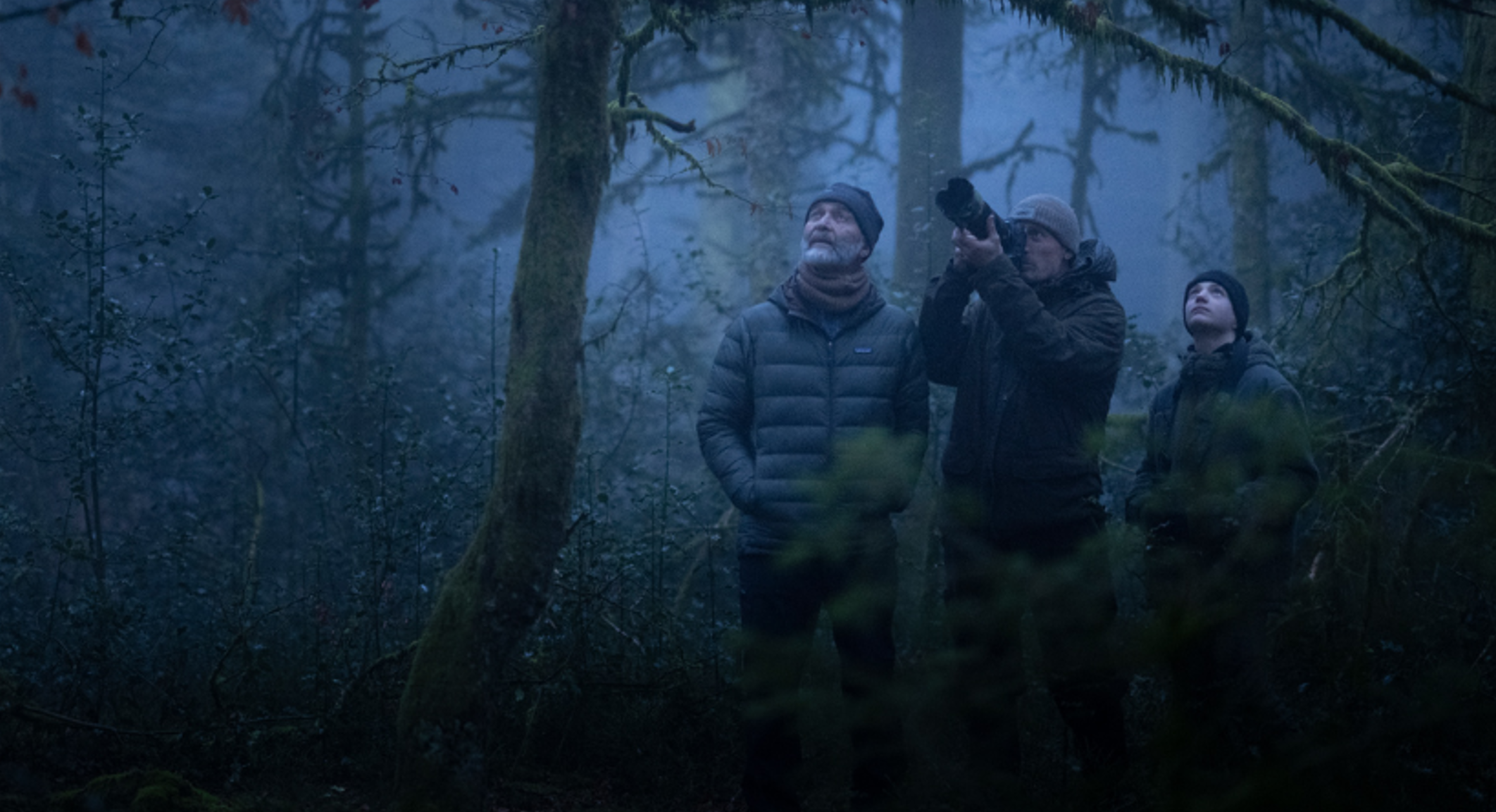
That philosophy extends directly into the cinematography. Rather than pursuing pristine, hyper-detailed imagery that places every animal front and centre, the film frequently obscures its subjects. Creatures remain partially hidden behind branches, emerge as distant silhouettes through mist, or occupy only a small portion of the frame. There are moments where the audience hears an animal long before they can see it, forcing them to scan the image just as they would if standing quietly in the woods themselves. While some viewers may find this frustrating, I found it deeply refreshing. Munier is not trying to improve on nature. He is attempting to replicate the experience of encountering it.
The film's visual language relies heavily on extended stillness. Static compositions are often held for surprisingly long periods, allowing the eye to wander across the frame searching for movement. Particular attention is paid to shifting focus within those shots. What initially appears to be an indistinct collection of branches and shadows gradually reveals hidden details as the focus shifts deeper into the image. A seemingly empty landscape might suddenly uncover a bird, a deer, or some other fleeting presence. These moments become small rewards for paying attention.
The sound design is arguably even more impressive. Marc Namblard's field recordings transform the forest into an astonishingly rich acoustic environment. Tiny sounds normally lost beneath conventional documentary narration become central features of the experience. Branches creak. Wings flutter. Footsteps crunch softly through undergrowth. Wind moves through distant trees. Animals announce themselves through sound long before the camera acknowledges their presence.
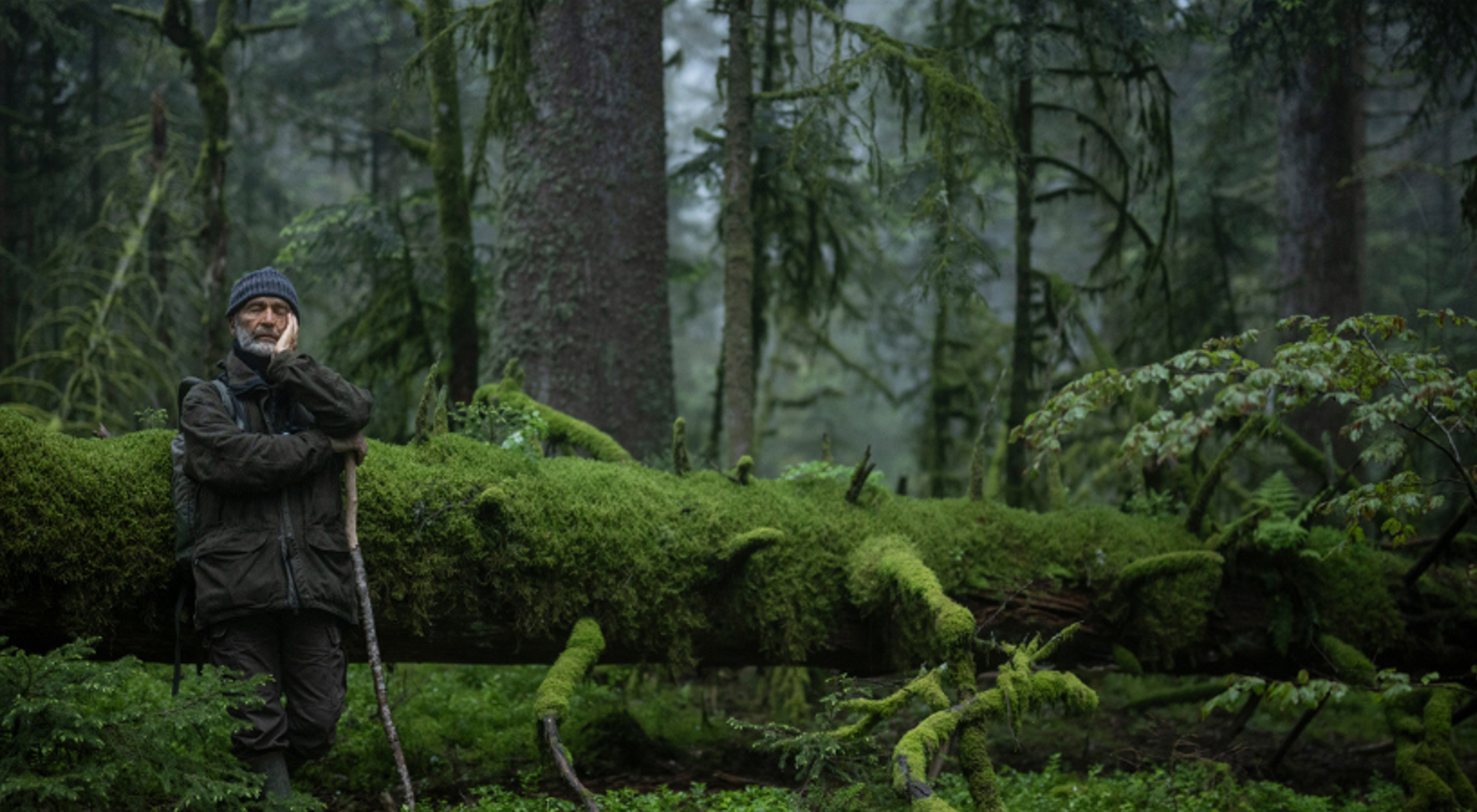
One sequence involving falling snow perfectly encapsulates the documentary's strengths. The image itself is deceptively simple, holding on a figure standing motionless as snow drifts through the air. Rather than treating snowfall as a visual effect, the soundtrack foregrounds the delicate sound of individual flakes settling onto fabric and foliage. The result is almost startling. For anyone unfamiliar with standing quietly during active snowfall, the scene captures something rarely represented on screen. Snow appears heavy when accumulated, yet sounds remarkably gentle as it falls. By lingering on such a subtle moment, the film turns something ordinary into an unexpectedly tactile experience.
Music is used with similar restraint throughout. The score blends beautifully with the environmental recordings, rarely overwhelming them. Gentle strings, sparse instrumentation, and ethereal vocal textures drift in and out of the mix, complementing rather than competing with the natural world. The soundtrack frequently feels less like accompaniment and more like another layer of atmosphere. Combined with the field recordings, it creates an almost meditative viewing experience.
The documentary's greatest strength is also its greatest limitation. Munier demands genuine patience from the audience. This is not a film designed to accommodate distracted viewing. It actively resists the rhythms modern media has conditioned many of us to expect. Extended takes ask the audience to stop waiting for something to happen and simply observe. When a wildlife encounter finally arrives, it feels earned precisely because the film has required the viewer to slow down enough to appreciate it.
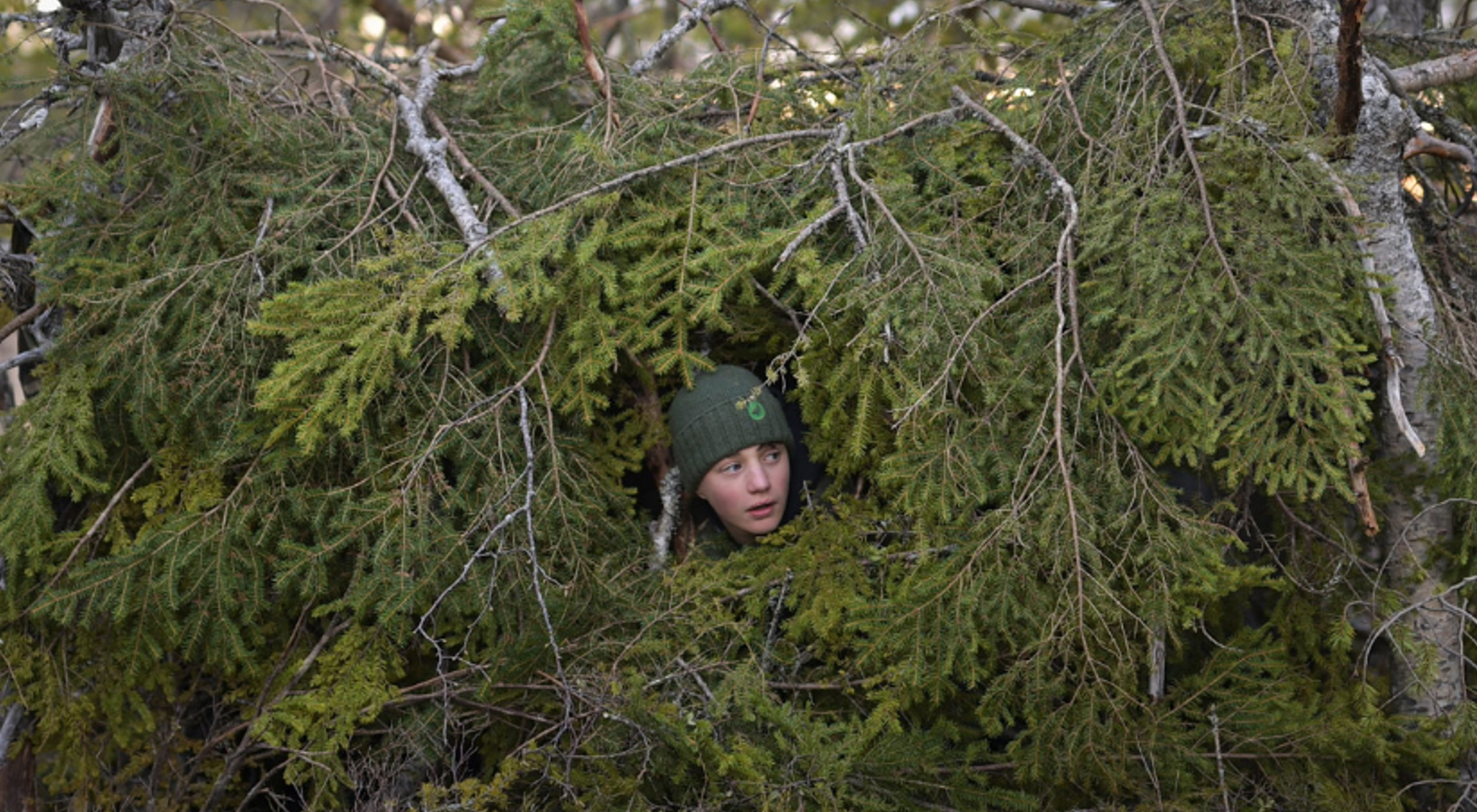
That approach works wonderfully during the documentary's most memorable animal encounters. The sense of discovery is far more powerful because nothing has been rushed. Rather than announcing a rare sighting with dramatic music or aggressive editing, the film allows viewers to stumble across these moments naturally. There is genuine excitement in simply spotting movement within the frame and realising you have found something hidden there all along.
The problem is that the same approach occasionally feels less justified elsewhere. Some atmospheric passages linger a little too long without offering much beyond visual beauty. The film becomes so committed to preserving stillness that certain stretches begin to lose momentum. A sequence built around waiting for wildlife creates anticipation. A sequence built entirely around atmosphere can occasionally feel like the documentary is admiring its own imagery a little too much.
The editing also introduces an unexpected contradiction. For a film built around authenticity and patient observation, there are several moments where obvious visual transitions and layered imagery draw attention to the construction of the documentary itself. These techniques are attractive enough in isolation, but they occasionally undermine the sense of quietly observing reality. The more stylised passages can make the film feel slightly curated in ways that clash with its otherwise immersive approach.
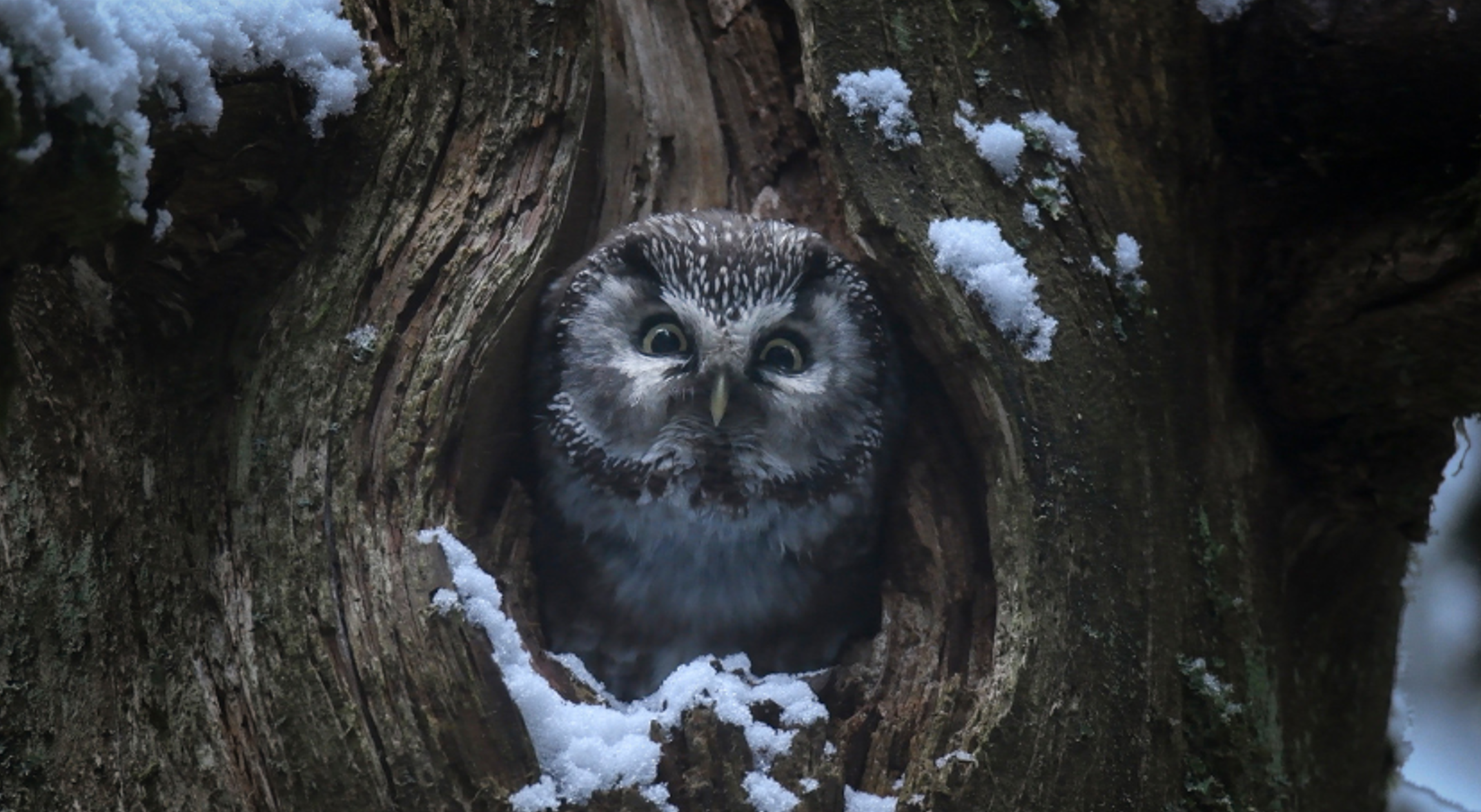
A similar issue emerges near the conclusion. After spending much of the runtime teaching audiences to appreciate restraint, the documentary struggles to find the perfect place to stop. The final act contains multiple moments that feel like natural endings, only for the film to continue a little longer. None of these scenes are unwelcome, but the cumulative effect slightly softens the emotional impact the documentary has worked so carefully to build.
Even with those reservations, Whispers in the Woods remains a deeply rewarding experience. The relationship between the three generations of the Munier family provides a gentle emotional thread without overwhelming the natural world itself, and the underlying conservation message emerges organically through observation rather than instruction. Viewers looking for traditional wildlife spectacle may find the pace glacial, but audiences willing to surrender to its rhythms will discover something far more unusual.
In a culture increasingly shaped by notifications, algorithms, and endless scrolling, Whispers in the Woods feels almost radical in its insistence that some things are worth waiting for. It asks very little from its audience beyond time, patience, and attention. For those willing to offer all three, the reward is a documentary that makes the natural world feel less like a collection of attractions and more like a living place waiting quietly to be noticed.
Whispers in the Woods is in NZ Cinemas on December 10. Find your nearest screening here.
Review written by Alex Moulton
