Ko Au, Ko Koe (Nikau Grace)
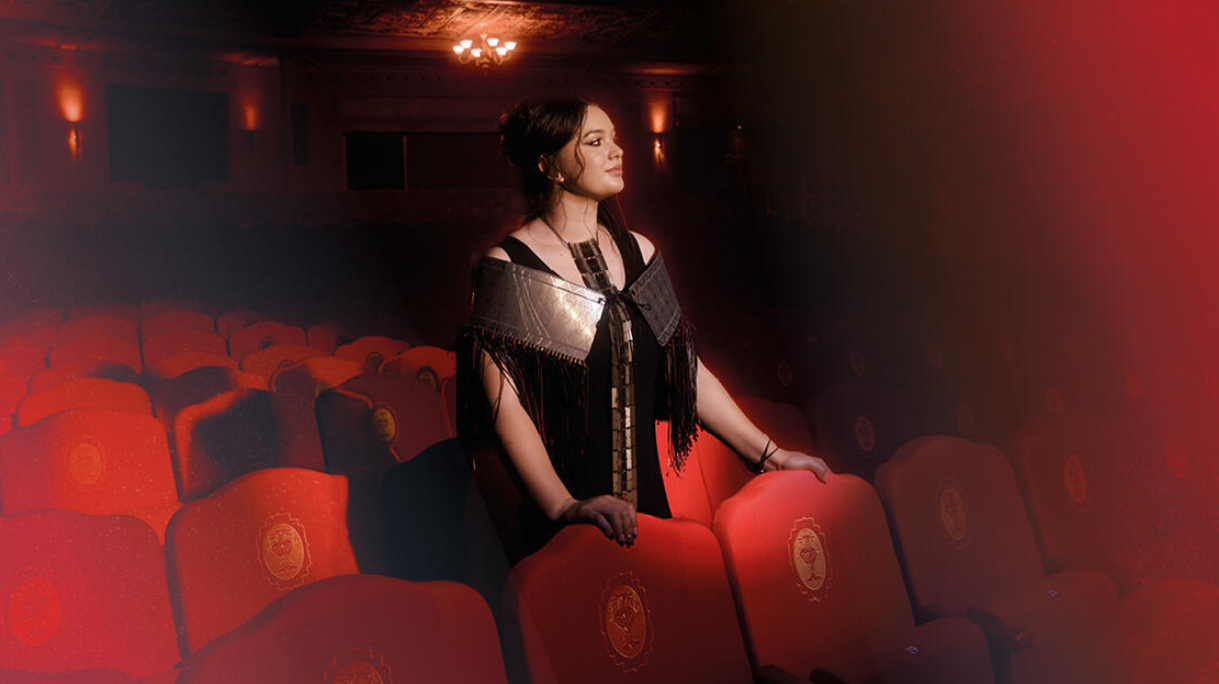
Performed as part of the Auckland Live Cabaret Festival
One artist. Many worlds. No boxes. Breakout Aotearoa artist Nikau Grace brings Ko Au, Ko Koe to the Auckland Live Cabaret Festival - a powerful live show celebrating women, identity and the courage to take up space.
Stepping into the Wintergarden feels like crossing a threshold into another world. The Civic has transformed itself for the festival, shimmering with colour and ceremony, performers greeting audiences in radiant pink as if welcoming them into a secret celebration. The space holds its own kind of magic. It feels sheltered, intentional, and full of wairua, the perfect environment for a show that asks its audience to listen with their whole selves. Into this atmosphere walks Nikau Grace, carrying a presence that is both gentle and unshakeably powerful.
Ko Au, Ko Koe is not a performance that tiptoes. It arrives with clarity. It announces itself. It stands firm in its kaupapa. From the opening moments, Nikau makes it known that this is a space for women, for identity, for reclamation, for courage. There is no soft introduction. No easing into the theme. The first notes, the first words, the first breath all carry intention. This is who I am. This is who we are. And you are invited to witness.
Nikau moves across genres with a fluidity that feels instinctive. Blues melts into classical. Classical dissolves into contemporary. Te reo Māori threads through everything, not as ornamentation but as foundation. The band behind her is exceptional, weaving harmonies that feel lush and grounded, supporting her voice without ever overshadowing it. The musicianship is tight, warm, and deeply respectful of the kaupapa. Every element fits together with precision, creating a soundscape that feels both expansive and intimate.
The show’s title, Ko Au, Ko Koe, becomes a guiding principle. Nikau invites the audience to pause, to reflect, to consider how identity is shaped not only by individual experience but by collective connection. She speaks to the idea that we are never isolated. Our stories intertwine. Our whakapapa binds us. Our communities hold us. The performance becomes a reminder that listening is an act of care, and that acknowledging one another is a form of strength.
There is vulnerability in the way Nikau shares herself. She does not hide her nerves. She does not pretend to be invincible. Instead, she stands in her truth, allowing the audience to see the full spectrum of her emotional landscape. That honesty becomes part of the show’s power. It creates a safe space, one where the audience is encouraged to feel deeply, to reconnect with parts of themselves that may have been quiet for too long.
The waiata are intentional. Each one carries its own weight, its own history, its own resonance. The special guests who join her bring their own voices, each adding another layer to the tapestry. Their presence feels like a mihi to the women who came before, the wāhine toa who carved pathways through resistance and expectation. The wairua in the room is palpable. English cannot fully capture it. It is felt rather than described.
One of the most striking moments of the night centres on Mākereti Papakura, the pioneering guide, scholar, and performer whose legacy continues to ripple through generations. Nikau’s kōrero about her is delivered with reverence, and the accompanying waiata becomes a bridge between past and present. The use of poi adds a physical dimension to the tribute, connecting movement, memory, and lineage. It is a moment that feels anchored in history yet alive in the present, a reminder of the wāhine who pushed boundaries long before the word “cabaret” ever entered the lexicon.
Nikau’s ability to shift between musical styles is matched by her ability to shift emotional tone. One moment, she is fierce, commanding the room with a voice that fills every corner. Next, she is soft, inviting the audience into a quieter, more contemplative space. Her storytelling is woven through the music, not as exposition but as reflection. She speaks of identity, of womanhood, of cultural wisdom, of the courage required to take up space in a world that often asks women to shrink.
The band deserves its own acknowledgement. Their harmonies are lush, their timing impeccable, their presence steady. They elevate the performance without ever overshadowing Nikau. The backing vocalists in particular bring depth and richness, creating moments where the sound feels almost ceremonial. The collective energy between Nikau and her musicians is undeniable. It feels like whanaungatanga in action.
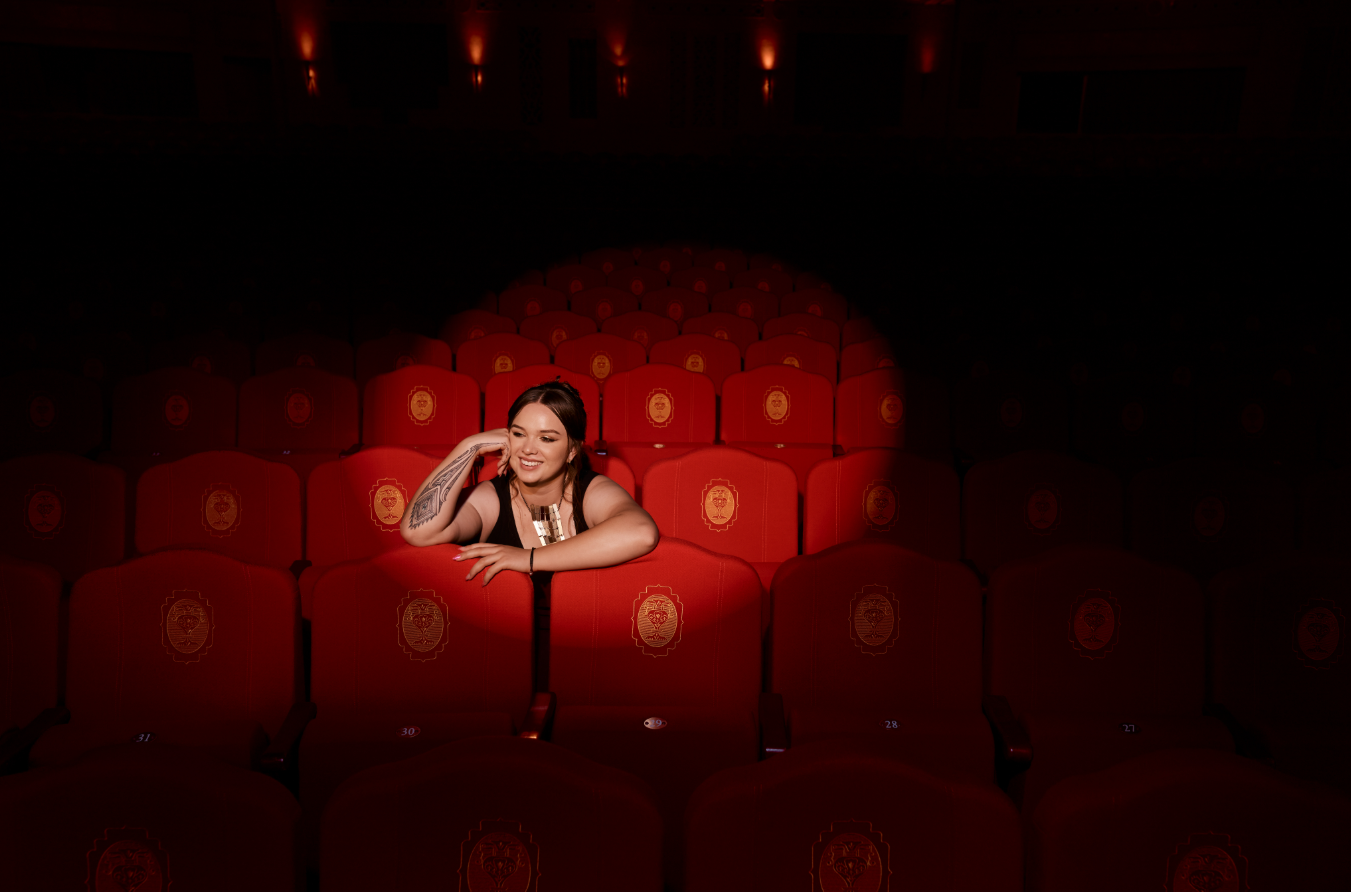
The Wintergarden itself amplifies the show’s intimacy. The venue encourages closeness. It feels like a sanctuary tucked beneath the city, a place where stories can be shared without interruption. The mana of the space enhances the mana of the performance. The audience is not just watching. They are participating in a shared experience.
What makes Ko Au, Ko Koe so compelling is its balance of rawness and polish. The show is fierce, but it is also tender. It is powerful, but it is also vulnerable. It is confident, but it is also searching. Nikau does not present herself as a finished product. She presents herself as an artist in motion, someone stepping into her own voice with courage and curiosity. That authenticity resonates.
The themes of the show are woven through every element. Identity. Womanhood. Connection. Courage. Cultural grounding. Self‑expression. These ideas are not spoken as slogans. They are embodied. They are felt in the music, in the harmonies, in the kōrero, in the way Nikau stands on stage and claims her space.
By the time the final notes fade, the audience has travelled somewhere. The journey is not linear. It is emotional. It is spiritual. It is communal. People rise to their feet not out of obligation, but out of recognition. Something meaningful has happened. Something honest. Something that lingers.
Ko Au, Ko Koe is more than a cabaret show. It is a celebration of identity, a reclamation of space, and a tribute to the women who have shaped our world. It is fierce, raw, and beautifully intentional. It is a reminder that art can be a form of connection, a form of healing, a form of resistance. And it marks Nikau Grace as an artist stepping boldly into her own power.
Part of the Auckland Live Cabaret Festival. Find tickets and event info here
Review written by Josh McNally
Edited by Alex Moulton
