Sugar
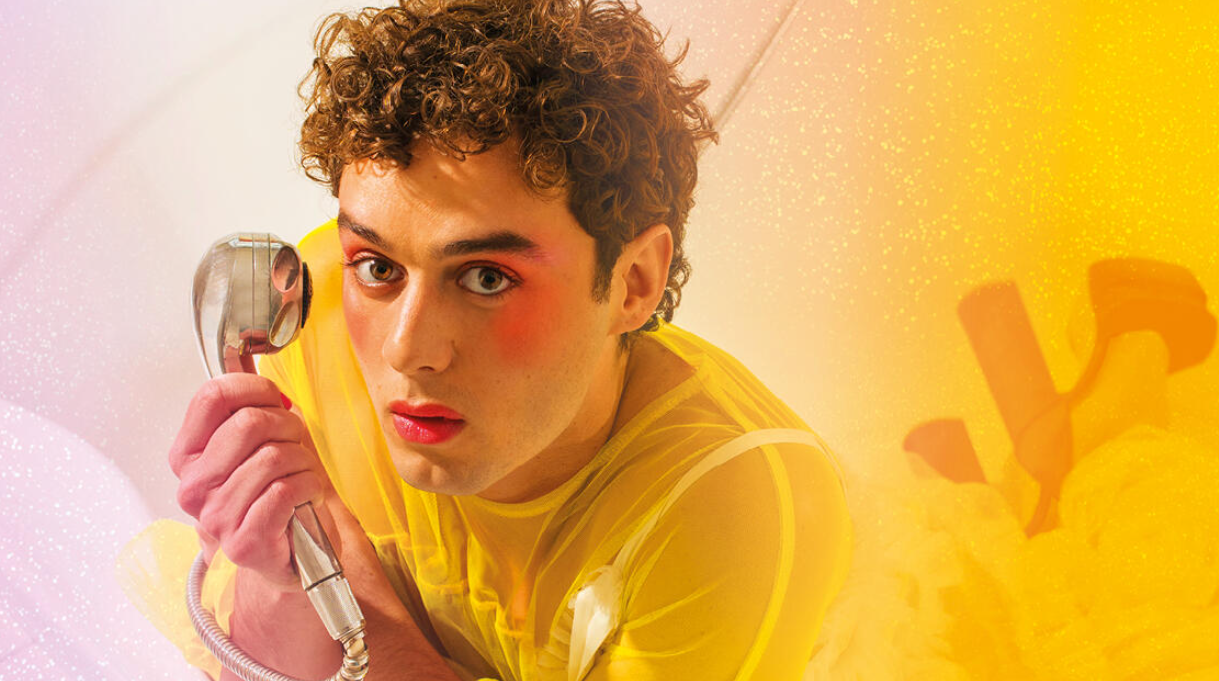
Performed as part of the Auckland Live Cabaret Festival
A chaotic and hilarious tale of a kept Sugar Baby. Theatrical, outrageous, silly and sexy, the company behind Daffodils returns with an award-winning cabaret about Sugar - a radiantly beautiful gender-fluid twink who discovers there’s money to be made from ‘transactional relationships.’ Perhaps after watching Pretty Woman one too many times… What could go wrong?
There are shows that ease you in gently, and then there is Sugar, which hits you like a glitter‑coated freight train the moment Tomáš Kantor steps into the light. This is cabaret that refuses to whisper. It is brash, brazen, chaotic, and deliberately overwhelming, the kind of performance that makes half the audience lean forward in delight while the other half instinctively braces for impact. Whether you adore it or find yourself clutching your pearls, Sugar never gives you the option of sitting comfortably.
At the centre of this neon‑soaked cyclone is Tomáš Kantor, who embodies the character of Sugar with a level of charisma that feels almost radioactive. They glide, strut, grind, and belt their way through a story that is equal parts fantasy, confession, and queer fever dream. Sugar is a self‑proclaimed genderqueer twink who decides that transactional relationships might be the quickest route to glamour, luxury, and the kind of validation that sparkles under hotel chandeliers. Inspired by Julia Roberts in Pretty Woman, Sugar sets out to rewrite the fairy tale in their own image. What unfolds is far messier, far funnier, and far more emotionally raw than any Hollywood script.
The show is loud. Not just in volume, but in personality. The lighting blasts the audience without warning, flipping from stage to seats so quickly that you feel like prey caught in a spotlight. Kantor uses this to their advantage, turning the crowd into part of the performance. No one is safe. A wink becomes a threat. A gesture becomes an invitation. A sudden shift in lighting becomes a dare. It is exhilarating for some, terrifying for others, and undeniably effective.
The set is deceptively simple: a palette of pinks, a clothing rack that doubles as a dressing room or a balcony of a hotel suite, and a suite of instruments, creating a stage for both music and mischief. The minimalism works. It allows Kantor to transform the space with nothing more than a costume change, props or a shift in posture. The design by Bianca Pardo is clever, playful, and perfectly aligned with the show’s lo‑fi, kitschy aesthetic.
Musically, Sugar is a pop‑driven sugar rush. The soundtrack pulls from queer icons and dance‑floor saints: Kylie, Gaga, Chappell Roan, Charli XCX, Lorde, Sugababes, Dua Lipa. Each song is reinterpreted with theatrical flair, becoming part of Sugar’s internal monologue. The manic pulse of Gaga becomes a moment of spiralling desire. The glittery optimism of Kylie becomes a fantasy of escape. The anxious thrum of Overload becomes a warning sign. These are not covers. They are emotional cues, woven into the storytelling with surprising precision.
Kantor’s musicianship is one of the show’s most impressive elements. They move between keyboard, cello, and piano with ease, shifting from sultry to frantic to heartbreakingly sincere. One moment, they are grinding on a cello. The next, they are pouring their heart out over piano chords. The next, they are belting a pop anthem with perfect control. It is a one‑person spectacle that feels like a full ensemble.
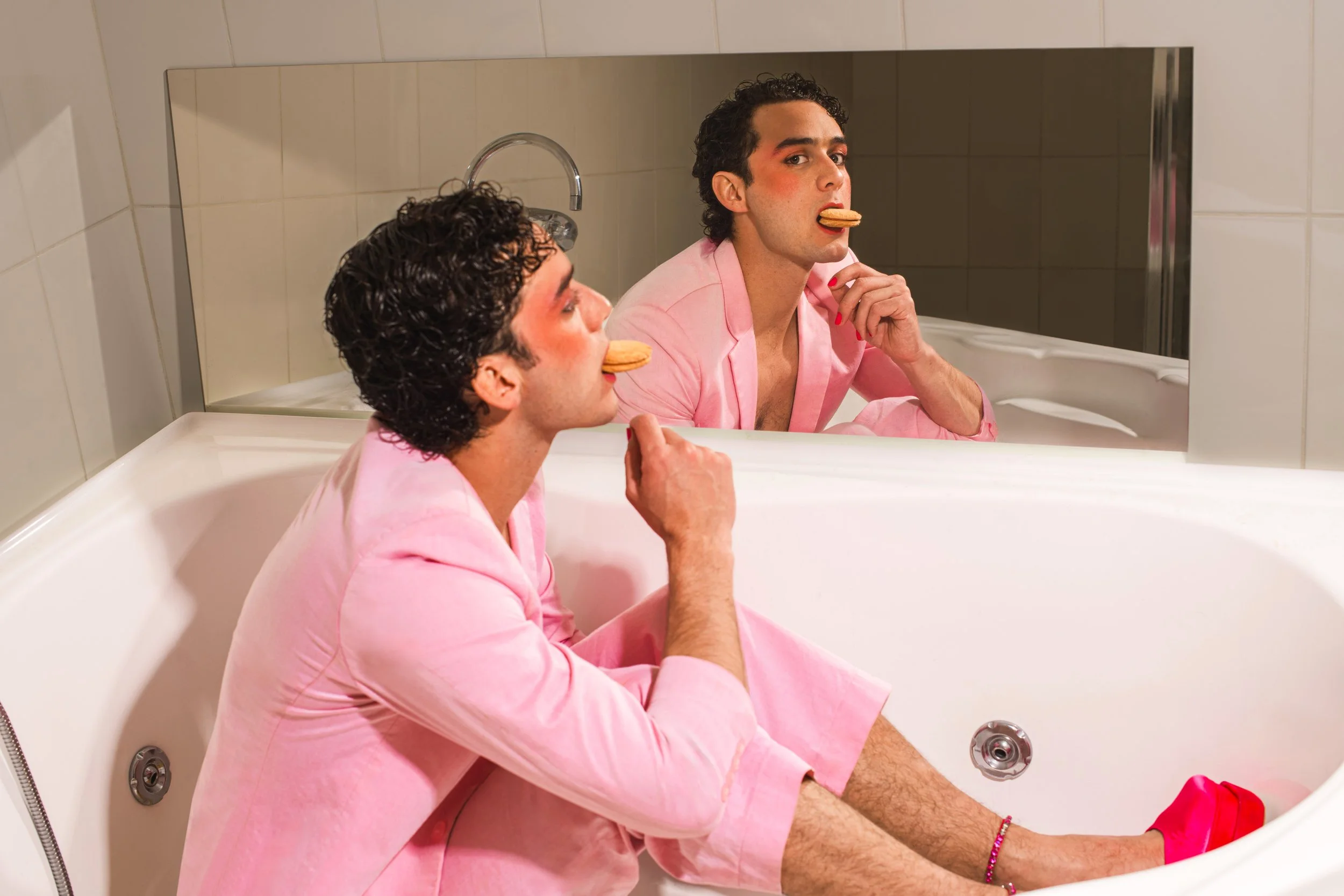
The narrative follows Sugar’s entanglement with Richard, a wealthy older man who promises luxury but delivers something far more complicated. The early scenes are sparkly and seductive, full of champagne‑bubble excitement. But the tone shifts as the cracks appear. Richard’s discomfort with Sugar’s identity, his transphobia, his desire to keep them hidden, all begin to erode the fantasy. The show never becomes preachy, but it does remain sharp (Kantor does strip away the glamour to bring up some sobering politics in their final statement of the night). It examines the cost of shrinking yourself to fit someone else’s comfort. It explores the power dynamics that emerge when intimacy and money collide. It asks what happens when the fairy tale becomes a trap.
Kantor handles these tonal shifts with remarkable agility. They can land a joke, pivot into a moment of vulnerability, and then snap back into flamboyant absurdity without losing the audience. Their comedic timing is razor‑sharp. Their emotional honesty is disarming. Their physicality is fearless. They are a performer who knows exactly how far to push, and then pushes further.
Audience participation is not optional. It is woven into the fabric of the show. Kantor prowls through the crowd, locking eyes, teasing reactions, pulling people into the chaos. Some audience members thrive on this. Others shrink into their seats. The divide is palpable. This is not a show for the timid. It is a show that demands engagement, whether enthusiastic or reluctant.
The intensity is relentless. The pacing is breathless. The energy never dips. For some, this is exhilarating. For others, it is overwhelming. By the end of the performance, the room feels split between those who leap to their feet in a standing ovation and those who quietly slip out, unsure of what they just witnessed. And that is exactly the point. Sugar is not designed to please everyone. It is designed to be itself, unapologetically.
What gives the show its emotional weight is the way it balances absurdity with sincerity. Beneath the glitter and chaos is a story about identity, dignity, and the desire to be seen. Sugar’s journey is not just about sex or money. It is about self‑preservation. It is about refusing to let someone else’s shame dim your light. It is about reclaiming your own narrative, even when it hurts.
The direction by Kitan Petkovski keeps the show tight and focused, even when the energy threatens to spill over. Ro Bright’s writing is sharp, funny, and unexpectedly tender. Rachel Lewindon’s musical direction ensures that every song lands with purpose. Spencer Herd’s lighting design amplifies the chaos without losing clarity. It is a team effort, even though Kantor is the only one on stage.
Sugar is polarising, and proudly so. It is loud, flamboyant, and confrontational. It is also clever, heartfelt, and musically impressive. It is a show that refuses to apologise for its queerness, its messiness, or its intensity. It is a show that will thrill some and overwhelm others. But it is never boring. It is never safe. And it is never forgettable.
Whether you walk out buzzing or bewildered, Sugar leaves a mark. It is a glitter bomb of a cabaret, detonated with precision and passion. And when the final note hits, the standing ovation is loud enough to drown out any doubt: this is a star‑making performance.
Part of the Auckland Live Cabaret Festival. Find tickets and event info here
R18 - Content explores queer and non‑binary lived experiences, including sex work, substance use and experiences of discrimination.
Review written by Alex Moulton
