
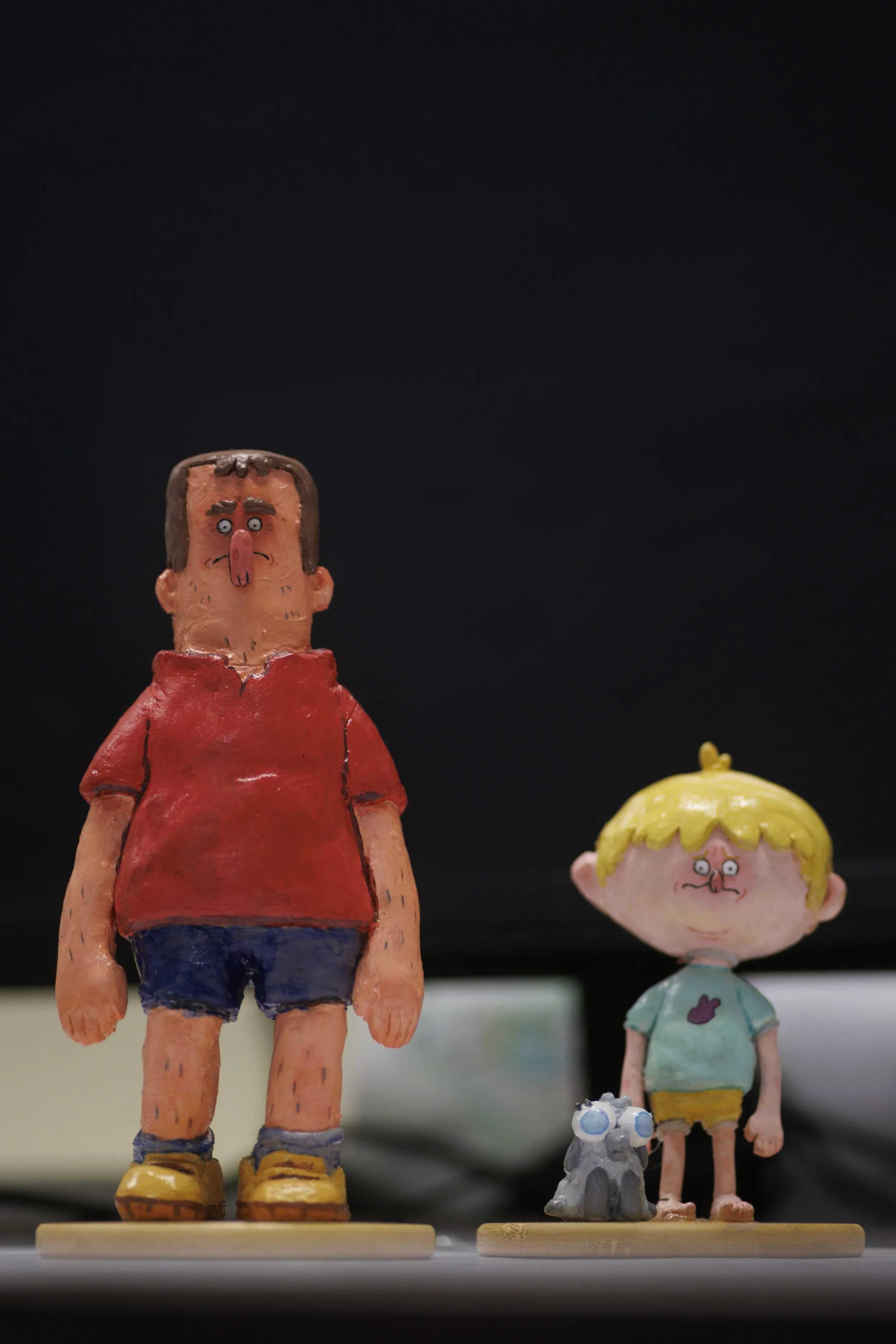
Ahead of this year’s Creative Tech Summit, we caught up with Wellington animator Charlie Faulks to discuss creativity, animation, and the evolving future of screen content. Best known as the creator of the animated web series Bloke of the Apocalypse, Charlie has built a diverse career across animation, character design, and digital media, with projects including the web series Trailer Trash, the educational app Brain Jams, and Ventura, a character created as part of an animation design course. Alongside his own creative work, Charlie continues to contribute to Wellington’s thriving animation industry as a professional animator.
The theme of the summit is "What's Next?" Looking back, what was the first step that actually mattered in getting Bloke of the Apocalypse off the ground? Tell us about the moment it stopped being an idea and became a project.
Charlie: I wanted to tell a story and it seemed that a rough version of Bloke of the Apocalypse was percolating in my subconscious. One night, during my second year at Massey, I was talking to my mate Jack (who ended up voicing the main character) about it. I suddenly felt like I needed to get this story out and began writing the pilot episode that night. It was a very sudden strike of inspiration and nine months later I had three episodes finished.
A lot of people have ideas for films, games, series or apps. What's the biggest difference between people who talk about an idea and people who actually make one?
Charlie: Passion. The people who bring projects to fruition are the ones who are thinking about it all the time. You need to be completely obsessed with it and ride through the times that are less glamorous. Push through those moments where you feel like the project isn’t what it was shaping up to be in your mind. Sometimes that project needs to be whole to live up to your initial expectations.
Was there a point where you seriously considered abandoning Bloke of the Apocalypse? What kept you going?
Charlie: Of course. So many times. I made three episodes over the course of nine months. Nine months can feel like a long time. The conceit of the project is very personal, and that was a big proponent for me. I felt like I really needed to tell this personal story, even if it wasn’t perfect. I think it was the only way I could metabolise relationships in my life or my connection to my hometown. This goofy 2D animated show became essential to me in a strange way.
What's a lesson you learned the hard way that you'd love emerging creators to learn the easy way?
Charlie: It’s a little boring, but I’d say navigating contracts. Because this industry is predominantly freelance/contract-to-contract, it can be very hard to get your head around as a young creative. I’ve been burned by contracts, and I still haven’t quite wrapped my arms around them. I hope I’ll figure it out one day. But for young people, get parents to read them; use the contacts you have. Get as many trusted eyes over your contracts as you can.
Looking back now, what did you completely misunderstand about running a creative project when you first started?
Charlie: The workload. Coming from a creative process that started and ended with me, I had no idea how to delegate. This meant that my workload for season one of Bloke of the Apocalypse was very unbalanced. I wanted to do everything. But by the end of that first season, I was incredibly burnt out and with season two on the way, I’m trusting my wonderful collaborators with more responsibility.
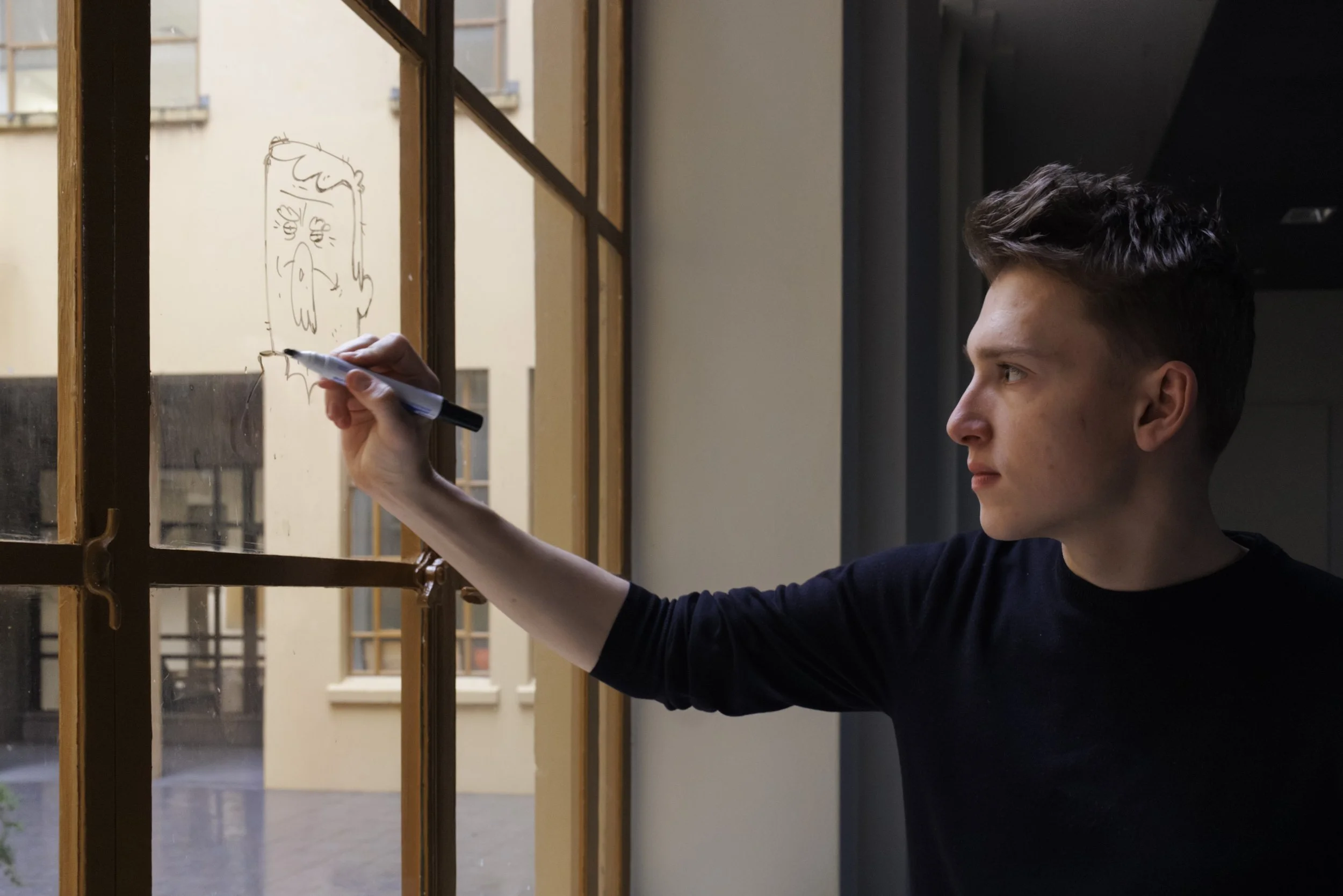
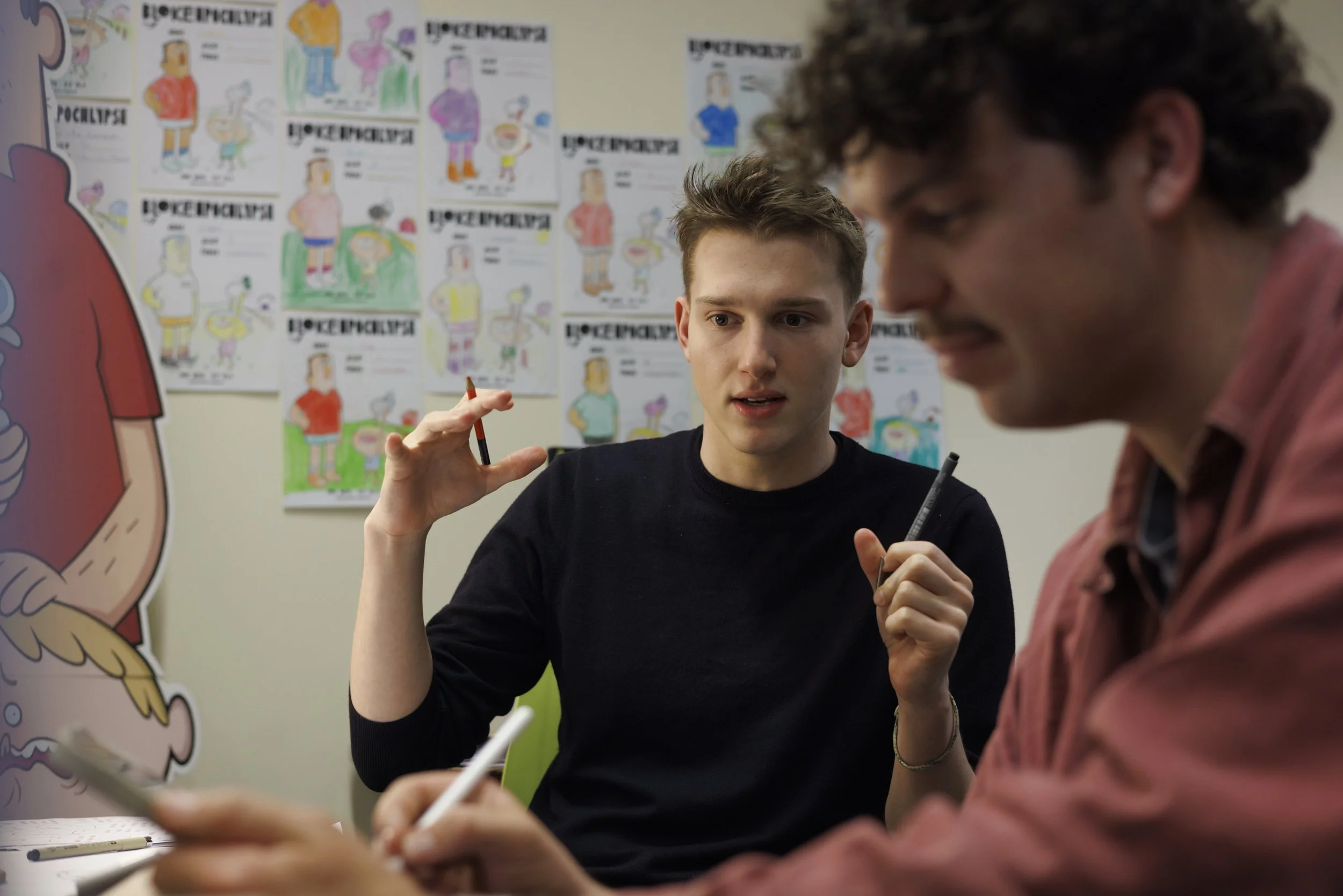
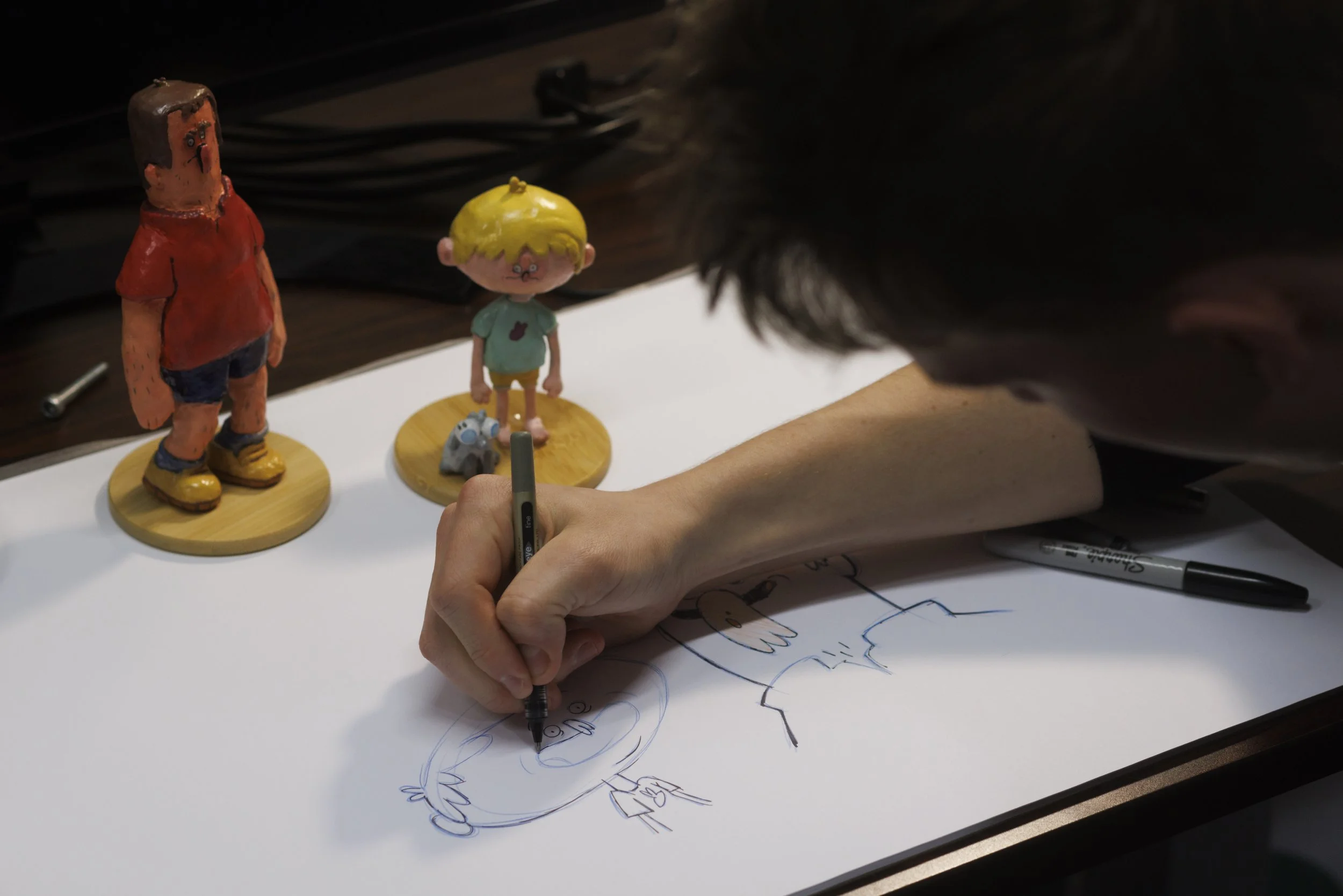
Wellington has a reputation for being a city where creative people can meet each other quite easily. How important have those relationships been compared with technology or funding?
Charlie: The relationships I’ve formed since coming to Wellington have been essential. I wouldn’t be working if I didn’t meet certain people. It’s such a close-knit industry here. I’m very comfy in the Wellington creative scene - it’s lovely. Especially in animation, where I think there are no egos or hierarchy; everyone is very welcoming and passionate.
What opportunities exist for aspiring creators in Wellington today that didn't exist when you were getting started?
Charlie: I’m still getting started, so I’d love to know... for a friend.
What's something Wellington's creative sector does exceptionally well, and what's something we still need to improve?
Charlie: The breadth of talent within the community. It’s amazing to see the unique sensibilities of the city shine through everyone’s work. Selfishly, I just want more projects happening all of the time. I want to see more films shot in Wellington, books written here and TV show productions calling Wellington home.
Everyone is talking about new creative technologies and AI. What's one technological development that genuinely excites you, and one that people might be overestimating?
Charlie: I’m not sure I’m excited about any. It all feels a little like the sky is falling. In terms of my process, I feel like I can already do everything I do with the amount of agency that I want. Which is all of the agency. I can’t imagine creating something and not having the autonomy to make decisions. A work of art, whatever form it may be in, is special because it’s a product of many human decisions. Decisions that are swayed by human emotions. I would never want to strip away any of that stuff. I side-eye the ‘artists’ who incorporate any artificial generation into their ‘work’. It all feels very suffocating, and I don’t like thinking about it.
The barriers to creating content have never been lower. Has that democratised creativity, or just made it harder to get noticed?
Charlie: A little bit of both, maybe. It’s never a bad thing to make creativity as accessible as possible because you get to see things that are unvarnished and unique from all sorts of perspectives. But something like YouTube just isn’t the indie promise that it once felt like it would be. The type of content (I hate that word) that ‘wins’ the algorithm is expensive sludge pumped out by studios. It’s a double-edged sword, but it’s nice when I can corral myself to think about a project of mine not as a fixture of the infinite sewer drain that is the internet.
What's the smallest project a new creator could make today that would teach them the most?
Charlie: Something personal to you. No matter the form, taking an aspect of your life, people you know or something you’re struggling with and funnelling that familiarity into a thing can really accelerate the emotion.
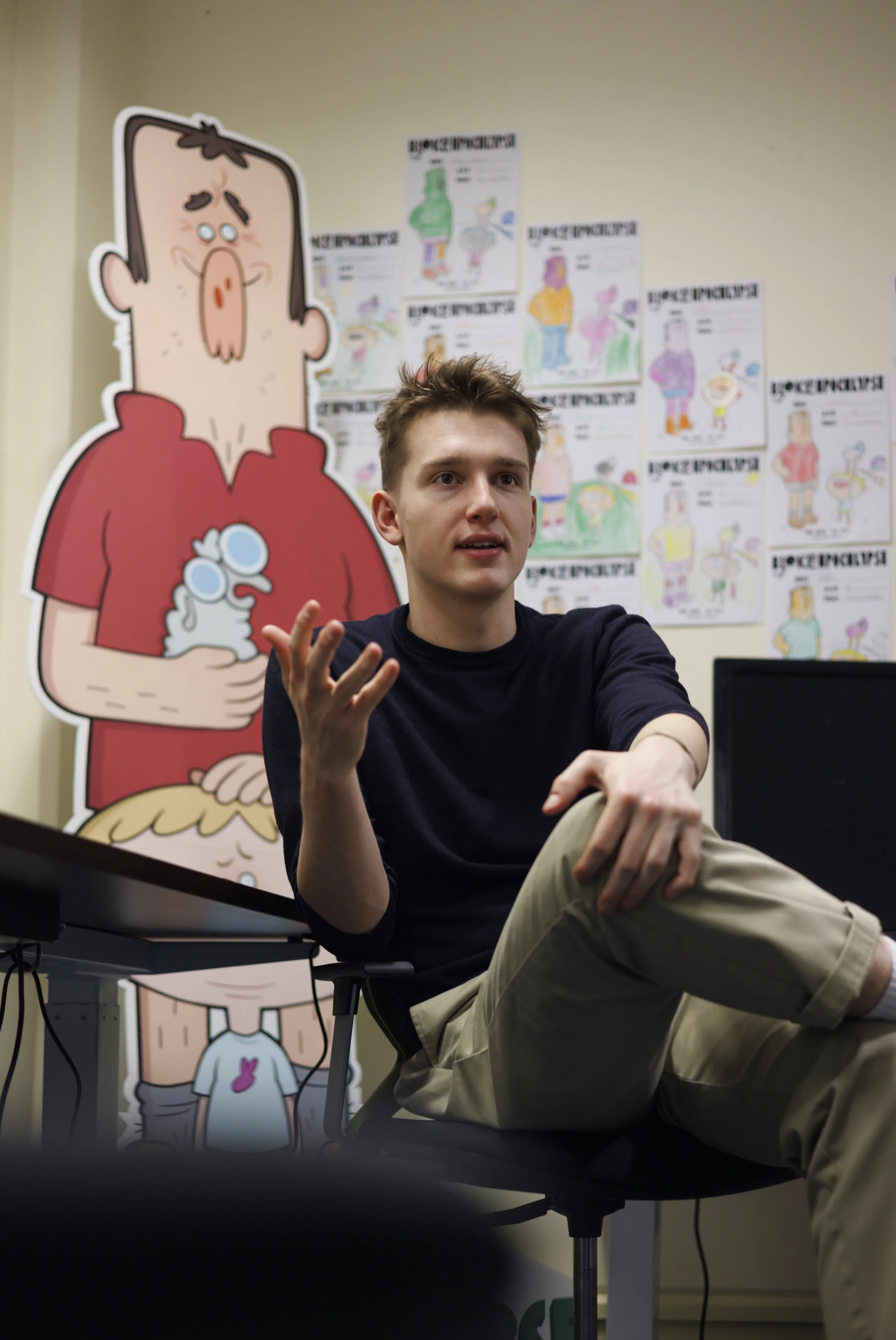
What skill has been most valuable in your career that wasn't animation?
Charlie: Writing. My journey started in drawing before evolving into all flavours of storytelling. The biggest shift in the way I internalised stories was my blossoming interest in writing. I liked creative writing in school but never realised how fundamental it is in filmmaking. So this obsession began when I was reading the scripts of the movies and television I loved and started writing my own. A script (in any format) is the blueprint to a lot of things I make, no matter how small.
What's a piece of advice you've received that turned out to be completely wrong?
Charlie: I’m not sure I have a piece of advice specifically. But I remember being called a daydreamer a lot by my family as a kid. Now that I'm a little older, I’ve realised that being a daydreamer is part and parcel of creating, and so I’ve made amends with it. Be a proud daydreamer.
Five years from now, what do you hope people are saying about New Zealand's creative tech sector that they aren't saying today?
Charlie: Probably “Wow, animation is so valuable! Let’s fund more of it!”.
Charlie is one of the featured speakers at Screen Wellington’s Creative Tech Summit, presented in partnership with Creative HQ and Massey University. The summit brings together local and international leaders from across the screen, gaming, and entertainment sectors to explore the ideas, technologies, and creative practices shaping the future of the industry. As Wellington continues to build on its reputation as a UNESCO Creative City of Film and navigates the screen sector’s ongoing recovery from the impacts of Covid-19, events like the Creative Tech Summit play an important role in fostering collaboration, innovation, and knowledge-sharing across the creative community. Before he takes the stage, we spoke with Charlie about his career journey, the challenges and opportunities facing animation today, and what audiences can expect from his session at this year’s event.
