Dance For Your Life (2026)
Screening as part of Doc Edge 2026
An intimate portrait into the highly competitive world of the commercial back-up dancer where chances are few, and your best friends are your competition. Brent Street, Australia’s leading commercial dance schools, is offered a once-in-a-lifetime opportunity to send ten of its best dancers, past and present, to London to audition for international dance company, Shapehaus Dance Theatre, led by renowned dancer and choreographer, Dean Lee. Who will make the cut?
There is a particular kind of intensity that only exists in the world of competitive dance. It is the mix of ambition, exhaustion, fear, and hope that sits behind every rehearsal room door. Dance For Your Life attempts to capture that world, following ten young dancers from Sydney’s Brent Street School as they chase an opportunity that could change the trajectory of their careers. The result is a documentary that is both emotionally gripping and structurally familiar, a portrait of talent shaped by pressure and dreams shaped by sacrifice.
The premise is simple. A group of dancers are selected to travel to London for a week‑long intensive with Shapehaus Dance Theatre, led by renowned choreographer Dean Lee. At the end of the week, one dancer will be offered a contract. The stakes are clear. The path is narrow. The competition is fierce. But the film is less interested in the mechanics of the selection process and more invested in the emotional journeys of the dancers who make it to the final round.
The documentary begins by introducing the dancers through a series of personal vignettes. Each story is carefully curated. There is the dancer who struggles with body image. The refugee who found belonging through movement. The small‑town boy who was bullied for choosing dance over sport. These narratives are familiar to anyone who has watched reality‑competition formats, and the film leans heavily into them. For some viewers, this will feel predictable. For others, it will provide a necessary emotional anchor. The dancers are not just competitors. They are young people carrying insecurities, traumas, and hopes that shape every step they take.
The pacing in the early section is brisk. The film moves from hundreds of auditioning dancers to the final ten within minutes. For those unfamiliar with Brent Street’s television series, this compression may feel abrupt. The documentary does not linger on the selection process. It does not show the choreography that earned each dancer their place. It does not build tension around who will make the cut. Instead, it jumps quickly to the core group, signalling that the emotional arc matters more than the competitive structure.
Once the dancers arrive in London, the film finds its rhythm. The energy shifts. The stakes feel real. Dean Lee enters the frame with a presence that is both nurturing and uncompromising. His reputation precedes him. He has worked with global icons, including Kylie Minogue and Janet Jackson, and his expectations are high. Watching him build a showcase in a single week is one of the documentary’s most compelling elements. His choreography is demanding, intricate, and emotionally charged. The dancers are pushed to their limits, physically and mentally.
The camera work during rehearsals is impressive. It captures the precision of the dancers’ movements without resorting to over‑polished effects. There is no CGI gloss. No artificial enhancement. The film relies on the raw skill of the performers, allowing their bodies to tell the story. The choreography is staggering at times, revealing the kind of discipline that can only be achieved through years of training. The dancers move with a combination of athleticism and artistry that is captivating to watch.
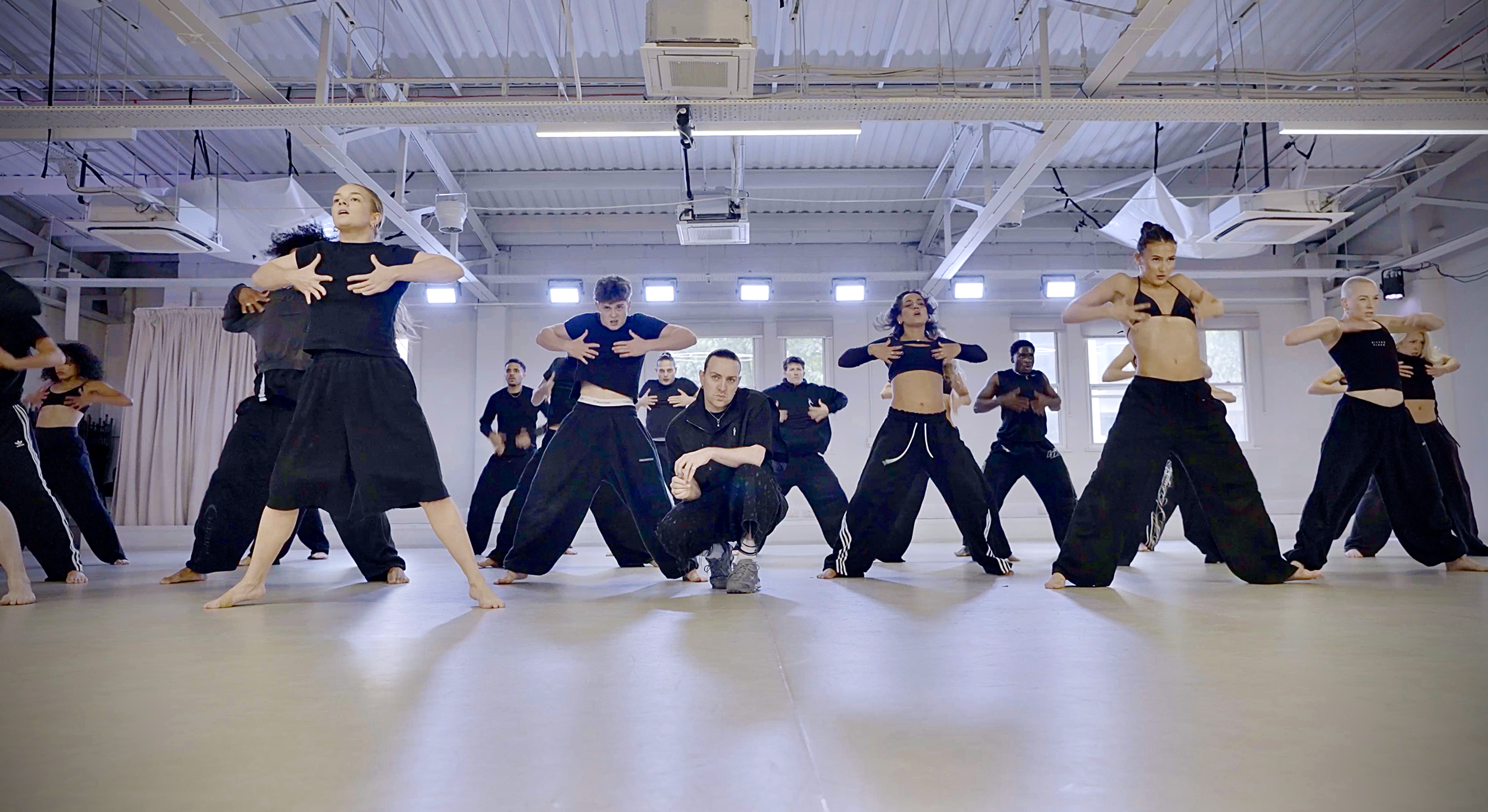
Yet the documentary’s focus remains firmly on the dancers’ internal struggles. It explores their fears, their doubts, their longing for validation. It shows the toll of constant comparison. It reveals the emotional cost of chasing a dream that only a handful of people ever achieve. The film’s strength lies in its ability to humanise the dancers without reducing them to tropes. Their vulnerability feels genuine. Their ambition feels urgent.
There are moments where the documentary’s structure works against it. The competition format is clear, but the film does not build suspense around who will win. It becomes obvious early on which dancers the narrative is invested in. The editing choices make it clear who will travel to London and who will be positioned as contenders. This lack of tension may frustrate viewers who expect a more traditional arc. But it also allows the film to focus on the emotional stakes rather than the competitive ones.
The behind‑the‑scenes glimpses into the commercial dance industry are among the film’s most valuable contributions. It shows the gruelling nature of professional dance. The long hours. The physical strain. The constant need to prove oneself. It reveals the sacrifices required to succeed, from financial strain to emotional burnout. The dancers speak candidly about their fears of failure, their desire to make their families proud, and their determination to keep going even when the path feels impossible.
The London sequences are the documentary’s highlight. The dancers are pushed to exhaustion. They rehearse until their bodies shake. They confront personal limitations. They learn to adapt to Dean Lee’s demanding style. The showcase becomes a crucible, revealing who can withstand the pressure and who begins to crack. The film does not sensationalise these moments. It presents them with honesty, allowing viewers to feel the weight of the dancers’ experiences.
The emotional depth of the documentary is undeniable. There are scenes where dancers break down, overwhelmed by the intensity of the process. There are moments of triumph, where a dancer finally nails a sequence after hours of struggle. There are quiet conversations about identity, belonging, and the desire to be seen. These moments elevate the film beyond its familiar structure.
The documentary’s final act focuses on the culmination of the intensive. The dancers perform the showcase, each giving everything they have left. The choreography is complex and demanding. The performances are breathtaking. The camera captures every detail, from trembling hands to explosive leaps. The emotional stakes are palpable. The dancers know that this moment could define their future.
The film ends with the announcement of the contract recipient. The moment is emotional, but the documentary does not linger on it. Instead, it shifts focus to the broader message: that dance is not just a profession. It is a calling. It is a way of life. It is a form of expression that requires resilience, dedication, and an unwavering belief in oneself.
Dance For Your Life may not reinvent the documentary format, but it succeeds in capturing the intensity, talent, and emotional complexity of competitive dance. It is a testament to the dancers who give everything for their craft and a reminder of the human stories behind every performance.
Screening as part of Doc Edge 2026. Check out the films and screenings here
Review written by Alex Moulton
