Drawn Together (2026)
Marfil, daughter of a powerful Spanish businessman, sees her life in New York turned upside down when she is kidnapped and released without explanation. Her father hires Sebastián Moore as her bodyguard and, forced to spend every minute together, an inevitable attraction ignites between them in a world where nothing is as it seems. Based on the novel by Mercedes Ron, author of the Culpables saga.
Drawn Together opens with the pulse of a high‑stakes thriller, pulling viewers into a world of danger, surveillance, and seductive tension long before the romance begins to take shape. Prime Video’s latest Spanish‑language romantic thriller blends glossy melodrama with espionage‑tinged suspense, adapting Mercedes Ron’s bestselling duology with a confident sense of style. It is part one of a two‑film saga, shot back‑to‑back with its sequel, and that structure shapes the entire experience. The story builds steadily, then cuts away at a cliffhanger, leaving viewers suspended in anticipation. It is a choice that will frustrate some and thrill others, but it certainly ensures conversation.
At the centre of the film is Marfil Cortés, played by Ester Expósito, who brings elegance, vulnerability, and youthful defiance to the role. Marfil is the daughter of a powerful Spanish businessman, living alone in a lavish New York apartment overlooking Central Park. She is an aspiring ballerina with a carefully curated life until the film’s opening shock disrupts everything. Her sudden kidnapping, followed by an equally sudden release, shatters her sense of security. Her father responds by hiring Sebastian Moore, played by Hugo Diego García, as her full‑time bodyguard.
The setup is classic romantic‑thriller territory. Marfil is fiercely independent, while Sebastian is stoic, disciplined, and built like someone who trains for a living. Their dynamic begins with friction, then shifts into curiosity, then into something more charged. The film leans into the sensual tension between them, creating a tone that is sexy, vaguely threatening, and intensely romantic. Though García takes a while to warm into the story, Expósito and García are striking together, both possessing the kind of screen presence that makes even their smallest interactions feel loaded.

The film plays with the audience’s perspective. Marfil sees Sebastian as a single protector, but viewers know he is part of a larger surveillance team stationed in the apartment above her. Every room is monitored. Every movement is tracked. This secret adds a layer of unease to the romance, complicating Sebastian’s sense of duty and raising questions about trust. It is a clever device that keeps the thriller elements simmering beneath the surface.
The narrative structure is simple. The first act introduces the characters and their awkward proximity. The second act builds the romantic tension, allowing the chemistry to deepen. The third act shifts gears entirely, diving into action sequences, chase scenes, and bursts of violence that feel like they belong to a different film. This tonal shift is bold, but also uneven. The romance is pushed aside to make room for espionage and danger, and while the action is well executed, the transition can feel abrupt.
The film’s visual identity is split between two distinct moods. The romantic moments are bathed in warm yellows and soft oranges, giving Marfil’s world a glowing, intimate quality. In contrast, the thriller sequences and backstory elements rely on the anamorphic lenses to create a wider, more dramatic frame that feels sharper and more imposing. This separation gives the film a dual texture, allowing the softer emotional beats and the darker suspense to coexist without blending into one another.
Director Óscar Pedraza insists on practical locations, and it pays off. The New York sequences, shot across Times Square and Central Park, give the film a grounded sense of place. The Madrid locations add contrast, shifting the story into a world of European wealth and shadowy threats. The decision to avoid green screens lends weight to the action, making the chase scenes and confrontations feel more tactile.

The action itself is impressive. Stunt coordinator Ricardo Rocca designs combat sequences that are sharp, fast, and visually engaging. The film’s thriller elements escalate quickly, and while they occasionally overshadow the romance, they are executed with skill. The espionage storyline introduces misdirection, red herrings, and layers of deception. There are not many players involved, which makes the twists somewhat predictable, but the film compensates by throwing curveballs at regular intervals.
The romance is equally central. Expósito and García embody the arrogance and cockiness of youth, making their characters initially difficult to like. Yet their chemistry is undeniable. The film wastes no time finding excuses to bring them physically closer, leaning into the genre’s steamy expectations. The tension is built through glances, proximity, and the slow erosion of emotional walls. It is not subtle, but it is effective.
The screenplay, written by Sofía Cuenca with input from Mercedes Ron, stays close to the spirit of the novels. It balances melodrama with thriller beats, though some dialogue in the early scenes feels blunt. The first act is the weakest, relying on forced interactions to push the characters together. Once the second act begins, the film finds its rhythm. The emotional stakes rise, the chemistry sharpens, and the thriller elements begin to creep in. By the time the third act arrives, the film has transformed into something more explosive.
The tonal inconsistency is noticeable. The shift from romance to action is dramatic, and some viewers may feel the film loses sight of its emotional core. Yet others will appreciate the ambition. The film wants to be both a love story and a high‑stakes thriller, and while it does not always blend these elements seamlessly, it commits fully to both.
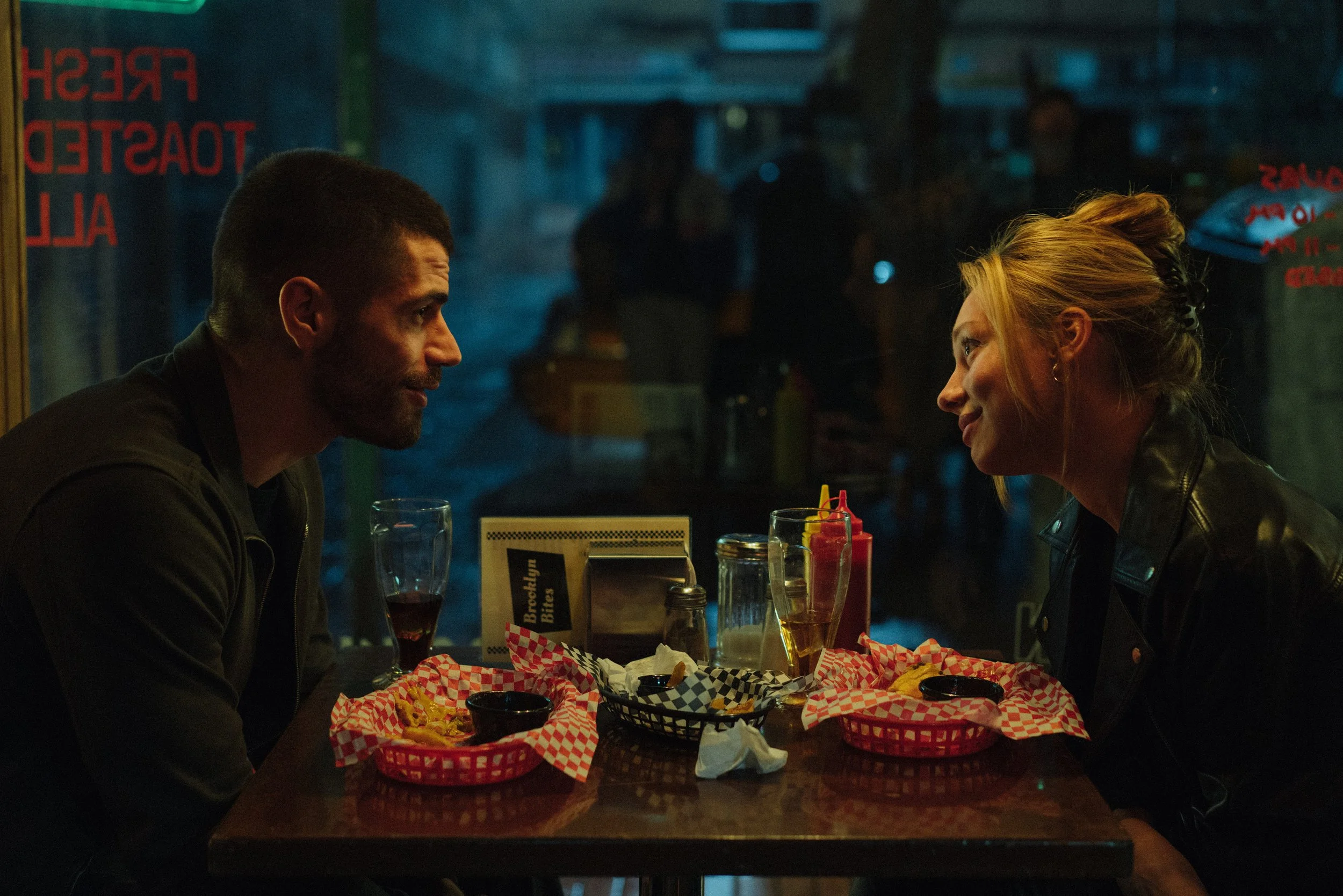
The performances anchor the film. Expósito brings depth to Marfil, portraying her as more than a wealthy heiress. She is passionate, stubborn, and determined to reclaim control of her life. García plays Sebastian with restraint, allowing small cracks of vulnerability to appear. Their dynamic is the film’s heartbeat, even when the plot becomes chaotic.
The cliffhanger ending is unavoidable, given the duology structure. It arrives suddenly, without resolution, and will divide audiences. Some will feel frustrated by the lack of closure. Others will be eager for the sequel. The film makes no attempt to hide that it is only half the story.
Altogether, Drawn Together is a stylish, sensual romantic thriller that blends danger and desire with glossy production values. It is imperfect, occasionally uneven, and undeniably entertaining. It offers steamy chemistry, high‑society intrigue, and bursts of action that keep the energy high. For fans of Mercedes Ron’s work, it is a confident adaptation. For newcomers, it is a compelling introduction to a world where romance and danger collide.
Drawn Together streams globally from Wednesday 9 September on Prime Video
Review written by Alex Moulton
