Heart of the Beast (2026)
After surviving a plane crash, a former special forces soldier finds himself trapped in the unforgiving Alaskan wilderness with his combat dog. Together, they battle the elements and other animals in a harsh landscape that would likely kill any other man or dog.
Heart of the Beast is a stripped-back survival thriller that places its entire emotional weight on two performers. Brad Pitt as James Belmont, a former Special Forces officer, and Uber, a real mountain rescue dog who plays Odin. Their bond is the film’s centre, and the story works best when it focuses on the quiet, instinctive communication between man and dog. It is a film built on restraint, physicality, and a grounded sense of companionship that feels genuine rather than sentimental.
The premise is simple. After a crash leaves Belmont and Odin stranded deep in the Alaskan wilderness, they must navigate harsh terrain, unpredictable weather, and the psychological weight of their shared past. The film avoids melodrama, choosing instead to let the environment and the silence between the two characters carry the emotional load. Pitt plays Belmont with a weary determination, and Uber’s performance is expressive in ways that never feel forced. Their connection is believable, and the film’s strongest moments come from small gestures, glances, and the unspoken loyalty between them.
Although the story is set in Alaska, the entire film was shot across the South Island of New Zealand. The landscapes are immediately recognisable to anyone familiar with Queenstown, Glenorchy, Milford Sound, Fiordland National Park, Mt Aspiring National Park, and Lake Wakatipu. The film uses these locations to create a sense of vastness and isolation. Towering cliffs, dense forests, icy rivers, and sweeping valleys give the narrative a rugged authenticity. The cinematography captures the cold in a way that feels tactile. Snow clings to clothing. Breath hangs in the air. Water looks genuinely freezing. The physical environment becomes a character in its own right.
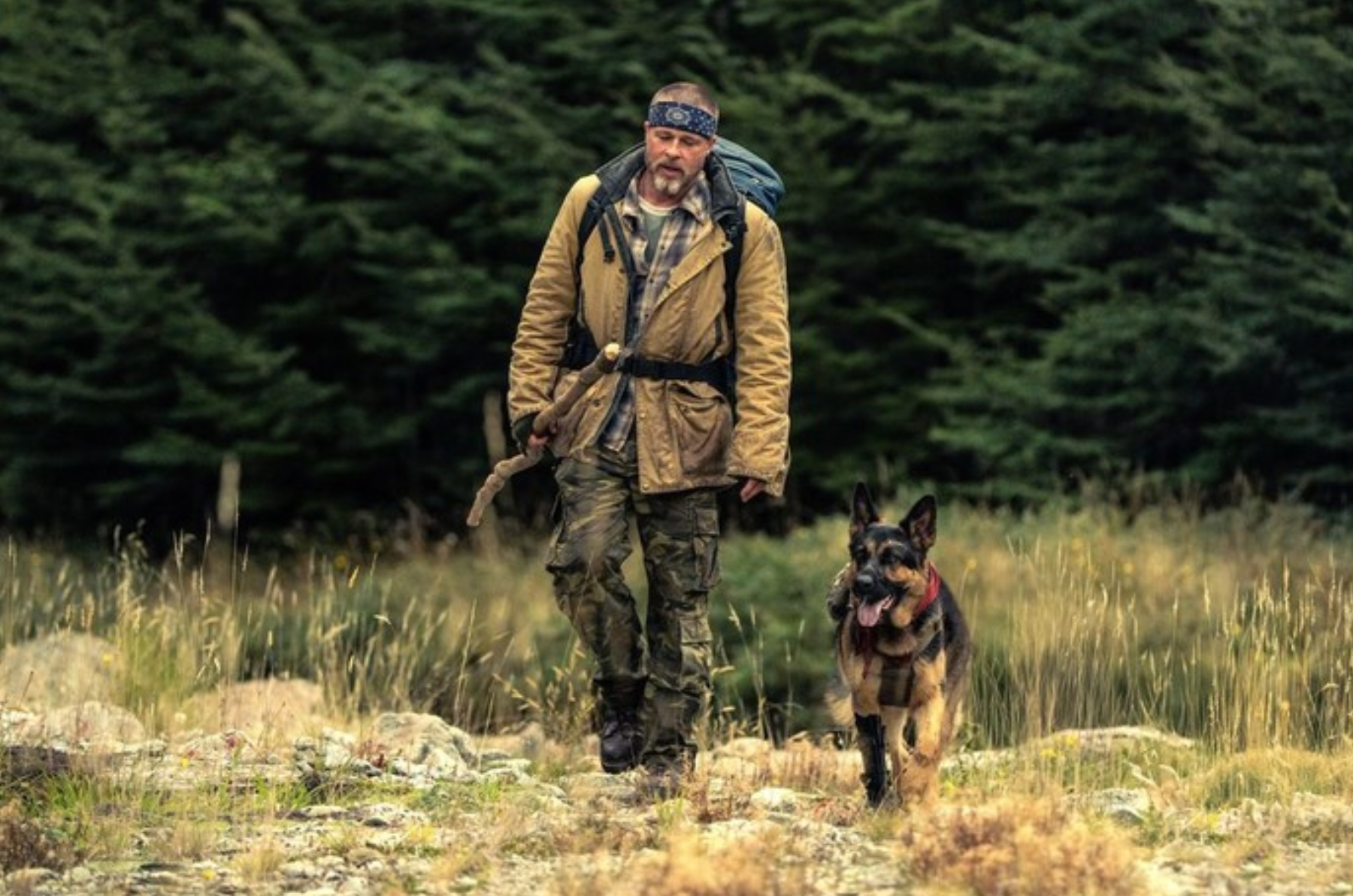
Director David Ayer places focus on practical elements, avoiding an overuse of green screen. The film feels grounded because the terrain looks real, the weather looks real, and the physical strain on the characters looks real. The production design is intentionally minimal. There are no elaborate sets or stylised backdrops. The wilderness is the stage, and the camera stays close to Belmont and Odin as they move through it. This simplicity gives the film a raw, old‑school survival feel that suits its emotional tone.
The wildlife encounters are where digital effects become noticeable. Bears and wolf packs appear throughout the journey, rendered with impressive detail and integrated into the environment with care. The creatures move with weight and menace, and the danger they present feels immediate. However, there is a slight flatness to the VFX that makes it clear these animals are digital creations. They are close to real, but not seamless. Even so, the integration is strong enough that the tension of the scenes remains intact.
The environment itself has been digitally adjusted to match the Alaskan setting, with New Zealand flora replaced with Alaskan vegetation. These changes are subtle and do not distract from the natural beauty of the landscapes. The film maintains a consistent visual identity, blending practical cinematography with digital enhancements in a way that feels cohesive.
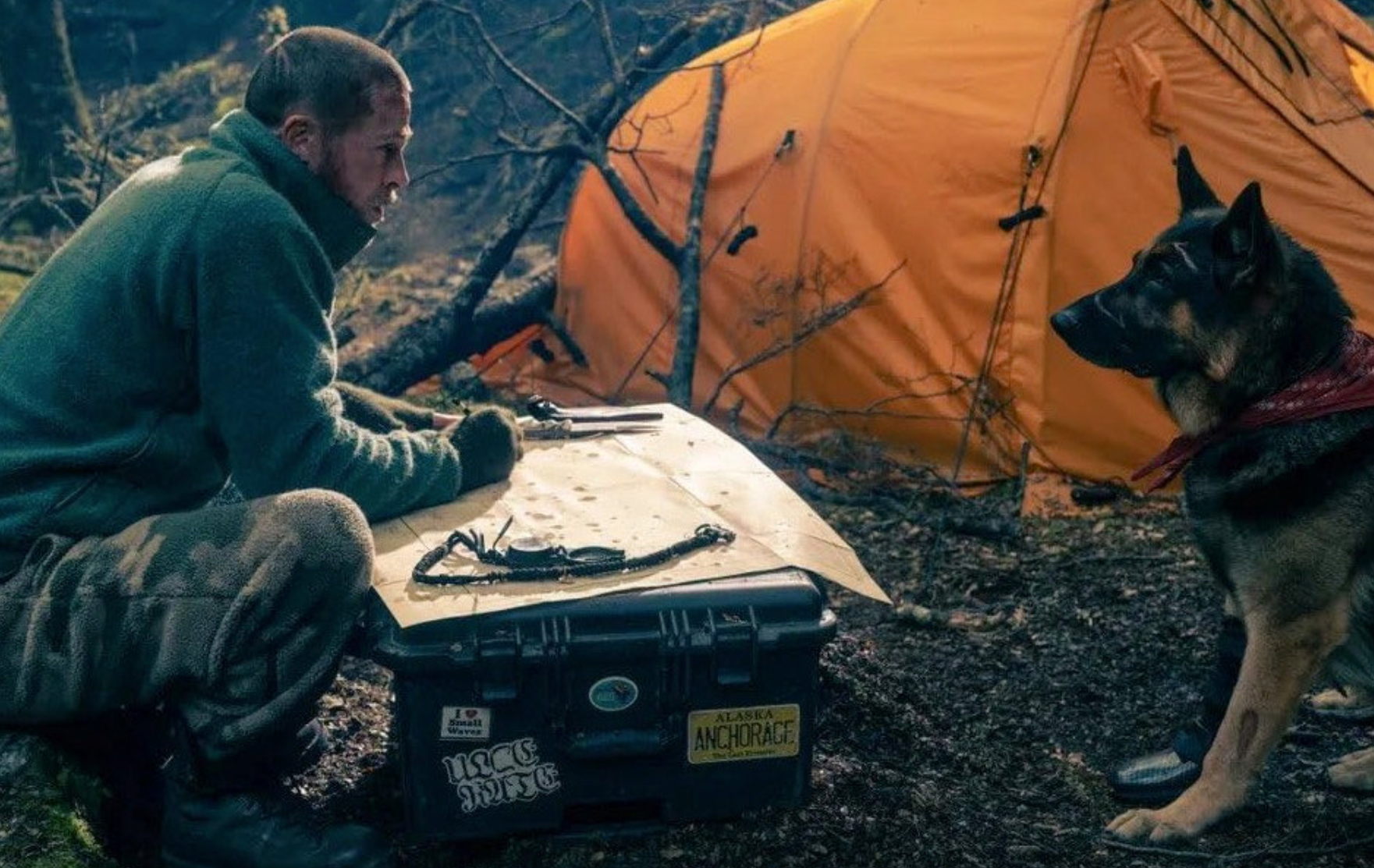
The screenplay by Cameron Alexander is original, but it draws heavily from real military experiences. The bond between Belmont and Odin reflects the relationships formed between soldiers and tactical K9 units. Their shared history is conveyed through behaviour rather than exposition. Belmont’s trauma is portrayed with restraint, and Odin’s reactions hint at his own emotional scars. The survival trek becomes a backdrop for both characters to confront their past. The film’s psychological focus gives it depth, even when the external stakes feel familiar.
The pacing is surprisingly fast. Despite being a two-hour film about two beings trudging through the wilderness for days, the narrative moves quickly. New challenges appear frequently, and the film relies heavily on wildlife encounters to maintain tension. The health implications of the journey are present, but the timeline is not clearly defined, and Belmont and Odin never seem to struggle with water or food. This lack of resource scarcity softens the survival stakes, making the trek feel slightly less dire than expected. The film compensates with emotional beats, but the physical danger does not always feel as sharp as the genre typically demands.
The psychological elements are more effective. Belmont’s PTSD is portrayed with subtlety, avoiding dramatic breakdowns. Odin’s behaviour reflects his own trauma, and their shared silence becomes a form of communication. The film is not interested in explosive emotional moments. It is interested in the quiet, painful ones. This approach gives the narrative a grounded emotional core, even when the external stakes feel familiar.
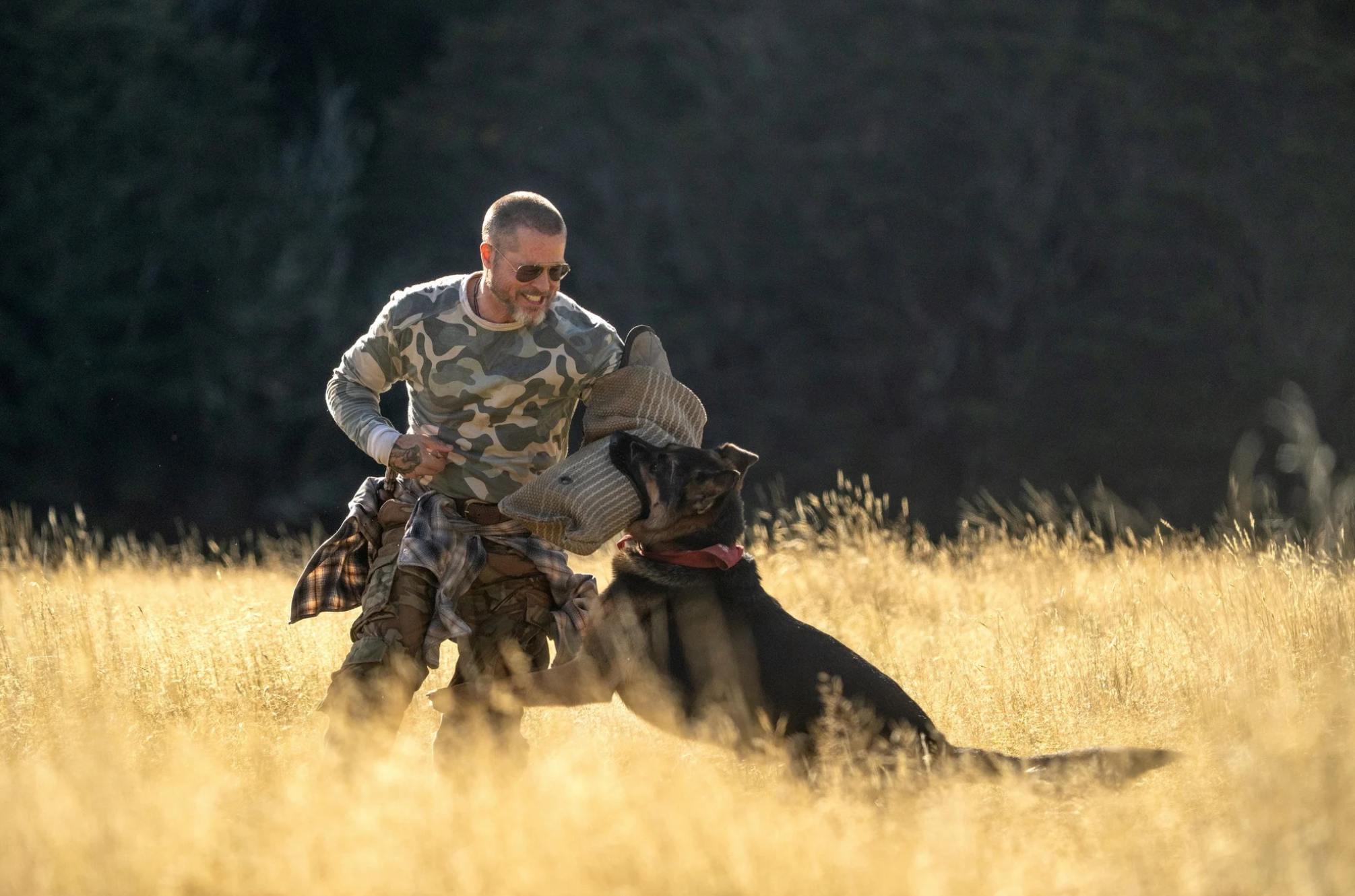
Brad Pitt delivers a strong performance. He plays Belmont with a sense of exhaustion that feels lived-in. His fear is understated, his determination is believable, and his bond with Odin feels authentic. Uber’s performance is equally compelling. The dog’s reactions, hesitations, and moments of loyalty are captured with sensitivity. The film never forces sentimentality. Their connection feels earned.
The final act is where the emotional turbulence intensifies. The film builds toward a conclusion that is more affecting than the journey that precedes it, and the last scenes deliver the emotional weight that the earlier sections hint towards. It is not manipulative. It is a natural culmination of the quiet emotional threads woven throughout the film.
All in all, Heart of the Beast is a thoughtful, restrained survival thriller that prioritises emotional authenticity over spectacle. It is not the most intense film in the genre, and it does not reinvent wilderness storytelling. But it is sincere, well-crafted, and anchored by a compelling bond between man and dog. The landscapes are breathtaking, the physicality is impressive, and the emotional core is genuine. It is a film that understands the quiet power of companionship in the face of overwhelming odds.
In NZ cinemas from September 24, 2026. Find your nearest screening here
Review written by Alex Moulton
