Revolution’s Daughter (2025)
Screening as part of Doc Edge 2026
Alina Fernández grew up in Havana not knowing she was Fidel Castro’s daughter, an open secret kept from her alone. Years before escaping Cuba and rebuilding her life in Miami, she made a choice that would define her: to speak out, and to keep speaking out. She calls it the only thing she ever really did, the one act she refused to shrink from. The film weaves Alina’s defiance into the broader fabric of Miami’s Cuban exile community, where artists and storytellers across generations carry the inheritance of revolution in their own ways, exploring identity, belonging, and what it costs to use your voice when silence would be easier.
There is a particular kind of silence that surrounds exile. It is not the absence of sound, but the presence of something unresolved, a hum beneath the surface that never quite fades. Revolution’s Daughter steps directly into that hum and listens. What emerges is a documentary that is as much about memory as it is about politics, as much about identity as it is about history, and as much about one woman’s defiance as it is about a community that has spent decades suspended between longing and loss.
At the centre of the film is Alina Fernández, the daughter Fidel Castro kept hidden in plain sight. She grew up in Havana surrounded by whispers she was never meant to hear, the truth of her parentage treated as an open secret that somehow excluded her. When she finally learned who her father was, the revelation did not bring clarity. It brought fracture. Years later, after escaping Cuba under a forged identity, she began speaking publicly about her life. She calls it the only thing she ever truly did, the one act she refused to abandon. The film takes that act of speaking and expands it into a larger tapestry of voices.
The documentary situates Alina within Miami’s Cuban exile community, a place where the past is not past at all. It lives in kitchens, in music, in the cadence of conversations, in the art created by those who left but never fully arrived. The film weaves together interviews with artists, writers, musicians, and former political prisoners, each carrying their own version of Cuba inside them. Their stories are not identical, but they rhyme. They speak of fear, of hope, of anger, of pride, of the strange ache of loving a home that no longer exists.
Among these voices are figures like Gloria Estefan, Nilo Cruz, and José Bedia, whose reflections add texture to the film’s emotional landscape. They speak not only of repression, but of the cultural richness that survived despite it. Their presence underscores the idea that exile is not just a political condition. It is an artistic one. It shapes the way people create, remember, and imagine.
The documentary does not attempt to retell the Cuban Revolution. It assumes the audience knows the broad strokes, or at least understands that the revolution’s promise curdled into something far more complicated. Instead, the film focuses on the aftermath, on the generations who inherited the consequences. It examines the cost of a revolution that never ended, a revolution that stretched across nearly seventy years and reshaped every aspect of Cuban life. One interviewee remarks that no revolution should last that long, that if the French had attempted such a thing, no one in France would still have a head. It is a dark joke, but it lands with the weight of truth.
The film also acknowledges the present. Cuba is in crisis. Blackouts last for days. Food shortages are widespread. Emigration has reached levels not seen in decades. The protests of July 2021 were a rare eruption of public dissent, and the world watched for a moment before something else stole its attention. Revolution’s Daughter pulls the focus back. It connects the past to the present, showing how the wounds of one generation become the burdens of the next.
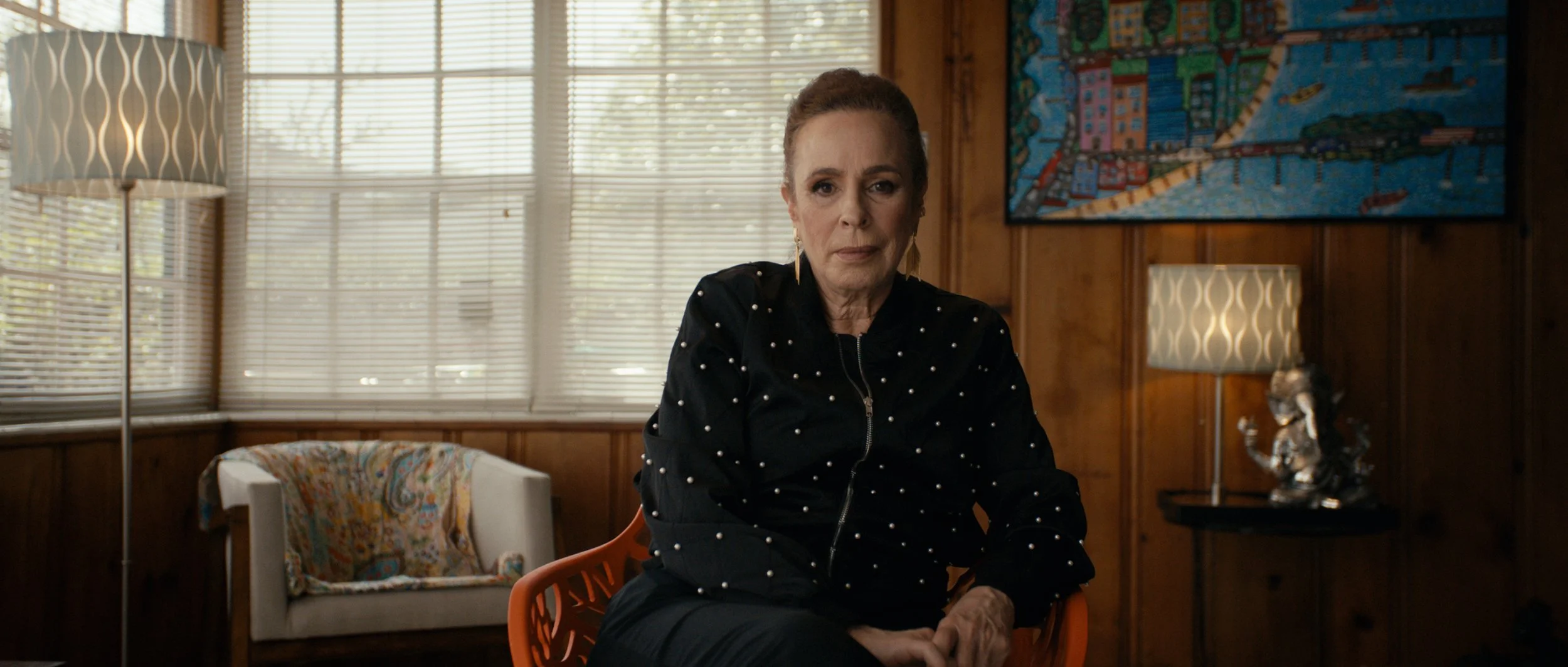
What makes the film compelling is its refusal to flatten its subjects into symbols. Alina is not portrayed as a heroic dissident or a tragic figure. She is a woman shaped by contradictions. She carries anger, humour, grief, and a stubborn sense of responsibility. She speaks with clarity, but also with the weariness of someone who has spent a lifetime explaining herself. Her story is not tidy. It is human.
The documentary also explores the emotional geography of exile. Many of the people interviewed left Cuba physically, but not emotionally. They live ninety miles away, close enough to see the outline of the island on a clear day, yet impossibly far from the life they once knew. They speak of waiting. Waiting for change. Waiting for a chance to return. Waiting for closure that may never come. Their stories are filled with nostalgia, but also with a kind of pragmatic acceptance. They know the Cuba they long for is not the Cuba that exists anymore.
The film captures the ideological fractures that tore the country apart. Families split. Neighbours turned against one another. Fear became a form of governance. The documentary does not sensationalise these divisions, but it does not soften them either. It presents them as lived reality, the kind of reality that shapes a person long after they leave.
One of the film’s strengths is its attention to the small details that reveal larger truths. A woman describing the moment she realised she would never return home. A man recalling the sound of the sea on the night he fled. An artist explaining how exile changed the colours he uses. These moments accumulate into something powerful. They show how political upheaval becomes personal history.
The documentary also functions as a warning. It suggests that the erosion of democratic safeguards does not happen all at once. It happens slowly, through fear, through silence, through the gradual acceptance of the unacceptable. The film does not preach. It simply presents the consequences.
Yet despite the heaviness of its subject matter, Revolution’s Daughter is not bleak. It is filled with resilience. The exiles featured in the film have built lives, families, careers, and communities. They have created art that honours the country they left behind. They have found ways to carry their culture forward. Their stories are not defined solely by loss. They are defined by survival.
By the end, the film circles back to Alina. She remains a complicated figure, shaped by a father she barely knew and a country she can no longer return to. Her voice is steady, but there is a softness beneath it. She speaks not only for herself, but for a generation that has spent decades trying to reconcile love for a homeland with the pain of its history.
Revolution’s Daughter is a documentary that is not loud. It is not sensational. It is thoughtful, intimate, and deeply human. It reminds us that revolutions do not end when the fighting stops. They echo through families, through art, through memory, through the lives of those who leave and those who stay. It is a film about Cuba, but also about the universal experience of displacement, the longing for home, and the courage it takes to speak when silence would be easier.
Screening as part of Doc Edge 2026. Check out the films and screenings here
Review written by Alex Moulton
