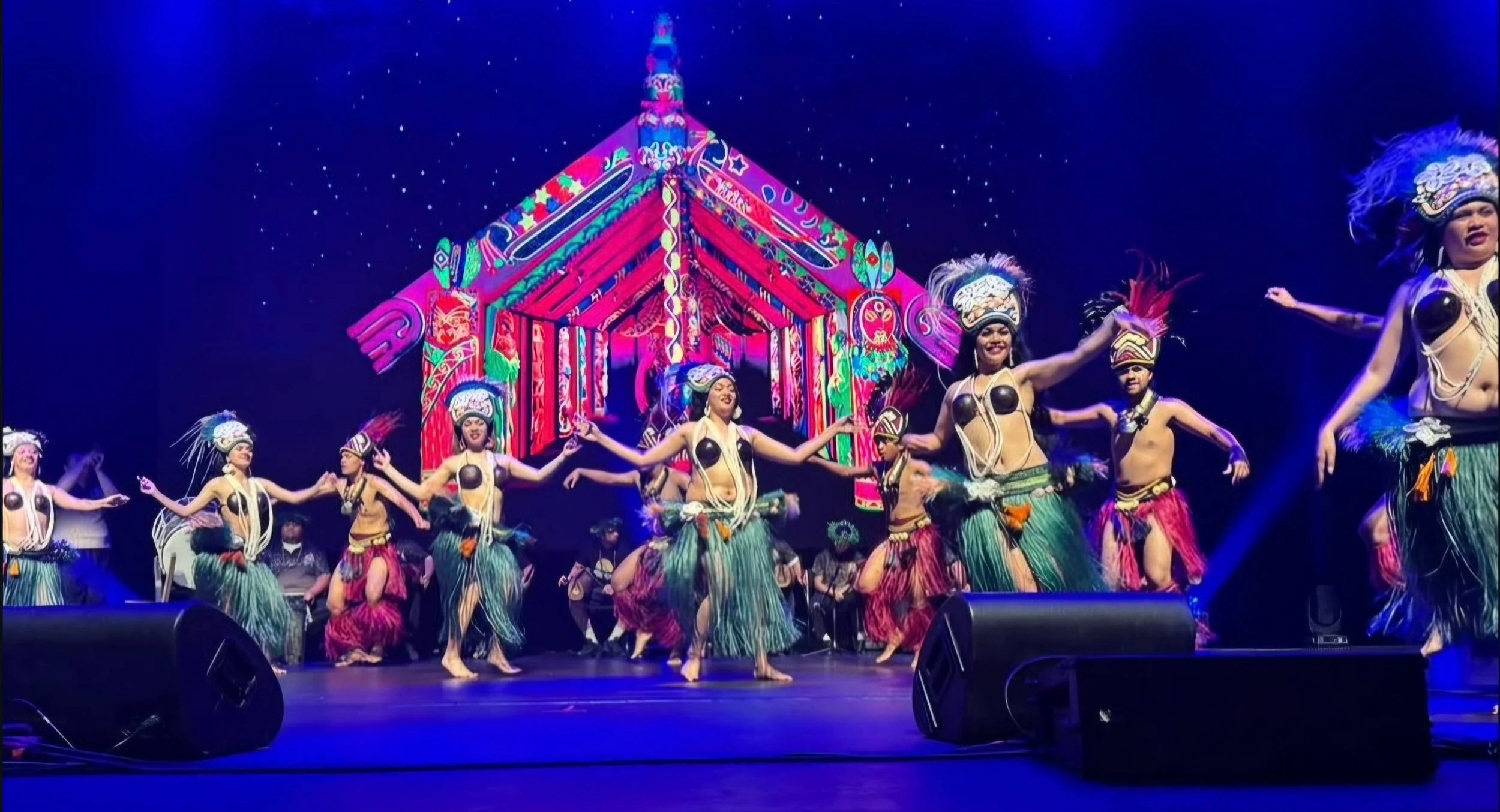
Forty years on from Homosexual Law Reform, Aotearoa is hosting its largest rainbow sporting event yet, but if the Rainbow Games 2026 Opening Ceremony proved anything, it is that this gathering is about far more than competition. Before a single medal is awarded or whistle blown, the Games have already succeeded in creating something many rainbow people have spent years searching for: a space where they can simply belong.
Opening ceremonies often struggle to balance spectacle with purpose. Too much formality and the atmosphere can feel distant. Too much entertainment and the meaning risks becoming diluted. The Rainbow Games found a comfortable middle ground, delivering a celebration that felt rooted in community while never losing sight of the people at its heart.
The evening began with a welcome that immediately anchored the event in place and culture. Mana whenua welcomed athletes, competitors and supporters to Tāmaki Makaurau, while storytelling through movement and performance connected audiences to both whenua and moana. Rather than feeling like a prelude to the "main event", these moments established the emotional foundations for everything that followed. There was a palpable sense of wairua in the room as performers carried generations of stories through dance, music and expression, reminding attendees that belonging is not a new concept but something deeply woven into the cultures of the Pacific.
From there, the ceremony unfolded as a vibrant showcase of the diversity that defines both the Games and the communities it represents. Performers from a range of cultural backgrounds and artistic disciplines took to the stage, creating a constantly evolving tapestry of sound, movement and colour. Hula, waiata, contemporary dance and musical performances sat comfortably alongside one another, not competing for attention but contributing to a larger picture. Every act seemed to reinforce the same message: there is no single way to exist, to celebrate, or to be part of a community.
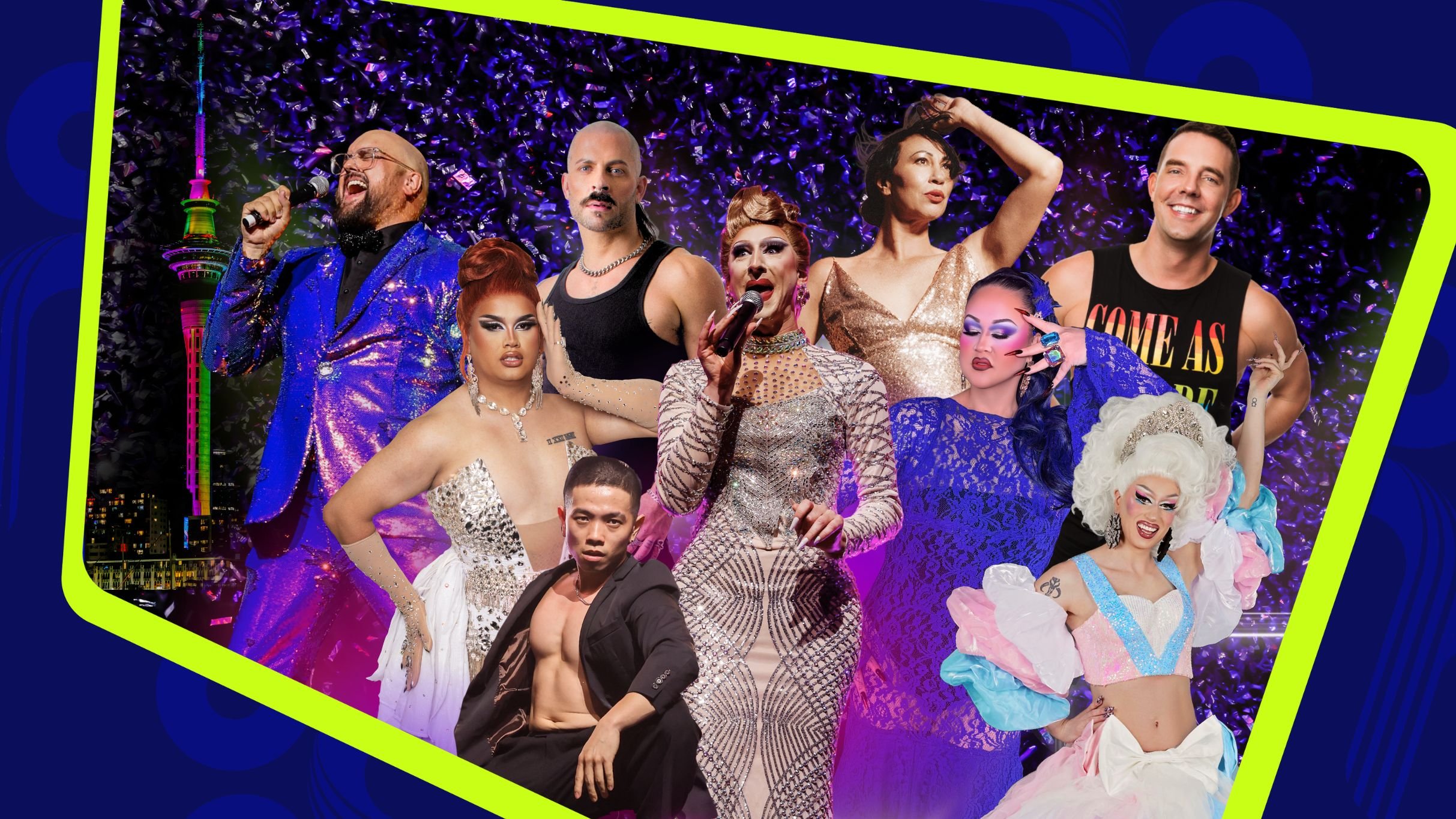
What made the ceremony particularly striking was its commitment to visibility. Rainbow communities are often spoken about as though they are a singular group, but the Opening Ceremony was a reminder of how expansive and diverse those communities truly are. Athletes mingled with artists. Performers shared the spotlight with volunteers and organisers. Different cultures, identities, ages and lived experiences were represented throughout the programme. Rather than presenting diversity as a talking point, the event simply embodied it.
That sense of representation resonated strongly throughout the evening. For many attendees, sport has not always felt welcoming. Rainbow people, particularly transgender and gender-diverse athletes, have long faced barriers to participation, whether through exclusionary policies, assumptions, or environments that made them feel they did not belong. The Rainbow Games offer an alternative vision, one in which participation comes first and identity does not have to be defended before stepping onto a court, field or starting block.
The Opening Ceremony captured that vision beautifully. Time and again, the focus returned to connection, acceptance and collective joy. There was an infectious energy whenever athletes were recognised, not because of what they had achieved competitively, but because of what their presence represented. Every person attending the Games contributes to a broader story about visibility and inclusion. Merely showing up can be an act of courage. Being welcomed wholeheartedly should not feel revolutionary, yet for many it still does.
Perhaps the ceremony's greatest achievement was the atmosphere it created within the venue itself. Large events can be overwhelming at the best of times. Crowds, noise and unfamiliar surroundings often heighten anxiety, even among seasoned attendees. Yet there was a noticeable feeling of ease throughout the evening. Familiar faces appeared around every corner. Friends reunited. New connections formed. Conversations flowed between performances. The sense of community was tangible, transforming what could have been an intimidating environment into one that felt warm and supportive.
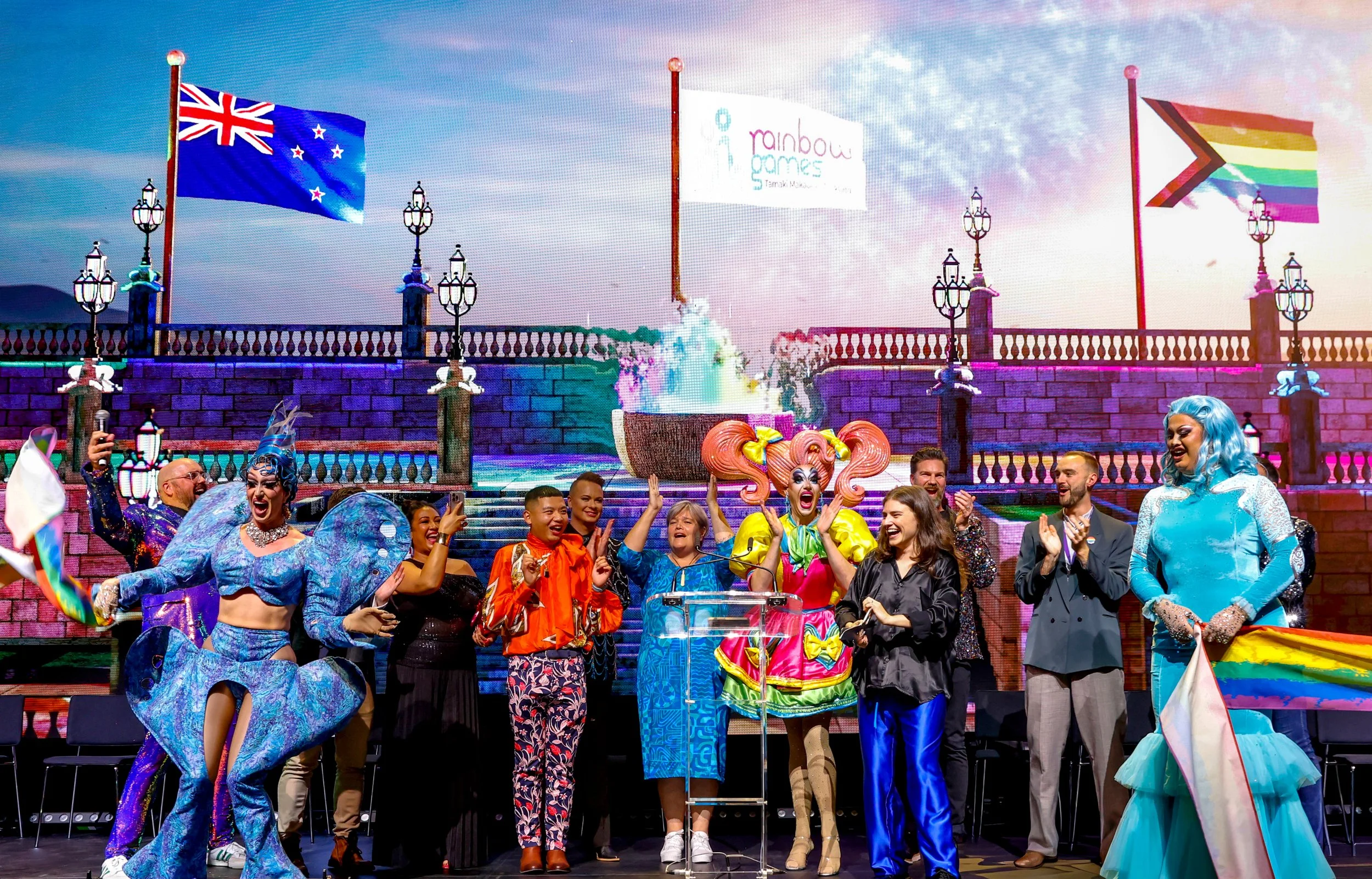
That atmosphere speaks directly to the broader purpose of the Games. Sport is often celebrated for building teamwork, resilience and connection, but many rainbow people have historically been excluded from sharing those benefits. The Rainbow Games challenge that history by creating opportunities not only to compete, but also to connect. The Opening Ceremony reflected this philosophy at every turn. While there was no shortage of entertainment, the lasting impression came from witnessing a community gathering on its own terms and supporting one another without reservation.
The evening was not flawless. Some of the emceeing occasionally felt disconnected from the values the event sought to promote, with a handful of remarks sitting awkwardly against the otherwise inclusive tone of the programme. When an event places belonging at the centre of its identity, language matters. Fortunately, those moments were overshadowed by the overwhelmingly positive atmosphere generated by the performers, organisers, athletes and audience members who collectively carried the evening forward.
As the ceremony drew to a close, the focus shifted naturally toward the days ahead. Across Auckland, athletes will spend the weekend competing in sports ranging from football and swimming to badminton, netball and kickball. Yet after witnessing the Opening Ceremony, it is difficult to imagine the Games being remembered solely through results and rankings. Their significance lies in something much deeper.
The Rainbow Games are a celebration of participation, community and visibility. They provide a platform for people to experience sport without fear of exclusion and to engage with others who share similar journeys. The Opening Ceremony set that tone from the outset, demonstrating that inclusion is not merely a value listed in promotional material but something that can be seen, felt and experienced.
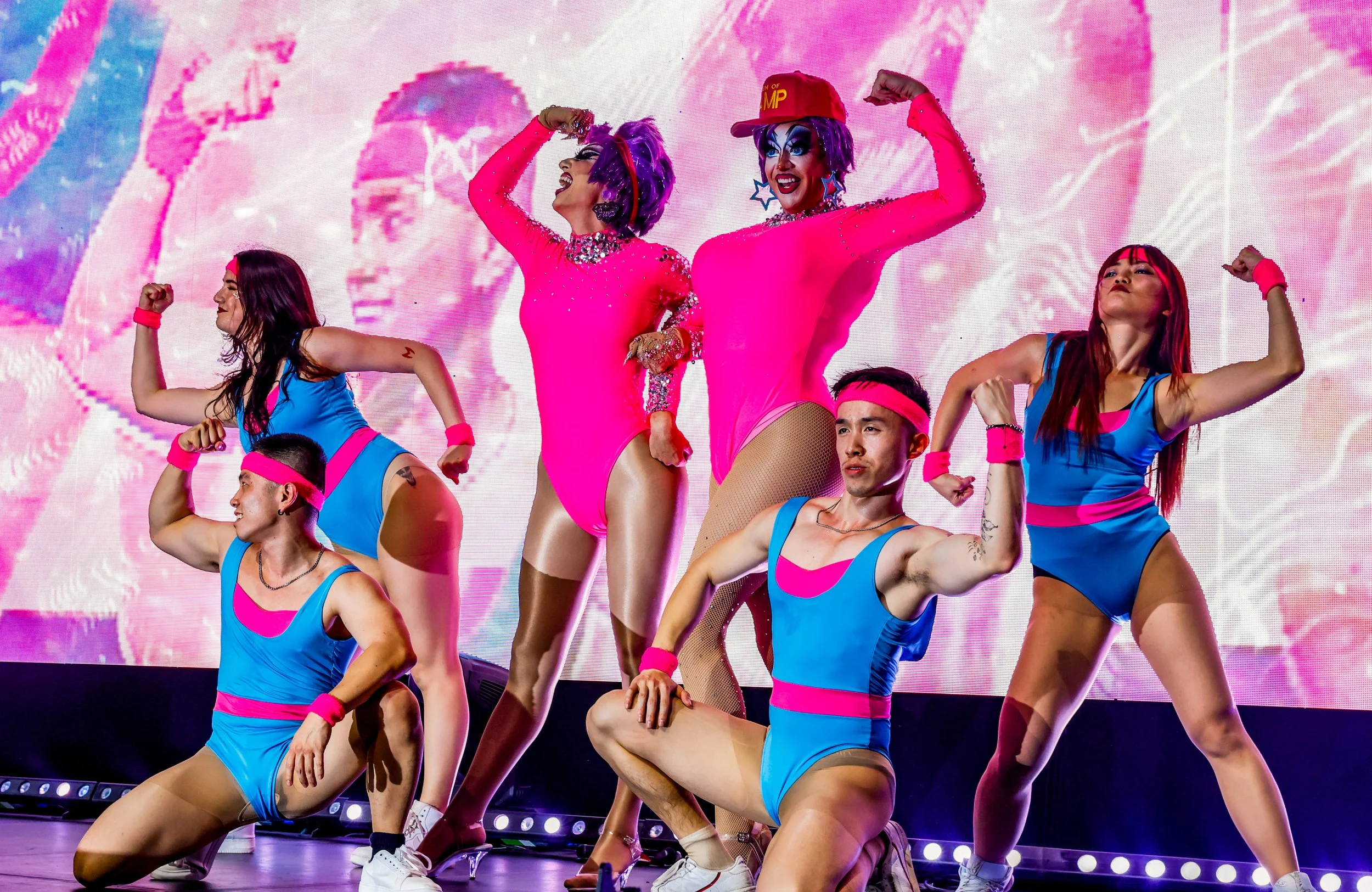
For many people in attendance, the most powerful moments were not necessarily the biggest performances or loudest applause. They were the quieter realisations that came in between: the comfort of seeing someone like yourself represented on stage, the reassurance of being surrounded by people who understand your experience, or the simple joy of sharing space with a community united by acceptance rather than difference.
If the opening night is any indication, the Rainbow Games 2026 are poised to be far more than a sporting event. They are a reminder of what becomes possible when barriers are removed, and people are invited to participate fully as themselves. By the time the final medals are awarded, that may prove to be the Games' most enduring legacy. And for some watching from the sidelines this year, the experience might just be enough inspiration to step onto the field when the next Games come around.
SCHEDULE
Friday 30 October to Sunday 1 November
The Rainbow Games take place.
(Playing or cheering on your whānau? Find what’s on, when to arrive and where to go here)
Sunday 1 November
Final competitions and the Rainbow Games Closing Event.
Feature written by Josh McNally
Edited by Alex Moulton
