Resident Evil (2026)
From the mind of visionary filmmaker Zach Cregger (Weapons, Barbarian) comes a thrilling — and terrifying — reinvention of the Resident Evil franchise. In an all-new story, Resident Evil follows Bryan (Austin Abrams), a medical courier who unwittingly finds himself in an action-packed, non-stop race for survival as one fateful, horrifying night collapses around him in chaos.
The Resident Evil franchise has been revived so many times that its persistence has become part of its identity. Every few years, someone takes another swing at the material, hoping to capture the strange alchemy of horror, action, and grotesque spectacle that made the games iconic. This new film, directed by Zach Cregger, is the latest attempt to breathe life into the series, and it arrives with a very different philosophy from the earlier cinematic versions. Instead of trying to replicate the lore or characters that fans know, Cregger focuses on recreating the experience of playing a survival horror game. The result is a film that feels frantic, chaotic, and strangely faithful to the spirit of the franchise, even while telling a completely new story.
The protagonist this time is Bryan, played by Austin Abrams, a medical courier who is about as far from an action hero as you can get. He is awkward, anxious, and visibly overwhelmed by almost everything that happens to him. His introduction is almost comedic. He is juggling a stressful phone call, fumbling through a long shift, and trying to avoid going home to deal with personal drama. When he agrees to deliver one last package to a facility in Raccoon City, it feels like the kind of decision a video game protagonist makes without thinking. A simple errand. A straightforward objective. A point A to point B mission. Of course, nothing stays simple for long.
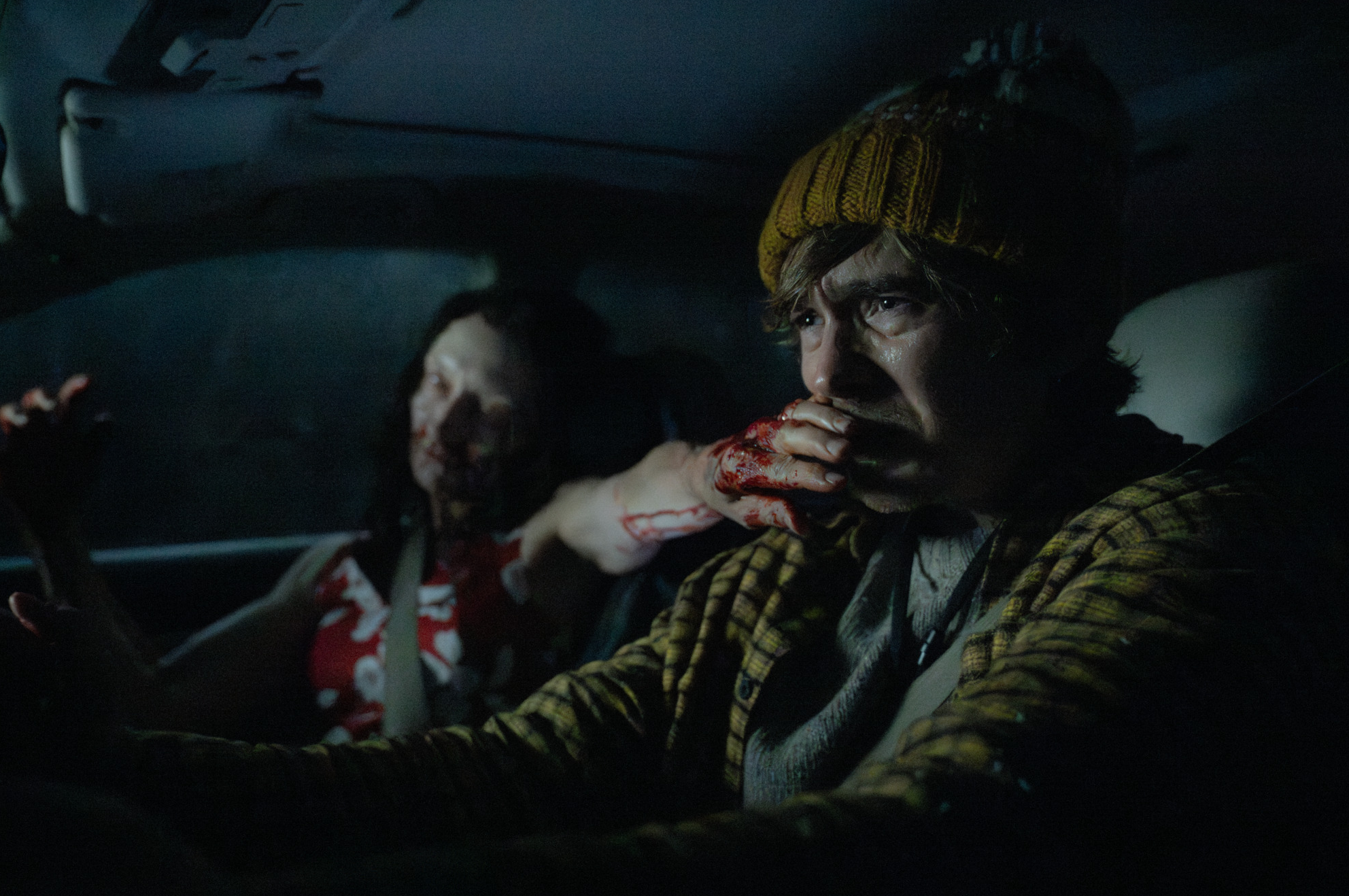
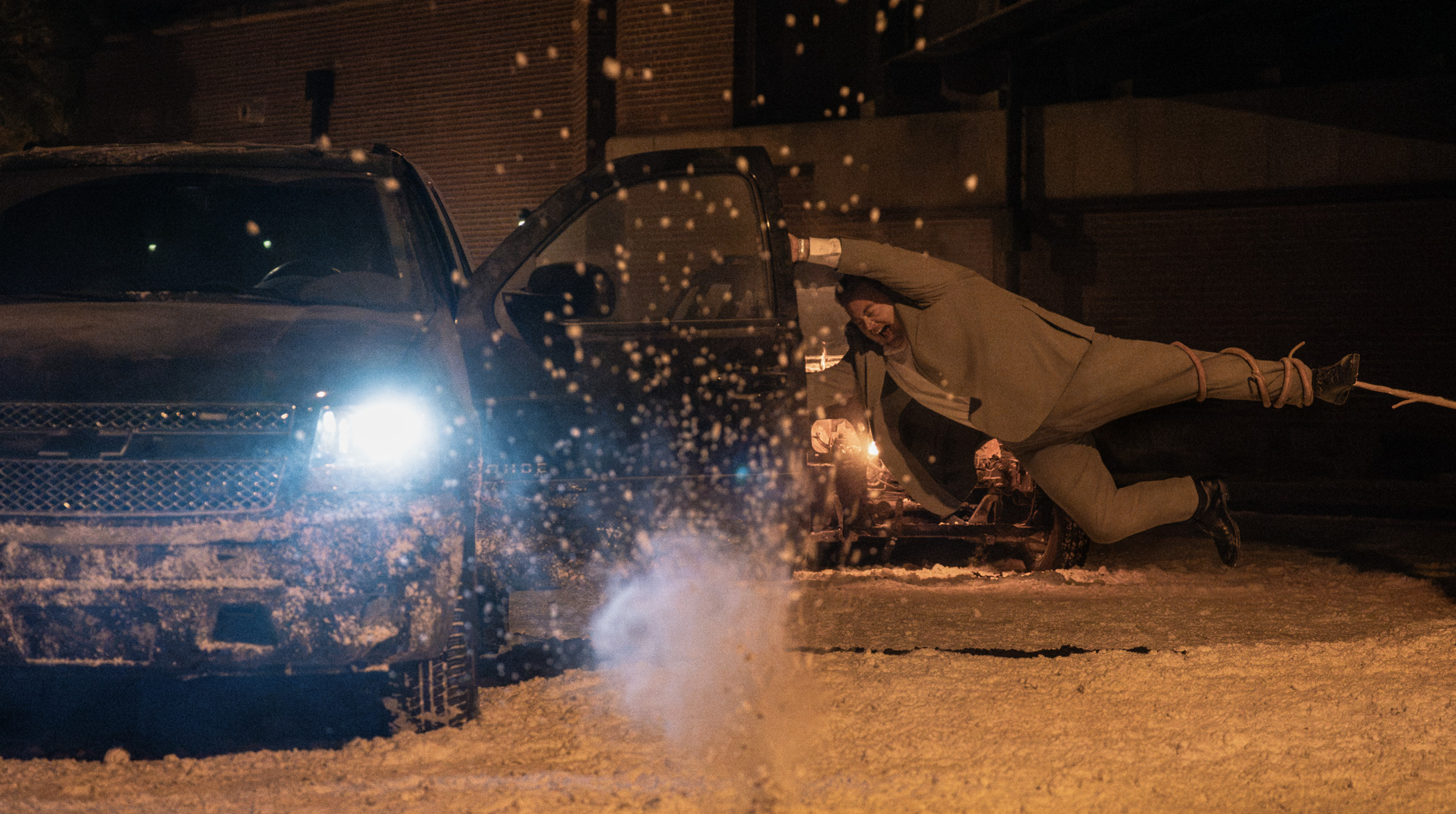
The film wastes no time throwing Bryan into danger. The pacing is full throttle from the opening minutes, and the narrative structure mirrors the level design of a survival horror game. Bryan encounters obstacles, creatures, and environmental hazards in rapid succession, each one escalating the tension. The film moves with a breathless rhythm, charging from set piece to set piece with barely any downtime. It feels almost real-time, as if the audience is experiencing the nightmare alongside him. This momentum is one of the film’s strongest qualities. It keeps the adrenaline high and prevents the story from ever feeling sluggish.
Abrams is a clever choice for the lead. His performance is grounded in panic rather than bravado. He misses shots. He freezes at the worst possible moments. He stares in disbelief at monsters instead of running. He reacts as a normal person would, and that makes him both relatable and funny. The humour is not forced. It comes from the absurdity of watching someone who is clearly not built for heroism try to survive a gauntlet of horrors. Abrams plays Bryan like a guy who wishes he were playing a game rather than living through one, and that tone fits the film perfectly.
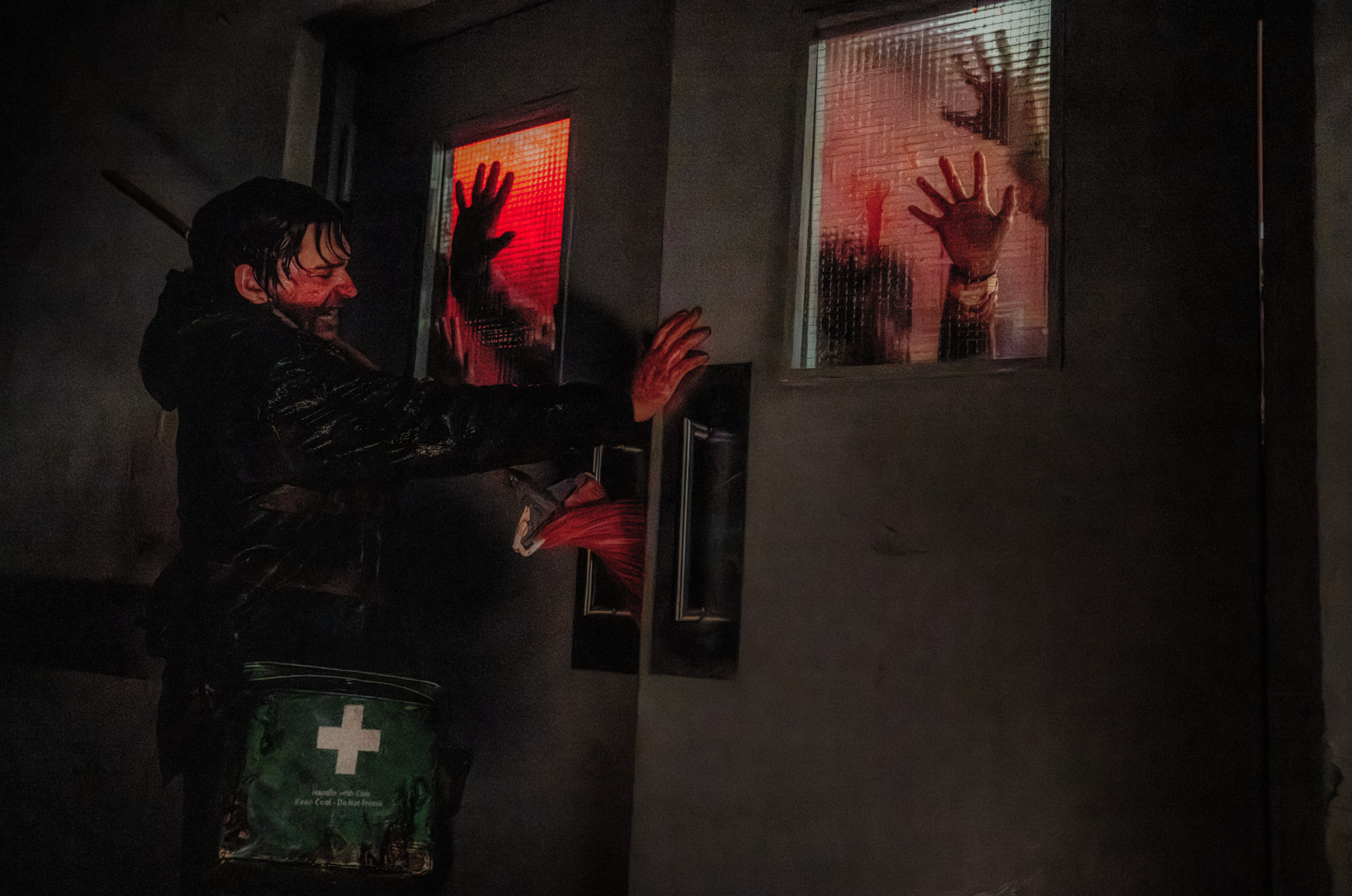
Cregger leans heavily into video game logic. Characters appear briefly, deliver exposition, and vanish. Puzzles and obstacles are presented with almost comical seriousness. Padlocks are treated as indestructible objects that require elaborate solutions. Tunnels are blocked. Fences are electrified. Every challenge feels like a deliberate nod to the mechanics of the games. It is a playful approach, and the film uses these moments to fuel both tension and humour. The recurring gag about Bryan’s inability to deal with padlocks is especially effective.
The creatures are another highlight. Cregger embraces the grotesque creativity of the franchise, presenting monsters that feel like the next stage of viral mutation. Bodies fuse together. Limbs extend and bind. Tendrils reach out and assimilate anything they touch. The creature design is disgusting in the best possible way, and the film never shies away from showing the full extent of the transformations. Gunshots liquefy targets. Flesh moves with unnatural fluidity. It is all very gross, and very effective.
The sound design and score play a major role in building the film’s atmosphere. Pulsating music signals danger before it arrives. Sudden shifts in audio create tension. The film uses sound cues the same way a game would, giving the audience subtle warnings about what is coming. It is a smart choice, and it helps maintain the unnerving mood even when the pacing slows down.
The cinematography by Dariusz Wolski and editing by Joe Murphy give the film a sharp, kinetic energy. Scenes are framed with a sense of claustrophobia, and the cuts are quick enough to keep the momentum high without becoming disorienting. The film is not interested in slow suspense. It prefers sudden shocks, abrupt appearances, and creatures lunging from the edges of the frame. These jump scares are varied enough to avoid monotony, and even when you can sense one coming, it still lands.
The film is surprisingly light on supporting characters. Bryan meets a few people along the way, but most of them do not stick around long. This isolation reinforces the game‑like structure. The protagonist is alone, navigating a hostile environment with limited help. Abrams carries the film almost entirely on his own, and he does so with confidence. His performance keeps the tone balanced between horror and dark comedy, and his reactions make even the most chaotic moments feel grounded.
The simplicity of the narrative is intentional. It mirrors the straightforward progression of a game level. Bryan has a destination. He must reach it. Everything else is an obstacle. This clarity keeps the film focused, but it also means the story does not have much thematic depth. The film is more interested in delivering thrills than exploring complex ideas. There are hints of larger concepts, particularly regarding viral evolution and the ethics of scientific experimentation, but they remain in the background.
The finale is bold, strange, and divisive. It honours the games in a skewed way, leaning into their more surreal tendencies, but it does not fully match the tone of the rest of the film. It is ambitious, but it may leave some viewers wanting more narrative cohesion. Even so, the journey to that point is entertaining enough that the ending does not undermine the overall experience.
This Resident Evil is one of the most game‑faithful adaptations to date, not because it follows the lore, but because it captures the feeling of playing a survival horror title. It is frantic, disgusting, funny, and relentless. It is a thrill ride that prioritises adrenaline over complexity, and it succeeds on those terms. Austin Abrams is a fun protagonist, the creatures are memorably grotesque, and the pacing never lets up. It may not satisfy viewers looking for deeper storytelling, but as a pure cinematic approximation of the franchise’s idiosyncrasies, it hits the mark.
Resident Evil is in NZ cinemas from September 17, 2026. Find your nearest screening here
Review written by Alex Moulton
